
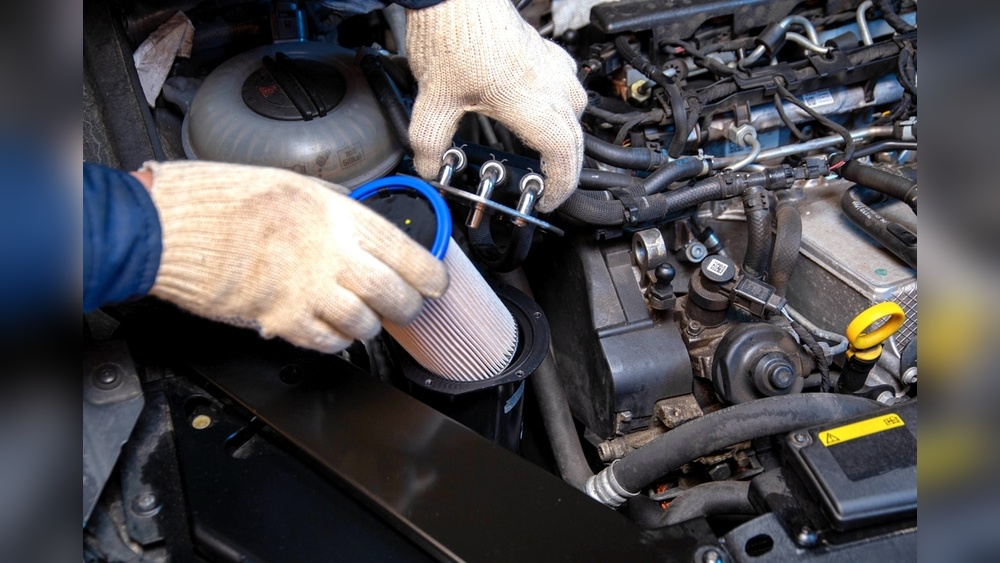
If you drive a BMW, you know how important it is to keep your car running smoothly. One key part that often gets overlooked is the fuel filter.
But how often should your BMW’s fuel filter be changed? Ignoring this simple maintenance task can lead to poor engine performance and costly repairs. You’ll discover the signs that your fuel filter needs attention and the best schedule to keep your BMW in top shape.
Keep reading to protect your engine and get the most out of every drive.
Role Of A Bmw Fuel Filter
The fuel filter in a BMW plays a vital role in keeping the car running smoothly. It cleans the fuel before it reaches the engine. This small part protects the engine from dirt and debris. Clean fuel helps the engine work better and last longer.
Without a good fuel filter, harmful particles could clog the engine. This may cause poor performance and costly repairs. Understanding the fuel filter’s role helps you maintain your BMW properly.
Fuel Filter Function
The fuel filter removes dirt, rust, and other particles from the fuel. It stops these impurities from reaching the engine. This filtering process keeps the fuel system clean. A clean fuel system improves fuel flow and engine efficiency.
The filter also helps protect fuel injectors and other parts. It prevents blockages that can cause engine trouble. Regularly changing the fuel filter keeps it working well and avoids damage.
Impact On Engine Performance
A clogged fuel filter reduces fuel flow to the engine. This makes the engine run rough or lose power. The car may also use more fuel than usual. A clean filter helps the engine perform at its best.
Good engine performance means better acceleration and smoother rides. It also lowers the risk of engine problems. Replacing the fuel filter on time supports your BMW’s reliability and efficiency.
Signs Of A Clogged Fuel Filter
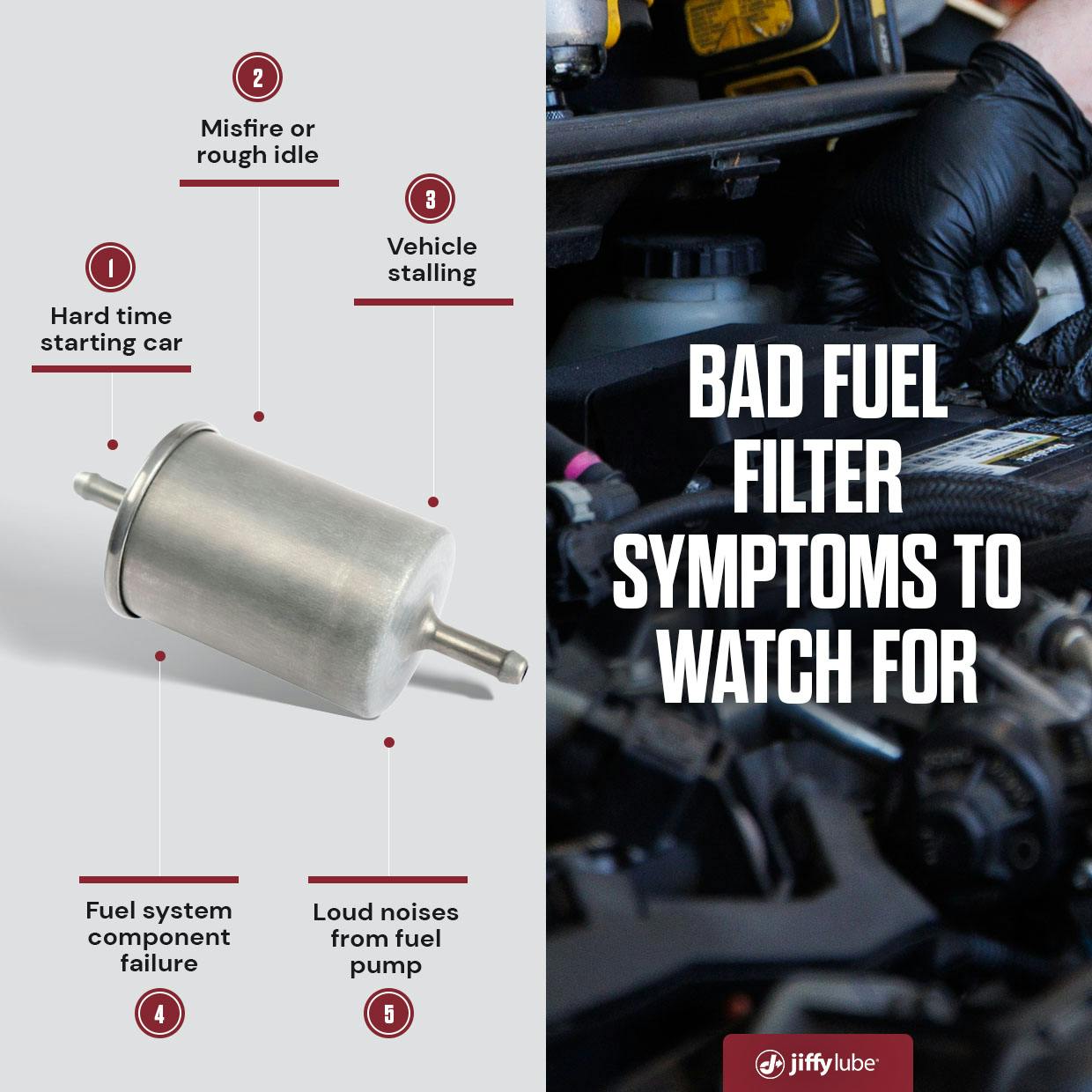
A clogged fuel filter can cause several issues with your BMW’s engine. It stops fuel from flowing properly. This leads to poor performance and other problems. Recognizing the signs early helps prevent bigger damage. Here are common signs of a clogged fuel filter.
Reduced Engine Power
Your BMW may lose power when accelerating. The engine struggles to get enough fuel. This makes driving uphill or carrying heavy loads harder. The car might feel sluggish and slow.
Starting Difficulties
The engine may take longer to start or not start at all. A clogged fuel filter blocks fuel flow to the engine. This causes weak or no ignition. You might hear the engine trying but failing to run.
Unusual Engine Noises
The engine could make strange sounds like sputtering or coughing. These noises happen because the engine is starving for fuel. It works harder and runs unevenly. This is a clear sign the fuel filter needs attention.
Recommended Replacement Intervals
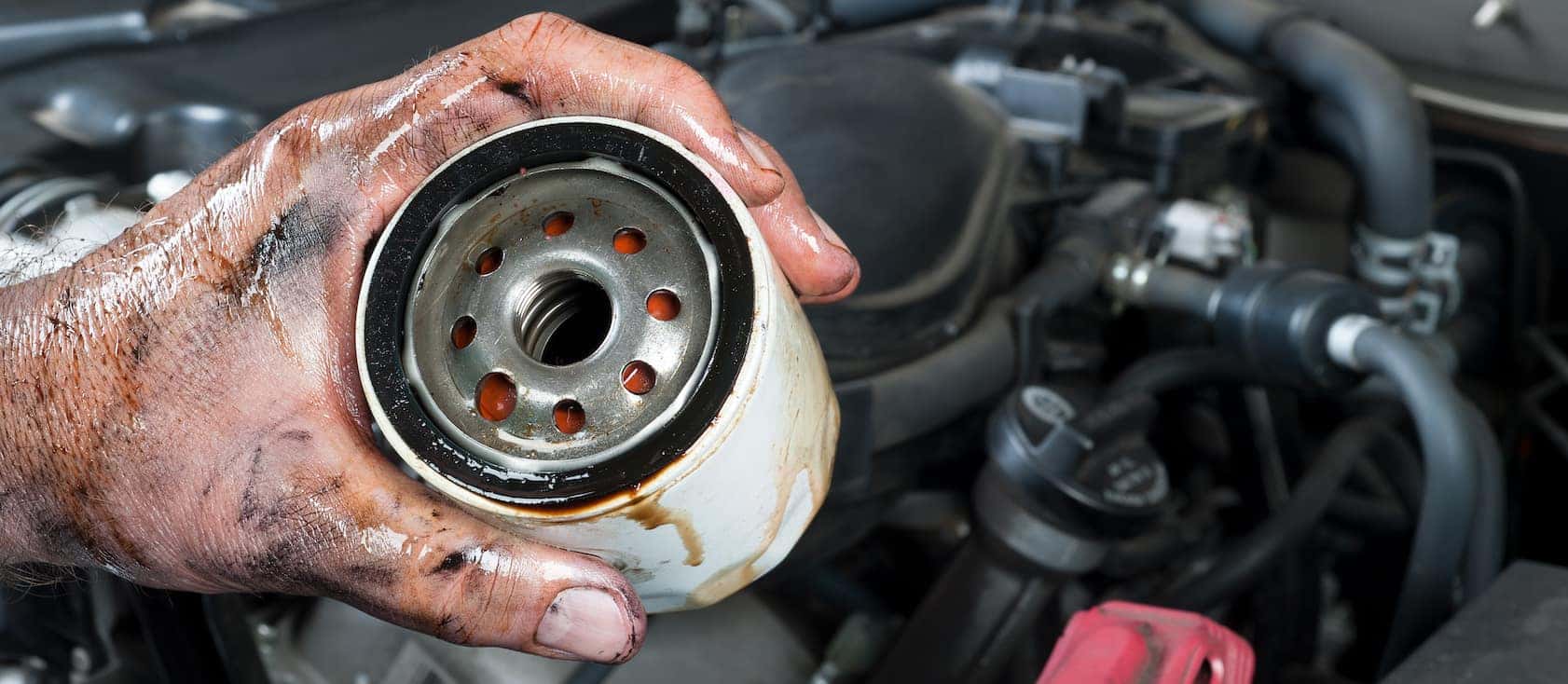
BMW fuel filters usually need changing every 30,000 to 60,000 miles. Regular replacement keeps the engine clean and running smoothly. Check your owner’s manual for exact intervals.
Bmw Manufacturer Guidelines
BMW recommends changing the fuel filter every 30,000 to 40,000 miles. This keeps the engine clean and running smoothly. Regular replacement prevents dirt and debris from clogging the fuel system. Following these guidelines helps maintain fuel efficiency and engine performance. Always check your owner’s manual for specific advice.
Variation By Model And Year
Fuel filter replacement intervals can vary by BMW model and year. Older models may need changes more often than newer ones. Some newer models have fuel filters that last longer or are part of the fuel pump assembly. It is important to know your specific model’s needs. Consult your vehicle’s manual or a trusted mechanic for accurate information.
Credit: www.pacificbmw.com
Factors Affecting Fuel Filter Lifespan
The lifespan of a BMW fuel filter depends on several key factors. These influence how long the filter works well before needing replacement. Understanding these can help you keep your car running smoothly and avoid engine problems.
Driving Conditions
Driving in dusty or rough areas clogs the fuel filter faster. Stop-and-go traffic can also strain the filter. Long highway trips cause less stress on the filter. Frequent short trips leave deposits behind, reducing filter life.
Fuel Quality
Low-quality fuel contains more dirt and impurities. This dirt blocks the fuel filter sooner. Using clean, high-quality fuel helps the filter last longer. Contaminated fuel may cause engine issues besides filter wear.
Maintenance Habits
Regular maintenance keeps the fuel filter in good shape. Skipping fuel system checks can shorten filter life. Changing the filter at recommended intervals prevents damage. Clean filters improve engine performance and fuel efficiency.
Diy Vs Professional Replacement
Changing the fuel filter in your BMW can be done by yourself or by a professional. Both options have their own advantages and challenges. Choosing the right one depends on your skills, tools, and time. Knowing the process and tools helps in making the best choice.
Tools Required
For a DIY fuel filter change, you need some basic tools. A wrench set and screwdrivers are essential. Fuel line disconnect tools help remove the old filter safely. Gloves and safety glasses protect you during the job. A container to catch fuel spills is also useful.
Step-by-step Replacement Process
First, relieve the fuel system pressure to avoid leaks. Then, disconnect the battery for safety. Locate the fuel filter, usually near the fuel tank or engine. Use the disconnect tool to remove fuel lines carefully. Take out the old filter and install the new one in the correct direction. Reconnect the fuel lines tightly and the battery. Start the engine to check for leaks and proper flow.
Benefits Of Professional Service
Professionals have experience and proper tools for the job. They can spot other fuel system issues during replacement. Their work usually comes with a warranty for peace of mind. The job is done faster and with less mess. A professional service reduces the risk of damage or injury. It is a safer and often more reliable choice for many BMW owners.
Cost Of Fuel Filter Replacement
The cost of replacing a BMW fuel filter varies depending on several factors. Knowing these costs helps you plan your car maintenance budget. It also guides you to make better decisions about when to replace the fuel filter. The price mainly breaks down into parts and labor. Both influence the total expense.
Parts Pricing
The fuel filter itself is a key part of the cost. OEM (Original Equipment Manufacturer) filters usually cost more. Prices range from $30 to $80. Aftermarket filters can be cheaper but might not last as long. Using a quality filter is important for BMW engines. It keeps fuel clean and engine running smoothly.
Labor Charges
Labor costs depend on where you get the service done. Dealerships tend to charge more, around $100 to $150 per hour. Independent mechanics often offer lower rates. Replacing a fuel filter usually takes about one hour. Labor prices can vary by location and mechanic experience.
Long-term Savings
Changing the fuel filter regularly saves money over time. A clean filter improves fuel efficiency. It reduces strain on the engine and prevents costly repairs. Delaying replacement can lead to engine problems. These repairs cost much more than a simple filter change. Proper maintenance keeps your BMW running longer and better.
Consequences Of Neglecting Fuel Filter Changes
Neglecting to change your BMW’s fuel filter can cause serious problems. The fuel filter keeps dirt and debris out of the engine. Over time, it clogs and stops working well. This leads to many issues that affect your car’s performance and safety.
Engine Damage Risks
A dirty fuel filter lets harmful particles enter the engine. These particles can cause wear and tear on engine parts. Over time, this damage reduces engine life. Repairing or replacing an engine is very expensive.
Decreased Fuel Efficiency
A clogged fuel filter limits fuel flow to the engine. The engine works harder to get fuel. This makes your BMW use more gas than usual. You spend more money on fuel and drive less distance.
Potential Breakdowns
A blocked fuel filter can cause your car to stall. The engine may stop running suddenly on the road. This creates dangerous situations for you and others. Regular fuel filter changes help avoid unexpected breakdowns.
Credit: www.jiffylube.com

Credit: oilchangers.com
Frequently Asked Questions
How Often Should Bmw Fuel Filter Be Replaced?
BMW fuel filters should be replaced every 30,000 to 40,000 miles. Regular replacement ensures clean fuel flow and optimal engine performance. Check your owner’s manual for specific recommendations based on your BMW model and driving conditions.
What Are Signs Of A Clogged Bmw Fuel Filter?
Signs include engine misfires, poor acceleration, and stalling. A clogged fuel filter restricts fuel flow, causing performance issues. If you notice these symptoms, have the fuel filter inspected and replaced if needed.
Can I Change Bmw Fuel Filter Myself?
Yes, if you have mechanical skills and tools, you can replace the fuel filter yourself. However, BMW fuel systems can be complex, so professional service is recommended for safety and accuracy.
Does A Dirty Fuel Filter Affect Bmw Fuel Efficiency?
Yes, a dirty fuel filter reduces fuel efficiency by restricting fuel flow. This forces the engine to work harder, consuming more fuel. Regular fuel filter changes maintain optimal fuel economy and engine health.
Conclusion
Changing your BMW fuel filter regularly keeps the engine clean and strong. Most experts suggest doing it every 30,000 to 60,000 miles. Clean fuel filters stop dirt from reaching the engine parts. This helps your car run smoothly and saves money on repairs.
Watch for signs like rough idling or poor acceleration. These can mean the fuel filter needs attention. Stay on schedule to avoid unexpected breakdowns. Taking care of your fuel filter means better fuel efficiency and longer engine life. Simple steps make a big difference in your BMW’s performance.


