

If you transport a car, you know how important it is to keep it secure. That’s where car wheel tie down straps come in.
These simple tools can make a huge difference in keeping your vehicle safe during transit. But not all straps are created equal, and using the wrong ones could lead to damage or accidents. You’ll discover what makes the best car wheel tie down straps, how to choose the right ones for your needs, and tips to use them like a pro.
Ready to protect your investment and drive with confidence? Keep reading.
Types Of Tie Down Straps
Tie down straps secure car wheels during transport. They prevent movement and keep vehicles safe. Different types of tie down straps fit various needs and setups. Choosing the right strap improves safety and ease of use. Here are the common types of tie down straps for car wheels.
Ratchet Straps
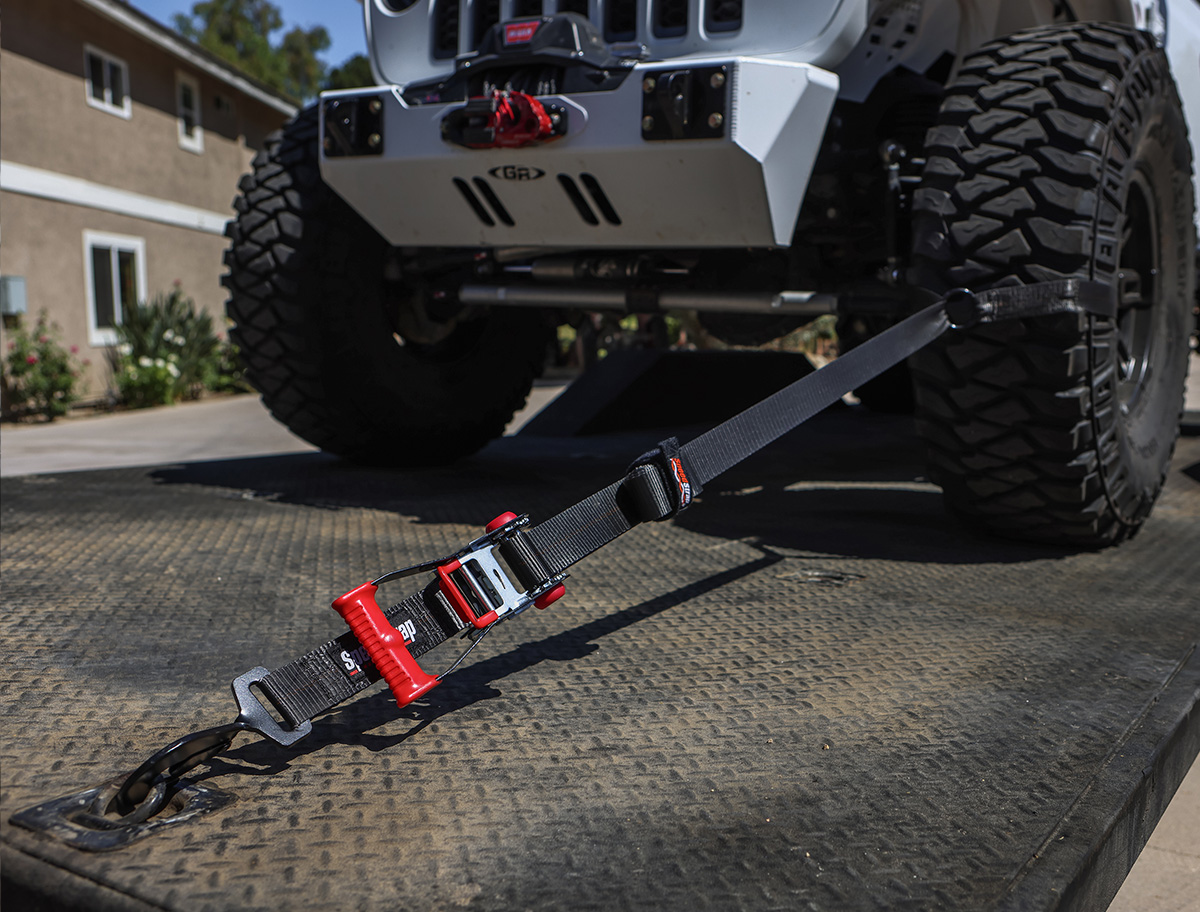
Ratchet straps provide strong, tight holds. They use a ratcheting mechanism to tighten the strap. This design allows for precise tension control. Ratchet straps are durable and ideal for heavy loads. They are popular for securing cars on trailers and trucks.
Cam Buckle Straps
Cam buckle straps use a simple lever to lock the strap. They are easy to use and adjust quickly. These straps work well for lighter loads. Cam buckle straps do not tighten as much as ratchet straps. They suit situations where speed and convenience matter.
E-track Straps
E-track straps attach to a special rail system on trailers. This system offers multiple anchor points for flexibility. E-track straps are great for professional transport setups. They help distribute tension evenly around the wheel. These straps keep cars firmly in place on E-track trailers.
Chain Straps
Chain straps combine metal chains and fabric straps. The chains add extra strength and resistance. They are used for very heavy or rugged loads. Chain straps resist cutting and wear better than fabric alone. Ideal for off-road vehicles or industrial transport needs.
Choosing The Right Strap
Choosing the right car wheel tie down strap is important for safety and convenience. The strap holds the vehicle in place during transport. Picking the wrong strap can cause damage or accidents. Focus on key features to find the best option for your needs.
Weight Capacity
Check the strap’s weight capacity first. It must support your vehicle’s weight. A strap with low capacity can break under pressure. Always select a strap with a higher capacity than your car’s weight. This ensures extra safety and peace of mind.
Strap Width And Length
The width and length of the strap affect its strength and fit. Wider straps usually hold more weight and last longer. Length matters depending on the size of your car and the tie down points. Make sure the strap is long enough to secure your vehicle tightly.
Material And Durability
Look for straps made from strong materials like polyester or nylon. These materials resist wear and tear. They also handle harsh weather conditions well. Durable straps protect your car and last longer. Avoid cheap materials that can fray or snap easily.
Hooks And Attachments
Check the type of hooks or attachments on the strap. They must fit your vehicle and tie down points securely. Metal hooks should be rust-resistant and sturdy. Some straps have rubber-coated hooks to prevent scratches. Choose attachments that match your transport setup perfectly.
Preparing Your Vehicle
Preparing your vehicle properly is key before using car wheel tie down straps. This helps keep the car safe and secure during transport. Taking a few simple steps can prevent damage and ensure the straps hold well. Safety starts with how you prepare the car.
Positioning The Car
Park the car on a flat, stable surface. Straighten the wheels so they face forward. This makes tying down easier and safer. Avoid parking on slopes or uneven ground. Proper positioning helps the straps hold the vehicle firmly.
Securing Loose Parts
Check for loose parts like mirrors or antennas. Remove or secure them to avoid damage during transport. Close all doors, windows, and the trunk tightly. Loose parts can catch on straps or cause scratches. Tighten or remove anything that might move.
Using Wheel Chocks
Place wheel chocks on both sides of at least one tire. This stops the car from rolling while you attach the straps. Use sturdy chocks designed for your vehicle’s weight. Wheel chocks add an extra layer of safety and stability.

Credit: www.amazon.com
Proper Strap Placement
Proper strap placement is key to safely securing a car during transport. It keeps the vehicle steady and prevents damage. Straps must hold the car tightly without slipping or shifting. Knowing where and how to attach these straps protects both the car and the trailer.
Attaching To Wheels
Secure straps around the wheels for strong hold. Use the rims or the tire itself, but avoid sharp edges. Tighten straps evenly to keep wheels from moving. This method balances the car’s weight on the trailer. Check straps often to ensure they stay tight.
Frame And Anchor Points
Connect straps to the car’s frame for extra security. Use built-in anchor points if available. These points are designed to handle strain. Avoid weak spots like plastic parts or suspension arms. The frame provides the best support during transit.
Avoiding Damage To Vehicle
Place padding between straps and the car’s surface. This prevents scratches and dents. Do not overtighten straps as it can cause damage. Check for any sharp edges on straps or hooks. Protect paint and delicate parts by careful strap placement.
Tightening And Securing Straps
Tightening and securing car wheel tie down straps is key for safe transport. Proper tension keeps the vehicle stable and stops movement. Loose straps can cause damage or accidents. Follow steps to secure straps firmly and safely.
Using Ratchets Safely
Hold the strap tight before using the ratchet. Pull the handle back and forth to tighten. Do not force the ratchet beyond its limit. Stop when the strap feels firm but not overly tight. Avoid twisting the strap to prevent damage.
Checking Strap Tension
Test the strap by pressing down with your hand. The strap should not move or loosen. Tighten more if the strap feels loose. Check each strap separately for equal tension. Proper tension keeps the car from shifting.
Double Checking Attachments
Inspect hooks and anchors before driving. Make sure all attachments are secure and locked. Tug each hook to confirm it holds firmly. Never attach straps to weak or loose points. Double check adds safety and peace of mind.
Common Mistakes To Avoid
Using car wheel tie down straps might seem simple. Yet, many make mistakes that cause damage or unsafe loads. Knowing what to avoid helps protect your vehicle and cargo. Here are common errors to watch out for.
Overtightening Straps
Straps need to be tight enough to hold wheels firmly. Too much force can break the strap or damage the wheel. Over-tightening can also warp rims or squeeze tires unevenly. Stop tightening once the wheel feels secure. Avoid using extra tools to force the strap tighter.
Using Worn Or Damaged Straps
Straps show wear from sun, dirt, and rough use. Cracks, frays, or broken stitches reduce strength. Old straps might snap during transport and cause accidents. Always check your straps before use. Replace any strap that looks weak or damaged.
Ignoring Manufacturer Guidelines
Manufacturers test straps for specific weight limits and use cases. Ignoring these rules risks strap failure and unsafe loads. Read all instructions carefully. Follow weight limits and recommended tie down points. Using straps the wrong way can void warranties and cause harm.
Maintenance And Storage Tips
Car wheel tie down straps need regular care to last longer. Proper maintenance keeps them strong and safe. Good storage prevents damage and tangling. Follow these simple tips to keep your straps in top shape.
Cleaning Straps
Clean straps after every use. Dirt and grime can weaken the fabric. Use mild soap and warm water. Gently scrub with a soft brush. Rinse well to remove all soap. Let the straps dry completely before storing.
Inspecting For Wear
Check straps for cuts, frays, or tears. Look at the stitching and metal parts too. Any damage can reduce strap strength. Replace straps that show wear signs. Regular inspection ensures safety on the road.
Proper Storage Conditions
Store straps in a dry, cool place. Avoid direct sunlight and moisture. Roll straps neatly to prevent tangling. Use a storage bag or box. Keep them away from chemicals or sharp objects.

Credit: www.amazon.com
Legal And Safety Considerations
Using car wheel tie down straps safely requires knowing the legal rules. These straps keep your car secure during transport. Ignoring laws or safety tips can cause accidents or fines. Always follow the right guidelines to protect your vehicle and others on the road.
Transport Regulations
Every region has specific rules for transporting vehicles. These rules include how to secure the car with tie down straps. The straps must be strong and fastened correctly. Authorities may inspect the load before travel. Failing to meet regulations can result in penalties or delays.
Load Limits
Each tie down strap has a maximum load limit. Exceeding this limit risks strap failure and vehicle damage. Check the strap’s rating before use. Use multiple straps if needed to distribute the load. Proper tension is vital to keep the car from moving.
Emergency Preparedness
Straps can loosen during travel. Regularly check them on long trips. Carry tools to tighten or replace straps quickly. Know how to secure the car if a strap breaks. Being prepared reduces the risk of accidents on the road.
Credit: www.speedstrap.com
Frequently Asked Questions
What Are Car Wheel Tie Down Straps Used For?
Car wheel tie down straps secure vehicle wheels during transport. They prevent movement and damage, ensuring safe towing or hauling. These straps offer strong hold and stability for cars on trailers or trucks.
How Do I Choose The Best Wheel Tie Down Straps?
Select straps with high load capacity and durable materials like nylon. Check for strong hooks and adjustable length. Ensure compatibility with your vehicle and trailer for safe, secure transport.
Can Wheel Tie Down Straps Damage My Car Wheels?
Properly used straps do not damage wheels. Use padded or soft straps to avoid scratches. Tighten straps securely but avoid over-tightening to protect rims and tires.
Are Ratchet Straps Better Than Cam Buckle Straps?
Ratchet straps offer stronger tension and security than cam buckles. They are ideal for heavy loads and long trips. Cam buckle straps work well for lighter, quick fastening needs.
Conclusion
Car wheel tie down straps keep your vehicle safe during transport. They hold wheels firmly to prevent movement. Choosing strong, durable straps helps avoid damage or accidents. Always check straps for wear before use. Proper use means a smooth, worry-free journey.
Secure your wheels right, and drive with confidence. Simple steps make a big difference in safety. Tie down straps are a small tool with a big job. Don’t overlook their importance when moving your car. Safe transport starts with the right equipment.


