
Have you ever wondered what makes your car stop so smoothly and safely every time you press the brake pedal? The secret lies in a crucial part called the brake rotor.
Understanding how brake rotors are made can give you a new appreciation for this essential component of your vehicle’s braking system. You’ll discover the step-by-step process behind crafting brake rotors, why quality matters, and what goes into making sure they perform perfectly when you need them most.
Keep reading to unlock the story behind the metal that helps keep you safe on the road.
Raw Materials Selection
Selecting raw materials is the first step in making brake rotors. The choice of materials affects the rotor’s strength, heat resistance, and lifespan. Only high-quality metals can handle the intense pressure and heat during braking. Every batch of raw material undergoes strict checks to meet industry standards. This ensures safety and performance for all vehicles using these rotors.
Types Of Metals Used
Brake rotors are mainly made from cast iron. This metal is strong and absorbs heat well. Some rotors use carbon composites for high-performance vehicles. Steel is also used but less often, due to its weight. Each metal offers different benefits for heat control and durability.
Quality Standards
Raw materials must follow strict quality rules. These standards test for metal purity and strength. Materials are checked for cracks or impurities. This prevents rotor failure during use. Quality control ensures that every rotor can handle tough driving conditions safely.
Credit: www.youtube.com
Casting Process
The casting process is a key step in making brake rotors. It shapes the metal into the rotor’s form. This process ensures rotors are strong and last long. It starts with preparing the mold and ends with cooling the metal. Each part of casting affects the rotor’s quality.
Mold Preparation
The mold forms the shape of the brake rotor. It is made from sand or metal. Workers clean the mold to remove dust and debris. They also apply a coating to stop the metal from sticking. The mold must be perfect to avoid defects in the rotor.
Metal Melting And Pouring
Metal is heated in a furnace until it melts. This metal is usually iron or steel. The molten metal is poured carefully into the mold. Pouring must be smooth to fill every part of the mold. This step shapes the rotor’s basic form.
Cooling And Solidification
The molten metal cools inside the mold. As it cools, it turns solid and hard. Cooling time affects the metal’s strength and durability. After solidifying, the mold is removed to reveal the rough rotor. This rotor then moves to the next production steps.
Machining And Shaping
Machining and shaping are key steps in making brake rotors. This process gives rotors their final size and shape. It ensures they fit perfectly and work safely in vehicles. Precision is very important during these steps.
Cnc Machining Techniques
CNC machines use computer controls to cut the rotor material. They create exact shapes and sizes. This method reduces errors and speeds up production. CNC machining allows tight tolerances for rotor thickness and diameter.
Drilling And Slotting
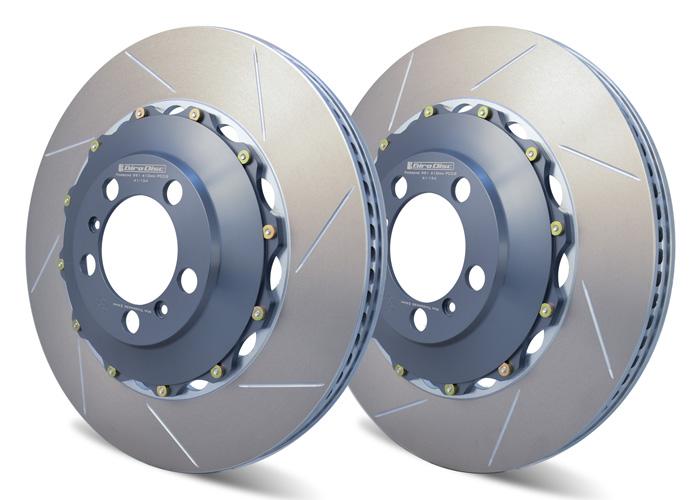
Drilling adds holes to the rotor for mounting and heat dissipation. Slotting creates grooves on the rotor surface. These slots help remove dust and gases during braking. They also improve cooling and performance.
Surface Finishing
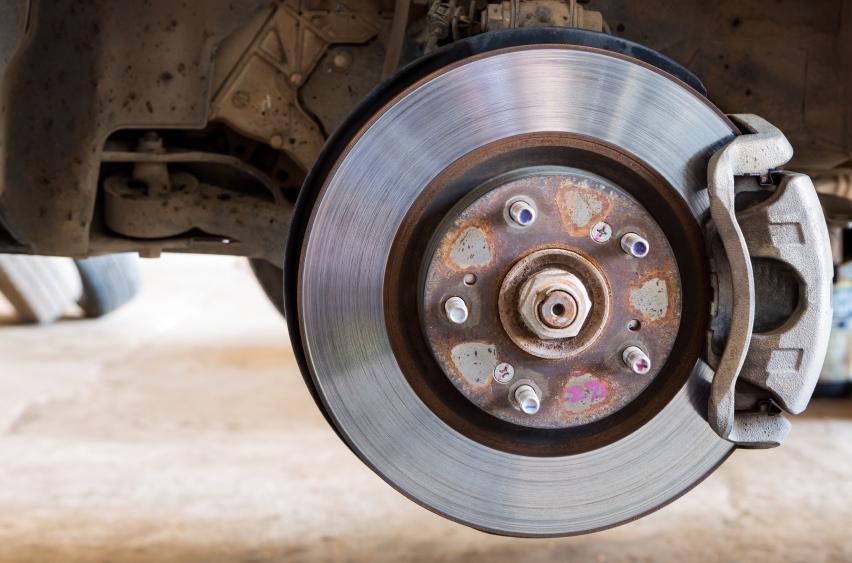
Surface finishing smooths the rotor to remove rough edges. It helps improve contact with brake pads. Finishing also prevents rust and extends rotor life. Common methods include grinding and coating.
Credit: carfromjapan.com
Heat Treatment
Heat treatment is a key step in making brake rotors. It changes the metal’s structure to make it stronger and more durable. This process helps the rotors handle high temperatures and pressure during braking. Proper heat treatment improves the rotor’s performance and lifespan.
Hardening Methods
Hardening makes the rotor surface tough. One common method is quenching. The rotor is heated to a high temperature and then cooled quickly. This creates a hard outer layer that resists wear. Another method is induction hardening. It uses electric currents to heat the surface fast. The rotor cools quickly, forming a hard shell while the inside stays softer.
Stress Relief Procedures
Stress relief removes internal tensions inside the rotor. These stresses appear during casting and machining. The rotor is heated to a moderate temperature and held there. Then it cools slowly. This process reduces the risk of cracks and warping. Stress relief keeps the rotor stable and safe under braking forces.
Quality Inspection
Quality inspection plays a key role in making brake rotors safe and reliable. Each rotor must meet strict standards before it leaves the factory. This process helps find and fix defects early. It ensures the rotor will perform well and last long under pressure.
Dimensional Accuracy
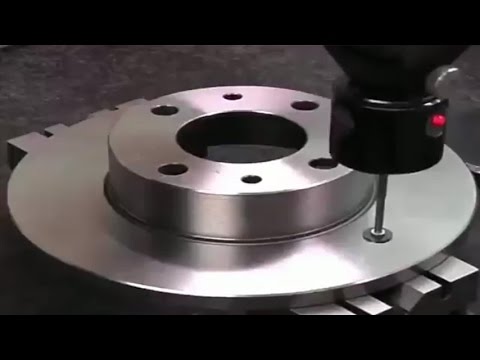
Dimensional accuracy checks if the rotor matches exact size and shape. Precise measurements avoid problems like wobbling or uneven wear. Machines measure thickness, diameter, and hole placement. Any rotor outside the allowed size range is rejected. This step prevents fitting issues during installation.
Material Integrity Tests
Material integrity tests check the rotor’s metal quality. These tests detect cracks, porosity, or weak spots inside the metal. Techniques such as ultrasonic or magnetic particle inspection are common. Good material ensures the rotor can handle heat and stress. Bad material can cause failure and danger on the road.
Balancing Checks
Balancing checks ensure the rotor spins evenly without vibration. Imbalanced rotors cause noise and reduce brake performance. Machines spin the rotor and measure balance. Small weights may be added to fix imbalances. Balanced rotors provide smooth braking and longer brake life.
Credit: carfromjapan.com
Coating And Protection
Coating and protection are vital steps in making brake rotors. These steps keep the rotors safe from rust and wear. They also help the rotors last longer and work better under tough conditions.
Anti-corrosion Treatments
Brake rotors face moisture and dirt on the road. This can cause rust and damage. Anti-corrosion treatments stop rust from forming. Manufacturers apply a special layer that protects the metal. This layer keeps the rotor strong and clean. It also helps maintain good brake performance.
Surface Coatings
Surface coatings add extra protection to brake rotors. These coatings reduce wear and tear during braking. They also help keep the rotors cool by improving heat dissipation. Some coatings make the rotors look shiny and new. Others create a smooth surface to reduce noise and vibration.
Final Assembly And Packaging
The final assembly and packaging of brake rotors is a crucial step in the manufacturing process. It ensures the product is ready for safe use and easy delivery. At this stage, all parts come together, and the rotor undergoes strict quality checks.
Component Integration
During component integration, the rotor is combined with other essential parts. This may include the hub, bearings, and mounting hardware. Each part is carefully fitted to ensure perfect alignment and function. Workers inspect the assembly to confirm everything meets exact standards. This step guarantees the rotor will perform well under pressure and heat.
Packaging For Shipment
Packaging protects the brake rotors during transport and storage. Each rotor is wrapped in protective materials to prevent scratches and damage. They are placed in sturdy boxes designed to hold their weight securely. Labels with product details and handling instructions are added. Proper packaging helps the rotors arrive safely at stores or workshops, ready for installation.
Frequently Asked Questions
How Are Brake Rotors Manufactured?
Brake rotors are made by casting molten metal into molds. The metal cools and solidifies, then rotors are machined for precision.
What Materials Are Used For Brake Rotors?
Most brake rotors are made from cast iron. Some use carbon composites or steel for high-performance needs.
Why Is Machining Important For Brake Rotors?
Machining ensures rotors have a smooth surface and exact thickness. This improves braking efficiency and reduces noise.
How Do Manufacturers Test Brake Rotors?
Manufacturers test rotors for durability, heat resistance, and balance. This guarantees safety and reliable performance on vehicles.
Conclusion
Brake rotors play a key role in vehicle safety and performance. The making process uses strong materials and precise steps. Each rotor is designed to handle heat and wear. Knowing how they are made helps you appreciate their quality. Next time you drive, remember the care behind these parts.
Quality rotors keep your brakes working well and your ride safe. Understanding this process can guide better choices for car maintenance. Simple, strong, and reliable—that’s how good brake rotors are made.


