

Is your vehicle acting up, losing power, or struggling to start? The culprit might be a dirty fuel filter.
But don’t worry—you don’t have to rush to the mechanic just yet. You can clean your fuel filter yourself and save time and money. In this guide, you’ll discover simple, step-by-step methods to clean your fuel filter safely and effectively.
Keep reading, and you’ll gain the confidence to improve your vehicle’s performance right now.
Signs Of A Dirty Fuel Filter
A fuel filter keeps dirt and rust from reaching your engine. Over time, it gets clogged. A dirty fuel filter causes problems that affect your car’s performance. Recognizing these signs helps you know when to clean or replace it.
Engine Performance Issues
The engine may run rough or stall. You might notice a loss of power. Acceleration can feel slow or weak. The engine might hesitate or sputter while driving. These symptoms happen because the fuel flow is blocked.
Fuel Efficiency Drop
Your car uses more fuel than usual. You may need to refuel more often. A clogged fuel filter makes the engine work harder. This reduces fuel efficiency. Watching your fuel use can reveal filter problems early.
Starting Problems
The engine may take longer to start or fail to start. You might hear the starter turning without the engine firing. A dirty fuel filter can stop fuel from reaching the engine. This causes hard starting or no start at all.
Tools And Materials Needed
Cleaning a fuel filter requires specific tools and materials. Preparing these items before starting makes the task easier and safer. This section lists everything needed to clean a fuel filter properly.
Protective Gear
Wear safety glasses to protect your eyes from fuel splashes. Use gloves to keep your hands clean and safe. Long sleeves help avoid skin contact with fuel. Work in a well-ventilated area to prevent inhaling fumes.
Cleaning Supplies
Get a clean container to catch fuel drained from the filter. Use a soft brush or cloth to remove dirt from the filter surface. A mild solvent or fuel system cleaner helps clear blockages. Paper towels or rags are useful for wiping and drying parts.
Replacement Parts
Have a new fuel filter ready if the old one is too dirty or damaged. Check the fuel filter size and type before buying. Keep extra clamps or seals handy for a secure fit after cleaning.
Safety Precautions
Cleaning a fuel filter involves handling flammable liquids. Safety comes first. Taking precautions protects you from accidents and health risks. Follow these safety tips carefully to stay safe during the process.
Work In A Well-ventilated Area
Fuel fumes can be harmful if inhaled for long periods. Always clean the fuel filter in a place with good air flow. Open windows and doors or work outside. This reduces the chance of breathing in dangerous fumes.
Avoid Open Flames
Fuel is highly flammable. Keep all sparks, flames, and smoking materials away. Turn off engines and electrical devices nearby. This prevents fires or explosions while cleaning the filter.
Proper Disposal Of Fuel
Used fuel and contaminated liquids must not be poured down drains. Collect them in a safe container. Take the waste to a local hazardous waste disposal site. This protects the environment and follows legal rules.

Credit: www.youtube.com
Locating The Fuel Filter
Finding the fuel filter is the first step in cleaning it. Knowing its exact location saves time and avoids mistakes. This part is crucial for keeping your engine running smoothly. Fuel filters stop dirt and rust from reaching the engine. They need to be clean to work well.
Consulting The Vehicle Manual
The vehicle manual is the best source for fuel filter location. It gives clear instructions and diagrams. Manuals often show part names and where to find them. Check the index or contents for “fuel filter.” Manuals vary by car model and year. Follow the manual’s guidance carefully to avoid damage.
Common Fuel Filter Locations
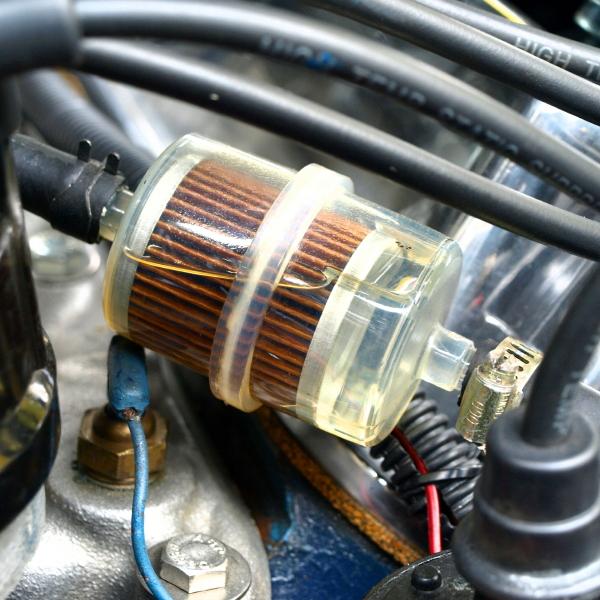
Fuel filters usually sit along the fuel line. Most cars have them near the fuel tank or engine. Some filters are inside the engine bay, near the firewall. Others attach under the car along the frame rail. In some models, the filter is in the fuel pump module. Look for a small, cylindrical part with fuel lines connected.
Removing The Fuel Filter
Removing the fuel filter is an important step in cleaning it. This process helps prevent dirt and debris from reaching the engine. Careful removal keeps the fuel system safe and ready for maintenance. Follow these steps to take out the fuel filter properly.
Relieving Fuel System Pressure
Start by reducing the fuel system pressure. This stops fuel from spraying out. Locate the fuel pump fuse or relay in the fuse box. Remove it to disable the fuel pump. Next, start the engine and let it run until it stops. This uses up the remaining fuel pressure. Turn off the ignition before moving on.
Disconnecting Fuel Lines
Wear safety glasses and gloves for protection. Find the fuel lines connected to the filter. Use a wrench or quick-release tool to loosen the fittings. Gently pull the fuel lines away from the filter. Be ready to catch any fuel that may drip out. Keep rags nearby for spills.
Detaching The Filter
Locate the mounting bracket or clips holding the filter. Use a wrench or screwdriver to remove these fasteners. Carefully pull the fuel filter out of its holder. Check the filter for dirt and damage. Dispose of the old filter properly if replacing it. Keep the area clean before installing a new filter.
Cleaning The Fuel Filter
Cleaning the fuel filter helps keep your engine running smoothly. Dirt and debris can block the filter, reducing fuel flow. Regular cleaning ensures better performance and fuel efficiency. Here is how to clean the fuel filter properly.
Using Appropriate Cleaning Solutions
Choose a cleaning solution made for fuel filters. Avoid harsh chemicals that can damage the filter. Soak the filter in the solution for 10 to 15 minutes. This loosens dirt and grime inside the filter. Use a soft brush to gently remove stubborn debris.
Drying Techniques
After cleaning, the filter must dry completely. Shake off excess liquid carefully. Place the filter in a warm, dry place. Avoid direct sunlight or high heat that can damage the filter. Allow 2 to 3 hours for full drying before reinstalling.
When To Replace Instead
Some filters cannot be cleaned properly. If the filter is damaged or very dirty, replace it. Signs include cracks, holes, or heavy clogging. Replacement keeps the fuel system safe and effective. Follow your vehicle manual for replacement intervals.
Reinstalling The Fuel Filter
Reinstalling the fuel filter is a key step after cleaning it. Proper installation helps your engine run smoothly. It stops dirt from entering the fuel system again. Take your time and follow each step carefully. This ensures safety and good performance.
Correct Orientation
Check the fuel filter for an arrow or label. This shows the direction of fuel flow. Install the filter so the arrow points toward the engine. Incorrect direction can block fuel or cause damage. Always align the filter properly before securing it.
Securing Connections
Attach the fuel lines firmly to the filter ends. Use clamps or connectors to hold the lines tight. Loose connections can cause leaks or air in the fuel system. Double-check each connection to make sure it is secure and stable.
Checking For Leaks
Start the engine and watch the filter area closely. Look for any signs of fuel dripping or wet spots. Leaks can be dangerous and reduce engine performance. Tighten any loose fittings immediately to stop leaks. Repeat the check after driving for a short time.
Testing After Cleaning
Testing after cleaning the fuel filter is important. It shows if the cleaning worked well. You can find out if the engine runs smoother and better. This step helps avoid future problems with the fuel system.
Starting The Engine
Turn on the engine carefully. Listen to the sounds it makes. The engine should start easily without hesitation. If it struggles or stalls, the fuel filter may still be blocked.
Monitoring Performance
Watch how the engine runs for a few minutes. Notice if it runs smoothly without jerks. Check if the power feels steady during acceleration. Any roughness may mean more cleaning is needed.
Fuel System Check
Look for leaks or fuel smells near the filter area. Make sure all connections are tight. Use a fuel pressure gauge if possible. Proper pressure confirms the filter is clean and working well.
Maintenance Tips For Fuel Filters
Fuel filters keep dirt and debris out of your engine. Proper maintenance helps your vehicle run smoothly. Clean fuel filters improve fuel flow and engine life.
Follow these simple tips to maintain your fuel filter well. Small steps can prevent big problems later.
Regular Inspection Schedule
Check your fuel filter every 10,000 to 15,000 miles. Look for signs of clogging or damage. Replace the filter if it looks dirty or worn. Regular checks stop dirt from reaching the engine.
Using Quality Fuel
Use clean, high-quality fuel to protect your filter. Poor fuel contains more dirt and water. These can clog the filter faster. Good fuel means less stress on the filter and engine.
When To Seek Professional Help
Some fuel filters need special tools to clean or replace. Strange engine noises or loss of power may signal filter problems. Visit a mechanic if you notice these signs. Professionals ensure the job is done safely and right.

Credit: www.youtube.com
Credit: motor.onehowto.com
Frequently Asked Questions
How Often Should I Clean My Fuel Filter?
It is recommended to clean or replace your fuel filter every 20,000 to 30,000 miles. This helps maintain optimal engine performance and fuel efficiency. Regular cleaning prevents clogging, which can cause engine stalling or poor acceleration.
What Tools Do I Need To Clean A Fuel Filter?
You will need a wrench, screwdrivers, a container to catch fuel, and a replacement fuel filter if necessary. Always wear gloves and safety glasses to protect yourself from fuel spills during cleaning.
Can I Clean A Fuel Filter Without Removing It?
Some fuel filters are designed to be cleaned without removal by using a special cleaning spray. However, most fuel filters require removal for proper cleaning or replacement to ensure thorough maintenance.
What Are Signs Of A Clogged Fuel Filter?
Common signs include engine misfires, difficulty starting, poor acceleration, and decreased fuel efficiency. If your vehicle struggles to maintain power, it’s likely time to clean or replace the fuel filter.
Conclusion
Cleaning a fuel filter keeps your engine running smooth. Regular care helps avoid costly repairs later. Always use the right tools and follow safety steps. A clean filter improves fuel flow and engine power. Remember to check the filter often and replace it when needed.
Taking time for this small task saves big trouble. Stay safe and keep your vehicle in good shape. Simple steps make a big difference in performance. Keep your fuel filter clean for better driving every day.

