

Have you noticed your car acting up lately? Maybe it’s struggling to start, or the engine feels weaker than usual.
These could be signs that your fuel filter is bad—and ignoring it might lead to bigger, more expensive problems down the road. But how can you tell if the fuel filter is really the culprit? You’ll discover simple ways to spot the warning signs and understand why a clean fuel filter is crucial for your vehicle’s health.
Keep reading to protect your car and avoid unexpected breakdowns.
Signs Of A Bad Fuel Filter
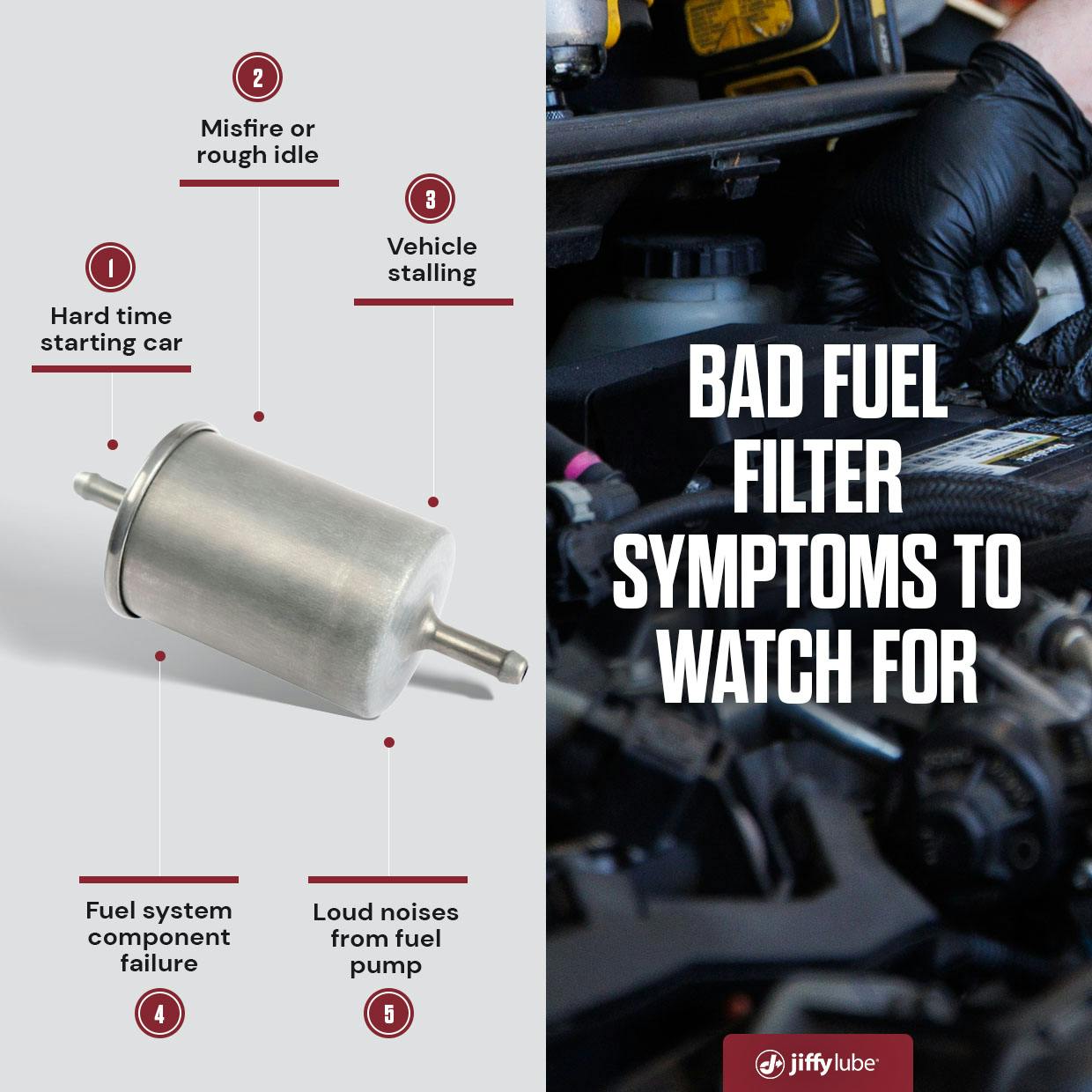
A fuel filter keeps dirt and debris from entering the engine. Over time, it can get clogged and stop working well. This can cause several problems in your vehicle. Noticing these signs early can help you avoid bigger issues and costly repairs.
Here are common signs that show your fuel filter might be bad.
Engine Performance Issues
The engine may run rough or hesitate during acceleration. You might feel a loss of power while driving uphill. The car could stall or jerk unexpectedly. These are signs that fuel is not flowing smoothly through the filter.
Starting Problems
The engine may take longer to start or fail to start at all. A clogged fuel filter limits fuel reaching the engine. This causes weak or no ignition when you turn the key. Repeated starting issues often point to fuel filter problems.
Reduced Fuel Efficiency
Your car may use more fuel than usual. A bad fuel filter affects fuel flow and engine performance. The engine works harder and burns more fuel. Noticeable drops in mileage can signal a clogged filter.
Unusual Noises
You may hear sputtering or coughing sounds from the engine. Strange noises can happen when fuel supply is inconsistent. A bad fuel filter disrupts smooth engine operation. These sounds should not be ignored.
Check Engine Light
The check engine light may come on unexpectedly. Sensors detect problems with fuel delivery. A clogged fuel filter can trigger the warning light. Use a diagnostic tool to confirm the cause.
Common Causes Of Fuel Filter Failure
The fuel filter plays an important role in keeping your engine clean. It stops dirt and debris from entering the fuel system. Over time, the filter can fail. Knowing the common causes helps you spot problems early. This way, you avoid engine trouble and costly repairs.
Contaminated Fuel
Fuel can contain dirt, rust, or water. These contaminants clog the fuel filter. Dirty fuel wears out the filter quickly. It blocks the flow of fuel to the engine. Contaminated fuel is a major cause of filter failure.
Wear And Tear
Fuel filters have a limited lifespan. Constant use causes wear and tear. Over time, the filter material breaks down. Small holes or cracks may form. This reduces the filter’s ability to clean fuel. Regular replacement is necessary to prevent failure.
Lack Of Maintenance
Skipping scheduled filter changes causes problems. Old filters become clogged and dirty. The engine struggles to get enough fuel. This leads to poor performance and stalling. Regular maintenance keeps the fuel filter in good shape.
Quick Fixes For A Bad Fuel Filter
Dealing with a bad fuel filter can be stressful. The good news is some quick fixes can help you keep moving. These solutions do not replace a full repair but can ease problems temporarily. Act fast to avoid bigger engine issues.
Using Fuel Additives
Fuel additives help clean the fuel system. They can dissolve minor clogs inside the fuel filter. Pour the additive into the gas tank as per instructions. Run the engine for some time to let it work. It may improve fuel flow and engine performance for a short time.
Temporary Bypass Solutions
In emergencies, a temporary bypass can keep the engine running. This involves redirecting fuel around the bad filter. It requires some mechanical skill and tools. Use clean tubing and clamps to avoid leaks. Remember, this is a short-term fix only. Replace the fuel filter soon after.
Cleaning The Fuel Filter
Some fuel filters can be cleaned and reused. Remove the filter carefully from the fuel line. Use a solvent or fuel-safe cleaner to wash out dirt and debris. Let the filter dry completely before reinstalling it. This cleaning can restore some filter function. Replace the filter if cleaning does not help.

Credit: www.youtube.com
When To Replace The Fuel Filter
Knowing when to replace the fuel filter keeps your car running smoothly. A clean fuel filter prevents dirt and rust from reaching the engine. Over time, the filter clogs and reduces fuel flow. This can cause engine problems and lower fuel efficiency. Watch for signs and follow mileage guides to know the right time for replacement.
Mileage Recommendations
Most car makers suggest changing the fuel filter every 20,000 to 40,000 miles. Check your vehicle’s manual for exact numbers. Some cars have filters that last longer, while others need more frequent changes. Driving in dusty or rough areas may require earlier replacement. Sticking to mileage recommendations helps avoid engine damage.
Signs Replacement Is Necessary
Look for engine hesitation during acceleration. The car may stall or have trouble starting. Poor fuel economy can also signal a clogged filter. Notice unusual engine sounds or loss of power on hills. These signs mean the fuel filter is not working well. Changing it quickly can restore performance and save repair costs.
Diy Fuel Filter Replacement Tips
Replacing a fuel filter on your own can save money and time. It also gives you a better understanding of your vehicle’s fuel system. The process is straightforward with the right tools and steps. Follow these tips for a smooth DIY fuel filter replacement.
Tools You’ll Need
- New fuel filter compatible with your car model
- Wrenches or socket set
- Screwdrivers (flathead and Phillips)
- Fuel line disconnect tool (if needed)
- Container for catching fuel spills
- Rags for cleaning up
- Safety gloves and goggles
Step-by-step Replacement Guide
- Locate the fuel filter under your vehicle or near the engine.
- Relieve fuel system pressure by disconnecting the fuel pump fuse and starting the engine until it stops.
- Wear gloves and goggles to protect yourself from fuel.
- Place a container under the filter to catch any fuel drips.
- Use wrenches or the disconnect tool to remove fuel lines from the old filter.
- Remove the old filter carefully and note the flow direction.
- Install the new filter in the correct direction.
- Reconnect the fuel lines securely.
- Put back the fuel pump fuse and start the engine to check for leaks.
Safety Precautions
- Work in a well-ventilated area to avoid inhaling fuel fumes.
- Keep a fire extinguisher nearby due to flammable fuel.
- Do not smoke or use open flames during replacement.
- Wear protective gloves and eyewear at all times.
- Dispose of old fuel and filter properly according to local laws.
- Clean up any fuel spills immediately to prevent hazards.

Credit: oilchangers.com
Preventing Fuel Filter Problems
Preventing fuel filter problems helps your vehicle run smoothly. A clean fuel filter keeps dirt and debris out of your engine. This saves you from costly repairs and poor engine performance. Taking simple steps can extend the life of your fuel filter. It also improves your car’s fuel efficiency and power.
Regular Maintenance Schedule
Follow the car manual for fuel filter replacement times. Changing the filter on time stops blockages. It keeps fuel flowing well to the engine. Regular checks catch problems early before they get worse. Stick to the schedule to avoid unexpected breakdowns.
Using Quality Fuel
Fill up with clean, high-quality fuel only. Cheap or dirty fuel can clog the filter fast. Good fuel protects the filter from dirt and water. This lowers the chance of damage and poor engine starts. Use trusted fuel stations to keep fuel pure.
Fuel System Inspections
Have a mechanic inspect your fuel system regularly. They check the filter, fuel lines, and pump. Early detection of issues keeps the filter working well. Inspections help find leaks or cracks that harm the system. Keep inspections part of your car care routine.
Credit: www.jiffylube.com
Frequently Asked Questions
How Do You Know If A Fuel Filter Is Clogged?
A clogged fuel filter causes engine hesitation, poor acceleration, and stalling. Check for reduced power and rough idling. If these symptoms appear, the fuel filter likely needs replacement.
What Are The Signs Of A Bad Fuel Filter?
Signs include engine misfires, difficulty starting, decreased fuel efficiency, and unusual noises. A bad fuel filter restricts fuel flow, affecting engine performance and causing these issues.
Can A Bad Fuel Filter Cause Engine Problems?
Yes, a bad fuel filter limits fuel supply, causing engine hesitation and stalling. It can also damage fuel injectors and reduce overall engine life if not replaced timely.
How Often Should You Replace A Fuel Filter?
Typically, replace the fuel filter every 20,000 to 40,000 miles. Check your vehicle’s manual for specific intervals to maintain optimal engine performance and fuel efficiency.
Conclusion
A bad fuel filter can cause many car problems. You might notice slow engine start or strange noises. Poor fuel flow makes your car lose power. Check the fuel filter regularly to keep your engine healthy. Changing it on time saves money and hassle.
Don’t ignore signs like rough idling or stalling. A clean fuel filter helps your car run smoothly. Keep your vehicle in good shape by paying attention to fuel filter health. Simple care prevents bigger engine troubles down the road.


