

You rely on your semi truck every day, and keeping it running smoothly is a top priority. One simple step that can save you from costly repairs is checking your fuel filter regularly.
But how do you check the fuel filter in a semi truck? If you’re unsure, don’t worry. This guide will walk you through the easy steps to inspect your fuel filter and keep your engine healthy. By the end, you’ll know exactly what to look for and how to take action before small problems turn into big headaches.
Keep reading to protect your truck and your wallet.
Signs Of A Clogged Fuel Filter
A clogged fuel filter can cause many problems in a semi truck. It blocks the fuel flow, making the engine work harder. Detecting these signs early helps avoid bigger engine troubles. Watch for changes in how your truck runs. These signals show the fuel filter might be dirty or blocked.
Engine Performance Issues
The engine may run rough or lose power. You might notice hesitation during acceleration. The truck could stall suddenly. These happen because the fuel flow is limited. The engine does not get enough fuel to work well.
Fuel Efficiency Drop
The truck uses more fuel than usual. You may need to fill the tank more often. A clogged fuel filter makes the engine less efficient. It forces the engine to burn more fuel to run.
Starting Problems
The engine takes longer to start or won’t start at all. This happens because fuel cannot reach the engine easily. A blocked fuel filter stops fuel from flowing freely. This makes the starting process difficult or slow.
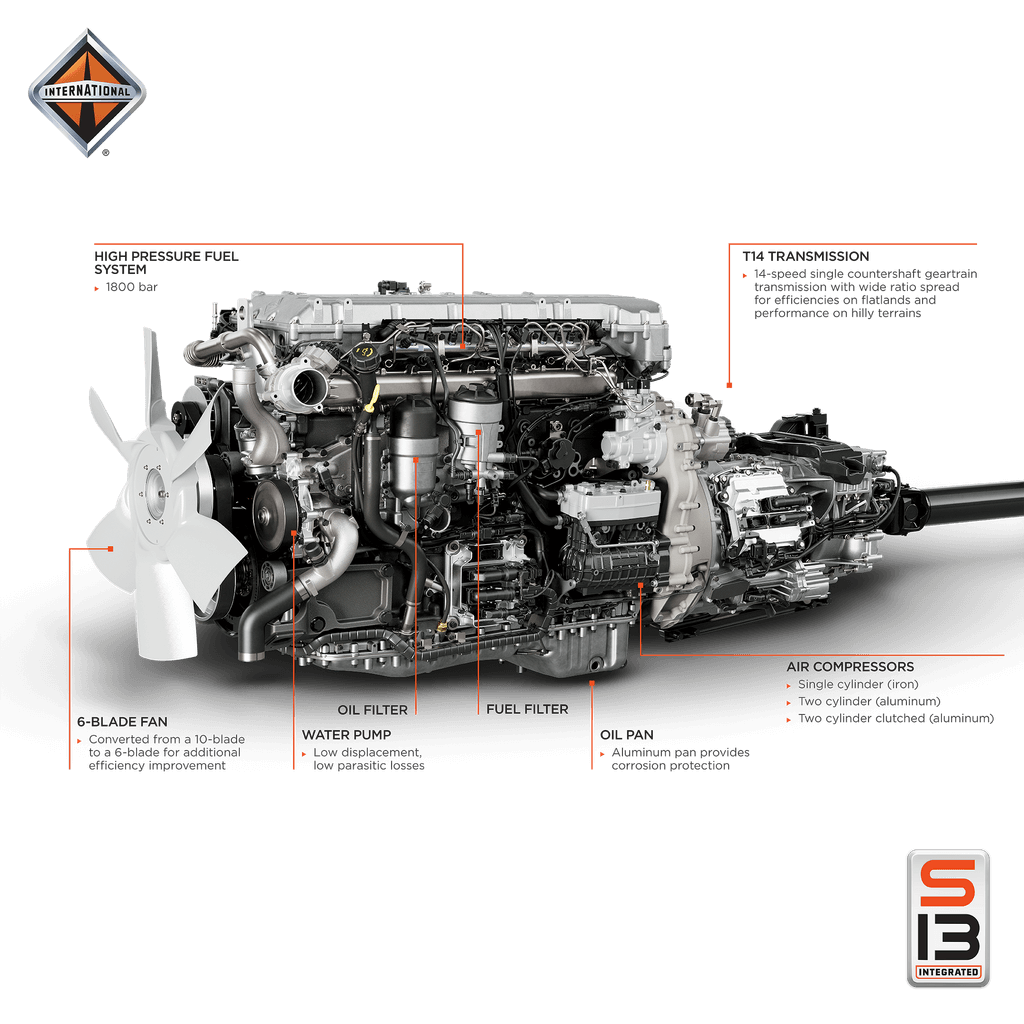
Credit: holttruckcenters.com
Tools Needed For Inspection
Checking the fuel filter in a semi truck requires the right tools. These tools help you inspect the filter safely and effectively. Having everything ready saves time and effort during the inspection process.
Basic Hand Tools
Start with simple hand tools. A wrench set helps remove fuel filter bolts. Screwdrivers are needed to open clamps or covers. Pliers assist in handling hoses and small parts. Keep a clean rag nearby to wipe spills. A container is useful to catch any leaking fuel.
Safety Equipment
Safety comes first. Wear gloves to protect your hands from fuel and dirt. Safety glasses keep your eyes safe from splashes. Use protective clothing to avoid stains and burns. Make sure to work in a well-ventilated area to avoid inhaling fumes. Have a fire extinguisher nearby for emergencies.
Locating The Fuel Filter
Finding the fuel filter in a semi truck is the first step to check it properly. Knowing the exact spot saves time and effort. It also helps avoid damage to other parts. Every truck can be a little different. But most fuel filters follow common patterns.
Common Filter Locations
Fuel filters usually sit near the engine or fuel tank. Many are mounted on the frame rail under the truck. Some are inside the engine bay for easy access. Look for a small canister or cartridge with fuel lines attached. The filter can be round or cylindrical. Check both sides of the truck. Some trucks have more than one filter.
Access Tips
Clear the area around the filter before checking. Use gloves to protect your hands. A flashlight helps to see in dark spots. Sometimes you must remove panels or covers. Keep tools ready to loosen clamps or bolts. Be careful not to spill fuel. Prepare a container to catch any drips. Take your time to avoid mistakes.

Credit: www.youtube.com
Steps To Check The Fuel Filter
Checking the fuel filter in a semi truck is important for smooth engine performance. A clean fuel filter stops dirt and debris from reaching the engine. Follow these simple steps to check your fuel filter effectively. This guide helps keep your truck running well and avoids costly repairs.
Preparing The Truck
Park the truck on a flat surface. Turn off the engine and remove the keys. Let the engine cool down to avoid burns. Open the hood and find the fuel filter location. Wear gloves and safety glasses for protection. Have a container ready to catch any spilled fuel.
Removing The Filter
Loosen the clamps or bolts holding the fuel filter. Carefully disconnect the fuel lines from the filter. Use rags to catch any fuel leaks. Remove the old fuel filter from its housing. Check the filter for any signs of heavy clogging or damage.
Inspecting For Dirt And Damage
Look inside the fuel filter for dirt, rust, or debris. Check the filter’s casing for cracks or leaks. If dirt or damage appears, replace the filter immediately. A clean filter improves fuel flow and engine life. Always install a new filter with the correct orientation.
When To Replace The Fuel Filter
Knowing when to replace the fuel filter in a semi truck is important for engine health. A clean fuel filter keeps dirt and debris out of the engine. Replacing the filter on time helps avoid costly repairs and downtime. Check the fuel filter regularly and watch for signs that it needs changing.
Manufacturer Recommendations
Truck makers give specific advice on fuel filter replacement. Check the owner’s manual for the recommended interval. Most suggest changing the filter every 15,000 to 30,000 miles. Follow these guidelines to keep your truck running well. Different engines and fuel types may need different schedules. Stick to the plan for best results.
Signs Of Wear
Watch for signs that the fuel filter is dirty or clogged. A rough engine idle or trouble starting can be red flags. Reduced power or poor fuel efficiency may also show a bad filter. Dark fuel stains or leaks near the filter are warning signs. Replace the filter immediately if any of these appear. Early action protects the engine and saves money.
Fuel Filter Maintenance Tips
Maintaining the fuel filter in a semi truck is crucial for smooth engine performance. Clean fuel filters stop dirt and rust from reaching the engine. This keeps the fuel system healthy and extends engine life.
Regular care of the fuel filter helps avoid costly repairs. It also improves fuel efficiency and reduces engine wear. Follow simple steps to keep the fuel filter in good shape.
Regular Inspection Schedule
Check the fuel filter on a set schedule. Inspect it every 10,000 to 15,000 miles or as advised by the truck manufacturer. Look for signs of clogging, dirt, or rust buildup. Replace the filter sooner if driving in dusty or rough conditions. Keep records of each inspection to track filter health.
Using Quality Filters
Choose fuel filters made by trusted brands. Good quality filters trap more dirt and last longer. Avoid cheap or unbranded filters as they may fail early. Using the right filter model for your truck ensures proper fit and function. Quality filters protect the engine better and improve fuel flow.

Credit: www.g2dieselproducts.com
Frequently Asked Questions
How Do I Locate The Fuel Filter In A Semi Truck?
The fuel filter is usually near the fuel tank or engine. Check your truck’s manual for exact location. It’s often housed in a metal or plastic casing.
What Tools Are Needed To Check A Semi Truck Fuel Filter?
You typically need a wrench, screwdriver, and a catch pan. Some filters require special tools, so check your manual. Always wear gloves and safety glasses.
How Often Should I Check The Fuel Filter In A Semi Truck?
Check your fuel filter every 15,000 to 30,000 miles. Regular checks prevent engine damage and maintain fuel efficiency. Follow manufacturer recommendations for best results.
What Are Signs Of A Clogged Semi Truck Fuel Filter?
Look for engine sputtering, loss of power, or difficulty starting. A clogged filter reduces fuel flow and engine performance. Address these signs immediately to avoid costly repairs.
Conclusion
Checking the fuel filter in a semi truck keeps the engine running smooth. A clean filter stops dirt from reaching important parts. Regular checks help avoid costly repairs and delays. Follow simple steps to inspect and replace the filter safely.
Stay on top of maintenance to keep your truck working well. Taking care of the fuel filter saves time and money. Keep your semi truck ready for the road ahead.


