

Are you wondering how to get the right brakes and rotors for your RV? Finding the perfect match can feel confusing and overwhelming.
You want to keep your RV safe on the road, but where do you start? This guide will help you understand exactly what you need and where to find it. By the end, you’ll feel confident choosing quality brakes and rotors that fit your RV perfectly.
Keep reading, and let’s make your next trip safer and smoother.
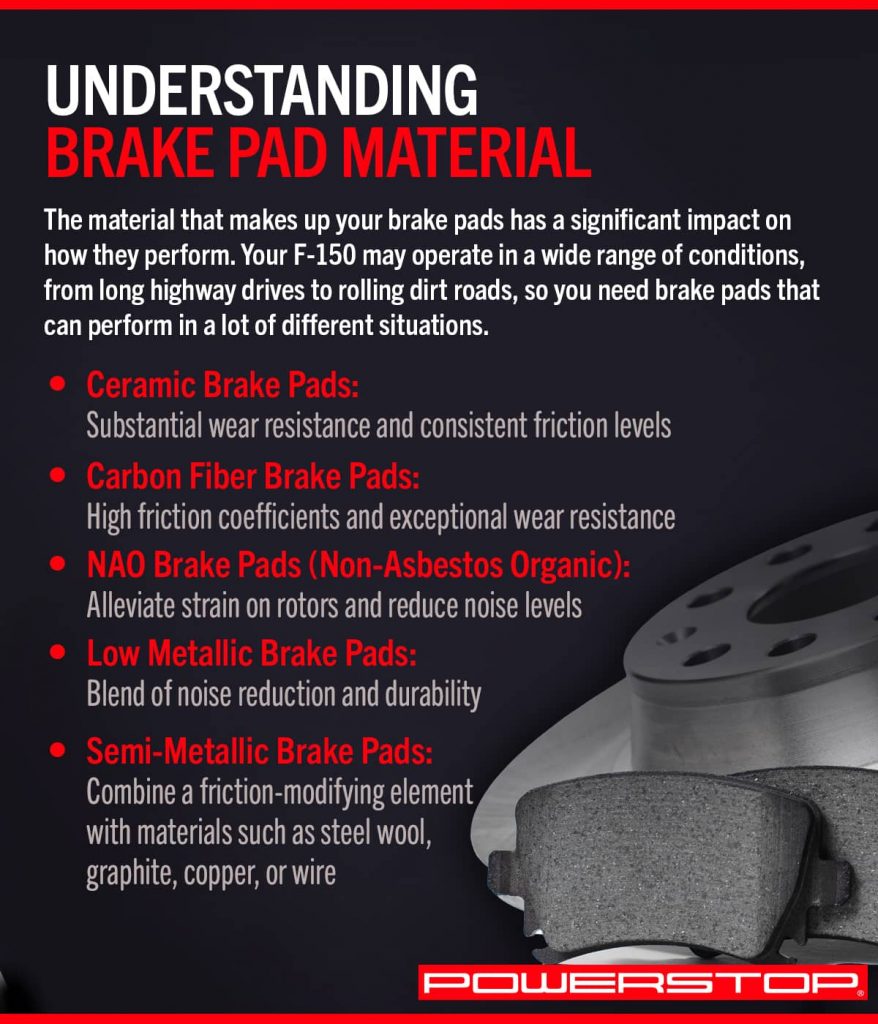
Credit: www.powerstop.com
Types Of Rv Brakes
Choosing the right brakes for your RV is important for safety and performance. RV brakes come in different types, each with unique features. Knowing these types helps you pick the best option for your vehicle. Below are the main types of RV brakes used by most owners.
Electric Brakes
Electric brakes use an electric current to work. They are common in trailers and smaller RVs. When you press the brake pedal, electricity activates the brake magnets. These magnets press the brake shoes against the drum. This slows down the RV smoothly. Electric brakes are easy to install and maintain.
Hydraulic Brakes
Hydraulic brakes use fluid pressure to stop the RV. Pressing the brake pedal pushes brake fluid through lines. This pressure moves pistons that squeeze the brake pads on rotors. Hydraulic brakes offer strong, reliable stopping power. They work well for heavier RVs and provide smoother braking.
Air Brakes
Air brakes use compressed air to apply the brakes. Air pressure activates brake chambers that push the brake shoes. These brakes are common on large RVs and buses. They provide powerful braking for heavy loads. Air brakes need an air compressor and more maintenance but are very effective.
Choosing The Right Rotors
Choosing the right rotors for your RV is key to safe and smooth driving. Rotors help stop your vehicle by working with the brake pads. Picking the correct type and size affects braking power and durability. Consider several factors before buying rotors. This guide will help you understand what to look for.
Material Options
Rotors come in different materials. Cast iron is common and affordable. It handles heat well but is heavier. Steel rotors last longer but cost more. Some rotors have special coatings to resist rust. Choose a material that fits your budget and driving style.
Rotor Sizes
Size matters for rotor performance. Larger rotors cool better and improve braking. Smaller rotors weigh less but may wear faster. Check your RV’s manual for the right rotor diameter and thickness. Using the correct size keeps brakes balanced and safe.
Compatibility Factors
Not all rotors fit every RV model. Check the bolt pattern and rotor shape carefully. Match the rotor type to your brake system, such as vented or solid rotors. Confirm compatibility to avoid installation issues and ensure proper braking function.
Signs You Need New Brakes And Rotors
Brakes and rotors are key for your RV’s safety. They stop the vehicle and keep control on the road. Worn brakes and rotors can cause danger and damage. Knowing the signs helps you act fast. This keeps your RV safe and working well.
Watch for noises, vibrations, or changes in braking. These signs often mean it’s time for new parts. Early action saves money and stress later.
Common Brake Issues
Squeaking or grinding sounds during braking show brake wear. This noise means the brake pads are thin or damaged. Soft or spongy brake pedals can mean air or fluid leaks. Your RV may pull to one side when braking. This uneven pull points to brake problems. Longer stopping distances than usual are a clear warning. They suggest the brakes are weak and need replacement.
Rotor Wear Indicators
Rotors wear down with use and heat. Look for grooves or rough spots on the rotor surface. These marks lower braking power. Thin rotors can crack or warp under stress. You might feel vibrations or shaking when braking. This means the rotors are uneven or damaged. Some rotors have wear indicators that make noise when worn out. These sounds tell you it’s time to replace them.

Credit: www.youtube.com
Where To Buy Rv Brakes And Rotors
Finding the right brakes and rotors for your RV is important for safety and performance. Knowing where to buy these parts helps you get the best fit and price. Several places offer quality RV brakes and rotors, each with its own benefits. Explore your options below to choose the best source for your needs.
Authorized Dealers
Authorized dealers sell parts directly from RV manufacturers or trusted brands. They offer genuine, high-quality brakes and rotors made for your specific RV model. These dealers often provide expert advice and warranty support. Buying from authorized dealers ensures compatibility and peace of mind.
Online Marketplaces
Online marketplaces host many sellers offering a wide range of RV brakes and rotors. You can compare prices and read customer reviews in one place. Shopping online offers convenience and access to rare or hard-to-find parts. Check seller ratings to avoid counterfeit or poor-quality products.
Local Auto Parts Stores
Local auto parts stores carry common RV brakes and rotors for quick purchase. You get to see the parts before buying and can ask store staff for help. These stores often stock well-known brands and provide fast availability. Support local businesses while getting the parts you need nearby.
Factors To Consider Before Buying
Choosing the right brakes and rotors for your RV is important for safety and performance. Several key factors affect your decision. These factors help you find parts that last long and work well.
Think about the cost, quality, brand, and warranty. Each factor plays a role in your buying choice. Understanding these points ensures you get good value and peace of mind.
Budget And Quality Balance
Set a clear budget before shopping. Cheap parts may save money but wear out fast. High-quality brakes and rotors last longer and perform better. Find a balance between price and durability. Spending a bit more can reduce future repair costs.
Brand Reputation
Choose brands known for reliable RV brake parts. Trusted brands often use better materials and technology. Check reviews and ratings from other RV owners. A good brand reputation usually means safer and more durable products.
Warranty And Support
Look for products with a solid warranty. Warranties protect you from faulty parts and defects. Good customer support helps if you face installation or performance issues. A strong warranty shows the manufacturer’s confidence in their product.
Installation Tips For Brakes And Rotors
Installing brakes and rotors on an RV requires care and attention. Doing it right ensures safety and performance. Follow clear steps to avoid costly mistakes. This guide helps you understand the basics for a smooth installation process.
Professional Vs Diy
Choosing between professional help and doing it yourself depends on skill level. Professionals have tools and experience to finish quickly and safely. DIY saves money but needs time and patience. For complex brake systems, experts are a safer choice. Simple replacements can be done at home with the right guide.
Tools Required
Gather all tools before starting. Common tools include a jack, lug wrench, brake cleaner, and torque wrench. You will also need a C-clamp or brake caliper tool to compress the pistons. Screwdrivers and pliers are useful for removing clips and pins. Having the right tools makes the job easier and safer.
Safety Precautions
Always park the RV on a flat surface. Use wheel chocks to stop movement. Wear gloves and safety glasses to protect yourself. Never work under a vehicle supported only by a jack. Use jack stands for extra support. Double-check that the parking brake is off before starting work.
Maintenance For Longer Lifespan
Maintaining brakes and rotors is key to their long life in your RV. Proper care helps avoid costly repairs. It also keeps your RV safe on the road. Follow simple steps to keep these parts working well.
Regular Inspections
Check your brakes and rotors often. Look for signs of wear or damage. Listen for strange noises when braking. Early checks catch problems before they grow. Schedule inspections at least twice a year.
Cleaning And Lubrication
Keep brakes and rotors clean from dirt and dust. Use a soft brush or cloth to wipe parts gently. Apply brake-safe lubricant on moving parts only. Avoid getting lubricant on brake pads or rotors. Clean parts work better and last longer.
When To Replace Parts
Change brake pads if they are thin or cracked. Replace rotors if they show deep grooves or warping. Pay attention to vibrations when braking. Delayed replacement can cause more damage. Follow manufacturer’s guidelines for replacement intervals.
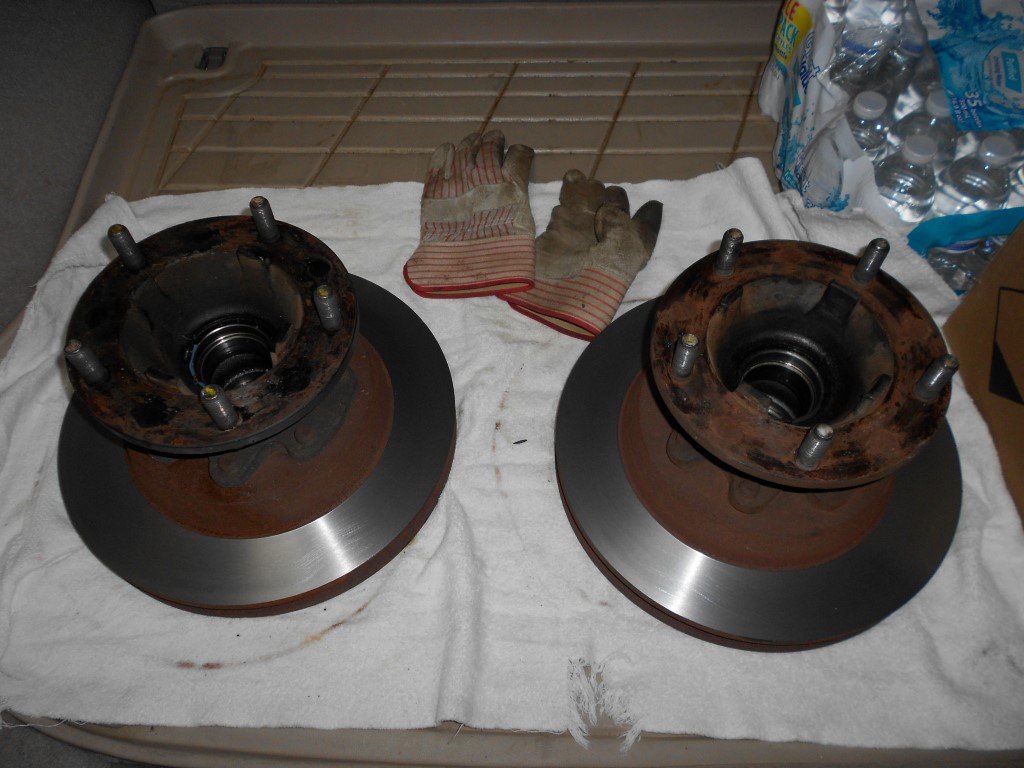
Credit: jdfinley.com
Frequently Asked Questions
Where Can I Buy Rv Brakes And Rotors?
You can buy RV brakes and rotors online or at local auto parts stores. Look for specialized RV parts dealers for quality products. Always check compatibility with your RV model before purchasing to ensure safety and performance.
How Do I Choose The Right Brakes For My Rv?
Choose brakes based on your RV’s weight, size, and towing capacity. Consult your RV manual or manufacturer for recommended brake types. High-quality brakes ensure better stopping power and safety during travel.
Can I Install Rv Brakes And Rotors Myself?
Yes, if you have mechanical skills and proper tools, you can install them yourself. Follow the manufacturer’s installation guide carefully. Otherwise, seek professional help to avoid safety risks and ensure proper installation.
How Often Should Rv Brakes And Rotors Be Replaced?
Replace brakes and rotors every 30,000 to 50,000 miles or when worn out. Regular inspections help detect wear early. Timely replacement ensures safe braking and prevents damage to other components.
Conclusion
Choosing the right brakes and rotors for your RV takes time and care. Focus on quality parts that match your vehicle’s needs. Check compatibility, durability, and safety first. Buying from trusted sellers helps ensure good results. Proper installation keeps your RV running smoothly and safely.
Regular maintenance extends brake life and protects your travels. Small steps now save big trouble later. Stay safe on every trip with the right brake setup.


