

Have you noticed strange noises or a shaky feeling when you hit the brakes? Wondering if your car’s brakes and rotors need attention before it becomes a bigger problem?
Knowing when to replace these parts isn’t always easy, but it’s crucial for your safety and your wallet. You’ll learn simple signs to watch for and what to do next. Keep reading to make sure your brakes are ready to keep you safe on the road.

Credit: www.youtube.com
Common Brake Problems
Brakes and rotors are vital for your car’s safety. Knowing common brake problems helps you spot issues early. This saves money and keeps you safe on the road. Watch for signs your brakes might need attention.
Squeaking And Grinding Noises
Squeaking sounds often mean brake pads are wearing thin. The noise acts as a warning to replace them soon. Grinding noises are more serious. They mean the pads are gone, and metal is rubbing on metal. This can damage rotors and needs quick repair.
Vibrations When Braking
Feeling vibrations through the brake pedal or steering wheel is a red flag. This often means the rotors are warped or uneven. Warped rotors reduce brake efficiency and can be dangerous. Check your brakes if you notice shaking while stopping.
Reduced Brake Responsiveness
Brakes that take longer to stop your car need checking. This may happen due to worn pads or damaged rotors. Soft or spongy brake pedals also show brake fluid or system issues. Do not ignore slow or weak brakes.
Rotor Issues To Spot
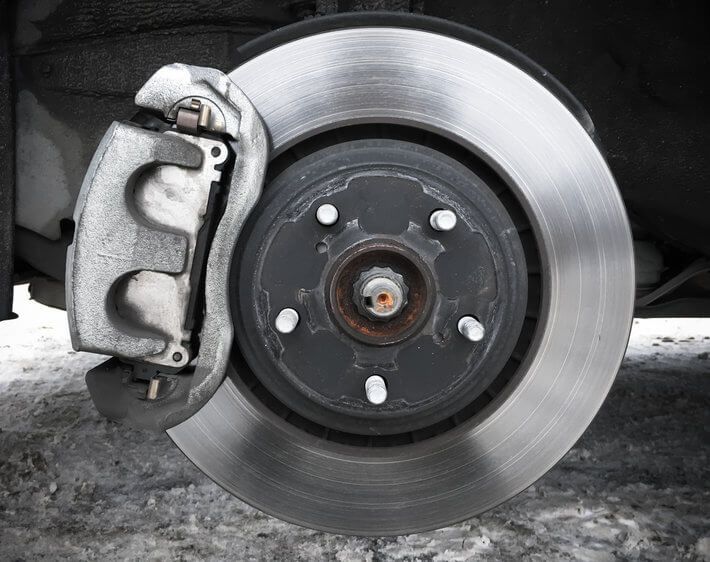
Rotors are a key part of your car’s braking system. They work with the brake pads to stop your vehicle safely. Over time, rotors can wear out or get damaged. Spotting rotor issues early helps prevent bigger problems. Watch for signs that suggest your rotors need attention. These signs affect your car’s safety and driving comfort.
Visible Grooves And Scoring
Check your rotors for deep lines or grooves on the surface. These marks happen when brake pads press hard or wear unevenly. Grooves reduce braking power and cause noise. If you see these marks, your rotors might need resurfacing or replacement. Smooth rotors help brakes work better and last longer.
Warped Rotors And Pulsing Pedal
Warped rotors cause vibrations when braking. You may feel a pulsing or shaking in the brake pedal. This happens because the rotor surface is uneven. Warping often results from heat build-up or heavy braking. Warped rotors lower brake effectiveness and can be dangerous. Fixing this issue improves your control and safety.
Excessive Brake Dust
Brake dust is normal, but too much dust can signal rotor wear. Dust builds up from brake pad and rotor friction. Excessive dust may mean your rotors are rough or damaged. This dust can also make your wheels look dirty fast. Clean dust regularly and check your rotors for damage during brake service.
Brake Pad Wear Signs
Brake pads are a vital part of your car’s safety system. They press against the rotors to stop your vehicle. Over time, brake pads wear down. This can make stopping harder and less safe. Watch for signs of brake pad wear. Early detection helps avoid costly repairs and keeps you safe on the road.
Thickness Check
Check the brake pad thickness regularly. Most pads start at about 10-12 millimeters thick. Replace them when they reach 3 millimeters or less. Thin pads reduce braking power and can damage rotors. You can see the pads through the wheel spokes. Use a flashlight to get a better look.
Warning Lights On Dashboard
Your car may show a brake warning light. This light signals a problem with your brake system. It can mean worn brake pads or other brake issues. Do not ignore this light. Get your brakes checked by a professional right away. This warning helps prevent brake failure.
Pulling To One Side
If your car pulls to one side when braking, pads may be unevenly worn. This causes uneven pressure on the rotors. It can make steering difficult and unsafe. Uneven wear often means one brake pad is thinner than the other. Have your brakes inspected to fix this problem.
When To Replace Brakes And Rotors
Knowing when to replace brakes and rotors is key to safe driving. Brake parts wear down over time. Ignoring signs can lead to costly repairs or accidents. Pay attention to your vehicle’s performance and routine checks. This helps you decide the right time for replacement.
Mileage And Usage Guidelines
Brake pads usually last between 30,000 and 70,000 miles. Rotors often last longer but wear depends on driving style. Frequent stop-and-go traffic or heavy loads can shorten their life. Check your owner’s manual for specific recommendations. Track your driving habits to estimate replacement needs.
Professional Inspection Tips
Mechanics look for pad thickness and rotor condition. Thin or cracked rotors mean replacement is necessary. Listen for squealing or grinding sounds during braking. These noises signal worn parts. Regular inspections catch problems early. Schedule checks at least once a year or every 12,000 miles.
Cost Considerations
Brake pad replacement costs less than rotor repair. Rotors may need resurfacing or full replacement. Prices vary by vehicle model and part quality. Ignoring small issues can increase repair bills. Investing in timely maintenance saves money over time.
Maintaining Brake Health
Maintaining brake health is key to safe driving and long-lasting vehicle parts. Good brakes stop your car quickly and smoothly. They also protect you and others on the road.
Checking and caring for your brakes can save money. It helps avoid costly repairs later. Simple steps keep your brakes in top shape.
Regular Brake Fluid Checks
Brake fluid helps your brakes work well. It moves pressure from the brake pedal to the brake pads. Over time, this fluid can get dirty or low. Dirty fluid makes brakes less effective. Low fluid can cause brake failure. Check your brake fluid level often. Replace the fluid if it looks dark or dirty.
Driving Habits That Extend Brake Life
Driving style affects brake wear. Smooth, steady braking lasts longer than hard stops. Avoid slamming on the brakes. Use engine braking by slowing down with your foot off the gas. Keep a safe distance from cars ahead. This reduces the need for sudden stops. These habits help your brakes last longer.
Scheduled Maintenance Importance
Follow your car’s maintenance schedule for brakes. Mechanics check brake pads, rotors, and fluid. They find problems early before they get worse. Timely repairs keep brakes working well. Scheduled visits keep your car safe and reliable. Don’t skip brake inspections during regular service.

Credit: www.youtube.com
Credit: www.tiresplus.com
Frequently Asked Questions
How Can I Tell If My Brakes Need Replacing?
If you hear squealing or grinding noises, your brakes likely need replacement. Reduced responsiveness or vibration while braking are also signs. Check brake pad thickness regularly to avoid damage to rotors.
What Are The Signs Of Worn Brake Rotors?
Worn rotors cause pulsating or vibrating when braking. You might feel a noticeable shudder or hear scraping sounds. Visual inspection can reveal grooves or rust on the rotor surface.
How Often Should Brake Pads And Rotors Be Checked?
Brake pads and rotors should be inspected every 10,000 to 15,000 miles. Regular checks ensure safety and prevent costly repairs. Follow your vehicle’s maintenance schedule for optimal performance.
Can I Drive With Bad Brakes Or Rotors?
Driving with damaged brakes or rotors is unsafe and risky. It can lead to longer stopping distances and potential accidents. Have a professional inspect and repair them immediately if you notice problems.
Conclusion
Knowing when to change brakes and rotors keeps your car safe. Watch for noises, vibrations, or longer stopping distances. These signs show wear or damage needing attention. Regular checks help prevent costly repairs later. Don’t wait until problems get worse.
Taking care of brakes and rotors protects you and others on the road. Stay alert and act quickly to keep your vehicle running smoothly. Your safety matters most.


