Are you wondering if your brake rotors need replacing but aren’t sure what signs to look for? Your brakes are one of the most important parts of your vehicle, and knowing when your rotors are worn out can keep you safe on the road.
Ignoring the warning signs can lead to costly repairs or even dangerous situations. You’ll discover the simple ways to tell if your brake rotors are failing and what you should do next. Keep reading to protect yourself and your car before it’s too late.
Credit: a1clovis.com
Signs Of Worn Brake Rotors
Worn brake rotors show clear signs that you should not ignore. These signs help you identify problems early and keep your vehicle safe. Knowing what to watch for can save you time and money on repairs. Below are common signs of worn brake rotors that every driver should know.
Vibrations When Braking
Feel vibrations in the brake pedal or steering wheel? This often means the rotors are warped. Warped rotors create uneven contact with brake pads. This causes the shaking sensation when you press the brakes. Vibrations can increase over time and affect control.
Unusual Noises
Hearing squealing, grinding, or scraping sounds during braking is a warning. These noises suggest the rotors may be damaged or worn thin. Grinding sounds often mean the brake pads have worn down to the metal. It damages the rotors and reduces braking power.
Visible Rotor Damage
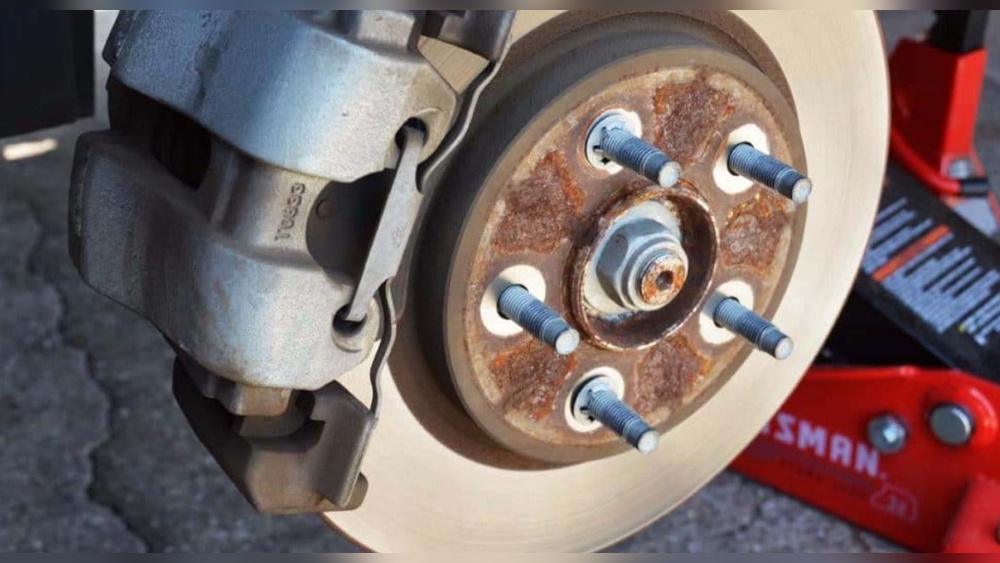
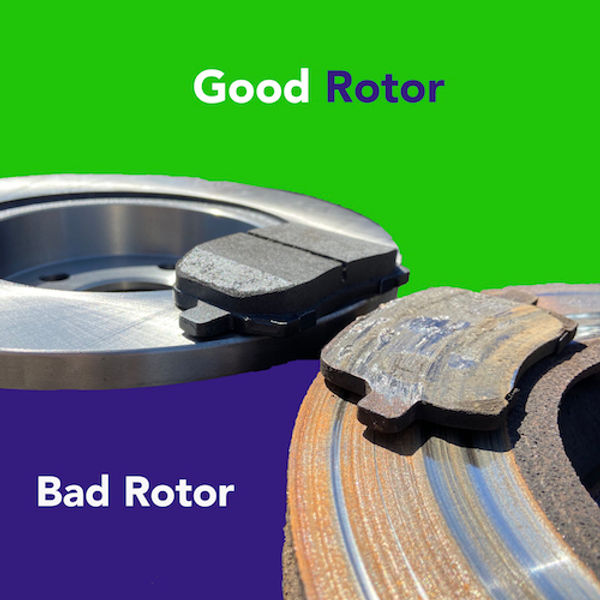
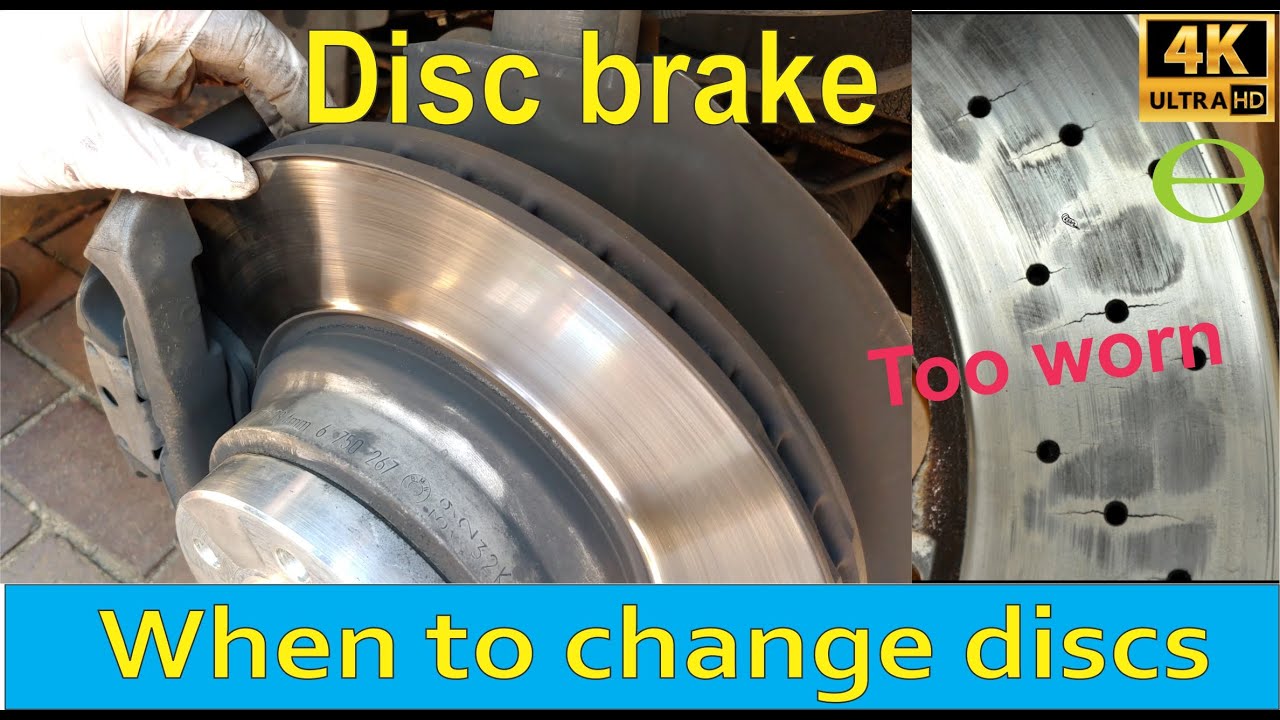
Check your rotors for cracks, deep grooves, or scoring. These are signs of excessive wear or heat damage. Rust or discoloration can also show rotor problems. Visible damage usually means the rotors need replacement or resurfacing.
Brake Pedal Response Issues
A soft or spongy brake pedal feel points to rotor or brake system issues. The brakes may also respond slower than usual. This reduces your ability to stop quickly and safely. Poor brake pedal response is a serious sign of worn rotors.
Credit: www.reddit.com
Causes Of Rotor Wear
Brake rotors wear down over time. Many factors cause this wear. Knowing these causes helps you spot rotor problems early. It also guides you on when to replace them. Understanding the reasons behind rotor wear keeps your car safe and your brakes working well.
Normal Wear And Tear
Rotors naturally wear out as you drive. Every time you brake, the pads press against the rotor. This friction slowly thins the rotor surface. Over thousands of miles, this causes grooves and unevenness. Normal wear happens even with careful driving.
Driving Habits Impact
How you drive affects rotor life. Hard braking causes more heat and friction. This speeds up rotor damage. Frequent stop-and-go driving also adds stress. Riding the brakes or braking late makes rotors wear faster. Smooth, gentle braking helps rotors last longer.
Environmental Factors
Road conditions and weather affect rotors too. Driving on rough or gravel roads causes small chips. Salt and moisture lead to rust and corrosion. Hot weather can cause rotors to overheat and warp. Cold weather makes metal contract, sometimes causing cracks. Clean rotors regularly to reduce damage.
How To Inspect Brake Rotors
Knowing how to inspect brake rotors helps keep your car safe. Brake rotors wear out over time and need checking regularly. You can spot problems early by doing simple checks yourself. This saves money and avoids bigger repairs later. The steps below guide you on how to inspect your brake rotors carefully.
Visual Inspection Tips
Start by looking at the brake rotors through the wheel spokes. Check for deep grooves or cracks on the surface. Light rust is normal but thick rust can harm braking. Look for uneven wear or discoloration, which shows overheating. Also, see if the rotors are warped or bent. A warped rotor makes your brake pedal shake. Use a flashlight for better visibility in dark areas.
Measuring Rotor Thickness
Rotor thickness is key to safe braking. Use a micrometer or caliper tool to measure the rotor’s thickness. Compare your reading to the minimum thickness listed in your car’s manual. Thinner rotors cannot stop the car safely and must be replaced. Measure in several places around the rotor to check for uneven wear. Record your measurements to track rotor health over time.
When To Seek Professional Help
Some rotor issues need a mechanic’s attention. If you find deep cracks, severe warping, or uneven thickness, see a professional. Strange noises or vibrations when braking also signal rotor problems. A mechanic can confirm if rotors need replacement or resurfacing. Always get expert help if you are unsure about the rotor condition.
Risks Of Neglecting Rotor Replacement
Neglecting to replace worn brake rotors leads to serious problems. It harms your car’s braking system and puts your safety at risk. Ignoring rotor issues causes more damage and higher costs over time.
Reduced Braking Efficiency
Damaged rotors make your brakes less effective. The car takes longer to stop. This delay increases the chance of accidents. Worn rotors can cause vibrations and noise when braking. These signs show your brakes are not working properly.
Increased Repair Costs
Skipping rotor replacement can damage other brake parts. Brake pads wear out faster on bad rotors. This leads to more repairs and higher bills. Fixing the whole brake system costs much more than replacing rotors early.
Safety Hazards
Unsafe rotors increase the risk of brake failure. You may lose control of the vehicle during emergency stops. This danger affects you, your passengers, and others on the road. Safe brakes are essential for every drive.
Maintenance Tips For Longer Rotor Life
Maintaining brake rotors extends their life and keeps your car safe. Simple habits help avoid early wear and costly repairs. Follow easy tips to keep rotors in good shape.
Regular Brake Checks
Check brake rotors every 10,000 miles or during tire changes. Look for cracks, grooves, or rust on the rotor surface. Listen for squealing or grinding noises when braking. These signs mean rotors might need attention. Regular inspections catch problems early and prevent bigger damage.
Driving Techniques To Reduce Wear
Brake gently and avoid sudden stops. Hard braking heats rotors and causes warping. Keep a safe distance to reduce frequent braking. Use engine braking on downhill slopes to ease brake use. Smooth driving lowers rotor wear and improves their life span.
Choosing Quality Replacement Parts
Pick rotors from trusted brands with good reviews. Cheap parts wear out faster and can damage other brake components. Match rotors to your vehicle’s make and model. Quality rotors ensure better performance and longer life. Investing in good parts saves money over time.
Credit: www.youtube.com
Frequently Asked Questions
How Can I Tell If Brake Rotors Are Worn Out?
Worn brake rotors often cause vibrations or pulsing when braking. You may also notice visible grooves or rust on the rotor surface. Uneven braking or squealing noises are additional signs your rotors may need replacing.
What Symptoms Indicate Rotor Replacement Is Necessary?
Common symptoms include brake pedal pulsation, noise, and reduced braking efficiency. Warped or cracked rotors also signal the need for replacement. If you feel shaking or hear grinding sounds, it’s time to inspect your brake rotors.
How Often Should Brake Rotors Be Replaced?
Brake rotors usually last 30,000 to 70,000 miles, depending on driving conditions. Regular inspections help catch wear early. Replace rotors if they are warped, cracked, or below the minimum thickness specified by the manufacturer.
Can I Drive With Bad Brake Rotors?
Driving with bad rotors is unsafe and can worsen brake damage. It may cause longer stopping distances and brake failure. Replace or repair damaged rotors promptly to ensure safe vehicle operation.
Conclusion
Knowing when brake rotors need replacing keeps you safe on the road. Listen for unusual noises or feel vibrations when braking. Check for visible signs like grooves or warping on the rotors. Regular inspections help catch problems early and avoid costly repairs.
Don’t wait until brakes feel weak or respond slowly. Taking action now can prevent accidents and keep your car running well. Stay alert and maintain your brakes for peace of mind every drive.