

Have you ever wondered if your brake rotors need replacing but weren’t sure how to tell? Your brakes are one of the most important safety features on your vehicle, so knowing when to replace your rotors can save you from costly repairs and dangerous situations.
You’ll discover the clear signs your rotors are worn out and what to watch for every time you hit the brakes. Keep reading to protect your car and keep your drives smooth and safe.
Brake Rotor Basics
Brake rotors are a key part of your car’s braking system. They work with brake pads to stop your vehicle safely. Understanding the basics helps you know when to replace them. This section explains what brake rotors do and the types you might find on your car.
Role Of Brake Rotors
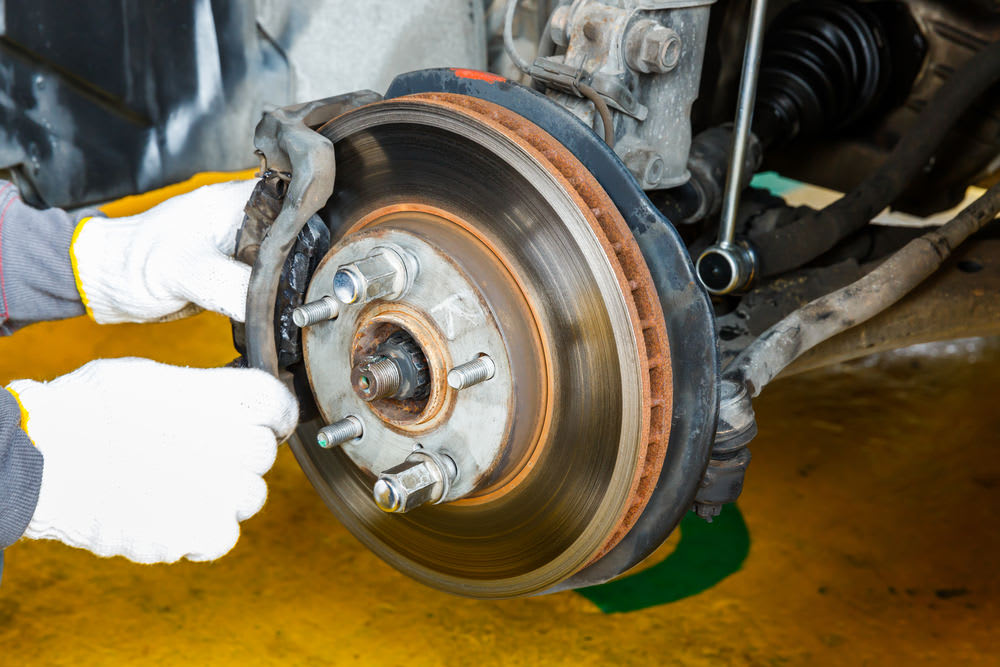
Brake rotors are round metal discs attached to the wheels. When you press the brake pedal, brake pads press against the rotors. This creates friction that slows down the wheels and stops the car. The rotors must be smooth and strong to work well.
If rotors are worn or damaged, braking becomes less effective. This can make stopping harder and unsafe. Rotors also help to spread heat away from the brakes to prevent overheating.
Types Of Rotors
There are several types of brake rotors, each with different features. The most common type is the solid rotor, which is simple and works well for everyday driving.
Another type is the vented rotor, which has internal vents to cool faster. These are often used on heavier or faster cars.
Some rotors have drilled holes or slots to improve cooling and water removal. These help maintain good braking in wet or tough conditions.
Common Rotor Wear Signs
Brake rotors wear down over time from normal use. Recognizing common wear signs helps keep your vehicle safe. These signs show when rotors need replacement. Pay attention to how your brakes look and feel. Early detection prevents bigger problems later.
Visible Cracks And Grooves
Check your rotors for cracks or deep grooves. Cracks appear as thin lines on the rotor surface. Grooves look like long scratches or cuts. These damage signs reduce braking power. They also cause uneven brake pad wear. Replace rotors with visible cracks or grooves immediately.
Rust And Corrosion
Rust builds up on rotors from moisture and road salt. Light surface rust is normal after rain. Heavy rust weakens rotor strength. Corrosion can cause rough braking and noise. Clean minor rust but replace rotors with deep corrosion. This ensures safe and smooth braking performance.
Warping Symptoms
Warped rotors cause vibration or pulsation during braking. You may feel the brake pedal shaking. The steering wheel can also vibrate. Warping happens from heat and uneven wear. It lowers brake efficiency and safety. Inspect rotors if you notice these signs. Replace warped rotors to restore smooth braking.
Performance Changes To Notice
Performance changes in your vehicle’s braking system can signal worn brake rotors. Noticing these changes early helps keep driving safe. Pay attention to sounds, feelings, and how your brakes respond. These signs show when rotor replacement might be needed.
Squealing Or Grinding Noises
Squealing sounds often mean the brake pads are worn. If you hear grinding noises, the rotors may be damaged. These noises occur during braking and get louder over time. Ignoring these sounds can cause more damage and costly repairs.
Vibrations When Braking
Feeling vibrations in the brake pedal or steering wheel is a warning. Warped rotors cause this shaking sensation. Vibrations usually happen when you press the brake hard or slowly. This issue lowers your control and comfort while driving.
Reduced Braking Efficiency
Longer stopping distances or a soft brake pedal show poor brake performance. Worn rotors reduce friction needed to stop the car quickly. This problem can be dangerous in traffic or emergencies. Make sure your brakes feel firm and stop the car promptly.

Credit: www.hawkperformance.com
Measurement And Inspection Tips
Knowing when to replace brake rotors is key for safe driving. Regular measurement and inspection help spot issues early. This section explains simple tips to check rotor health. Learn how to measure thickness, check surface condition, and why professional help matters.
Rotor Thickness Check
Use a micrometer or caliper to measure rotor thickness. Compare the result to the minimum thickness listed in your car’s manual. If the rotor is thinner than the limit, it needs replacement. Thin rotors can cause poor braking and heat damage. Check thickness at several points around the rotor.
Surface Condition Assessment
Look closely at the rotor surface for grooves, cracks, or rust. Deep grooves reduce braking power and cause noise. Cracks are dangerous and mean immediate replacement. Light rust can be cleaned, but heavy rust weakens the rotor. Run your finger over the surface to feel for uneven spots.
Professional Inspection Benefits
Mechanics use special tools to check rotor balance and warping. They spot problems you might miss during a simple check. Professionals can measure rotor runout to find vibrations. Getting a professional opinion helps avoid costly repairs later. It ensures your brakes work safely and smoothly.
Replacement Timing Factors
Knowing when to replace brake rotors depends on several key factors. These factors help ensure your brakes work well and keep you safe. Understanding these elements can save money and prevent accidents. Let’s explore what affects the timing for rotor replacement.
Manufacturer Recommendations
Car makers provide guidelines for brake rotor replacement. These are based on tests and safety standards. Check your vehicle’s manual for specific advice. Following these rules helps keep your brake system in good shape. Ignoring them can cause early rotor damage or unsafe driving conditions.
Driving Habits Impact
How you drive affects rotor wear. Frequent hard braking wears rotors faster. City driving with lots of stops stresses brakes more. Long highway trips cause less rotor wear. Rough roads and heavy loads also reduce rotor life. Adjust your replacement schedule based on your driving style.
Cost Vs Safety Considerations
Replacing rotors costs money but protects your safety. Worn rotors can lead to poor braking and accidents. Cheaper to replace rotors early than fix bigger brake problems later. Balance the cost with the risk of driving on bad rotors. Prioritize safety over saving a few dollars.
Credit: www.yourmechanic.com
Diy Vs Professional Replacement
Deciding between DIY and professional brake rotor replacement depends on your skills and tools. Changing rotors yourself can save money and give a sense of accomplishment. Yet, it demands time, patience, and correct equipment. Professionals offer speed, experience, and safety assurance. Knowing what each option requires helps you choose wisely.
Tools Needed For Diy
Replacing brake rotors at home needs basic tools. A jack and jack stands lift and hold your car safely. Lug wrench removes the wheel bolts. Socket set helps undo caliper and rotor bolts. A C-clamp or brake caliper tool presses brake pads back. A torque wrench tightens bolts to the right level. Cleaning supplies like brake cleaner keep parts free of dust. A hammer may help loosen stuck rotors.
When To Seek Expert Help
Experts handle brake rotor replacement if problems arise. Warped rotors causing vibration might need special tools to fix. Complex brake systems need professional knowledge to avoid damage. If you feel unsure about removing parts, call a mechanic. Strange noises or brake failure require immediate expert checks. Professionals ensure brakes work safely and meet legal standards.
Maintaining Rotor Longevity
Brake rotors are a key part of your vehicle’s braking system. Keeping them in good shape helps your brakes work well and last longer. Regular care can prevent damage and costly repairs. Small actions every day protect your rotors from wear and tear.
Understanding how to maintain rotors ensures safer driving. It also saves money by avoiding early replacements. Simple habits and checks make a big difference over time.
Regular Brake System Maintenance
Check your brake pads often. Worn pads can damage rotors quickly. Replace pads before they wear out completely. Clean the rotors to remove dust and dirt. Dirty rotors can cause uneven wear and noise. Inspect the whole brake system at least twice a year. This helps catch problems early. Proper maintenance keeps rotors smooth and effective.
Avoiding Common Rotor Damage Causes
Hard braking heats rotors fast and can cause warping. Drive smoothly to reduce rotor stress. Avoid riding the brakes on steep hills. Water or mud on rotors may cause rust. Dry your brakes by lightly pressing the pedal after driving through water. Using low-quality brake pads wears rotors faster. Choose good pads that match your vehicle’s needs. Following these steps protects your rotors and extends their life.
Credit: www.reddit.com
Frequently Asked Questions
How Can I Tell If Brake Rotors Need Replacement?
Brake rotors need replacement if you feel vibrations, hear squealing, or see visible grooves. Warped or thin rotors reduce braking efficiency and safety.
What Symptoms Indicate Worn Brake Rotors?
Common symptoms include brake pulsation, increased stopping distance, and unusual noises. These signs mean your rotors may be damaged or worn out.
How Often Should Brake Rotors Be Replaced?
Brake rotors typically last 30,000 to 70,000 miles. However, inspect them during brake pad changes or if you notice performance issues.
Can I Drive With Damaged Brake Rotors?
Driving with damaged rotors is unsafe. It can cause brake failure, longer stopping distances, and increased repair costs. Replace them promptly.
Conclusion
Brake rotors wear down over time and need attention. Listen for noises like squealing or grinding. Feel for vibrations when braking hard or slow. Thin or cracked rotors reduce safety and performance. Regular checks help catch problems early and save money.
Replace rotors if you notice these signs. Keeping rotors in good shape protects your brakes. Stay safe on the road by acting quickly. Don’t wait until damage gets worse. Simple care keeps your car stopping strong.


