

Are you ready to sell or transfer your car but unsure how to notarize the title? You might think it’s a complicated step, but it doesn’t have to be.
Knowing how to notarize a car title properly can save you time, avoid legal headaches, and make sure your transaction goes smoothly. You’ll discover simple, clear steps to get your car title notarized quickly and correctly. Keep reading to make sure you don’t miss a crucial detail that could hold up your sale or transfer.
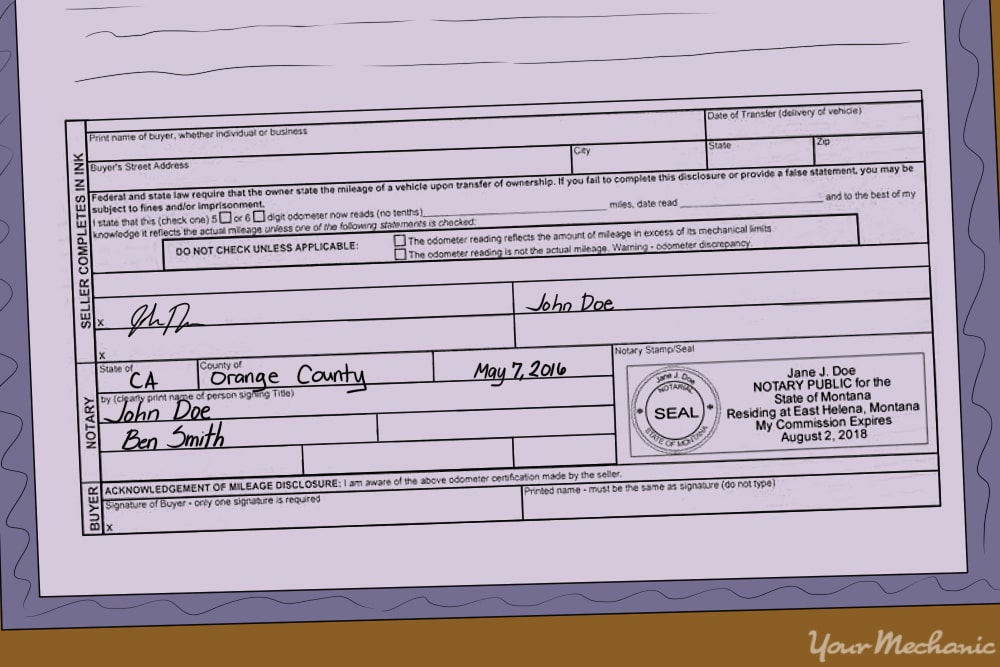
Credit: www.yourmechanic.com
Car Title Notarization Basics
Notarizing a car title is a simple but important step when selling or transferring a vehicle. It makes the document official and protects both the buyer and seller. Understanding the basics helps you complete the process smoothly.
Knowing why and when to notarize a car title saves time and avoids legal problems. This section explains the key points to keep in mind.
Why Notarize A Car Title
Notarization proves that the signatures on the car title are real. It stops fraud and confirms both parties agree to the sale. A notary public checks IDs and watches the signing. This adds trust and legal weight to the document.
When Notarization Is Required
Some states require notarizing car titles to complete a sale. Others ask for it only if the title is being transferred to a new owner. Check your local DMV rules to know if notarization is needed. Notarization is often required for private sales and out-of-state transfers.
Gathering Required Documents
Gathering the right documents makes notarizing a car title smooth and quick. Missing papers can cause delays or extra trips to the notary office. Prepare carefully to save time and avoid frustration.
Original Car Title
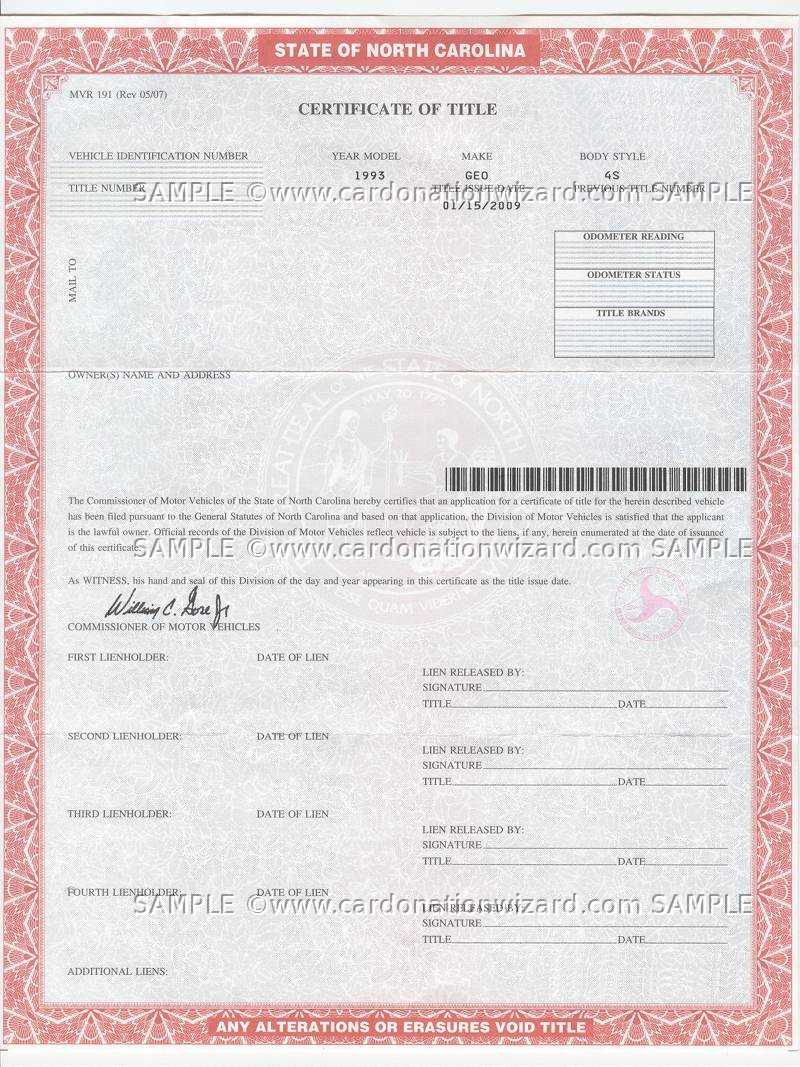
The original car title proves ownership of the vehicle. It must be complete and free of errors. Both the buyer and seller usually sign the title before notarization. Keep this document safe to ensure a smooth process.
Valid Identification
Bring a valid ID to verify your identity. Acceptable forms include a driver’s license, state ID, or passport. The ID should be current and not expired. The notary uses this to confirm you are who you say you are.
Additional Paperwork
Some states require extra forms for notarizing a car title. This could include a bill of sale or a lien release. Check local rules to know what else to bring. Having all papers ready prevents last-minute issues.
Finding A Notary Public
Finding a notary public is a key step to notarize your car title. A notary public witnesses the signing of documents. They verify your identity and ensure you sign willingly. This process helps prevent fraud and makes your car title official. Knowing where to find a notary saves time and hassle.
Where To Locate A Notary
Many places offer notary services. Banks often provide free notary services to their customers. Check local banks or credit unions first. Some government offices also have notaries available. Libraries and post offices sometimes offer these services too. Search for notaries in your area online. Local business directories may list notary public services nearby.
Mobile Notary Services
Mobile notary services come to you. They visit homes, offices, or other locations. This option suits busy people or those with mobility issues. Mobile notaries often work by appointment. They may charge a travel fee for their service. Find mobile notaries through online platforms or local ads. This service provides convenience and flexibility.

Credit: www.notarystars.com
Steps To Notarize Your Car Title
Notarizing a car title is a key step in vehicle ownership transfer. It makes the document legal and official. The process is simple but must be done carefully. Follow these clear steps to notarize your car title correctly.
Each step ensures your car title is valid and ready for the next owner. Understanding these actions helps avoid mistakes and delays.
Prepare The Title For Signing
Check the car title for any errors or missing information. Fill in all required fields before the notary appointment. Do not sign the title yet. Keep the title clean and ready for the official signing.
Sign In Front Of The Notary
Bring the car title and a valid ID to the notary. Sign the title only in the notary’s presence. The notary watches to confirm your identity and signature. This step makes the signature legally binding.
Notary’s Role And Signature
The notary verifies your identity and witnesses the signing. They then add their signature and seal on the title. This action proves the document is authentic. The notarized title can now be used for vehicle registration or sale.
Common Mistakes To Avoid
Notarizing a car title is an important step to make the sale or transfer official. Many people make small errors that cause delays or problems. Avoiding these common mistakes saves time and stress. Here are some key errors to watch out for.
Incomplete Information
Leaving any part of the car title blank can cause issues. Every field must be filled out clearly and correctly. Missing details may lead the notary to refuse the notarization. Double-check all names, dates, and signatures before your appointment.
Signing Before Notary
Do not sign the title before meeting the notary. The notary must witness the signature in person. Signing ahead can invalidate the notarization and cause legal problems. Wait until the notary asks you to sign the document.
Using Expired Identification
The notary needs to verify your identity with valid ID. Expired driver’s licenses or passports will not be accepted. Bring current and official identification to avoid delays. Check your ID’s expiration date before the appointment.
After Notarization Actions
After notarizing a car title, several important steps must follow. These steps ensure the transfer of ownership is official and legally recorded. Acting quickly and correctly helps avoid delays or issues with your vehicle registration.
Submitting To Dmv
Take the notarized car title to your local Department of Motor Vehicles (DMV). The DMV needs the original title to update their records. Submit any required forms along with the title. Pay attention to deadlines set by the DMV. Meeting these deadlines prevents fines or lost registration.
The DMV will process the transfer and issue a new title. This new title shows the current owner’s name. Keep proof of your submission until you get the new title. This step completes the legal ownership transfer.
Keeping Copies For Records
Always keep copies of the notarized title and DMV documents. These copies act as proof of the transaction. Store them in a safe place for future reference. Copies help resolve any disputes about ownership.
Digital copies on your phone or computer also work well. Make sure these copies are clear and complete. Having records handy saves time and stress later on.
Credit: www.cardonationwizard.com
Frequently Asked Questions
What Is Notarizing A Car Title?
Notarizing a car title means a notary public verifies the signatures on the title. It confirms the identity of the signers and prevents fraud during vehicle ownership transfer.
When Do I Need To Notarize A Car Title?
You need notarization when your state requires it for title transfers. It is common during private car sales or gifting to legally validate the transaction.
How Much Does It Cost To Notarize A Car Title?
Notarization fees usually range from $5 to $15. Costs vary by state and notary but are generally affordable and sometimes free at banks or DMV offices.
Can I Notarize A Car Title Online?
Yes, some states allow online notarization for car titles. Check your state’s laws and use an authorized online notary platform for convenience and legal compliance.
Conclusion
Notarizing a car title is a simple step in selling or buying a vehicle. Always bring the title and valid ID to the notary. Sign the title only in front of the notary to avoid mistakes. The notary confirms your identity and witness your signature.
This process helps protect both buyer and seller. Following these steps saves time and avoids legal troubles. Now, you can feel confident about notarizing your car title. Stay organized and keep all documents safe for future needs.


