
You want your car to shine and stay protected, right? Applying wax is one of the best ways to keep your car looking brand new.
But how do you apply wax to a car the right way? If you’ve ever felt unsure about where to start or worried about making mistakes, you’re not alone. You’ll discover simple, step-by-step tips that anyone can follow. By the end, you’ll know exactly how to get that glossy finish that turns heads and keeps your paint safe.
Ready to make your car shine like never before? Let’s dive in!
Choosing The Right Wax
Choosing the right wax is key to protecting your car’s paint. The right wax can keep your car shiny and safe from dirt and sun damage. It also makes cleaning easier. Different waxes work best on different types of paint and surfaces. Understanding your options helps you pick the best one for your car.
Types Of Car Wax
Car wax comes in several forms. Paste wax is thick and gives a deep shine. Liquid wax spreads easily and works fast. Spray wax is quick to apply but may not last as long. Each type has benefits. Choose based on how much time you want to spend and the look you want.
Selecting Wax For Your Paint
Not all waxes suit every paint type. Soft paint needs gentle wax to avoid damage. Hard paint can handle stronger waxes. New cars often have clear coats that need special care. Check your car’s paint type before buying wax. This helps protect the paint and keeps it looking good.
Natural Vs Synthetic Options
Natural waxes come from carnauba, a plant-based source. They give a warm, rich shine. Synthetic waxes are made from polymers. They last longer and protect better against weather. Natural wax feels smooth but wears off faster. Synthetic wax may not shine as deeply but lasts well. Choose based on how long you want the wax to last.
Credit: malcoautomotive.com
Preparing Your Car
Preparing your car before waxing is an important step. It helps the wax stick better and gives a smooth finish. Clean and well-prepared paint lets the wax protect your car longer. Follow these steps to get your car ready for waxing.
Washing And Drying
Start by washing your car with a mild car shampoo. Use a soft sponge or cloth to avoid scratches. Rinse off all dirt and soap with clean water. Dry the car fully using a microfiber towel. Drying prevents water spots and helps the wax stick well.
Removing Old Wax And Contaminants
Old wax and dirt can block new wax from bonding. Use a clay bar or a wax remover product to clean the surface. This removes grease, tar, and other stuck particles. Wipe the car with a clean cloth after using these products. A clean surface ensures the wax works properly.
Addressing Paint Imperfections
Check the paint for scratches or dull spots. Use a polish or scratch remover to fix small issues. Polishing smooths the surface and makes the paint shine. After polishing, wipe off any leftover residue. This step improves the wax’s look and protection.
Wax Application Tools
Applying wax to a car needs the right tools. Using proper tools helps spread wax evenly. It also makes the process faster and easier. Choosing the right tool protects your car’s paint. It prevents scratches and streaks. Here are some common wax application tools.
Applicator Pads
Applicator pads are soft and absorbent. They hold the wax well. These pads help apply wax in small sections. You can control the amount of wax easily. Foam or microfiber pads are popular choices. They are gentle on the paint and prevent damage.
Microfiber Towels
Microfiber towels remove wax residue without scratching. They are soft and lint-free. Use clean towels to buff the surface. Buffing brings out the shine and smooth finish. Always use different towels for applying and removing wax. This keeps the paint clean and polished.
Buffers And Polishing Machines
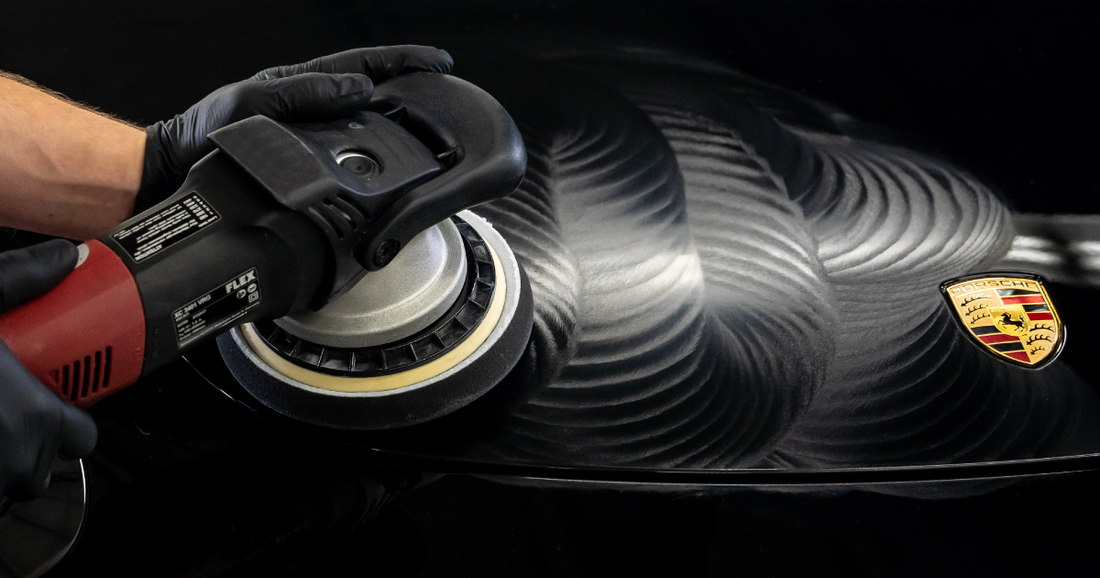
Buffers and polishing machines speed up waxing. They spread wax evenly on large surfaces. Machines reduce hand fatigue during application. Use low speed to avoid paint damage. Machines work best with soft pads made for waxing. They give a professional, glossy finish quickly.
Step-by-step Waxing Process
Applying wax to your car protects the paint and gives it a fresh shine. Follow each step carefully for the best results. This process takes time but is simple and rewarding. Clean your car first to remove dirt and dust. Then, work in small sections to cover the entire surface evenly. Use gentle movements and be patient as the wax dries. Finally, buff the wax to reveal a bright shine that lasts.
Applying Wax In Small Sections
Divide your car’s surface into small parts. Work on one section at a time. This helps you apply wax evenly. Use a foam applicator or soft cloth. Spread a thin layer of wax over the area. Avoid putting too much wax at once.
Using Circular Motions
Rub the wax into the paint using small circles. This motion helps the wax stick well. Move slowly and cover the entire section. Circular motions prevent streaks and uneven layers. Keep your hand steady to avoid scratches.
Allowing Proper Drying Time
Let the wax dry until it looks hazy. This usually takes about 5 to 10 minutes. Do not rush this step. Proper drying ensures the wax bonds with the paint. Avoid direct sunlight during drying to prevent uneven drying.
Buffing To A Shine
Use a clean, soft microfiber cloth to buff the wax. Rub gently in circular motions. This removes the hazy layer and reveals a smooth shine. Keep buffing until the surface feels slick and glossy. Check your work by shining light on the paint.
Common Mistakes To Avoid
Applying wax to your car can protect its paint and give it a shiny look. Avoiding common mistakes helps you get the best results. Small errors can cause streaks, uneven shine, or wasted wax. Learn what to watch out for to keep your car looking great.
Applying Wax In Direct Sunlight
Never apply wax under strong sunlight. Heat causes the wax to dry too fast. This makes it hard to spread evenly. It can leave spots and streaks on the car’s surface. Choose a cool, shaded area for waxing. This helps the wax set properly and looks smooth.
Using Too Much Or Too Little Wax
Too much wax creates a thick layer that is hard to remove. It can leave a cloudy finish on the paint. Using too little wax won’t protect the car well. A thin layer might wear off quickly. Apply wax in small, even amounts. This makes buffing easier and results in a nice shine.
Skipping Surface Preparation
Always clean your car before waxing. Dirt, dust, and grime stop wax from sticking well. Skipping washing can cause scratches when you rub the wax. Dry your car completely to avoid water spots. Proper surface prep helps the wax bond and last longer.
Credit: www.torquedetail.com
Maintaining Your Car’s Shine
Maintaining your car’s shine keeps it looking fresh and new. A glossy finish protects the paint from damage and dirt. Regular care helps your wax last longer and keeps the surface smooth. Follow easy steps to keep that shine bright every day.
Regular Washing Tips
Wash your car often to remove dust and grime. Use a gentle car shampoo and soft sponge. Avoid harsh soaps that strip wax off the paint. Rinse well to clear all soap residue. Dry the car with a clean microfiber cloth to prevent water spots.
Reapplying Wax Frequency
Wax wears off with time and weather exposure. Apply a fresh coat every three to four months. In hot climates, wax may need reapplying more often. Check your car’s surface for dullness or water spots. These signs show it is time to wax again.
Protecting Against Environmental Damage
Park your car in shaded or covered areas. Sunlight can fade the paint and break down wax. Avoid parking near trees to reduce sap and bird droppings. Clean any contaminants quickly to prevent stains. Wax forms a barrier against rain, dirt, and UV rays.

Credit: mckees37.com
Frequently Asked Questions
How Do I Prepare My Car Before Waxing?
Wash and dry your car thoroughly before waxing. Remove dirt and debris to ensure smooth wax application. Use a clay bar if needed for a clean surface. This step helps the wax bond properly and gives a shiny finish.
What Type Of Wax Is Best For Cars?
Carnauba wax offers a deep, natural shine but lasts shorter. Synthetic waxes provide longer protection and easier application. Choose wax based on your preference for durability and finish. Both types protect your paint and enhance car appearance.
How Often Should I Wax My Car?
Wax your car every 3 to 4 months for optimal protection. Frequency depends on climate and car usage. Regular waxing maintains paint shine and shields against UV rays, dirt, and water damage. Over-waxing can cause buildup, so follow recommended intervals.
Can I Apply Wax In Direct Sunlight?
Avoid waxing your car under direct sunlight. Heat can cause wax to dry too fast, making it hard to buff. Work in a shaded, cool area for even application and better results. This preserves the wax’s protective qualities.
Conclusion
Applying wax to your car keeps it shiny and protected. Clean the car well before starting. Use small, circular motions to spread wax evenly. Let the wax dry to a haze, then buff it off gently. Regular waxing helps prevent dirt and damage.
It also makes washing easier next time. Take your time and enjoy the process. Your car will look fresh and last longer. Simple steps, great results.


