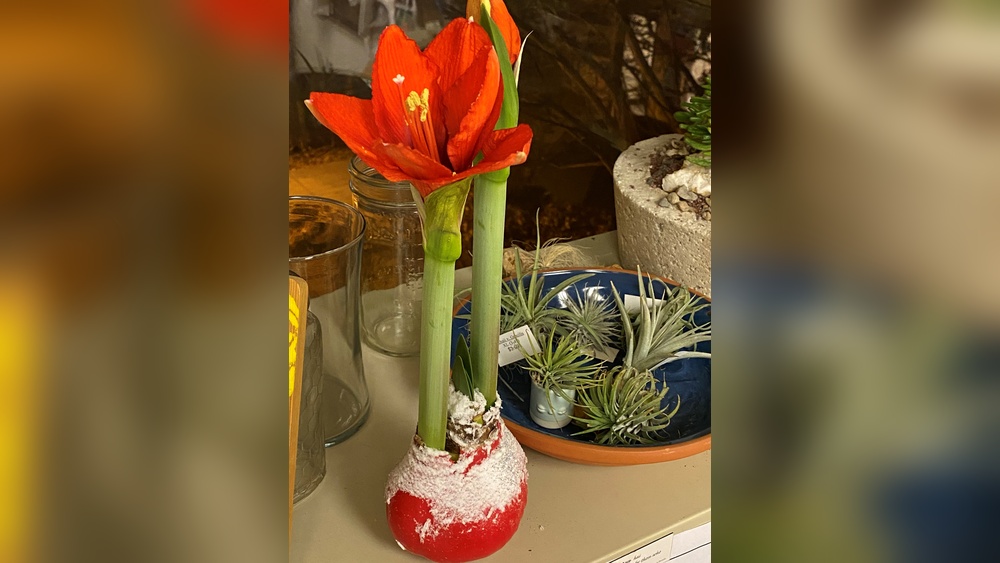
Are you wondering how to keep your waxed amaryllis bulb looking fresh and blooming longer? Caring for a waxed amaryllis is simpler than you might think, but it does need a little special attention.
Imagine enjoying vibrant, stunning flowers in your home without the hassle of constant upkeep. You’ll discover easy, practical tips to help your waxed amaryllis bulb thrive. Keep reading to unlock the secrets that will make your bulb a lasting, beautiful centerpiece.

Credit: www.jacksonandperkins.com
Choosing The Right Bulb
Choosing the right bulb is the first step to growing a beautiful waxed amaryllis. The bulb you select affects the strength of the plant and the size of its flowers. Healthy bulbs grow better and produce more blooms. Knowing how to pick the best bulb saves time and effort later.
Selecting Healthy Bulbs
Look for bulbs that feel firm and heavy. Avoid bulbs with soft spots or mold. These signs show the bulb is unhealthy. The skin should be dry and tight around the bulb. Choose bulbs that are large. Bigger bulbs often give stronger plants and bigger flowers.
Identifying Waxed Varieties
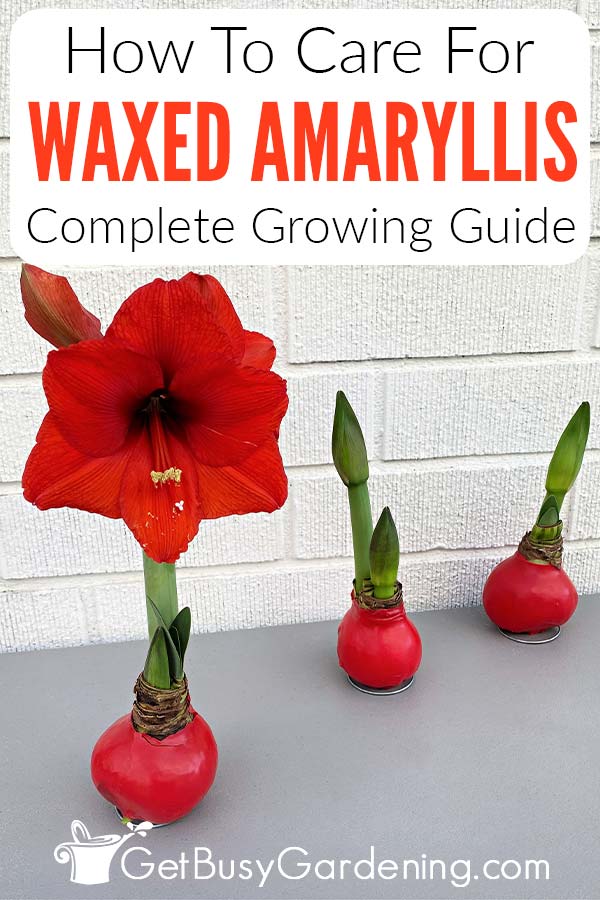
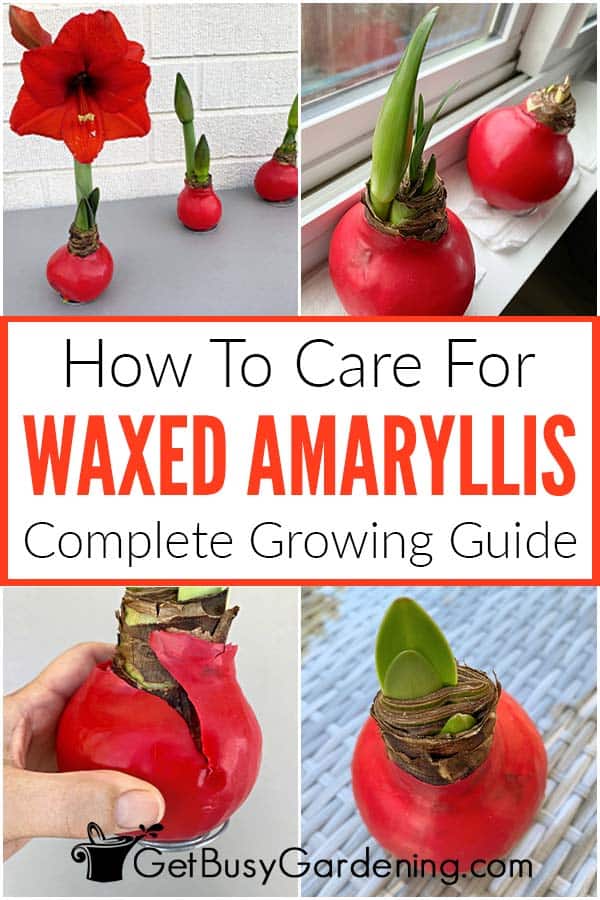
Waxed amaryllis bulbs have a shiny coating on their surface. This wax helps protect the bulb and keeps it fresh longer. The coating feels smooth and slightly slippery. If the bulb looks dull or dry, it is not waxed. Only buy bulbs labeled as waxed for the best results.
Credit: getbusygardening.com
Preparing The Bulb For Planting
Preparing a waxed amaryllis bulb for planting is a key step to ensure healthy growth. Proper care before planting helps the bulb stay strong and ready to bloom. This process involves cleaning, inspecting, and trimming the bulb carefully.
Taking these steps sets the stage for a beautiful flowering season. A well-prepared bulb grows faster and resists disease better. Let’s explore how to prepare your bulb with simple, clear actions.
Cleaning And Inspecting
Start by gently wiping the bulb with a soft, dry cloth. Remove any dust or dirt on the surface. Avoid using water to keep the wax coating intact. Check the bulb for soft spots or mold. Soft areas may mean the bulb is damaged or rotten. Remove any loose or flaky outer layers. This helps reveal the bulb’s true condition. Clean bulbs have a better chance of healthy growth.
Trimming Roots And Leaves
Look at the roots and leaves closely. Trim off any dry or dead roots using sharp scissors. Cut roots back to about one inch in length. Remove any yellow or wilted leaves. This prevents disease from spreading. Trimming encourages the bulb to focus energy on new growth. Use clean tools to avoid infections. After trimming, the bulb is ready for planting.
Planting Techniques
Planting a waxed amaryllis bulb correctly helps it grow strong and bloom beautifully. Understanding the right techniques ensures your bulb gets the right start. This section explains how to choose the best pot and soil, and how deep to plant the bulb for optimal growth.
Choosing The Ideal Pot And Soil
Select a pot with drainage holes to prevent water buildup. The pot should be sturdy and wide enough for the bulb. Use light, well-draining soil to avoid root rot. A mix of potting soil and sand works well. Avoid heavy or clay soils that hold too much moisture.
Proper Planting Depth
Plant the bulb so that one-third stays above the soil surface. This depth allows the bulb to breathe and prevents rotting. Press the soil gently around the bulb to keep it stable. Keep the roots covered but don’t bury the top too deep.
Watering Guidelines
Watering a waxed amaryllis bulb properly helps it grow strong and bloom beautifully. Too much water can cause rot. Too little water can stop growth. Follow these simple watering guidelines to keep your bulb healthy and happy.
Initial Watering Tips
Start by placing the bulb in a shallow dish with water. The water should just touch the bottom of the bulb. Avoid soaking the bulb completely. Check water levels daily. Refill the dish when water is low. This helps roots grow without drowning the bulb.
Maintaining Moisture Levels
Once roots appear, keep the soil or medium slightly moist. Water only when the top feels dry to touch. Use a spray bottle or small watering can for control. Avoid water sitting in the bulb’s crown. Good airflow helps prevent mold and rot.
Light And Temperature Needs
Taking care of a waxed amaryllis bulb means paying close attention to its light and temperature needs. These factors help the bulb grow strong and bloom beautifully. Proper light and temperature support healthy leaves and vibrant flowers.
Optimal Sunlight Exposure
Place the bulb where it gets bright, indirect sunlight. Direct sunlight can burn its leaves. A spot near a window with filtered light works well. The bulb needs about 6 hours of light daily. Too little light can cause weak growth and fewer flowers.
Ideal Indoor Temperatures
The best temperature range is between 65°F and 75°F (18°C to 24°C). Keep the bulb away from cold drafts or hot air vents. Sudden temperature changes can stress the plant. Night temperatures around 60°F (15°C) help the bulb rest and bloom better.
Fertilizing Schedule
Caring for a waxed amaryllis bulb requires a good fertilizing schedule. Proper feeding helps the plant grow strong and bloom beautifully. Knowing when and how much to fertilize supports healthy roots and leaves. It also keeps the bulb ready for the next flowering season.
Choosing The Right Fertilizer
Select a balanced fertilizer with equal parts nitrogen, phosphorus, and potassium. A 10-10-10 or 20-20-20 formula works well. Use a water-soluble fertilizer for easy absorption. Avoid fertilizers high in nitrogen only. They may cause more leaves but fewer flowers.
Frequency And Amount
Feed your waxed amaryllis every two weeks during active growth. Use half the recommended strength on the fertilizer package. Overfeeding can harm the bulb and stunt growth. Stop fertilizing when the plant stops growing or leaves begin to yellow.
Managing Bloom And Growth
Managing bloom and growth in a waxed amaryllis bulb helps the plant stay healthy and beautiful. Proper care encourages strong flowers and vibrant leaves. This section explains how to support flower stalks and promote healthy leaf growth.
Supporting Flower Stalks
Flower stalks can become heavy as blooms grow. Use small stakes or sticks to hold them upright. Tie the stalk gently with soft string or plant ties. Avoid tying too tight to prevent damage. Supporting stalks keeps flowers looking fresh longer. It also stops them from falling over and breaking.
Encouraging Healthy Leaves
Leaves provide energy through photosynthesis. Keep leaves clean by wiping them with a damp cloth. Place the plant where it receives bright, indirect light. Avoid direct sunlight that can burn leaves. Water the bulb regularly but do not overwater. Healthy leaves mean a stronger bulb and better blooms next season.
Post-bloom Care
After your waxed amaryllis bulb finishes blooming, proper care is essential. Post-bloom care helps the bulb regain strength for the next flowering season. It involves steps to keep the plant healthy and prepare it for dormancy. Follow these simple practices to support your amaryllis’s growth cycle.
Deadheading Flowers
Remove spent flowers by cutting the flower stalk close to the bulb. This prevents the plant from wasting energy on seed production. Leave the green leaves intact. They gather sunlight and feed the bulb through photosynthesis. Deadheading helps the bulb focus on restoring nutrients for future blooms.
Preparing For Dormancy
After the leaves yellow and die back naturally, reduce watering gradually. Stop watering completely when the leaves turn brown. Store the bulb in a cool, dry place for about 8 to 10 weeks. Keep it away from direct sunlight and moisture. This rest period allows the bulb to recharge for the next growth cycle.
Common Problems And Solutions
Waxed Amaryllis bulbs are generally easy to care for, but some common problems can arise. Knowing these issues and their fixes helps keep your bulb healthy and blooming. Watch for pests and diseases early. Quick action can save your plant.
Dealing With Pests
Watch for pests like aphids and spider mites. These small bugs can damage leaves and flowers. Remove pests by wiping leaves with a damp cloth. Use mild insecticidal soap if bugs persist. Avoid strong chemicals that might harm your bulb. Keep the plant clean and dust-free to prevent pests.
Preventing Diseases
Overwatering causes root rot and fungal infections. Water only when the top soil feels dry. Good drainage is key. Avoid water sitting at the bulb base. Remove dead leaves to stop mold growth. Place your bulb in a well-ventilated area. Healthy air flow reduces disease risks.
Storage And Repotting Tips
Caring for a waxed amaryllis bulb includes proper storage and repotting. These steps help the bulb stay healthy and bloom again. Good care during dormancy and repotting can extend the life of your plant. Follow simple tips to keep your bulb strong and ready to grow.
Storing Bulbs During Dormancy
After the flowers fade, the bulb enters dormancy. This is a resting phase. Store the bulb in a cool, dry place. Ideal temperature is between 50 and 60 degrees Fahrenheit. Avoid direct sunlight and moisture to prevent rot. Keep the bulb in a paper bag or wrapped in newspaper. Check it regularly for soft spots or mold. Proper storage helps the bulb survive until next season.
When And How To Repot
Repot the bulb before new growth starts. This is usually late winter or early spring. Use a pot with drainage holes. Choose soil that drains well, like a mix of potting soil and sand. Place the bulb so its top half is above the soil. Water lightly after repotting. Avoid heavy watering until growth begins. Repotting refreshes the soil and gives roots room to grow. It supports strong, healthy blooms.
Credit: getbusygardening.com
Frequently Asked Questions
How Often Should I Water A Waxed Amaryllis Bulb?
Water your waxed amaryllis bulb sparingly. Keep the soil slightly moist but never soggy. Overwatering can cause bulb rot.
What Light Conditions Are Best For Waxed Amaryllis?
Place the bulb in bright, indirect sunlight. Avoid direct harsh sun to prevent leaf burn and encourage healthy growth.
Can Waxed Amaryllis Bulbs Be Reused After Blooming?
Yes, you can reuse waxed amaryllis bulbs. Allow leaves to grow after blooming, then store the bulb in a cool, dry place.
How Do I Encourage A Waxed Amaryllis To Bloom Again?
After flowering, provide bright light and regular watering. Fertilize monthly and allow leaves to grow to nourish the bulb for next bloom.
Conclusion
Caring for a waxed amaryllis bulb is simple and rewarding. Keep it in a cool, dry place between blooms. Water it sparingly to avoid rot. Give it bright, indirect light for best growth. Watch for signs of new shoots and enjoy the flowers.
With these easy steps, your bulb will last for many seasons. Patience and gentle care bring beautiful blooms each year. A little attention goes a long way.