

Are you noticing your car struggling to start or losing power on the road? The problem might be your fuel filter.
Knowing how to check your fuel filter can save you time, money, and a lot of frustration. You’ll learn simple steps to inspect your fuel filter yourself, so you can keep your engine running smoothly. Keep reading to discover easy tips that could prevent costly repairs and keep your vehicle in top shape.
Credit: fuelab.com
Fuel Filter Basics
Understanding the basics of a fuel filter is important for car care. The fuel filter keeps the fuel clean before it reaches the engine. Clean fuel helps the engine run smoothly and last longer.
This section explains what a fuel filter does and how to spot problems early. Knowing these basics helps you keep your vehicle healthy and avoid costly repairs.
Purpose Of A Fuel Filter
The fuel filter removes dirt and rust from the fuel. It protects the engine parts from damage. Clean fuel helps the engine work better and saves fuel. Without a fuel filter, dirt can clog the engine and cause it to stop.
Signs Of A Dirty Fuel Filter
A dirty fuel filter can cause many problems. The engine may run rough or lose power. You may notice the car is hard to start. The engine might stall while driving. Poor fuel efficiency is another sign. These signs mean the fuel filter needs checking or replacing soon.

Credit: www.youtube.com
Tools You’ll Need
Checking your fuel filter needs the right tools. These tools make the job easier and safer. Without them, you might waste time or cause damage. Prepare all tools before you start.
Essential Equipment
You need a wrench set to loosen bolts and clamps. A screwdriver helps remove covers or panels. A container is useful to catch any fuel that spills. Have a flashlight to see into dark areas clearly. Clean rags help wipe off dirt and spills. These tools keep the process smooth and clean.
Safety Gear
Wear gloves to protect your hands from fuel and dirt. Use safety glasses to shield your eyes from splashes. A mask can prevent breathing in harmful fumes. Always work in a well-ventilated area to avoid fuel vapors. Safety gear keeps you safe during the check.
Locating The Fuel Filter
Finding the fuel filter in your vehicle is the first step to checking it. The fuel filter cleans dirt and rust from the fuel. This keeps the engine running smoothly. Knowing where the fuel filter sits helps you inspect or replace it easily.
Fuel filters do not sit in one fixed spot. Their location depends on the car’s make and model. Some are easy to reach, while others need tools or lifting the car. This guide helps you know where to look for the fuel filter.
Common Filter Locations
Fuel filters often sit near the fuel tank or along the fuel line. Many cars place the filter under the vehicle, near the rear wheels. Others have it inside the engine bay, close to the fuel injectors. Some fuel filters are inside the fuel pump assembly, hidden inside the tank itself. Checking these common spots saves time.
Consulting The Vehicle Manual
The vehicle manual has exact details about the fuel filter location. It shows diagrams and instructions for your specific model. The manual can also explain how to access the filter safely. This is the best source for clear, accurate information. Always check the manual before starting any work on your fuel system.
Step-by-step Fuel Filter Check
Checking your fuel filter is important for your vehicle’s health. A clean fuel filter helps the engine run smoothly. Dirt or blockages can cause performance problems. Follow these simple steps to check your fuel filter carefully.
Preparing Your Vehicle
Start by parking your car on a flat surface. Turn off the engine and let it cool down. Open the hood and find the fuel filter. Wear gloves to protect your hands. Have a container ready for any spilled fuel.
Inspecting The Filter
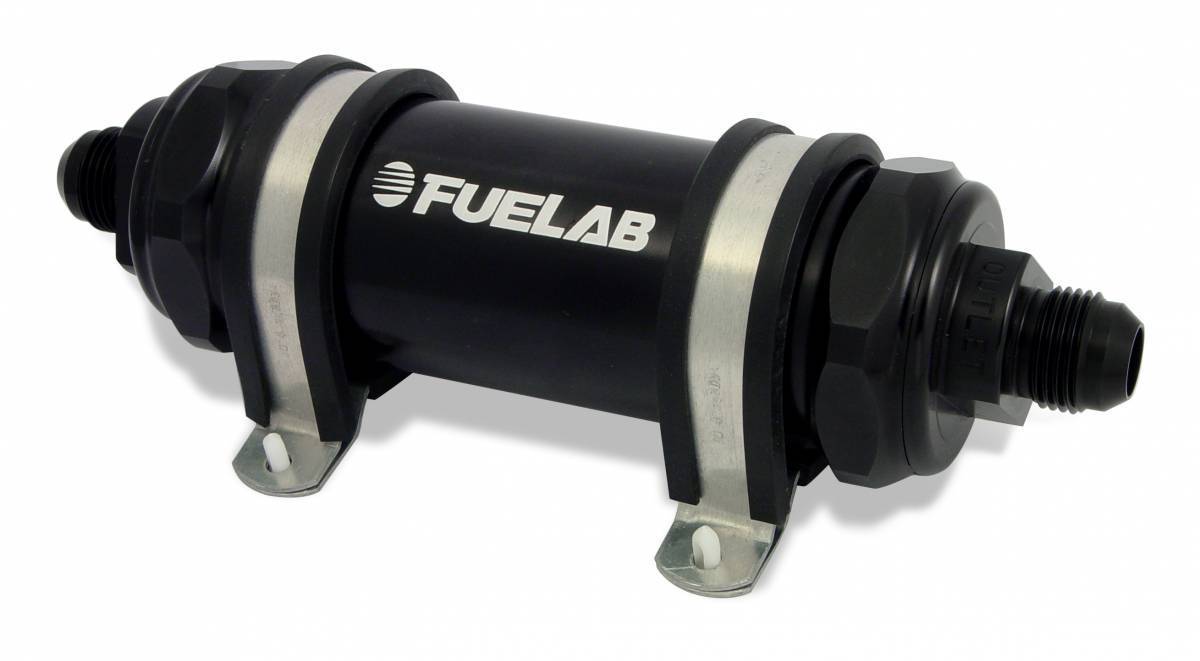
Look closely at the fuel filter’s body. Check for rust, dirt, or cracks. Fuel filters often look like small cylinders or canisters. See if the filter is easy to remove. Note its position to put it back correctly.
Identifying Blockages Or Damage
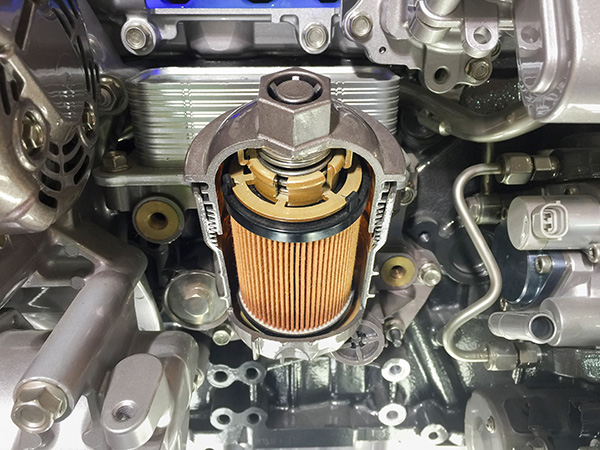
Check inside the filter for dirt or debris. Blockages reduce fuel flow and engine power. Look for cracks or leaks on the filter’s surface. A damaged filter needs replacing right away. Clean or replace the filter if problems appear.
Cleaning Or Replacing The Filter
Cleaning or replacing the fuel filter helps keep your engine running smoothly. A clogged filter reduces fuel flow and damages the engine. Regular care saves money and prevents car troubles.
When To Clean
Check your fuel filter every 12,000 miles or once a year. Signs of a dirty filter include slow acceleration and engine misfires. If you notice these, clean the filter right away. Some filters can be cleaned with a special solvent. Follow your car manual for cleaning instructions.
How To Replace
Replacing a fuel filter is simple with the right tools. First, relieve fuel system pressure to avoid spills. Next, locate the filter under the car or near the engine. Use wrenches to remove the old filter. Install the new one, making sure it fits correctly. Finally, check for leaks and start the engine to test it.
Maintaining Fuel Filter Health
Maintaining your fuel filter is key to keeping your vehicle running smoothly. A clean fuel filter stops dirt and rust from reaching the engine. This helps avoid engine problems and saves money on repairs. Simple steps can keep your fuel filter in good shape for longer.
Regular Inspection Schedule
Check your fuel filter every 12,000 to 15,000 miles. Some cars need more frequent checks. Look for signs like poor engine performance or trouble starting. Replace the filter if it looks dirty or clogged. Regular checks prevent bigger issues down the road.
Using Quality Fuel
Choose fuel from trusted stations only. Poor quality fuel can clog the filter faster. Clean fuel reduces dirt and water in the fuel system. This keeps the filter working well and protects the engine. Good fuel helps your car run better and last longer.
Credit: www.autoworks-wa.com
Frequently Asked Questions
How Often Should You Check Your Fuel Filter?
Check your fuel filter every 20,000 to 30,000 miles. Regular checks prevent clogging and engine issues. Refer to your vehicle manual for specific intervals.
What Are Signs Of A Clogged Fuel Filter?
Common signs include engine hesitation, poor acceleration, and stalling. A clogged fuel filter restricts fuel flow, causing these performance problems.
Can I Check The Fuel Filter Myself?
Yes, you can inspect the fuel filter with basic tools. Always relieve fuel system pressure and follow safety precautions before checking.
Where Is The Fuel Filter Located In A Car?
Fuel filters are usually under the car near the fuel tank or engine bay. Consult your vehicle manual for the exact location.
Conclusion
Checking your fuel filter keeps your car running smoothly. Clean filters stop dirt from reaching the engine. Regular checks help avoid engine problems and costly repairs. Use simple tools and follow safe steps to inspect it. Don’t wait for signs of trouble; act early.
A clean fuel filter means better fuel flow and engine life. Keep this task part of your car care routine. Small effort, big benefits. Your car will thank you.


