
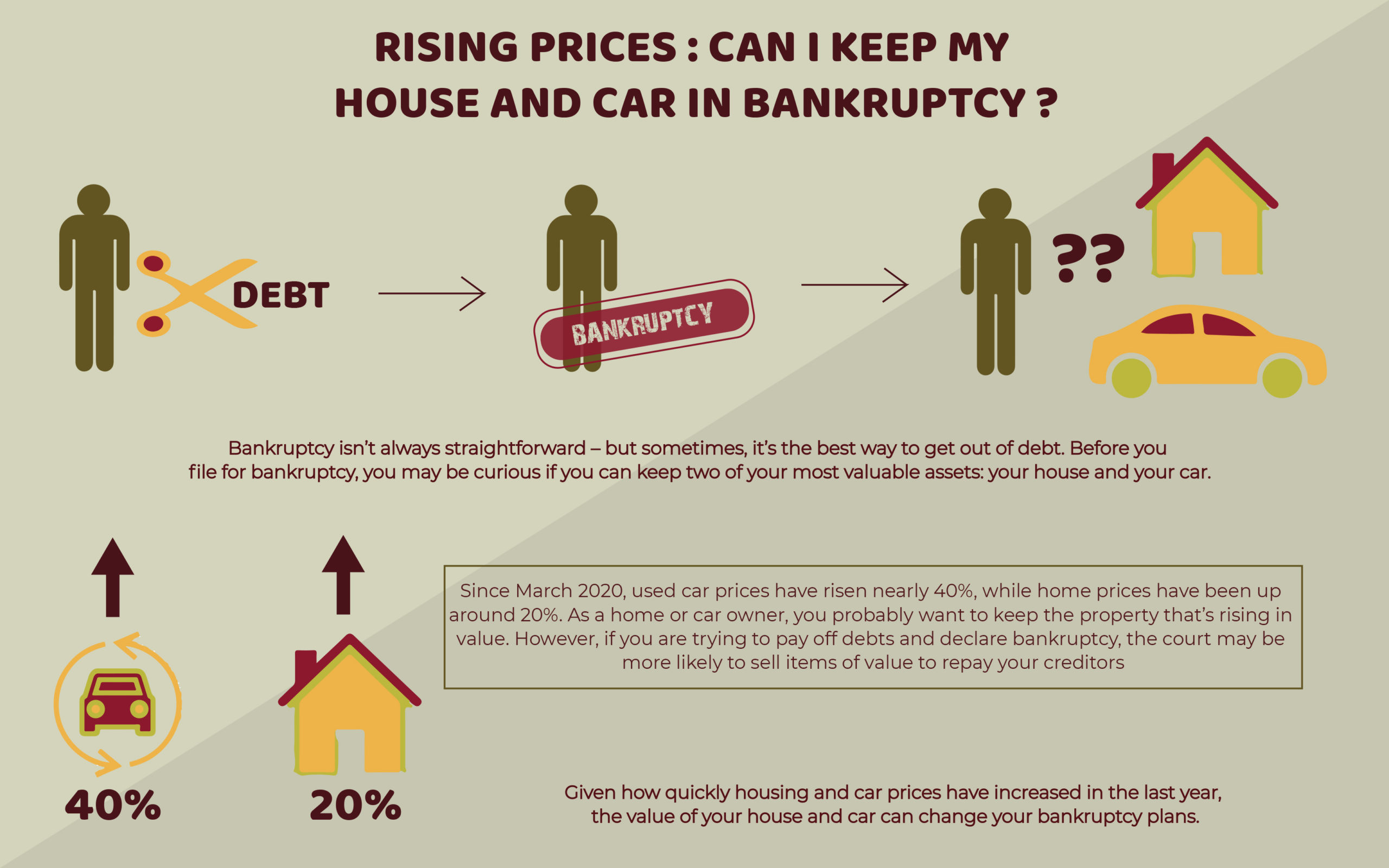
Are you worried about losing your car when filing for bankruptcy? You’re not alone.
Many people fear that bankruptcy means giving up everything they own, especially their vehicle. But what if you could protect your car and still get a fresh financial start? Understanding how to file bankruptcy while keeping your car can save you stress and keep your daily life moving smoothly.
You’ll discover clear, simple steps to protect your car during bankruptcy. Keep reading to learn how you can take control of your finances without losing the wheels you depend on.

Credit: www.amourgis.com
Types Of Bankruptcy That Protect Your Car
Filing bankruptcy can be stressful, especially when you want to keep your car. Different types of bankruptcy offer ways to protect your vehicle. Knowing how these work helps you make better decisions. Two common options are Chapter 7 and Chapter 13 bankruptcy. Each has rules about car ownership and retention.
Chapter 7 And Car Ownership
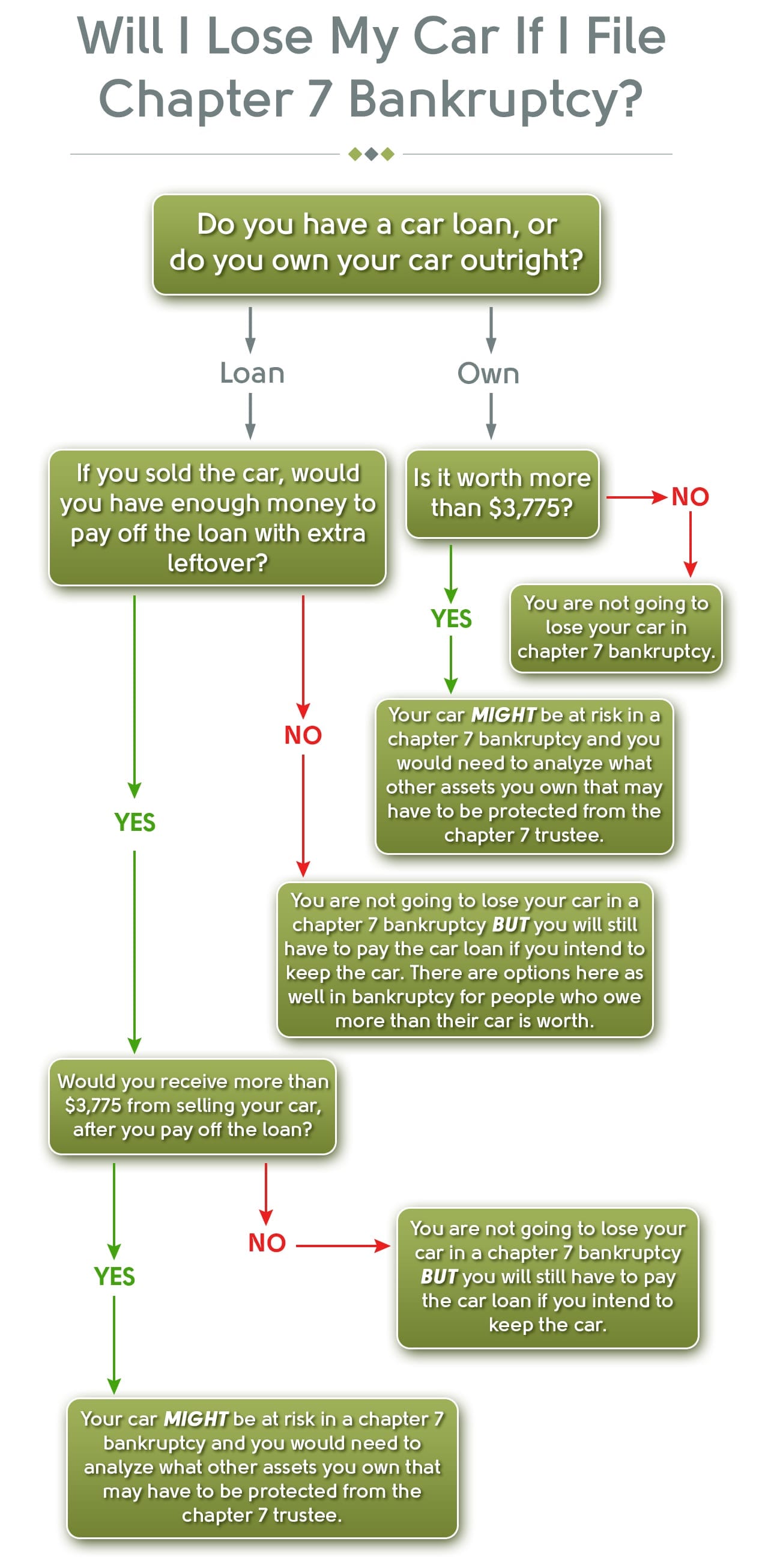
Chapter 7 bankruptcy clears most debts quickly. It can sell some property to pay creditors. Your car might be safe if its value is low. Bankruptcy laws allow exemptions to protect some property. Each state has different rules on car exemptions. If your car’s value is below the exemption limit, you keep it.
Owing money on your car loan adds complexity. The lender may repossess the car if payments stop. You can choose to keep paying the lender directly. This action is called “reaffirming” the loan. It means you agree to keep the debt and keep the car.
Chapter 13 And Vehicle Retention
Chapter 13 bankruptcy works with a repayment plan. You pay back some debts over three to five years. This plan helps protect your car from repossession. You keep making car payments as usual.
The repayment plan may include catching up on missed payments. This option helps if you fell behind on your loan. You keep the car while paying off old and current debts. Chapter 13 is useful for people with steady income.
Evaluating Your Car Loan Status
Evaluating your car loan status is crucial when filing bankruptcy and wanting to keep your car. This step helps you understand your financial position and the options available. Knowing the type of loan and its value compared to your car can affect your decisions.
Secured Vs Unsecured Loans
A secured loan is backed by your car as collateral. If you miss payments, the lender can take the car. Most car loans are secured because the car itself guarantees the loan.
An unsecured loan has no collateral. The lender cannot take your car directly. These loans are rare for car purchases but can affect your bankruptcy case differently.
Loan Balance And Car Value
Compare your loan balance with your car’s current value. If the loan is higher, you owe more than the car is worth. This is called being “upside down” on your loan.
If your car’s value is higher, you have positive equity. This can help you keep the car during bankruptcy. It may also allow you to negotiate better loan terms or a payment plan.
Exemptions That Shield Your Vehicle
Filing for bankruptcy can feel overwhelming, especially when you want to keep your car. Thankfully, exemptions protect certain assets during bankruptcy. These exemptions help you keep your vehicle despite financial troubles. Understanding these rules is key to saving your car. Exemptions vary by state and federal laws. Knowing these limits helps you plan your bankruptcy filing smartly.
State-specific Car Exemptions
Each state sets its own rules on car exemptions. Some states allow you to protect a set dollar amount of your car’s value. Others may protect the entire vehicle if it meets certain conditions. The exemption amount can range widely from a few thousand dollars to tens of thousands. You must check your state’s exemption list before filing. This step ensures you claim the right protection for your vehicle. Some states let you choose between state or federal exemptions. Choosing the correct option can save your car from being sold.
Federal Exemption Limits
The federal government also provides a standard car exemption. This exemption sets a limit on how much of your car’s value you can keep. The amount can change each year due to inflation adjustments. Federal exemptions apply mainly when you use federal bankruptcy rules. The current limit usually covers many older or less expensive vehicles. If your car’s value exceeds the federal limit, you might lose the extra amount. Combining federal and state exemptions can sometimes protect more of your car’s value. Always verify the latest federal exemption amounts before filing.
Steps To Keep Your Car During Bankruptcy
Keeping your car during bankruptcy is important for many people. Losing your car can make daily life very hard. There are legal steps to help you keep your vehicle. These steps depend on your financial situation and the type of bankruptcy you file.
Understanding these options can help you make the best choice. It can also protect your credit and reduce stress. Below are key methods to keep your car during bankruptcy.
Reaffirmation Agreements
A reaffirmation agreement lets you keep your car loan. You promise to keep paying the loan as agreed. This means you will owe the debt even after bankruptcy. The court must approve this agreement. It shows you can afford the payments. Reaffirming helps keep your car and protect your credit.
Redemption Option
The redemption option lets you pay the car’s current value. You pay a lump sum to own the car free and clear. This amount is often less than what you owe. You must have enough money saved to use this option. It ends your car loan and stops future payments. Redemption works well if your car is worth less than the loan.
Surrender And Leaseback
Surrendering means giving up the car to the lender. You return the vehicle and clear the debt. Then, you can lease the same car from the lender. Leasing usually means lower monthly payments. This option helps if you want to keep a car but reduce costs. It also avoids repossession and helps manage your budget.
Managing Car Payments While In Bankruptcy
Managing car payments during bankruptcy is important to keep your vehicle. Staying current with payments helps you avoid repossession. Planning your finances carefully can make this process easier. Understanding your options can reduce stress and protect your car.
Budgeting For Vehicle Expenses
Create a clear budget for your car payments and costs. Include gas, insurance, and maintenance. Track your monthly income and expenses closely. Cut unnecessary spending to free up money for car costs. Prioritize your car payment to maintain ownership. Small savings add up to help cover payments.
Communicating With Lenders
Talk openly with your lender about your situation. Explain your bankruptcy and financial challenges honestly. Ask if they offer payment plans or temporary relief. Staying in contact can prevent surprises like repossession. Lenders may prefer working with you rather than taking your car. Keep all communication polite and documented for your records.
Credit: www.therollinsfirm.com
Common Challenges And How To Overcome Them
Filing for bankruptcy can be tough, especially when you want to keep your car. Many face common challenges during this process. Understanding these issues helps you protect your vehicle. Solutions exist to handle these problems effectively.
Dealing With Repossession Threats
Repossession is a big worry for car owners in bankruptcy. Lenders may want your car if payments stop. To stop repossession, you must act quickly. One way is to keep making payments on time. Another option is to reaffirm the loan with the court’s permission. This means you agree to keep paying the debt. You can also ask the court to delay repossession while you sort things out. Communication with your lender is key. Explain your situation and try to negotiate new terms. This can reduce the chance of losing your car.
Handling Underwater Loans
Underwater loans happen when the car’s value is less than what you owe. This can cause issues in bankruptcy. The loan balance might feel like a heavy burden. One way to handle this is by surrendering the car and dealing with the remaining debt separately. Another method is to ask the court to reduce the loan amount to the car’s value. This is called “cramdown” and works in some types of bankruptcy. Keep in mind, this option is not always available. Discuss your case with a bankruptcy lawyer to find the best path. Understanding your loan and options helps you make smart decisions.
Working With Bankruptcy Professionals
Filing for bankruptcy and keeping your car can be tricky. Professionals help guide you through each step. They explain rules and protect your rights. You avoid mistakes that can cost you your vehicle. Working with experts makes the process clearer and less stressful.
Choosing The Right Attorney
Select an attorney with bankruptcy experience. They understand laws about car loans and property. A good lawyer reviews your finances carefully. They suggest the best bankruptcy type for you. Clear communication is essential. Your attorney answers questions and keeps you informed. Trust and honesty build a strong client-attorney relationship.
Role Of Trustees And Courts
Trustees manage your bankruptcy case. They review your paperwork and financial details. Trustees ensure rules are followed fairly. Courts approve or deny your bankruptcy filing. Judges listen to both sides before deciding. They protect your rights and creditors’ interests. Cooperation with trustees and courts speeds up your case.
Credit: pdxlegal.com
Frequently Asked Questions
How Can Bankruptcy Affect My Car Ownership?
Bankruptcy can impact your car ownership depending on the type filed. Chapter 7 may force selling, while Chapter 13 often allows keeping your car with payments. Protecting your car involves understanding exemptions and continuing payments on your auto loan.
What Are The Steps To Keep My Car In Bankruptcy?
To keep your car, list it as an exempt asset in your bankruptcy filing. Continue making timely payments on your auto loan. Consider reaffirming the loan if required, and consult your attorney to protect your vehicle during bankruptcy.
Can I Keep My Car If I’m Behind On Payments?
Yes, you may keep your car if you catch up on missed payments. Chapter 13 bankruptcy allows you to include arrears in your repayment plan. Always communicate with your lender and bankruptcy attorney to avoid repossession.
What Is A Reaffirmation Agreement In Bankruptcy?
A reaffirmation agreement is a contract to keep paying your auto loan. It lets you keep the car by agreeing to repay the debt outside bankruptcy discharge. This must be approved by the court and is voluntary.
Conclusion
Filing bankruptcy does not always mean losing your car. You can keep it by following the right steps. Know your state’s laws about car loans and exemptions. Make sure to keep up with payments during the process. Talk to a bankruptcy attorney for clear guidance.
This helps protect your vehicle and peace of mind. Stay informed and plan carefully to avoid surprises. Keeping your car is possible with the right approach. Take control and move forward with confidence.


