

Have you ever wondered what keeps your engine running smoothly, even when fuel impurities sneak in? The bypass fuel filter plays a crucial role in protecting your vehicle’s engine by trapping tiny particles that can cause serious damage.
Understanding how this filter works can help you maintain your vehicle better and avoid costly repairs. You’ll discover exactly how a bypass fuel filter works, explained with a clear and simple diagram. By the end, you’ll know why it’s essential for your vehicle’s health and how it keeps your engine performing at its best.
Keep reading to unlock the secret behind this small but mighty part!
Bypass Fuel Filter Basics
A bypass fuel filter plays a vital role in keeping an engine clean and running smoothly. It filters out tiny dirt particles and impurities from the fuel. This helps protect the fuel injectors and engine parts from damage. Understanding its basic function is important for anyone interested in vehicle maintenance.
Role In Fuel System
The bypass fuel filter works alongside the main fuel filter. It handles small amounts of fuel at a time. This slow filtering process removes very fine particles. These particles can harm the engine if not caught early. The filter cleans fuel before it reaches sensitive engine parts. This helps extend engine life and improve performance.
Key Components
The main parts of a bypass fuel filter include the filter element and housing. The filter element traps dirt and debris. The housing holds the filter in place and directs fuel flow. A bypass valve controls how much fuel passes through the filter. This valve opens if the filter clogs, keeping fuel flowing to the engine.

Credit: www.holley.com
Fuel Flow Process
The fuel flow process in a bypass fuel filter controls how fuel moves through the system. It cleans the fuel by removing dirt and particles. This keeps the engine running smoothly and protects it from damage. Understanding this process helps you see how the filter works and why it is important.
Primary Vs Bypass Filtering
Primary filtering sends all fuel through the main filter before reaching the engine. It removes most large particles. Bypass filtering sends only a small part of the fuel through a finer filter. This catches smaller impurities that primary filters miss. Both filters work together to keep fuel clean and engines safe.
Flow Path In Bypass Filter
Fuel enters the bypass filter from the fuel line. Most fuel flows directly to the engine without filtering. A small amount flows through the bypass filter element. This part traps tiny dirt and debris. Clean fuel returns to the main fuel line. The cycle repeats to keep fuel pure all the time.
Filter Media Types
Bypass fuel filters use different filter media to clean fuel effectively. The type of media affects how well the filter removes dirt and particles. Choosing the right media is important for engine health and performance.
Common Materials
Many bypass fuel filters use cellulose, a natural fiber. It is affordable and traps larger particles well. Synthetic fibers, made from polyester or nylon, offer better durability. They resist moisture and last longer than cellulose. Some filters combine both materials for improved cleaning and strength.
Filtration Efficiency
Filtration efficiency measures how well the filter removes tiny particles. Synthetic media often achieve higher efficiency by catching smaller debris. Cellulose filters work well but may let some fine particles through. Good filters balance fine filtration with fuel flow. Efficient media protect the engine from wear and damage.

Credit: www.speedwaymotors.com
Diagram Breakdown
The diagram breakdown of a bypass fuel filter shows how fuel flows and gets cleaned. It helps to understand the filter’s role in protecting the engine. Each part in the diagram has a clear function. Visualizing the process makes it easier to see how clean fuel reaches the engine.
This section explains the fuel movement and highlights the critical parts in the diagram. Simple steps show how the bypass filter keeps fuel free from dirt and debris.
Visualizing Fuel Movement
Fuel enters the filter from the main fuel line. It moves through a smaller bypass line into the filter element. Inside, dirt and particles get trapped in the filter media. Clean fuel then flows back to the main fuel line. This process ensures only clean fuel reaches the engine. The bypass allows continuous fuel flow even if the main filter clogs.
Critical Parts Labelled
The diagram shows key parts like the inlet, outlet, filter element, and bypass valve. The inlet brings fuel into the filter. The filter element traps dirt and debris. The bypass valve opens if the filter clogs. This lets fuel flow without blockage. The outlet sends clean fuel back to the engine. Each part works together to keep fuel clean and engine safe.
Benefits Of Bypass Filters
Bypass fuel filters offer several key benefits for engine performance and longevity. They work alongside the main filter to catch smaller particles. This extra step helps keep the fuel cleaner for longer periods. Cleaner fuel means fewer problems and better engine health.
Improved Engine Protection
Bypass filters trap tiny dirt and debris missed by the main filter. These small particles can damage engine parts over time. Removing them helps prevent wear and tear. This protection keeps the engine running smoothly and reduces repair costs.
Extended Filter Life
Bypass filters reduce the load on the main filter. They capture fine contaminants, so the main filter clogs less quickly. This means the main filter lasts longer before needing replacement. It saves money and reduces maintenance frequency.
Maintenance Tips
Maintaining a bypass fuel filter is key to keeping your engine healthy. Regular care helps the filter work well and protects your fuel system. Knowing when and how to maintain the filter saves money and avoids engine trouble.
Simple checks can tell you if the filter needs attention. Clean fuel means better engine performance and fewer repairs.
When To Replace
Replace the bypass fuel filter every 12,000 to 15,000 miles or as your vehicle manual states. Some filters last longer but check often for the best results. Old filters lose their ability to catch dirt and debris.
Changing the filter on time keeps fuel clean and stops engine problems. Use the right filter type for your car for best fit and function.
Signs Of Clogging
Watch for slow engine start or poor fuel flow. These signs can mean the filter is clogged. Engine stalling or loss of power also hints at fuel filter issues.
Fuel smell or black smoke from the exhaust could point to a blocked filter. Regular checks help spot these problems early before damage occurs.
Common Issues
Bypass fuel filters play a key role in keeping the engine clean. They remove dirt and debris from the fuel. Despite their importance, these filters can face common issues. These problems may affect engine performance and fuel efficiency. Knowing these issues helps to spot them early. It also aids in fixing them quickly to avoid bigger damage.
Filter Bypass Problems
One common problem is clogging. Dirt and particles build up inside the filter. This blocks fuel flow and strains the engine. Another issue is a stuck bypass valve. This valve lets fuel bypass the filter if it clogs. If stuck open, dirty fuel reaches the engine. If stuck closed, fuel flow may reduce, causing poor engine power.
Leaks in the filter housing also occur. Leaks waste fuel and can cause air to enter the system. Air in fuel lines may lead to engine misfires. Sometimes, seals and O-rings wear out and cause leaks or pressure loss.
Troubleshooting Steps
Start by checking for visible leaks around the filter. Tighten or replace seals if needed. Inspect the bypass valve for proper movement. Replace the valve if it does not open or close easily. Clean or replace the filter element regularly. A clogged filter needs immediate attention to restore fuel flow.
Use a pressure gauge to test fuel pressure. Low pressure often points to a clogged filter or stuck valve. If the engine runs rough or stalls, check the fuel filter next. Regular maintenance prevents most bypass filter problems.
Credit: www.onallcylinders.com
Frequently Asked Questions
What Is A Bypass Fuel Filter And Its Function?
A bypass fuel filter cleans fuel by diverting a small flow through the filter media. It removes fine particles and impurities, protecting the engine. This system ensures clean fuel reaches the engine, enhancing performance and longevity.
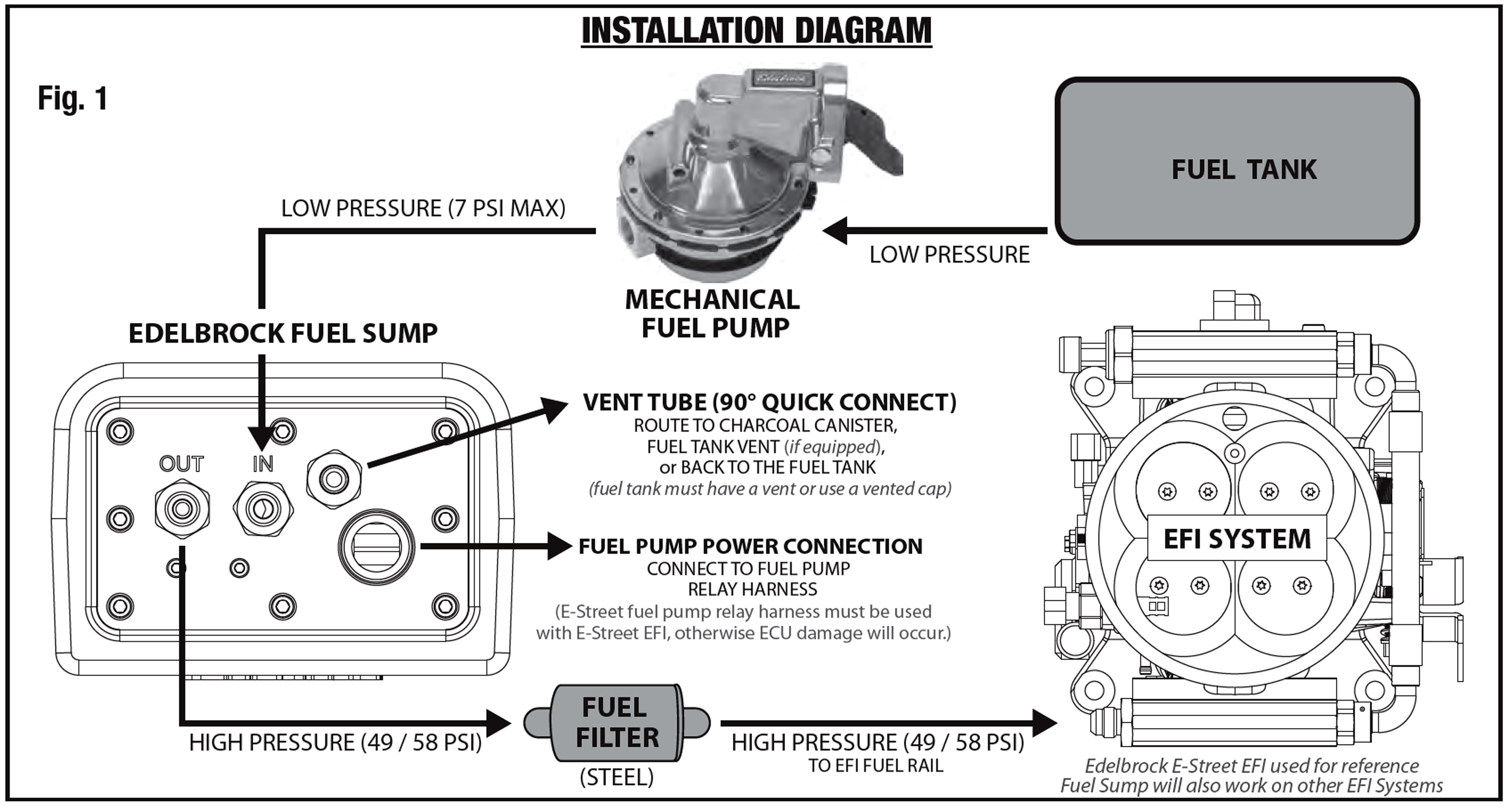
How Does A Bypass Fuel Filter Work Diagram Explain?
The diagram shows fuel flow entering the filter housing. A small portion passes through the filter element, trapping contaminants. Clean fuel returns to the tank or engine, while unfiltered fuel continues its path. This ensures continuous filtration without restricting fuel flow.
Why Is Bypass Fuel Filtration Important For Engines?
Bypass filtration removes tiny particles that primary filters miss. It prevents engine wear and clogging of fuel injectors. This improves fuel efficiency, reduces maintenance, and extends engine life by maintaining cleaner fuel.
Where Is A Bypass Fuel Filter Located In Vehicles?
Bypass fuel filters are usually installed near the fuel tank or engine. Placement allows fuel to circulate continuously through the filter. This location helps maintain clean fuel supply during engine operation.
Conclusion
A bypass fuel filter helps keep your engine clean and running well. It filters tiny dirt particles that regular filters might miss. This keeps fuel flowing smoothly and protects engine parts from damage. The diagram shows how fuel moves through the filter and returns to the tank.
Understanding this process helps you maintain your vehicle better. Clean fuel means better engine life and performance. Simple but important. Regular checks and timely filter changes keep your engine healthy. Now you know how a bypass fuel filter works and why it matters.


