
Have you ever wondered what keeps your engine running smoothly and protects it from damage? One key player you might not think about is the fuel filter sensor.
This small device works quietly behind the scenes to make sure your fuel stays clean and your car performs at its best. Understanding how a fuel filter sensor works can help you spot problems early and save you from costly repairs.
Keep reading to discover the simple yet vital role this sensor plays in your vehicle’s health.
Credit: www.entratech.com
Fuel Filter Sensor Basics
The fuel filter sensor plays a key role in keeping your engine safe and running well. It checks the condition of the fuel filter. This sensor detects if dirt or water blocks the filter. It helps avoid engine problems caused by bad fuel.
Understanding how this sensor works helps you care for your vehicle better. The basics involve knowing its purpose and parts. These points explain how the sensor protects your engine.
Purpose Of The Sensor
The sensor monitors the fuel filter’s condition continuously. It detects clogs or water in the filter. When problems arise, it sends a warning to the car’s computer. This alert lets you replace or clean the filter early. It prevents engine damage and improves fuel efficiency. The sensor helps maintain smooth engine performance and reduces repair costs.
Key Components
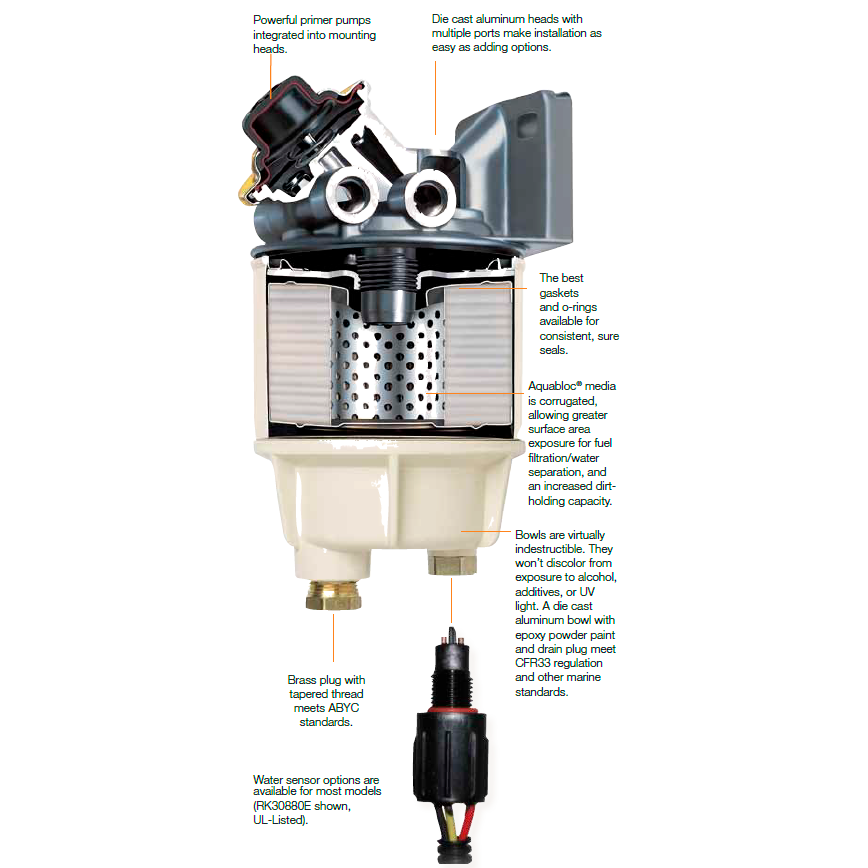
The fuel filter sensor has a few main parts. A pressure sensor measures fuel flow and resistance. A water sensor detects water inside the filter. The sensor has an electronic circuit that sends data to the car’s control unit. Some sensors include a heating element to remove moisture. These parts work together to spot filter issues fast. This ensures your engine gets clean fuel all the time.
How Fuel Filter Sensors Detect Issues
Fuel filter sensors play a vital role in keeping engines safe and efficient. They detect problems early by checking the fuel’s condition. This section explains how these sensors spot issues. Understanding this helps maintain your vehicle’s health and avoid costly repairs.
Monitoring Fuel Flow
Fuel filter sensors track the flow of fuel through the system. They measure how much fuel passes through at any time. A drop in flow can signal a clog or blockage in the filter. The sensor alerts the engine control unit to adjust performance or warn the driver.
Detecting Contaminants
Sensors detect dirt, water, or other impurities in the fuel. They use special materials that react to contaminants. When impurities build up, the sensor changes its signal. This helps prevent damage caused by dirty fuel reaching the engine parts.
Pressure And Differential Measurement
Fuel filter sensors measure pressure before and after the filter. They compare these pressures to find differences. A high difference means the filter is clogged and fuel flow is restricted. The sensor sends a warning to replace or clean the filter to maintain smooth engine operation.
Types Of Fuel Filter Sensors
Fuel filter sensors help protect engines by detecting dirt and water in fuel. These sensors come in different types. Each type works in a unique way. They help keep fuel clean and engines running smoothly.
Understanding the types of fuel filter sensors can help you choose the right one. It also explains how they detect problems early.
Mechanical Sensors
Mechanical sensors use simple parts to detect fuel issues. They often have floats or diaphragms. These parts move when water or dirt builds up. The movement triggers a warning signal. Mechanical sensors do not need electricity. They are reliable and easy to maintain.
Electronic Sensors
Electronic sensors use electrical signals to detect fuel quality. They measure changes in fuel flow or pressure. These sensors can detect very small amounts of dirt or water. They send signals to the vehicle’s computer. This allows quick alerts about fuel problems. Electronic sensors are more precise than mechanical ones.
Smart Sensor Technologies
Smart sensors combine electronic parts with advanced software. They analyze fuel conditions in real time. These sensors can predict filter clogging before it happens. They share data with the vehicle’s system for better control. Smart sensors improve engine safety and fuel efficiency. They are common in modern vehicles.
Credit: www.insatechmarine.com
Impact On Engine Efficiency
The fuel filter sensor plays a key role in keeping your engine running smoothly. It helps maintain engine efficiency by monitoring fuel quality and flow. This sensor ensures that the engine gets clean fuel without any blockages or impurities. Its function directly affects how well your engine performs and how much fuel it uses.
Preventing Fuel Blockages
The sensor detects dirt and debris in the fuel filter early. It alerts the system before blockages become serious. This prevents fuel flow problems that can cause engine stalling or poor performance. Clean fuel keeps the engine parts safe and working well. Less blockage means fewer breakdowns and longer engine life.
Optimizing Fuel Consumption
The sensor helps deliver fuel at the right rate. Proper fuel flow means the engine burns fuel more efficiently. This reduces fuel waste and saves money. Efficient fuel use also keeps the engine running at its best power. Good fuel flow supports smooth acceleration and steady speed.
Reducing Emissions
Clean fuel leads to cleaner engine combustion. The sensor helps cut down harmful gas emissions. Lower emissions help the environment and meet legal standards. A well-functioning fuel filter sensor keeps the engine greener. It supports a healthier planet by reducing pollution from vehicles.
Common Sensor Problems
Fuel filter sensors play a key role in keeping engines clean and running smoothly. Like all sensors, they can face problems that affect their performance. Understanding common sensor issues helps in quick fixes and avoids bigger engine troubles.
Signs Of Sensor Failure
Watch for engine misfires and poor fuel economy. The check engine light may turn on. You might hear unusual noises from the engine. Sometimes, the vehicle struggles to start or stalls. These signs often point to a bad fuel filter sensor.
Causes Of Malfunction
Clogged fuel filters can stress the sensor. Dirt and debris may damage sensor parts. Electrical wiring issues cause sensor errors. Corrosion from moisture affects sensor signals. Over time, normal wear and tear reduce sensor accuracy.
Troubleshooting Tips
Start by checking for error codes with a scanner. Inspect the wiring and connectors for damage. Clean or replace the fuel filter regularly. Test the sensor’s voltage and resistance. Replace the sensor if it shows no improvement.
Maintenance And Replacement
Maintaining and replacing the fuel filter sensor is key to keeping your vehicle running smoothly. A clean and well-functioning sensor helps detect dirt and water in the fuel. This protects the engine and fuel system from damage. Regular care extends the sensor’s life and improves fuel efficiency.
Cleaning Procedures
Start by disconnecting the sensor from the fuel system. Use a soft brush to remove dirt from the sensor’s surface. Avoid harsh chemicals that can damage the sensor. Rinse it gently with clean fuel or a mild cleaning solution. Let it dry completely before reinstalling. Regular cleaning prevents false readings and sensor failure.
Replacement Intervals
Check your vehicle’s manual for specific replacement times. Most sensors need replacement every 30,000 to 50,000 miles. Replace the sensor sooner if you notice engine problems or warning lights. Old sensors can cause poor fuel flow and engine misfires. Timely replacement keeps your vehicle safe and efficient.
Choosing The Right Sensor
Select a sensor that matches your vehicle’s make and model. Use original or high-quality aftermarket parts for best results. Avoid cheap sensors as they may fail quickly. Confirm compatibility with your fuel system type. A proper sensor ensures accurate readings and long service life.
Future Trends In Fuel Sensor Technology
Fuel filter sensors are evolving with new technologies. These changes improve how sensors detect fuel quality and flow. The future brings smarter and more precise sensors. These sensors help vehicles run cleaner and more efficiently.
Car makers and tech companies work on better sensor designs. They focus on accuracy, system integration, and fuel types. These trends shape the next generation of fuel sensor technology.
Advancements In Sensor Accuracy
New sensors use advanced materials and designs. They detect smaller particles and impurities in fuel. This leads to fewer engine problems and longer engine life. Sensors will also react faster to changes in fuel quality. This quick response helps keep engines running smoothly.
Integration With Vehicle Systems
Fuel sensors are becoming part of bigger vehicle networks. They share data with engine control units and dashboard displays. Drivers get real-time information about fuel condition and filter health. This connection helps in early problem detection. It also supports automatic adjustments for better engine performance.
Role In Alternative Fuels
Alternative fuels like ethanol and biodiesel need special sensors. New fuel sensors can work with these different fuel types. They monitor specific properties unique to alternative fuels. This ensures engines use these fuels safely and efficiently. Sensors help support the shift to cleaner energy sources.
Credit: www.tekniwiki.com
Frequently Asked Questions
What Is The Primary Function Of A Fuel Filter Sensor?
A fuel filter sensor monitors the condition of the fuel filter. It detects clogging or contamination that can affect engine performance. The sensor alerts the driver when the filter needs replacement, ensuring clean fuel flow and preventing engine damage.
How Does A Fuel Filter Sensor Detect Blockages?
The sensor measures fuel pressure or flow rate changes. When the fuel filter clogs, pressure drops or flow reduces. The sensor sends this data to the vehicle’s control system, triggering a warning light to inform the driver about the blockage.
Why Is A Fuel Filter Sensor Important For Vehicle Maintenance?
It helps maintain engine efficiency by ensuring clean fuel supply. Early detection of filter issues prevents engine damage and costly repairs. The sensor promotes timely filter replacement, improving fuel economy and vehicle performance.
Can A Faulty Fuel Filter Sensor Affect Engine Performance?
Yes, a malfunctioning sensor can give false readings or no alerts. This may lead to undetected filter clogging, causing poor engine performance, stalling, or reduced fuel efficiency. Regular sensor checks ensure reliable operation and vehicle safety.
Conclusion
A fuel filter sensor helps keep your engine clean and running well. It checks the fuel for dirt and tells you when the filter needs changing. This helps avoid engine problems and saves money on repairs. Knowing how the sensor works can help you take better care of your vehicle.
Simple steps like regular checks keep your car healthy and fuel-efficient. Trust the sensor to warn you before trouble starts. Clean fuel means smooth driving every time.


