

Have you ever wondered what keeps your car’s engine running smoothly every time you turn the key? One small but powerful part inside your vehicle plays a huge role in that—your fuel filter.
Without it, dirt and debris could sneak into your engine, causing trouble and costly repairs. Understanding how a fuel filter works can help you take better care of your car and avoid unexpected breakdowns. Keep reading, and you’ll discover the simple secret behind clean fuel and a healthy engine.
Fuel Filter Basics
A fuel filter is an important part of a car’s fuel system. It cleans the fuel before it reaches the engine. This helps the engine run smoothly and last longer.
Fuel filters catch dirt, rust, and other small particles in the fuel. Without a filter, these particles can damage the engine parts. A clean fuel filter keeps the fuel flow steady and safe.
Purpose Of A Fuel Filter
The main job of a fuel filter is to remove impurities from the fuel. It stops tiny dirt and debris from reaching the engine. This protects the fuel injectors and the engine parts.
A clean filter helps the engine burn fuel more efficiently. It also prevents engine problems like rough idling or stalling. Regular filter checks keep the car running well.
Types Of Fuel Filters
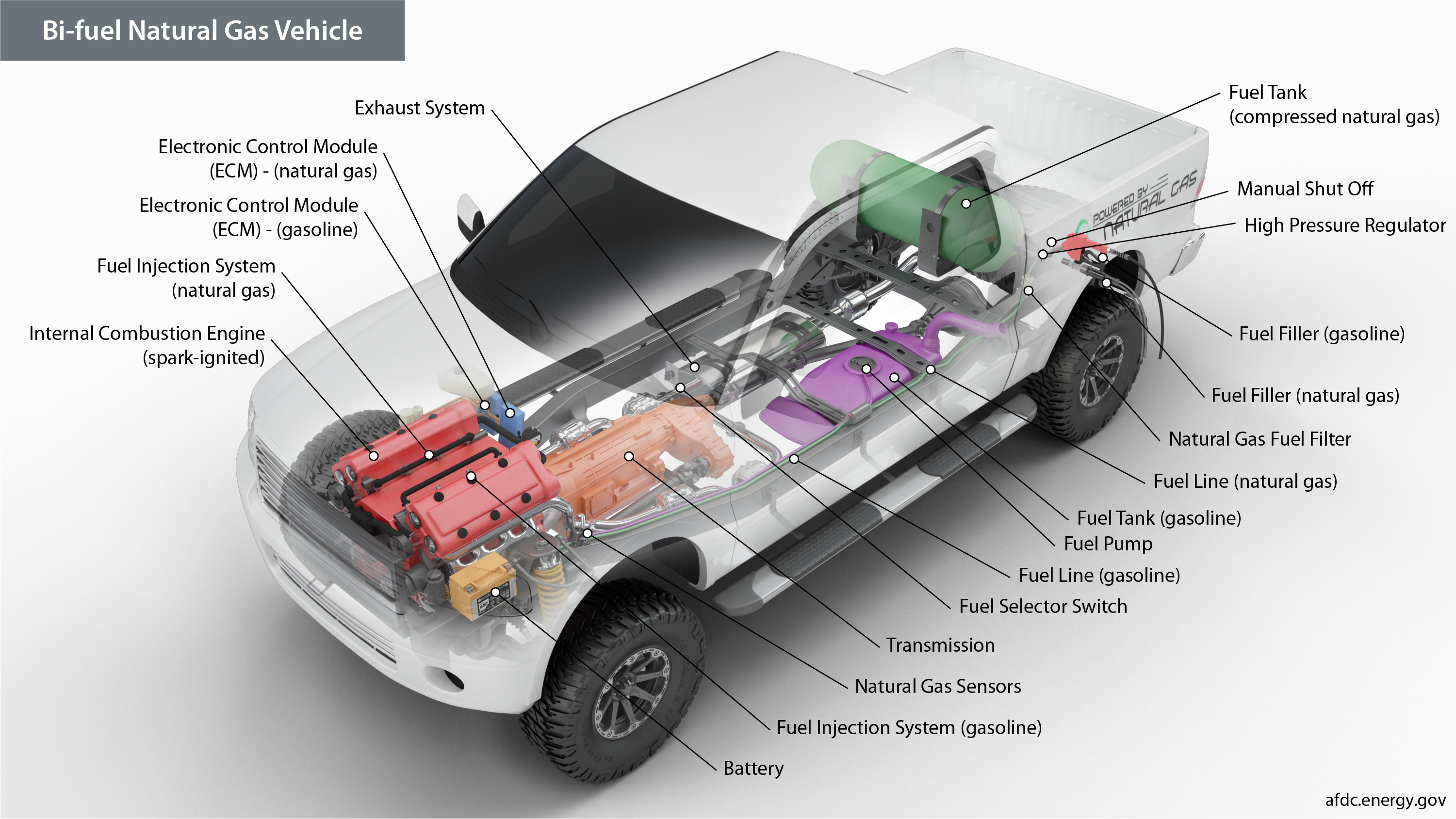
Fuel filters come in different types. The two most common are inline and cartridge filters. Inline filters are placed along the fuel line. Cartridge filters fit inside a housing unit.
Some cars use a fuel filter inside the fuel pump assembly. Diesel engines often have heavier-duty filters. Each type works to clean the fuel before it reaches the engine.
Credit: afdc.energy.gov
Fuel Flow And Filtration
The fuel flow and filtration system is key to a car’s engine health. It moves fuel from the tank to the engine while keeping it clean. Dirt and rust can harm engine parts. The fuel filter stops these particles before they reach the engine. This section explains how fuel moves and gets filtered.
Fuel Path In The Engine
Fuel starts in the tank. A pump pushes it through a fuel line. It passes through the fuel filter next. After filtering, fuel travels to the engine’s fuel injectors. These injectors spray fuel into the engine cylinders. The engine burns this fuel to create power. Clean fuel helps the engine run smoothly and last longer.
Filtering Process Explained
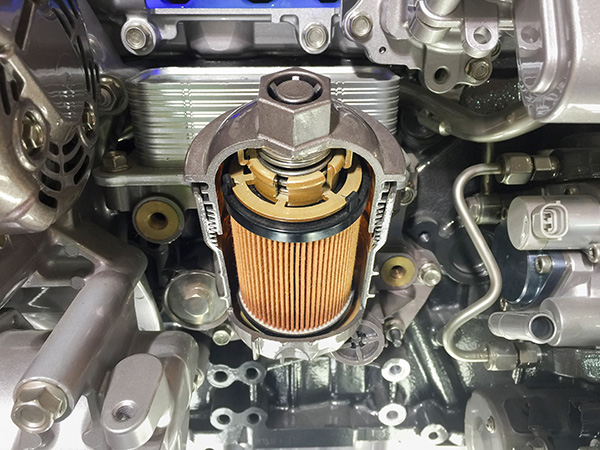
The fuel filter traps dirt, rust, and other debris. It uses a special filter material inside. Fuel flows through this material. Particles get stuck while fuel passes freely. This keeps harmful bits out of the engine. The filter also prevents clogging in fuel injectors. Regular filter changes keep fuel clean and the engine safe.
Common Contaminants In Fuel
Fuel in cars often contains tiny unwanted particles. These particles can harm the engine and reduce its performance. The fuel filter’s job is to catch these contaminants before they reach the engine. Understanding common contaminants helps explain why fuel filters are important.
Dirt And Debris
Dirt and debris are common in fuel. Dust from the air or dirt from storage tanks can mix with fuel. These solid particles can block fuel passages and damage engine parts. The fuel filter traps dirt to keep the fuel clean and flowing smoothly.
Water And Rust Particles
Water can enter the fuel through condensation or leaks. It causes poor engine performance and corrosion. Rust particles come from old fuel tanks and pipes. These tiny bits of rust can clog the fuel system. Fuel filters remove water and rust to protect the engine.
Credit: www.autoworks-wa.com
Signs Of A Clogged Fuel Filter
A fuel filter keeps dirt and debris from reaching the engine. Over time, it can get clogged. A clogged fuel filter blocks the flow of fuel. This causes problems in how your car runs. Recognizing these signs helps you avoid bigger issues.
Engine Performance Issues
A clogged fuel filter makes the engine run rough. The car may hesitate or stall while driving. Starting the engine can become harder. You might hear sputtering or jerking sounds. The engine may lose power going uphill or during acceleration.
Fuel Efficiency Drops
A blocked fuel filter causes poor fuel flow. The engine works harder, using more fuel. This lowers your car’s miles per gallon. You may notice you need to fill the tank more often. Fuel costs can rise without clear reasons.
Fuel Filter Maintenance
Fuel filter maintenance keeps your car running smoothly. It stops dirt and rust from reaching the engine. Clean fuel means better performance and longer engine life. Neglecting the filter can cause engine problems and poor fuel economy.
Regular care prevents costly repairs. Knowing when and how to maintain the fuel filter is important. Here are key points about replacement intervals and service options.
Replacement Intervals
Most car makers suggest changing the fuel filter every 20,000 to 40,000 miles. Some filters last longer, depending on fuel quality and driving conditions. Check your owner’s manual for exact guidance. Replace the filter sooner if the engine runs rough or stalls often. A clogged filter restricts fuel flow, harming engine power.
Diy Vs Professional Service
Changing a fuel filter can be a simple task for some car owners. It usually requires basic tools and safety precautions. Always relieve fuel system pressure before starting. Some filters are easy to reach, others are hidden in the fuel tank or under the car. Professionals have the right tools and experience. They can spot other fuel system issues during service. Choose a professional if unsure about the process or your tools.
Impact On Engine Health
The fuel filter plays a key role in keeping the engine healthy. It cleans the fuel before it reaches the engine. Dirt, rust, and other particles get trapped in the filter. This stops them from causing harm inside the engine. Clean fuel means the engine runs smoothly and without trouble.
Dirty fuel can cause many problems. It can block fuel injectors and reduce engine power. Over time, this can lead to costly repairs. A good fuel filter protects the engine by stopping these issues early. It helps the engine work at its best every day.
Preventing Damage
The fuel filter stops dirt and debris from entering the engine. These particles can scratch engine parts and cause wear. This damage lowers the engine’s performance and can cause breakdowns. The filter also prevents clogged fuel injectors. Clogged injectors make the engine run rough or stall. Using a clean fuel filter helps avoid these problems. It keeps the engine parts safe and working well.
Improving Longevity
A clean fuel filter helps the engine last longer. It ensures the engine gets clean fuel without harmful particles. This reduces engine stress and wear over time. Regular filter changes keep fuel flow steady and clean. A well-maintained engine uses fuel efficiently and runs better. This improves fuel economy and reduces emissions. Overall, the fuel filter is vital for a long, healthy engine life.

Credit: www.fuelfixer.co.uk
Frequently Asked Questions
What Is The Main Function Of A Fuel Filter In A Car?
A fuel filter cleans impurities from fuel before it reaches the engine. It prevents dirt and debris from clogging fuel injectors. This ensures smooth engine performance and better fuel efficiency. Regular filter maintenance helps avoid costly repairs and engine damage.
How Often Should A Car’s Fuel Filter Be Replaced?
Typically, replace the fuel filter every 20,000 to 40,000 miles. Check your vehicle manual for exact intervals. A clogged filter reduces fuel flow, causing poor engine performance. Timely replacement keeps fuel system clean and engine running smoothly.
What Happens If A Fuel Filter Gets Clogged?
A clogged fuel filter restricts fuel flow to the engine. This leads to engine misfires, stalling, and difficulty starting the car. Fuel efficiency drops, and engine performance suffers. Replacing the filter resolves these issues and protects engine components.
Can A Dirty Fuel Filter Damage The Engine?
Yes, a dirty fuel filter can cause engine damage. It allows contaminants to enter the engine, wearing out parts. Restricted fuel flow also stresses the engine and fuel pump. Regular filter changes prevent costly engine repairs and maintain vehicle reliability.
Conclusion
A fuel filter keeps your car’s engine clean and running smooth. It stops dirt and rust from reaching the engine parts. Clean fuel means better performance and fewer problems. Changing the fuel filter regularly helps avoid costly repairs. Remember, a small part can make a big difference.
Taking care of the fuel filter protects your car’s health. Simple steps keep your car reliable on the road. Easy to do and worth the effort.


