
Have you ever noticed your car acting sluggish or struggling to start? One common culprit behind these frustrating issues could be a clogged fuel filter.
But how does a fuel filter get clogged in the first place? Understanding this can help you protect your vehicle’s engine and avoid costly repairs. You’ll discover the surprising reasons your fuel filter might be blocking the flow, and what signs you should watch for before it’s too late.
Keep reading to learn how to keep your fuel system running smoothly and your car performing at its best.
Fuel Filter Basics
A fuel filter is a small but important part of a vehicle. It cleans the fuel before it reaches the engine. This helps the engine run smoothly and last longer. Understanding how a fuel filter works helps you care for your vehicle better.
Fuel filters catch dirt, rust, and other tiny particles. These particles can harm the engine if they enter the fuel system. Keeping the fuel filter clean is key to good engine health.
Role In Fuel System
The fuel filter stops harmful particles from reaching the engine. It protects fuel injectors and carburetors. Clean fuel means better engine performance and less wear. The filter also helps maintain fuel flow. A clogged filter can reduce power and cause engine problems.
Types Of Fuel Filters
Fuel filters come in different types. The most common are paper, mesh, and charcoal filters. Paper filters trap small particles well. Mesh filters are reusable and easy to clean. Charcoal filters remove odors and impurities. Each type fits different vehicles and needs.
Credit: www.jiffylube.com
Common Causes Of Clogging
Fuel filters play a vital role in protecting your engine. They block harmful particles from entering the fuel system. Over time, these filters can get clogged. Understanding common causes helps in timely maintenance. It keeps the engine running smoothly and efficiently.
Contaminated Fuel
Fuel often contains tiny particles. Dirt, dust, and other debris can enter during fuel handling. Contaminated fuel clogs the filter quickly. It stops proper fuel flow. This leads to engine problems and poor performance.
Rust And Dirt
Rust forms inside old fuel tanks. Dirt can enter through loose fuel caps or poor storage. These substances mix with fuel and reach the filter. Rust and dirt buildup block the filter’s tiny pores. This reduces fuel flow and causes engine strain.
Water In Fuel
Water can enter the fuel system from condensation or leaks. It does not burn like fuel. Water settles in the filter and causes corrosion. This damages the filter material. Water contamination reduces fuel efficiency and can harm the engine.
Aging And Wear
Fuel filters wear out over time. The filtering material breaks down with use. Old filters trap more particles and clog faster. Aging filters lose their effectiveness. Replacing them regularly prevents clogging and engine damage.
Symptoms Of A Clogged Fuel Filter
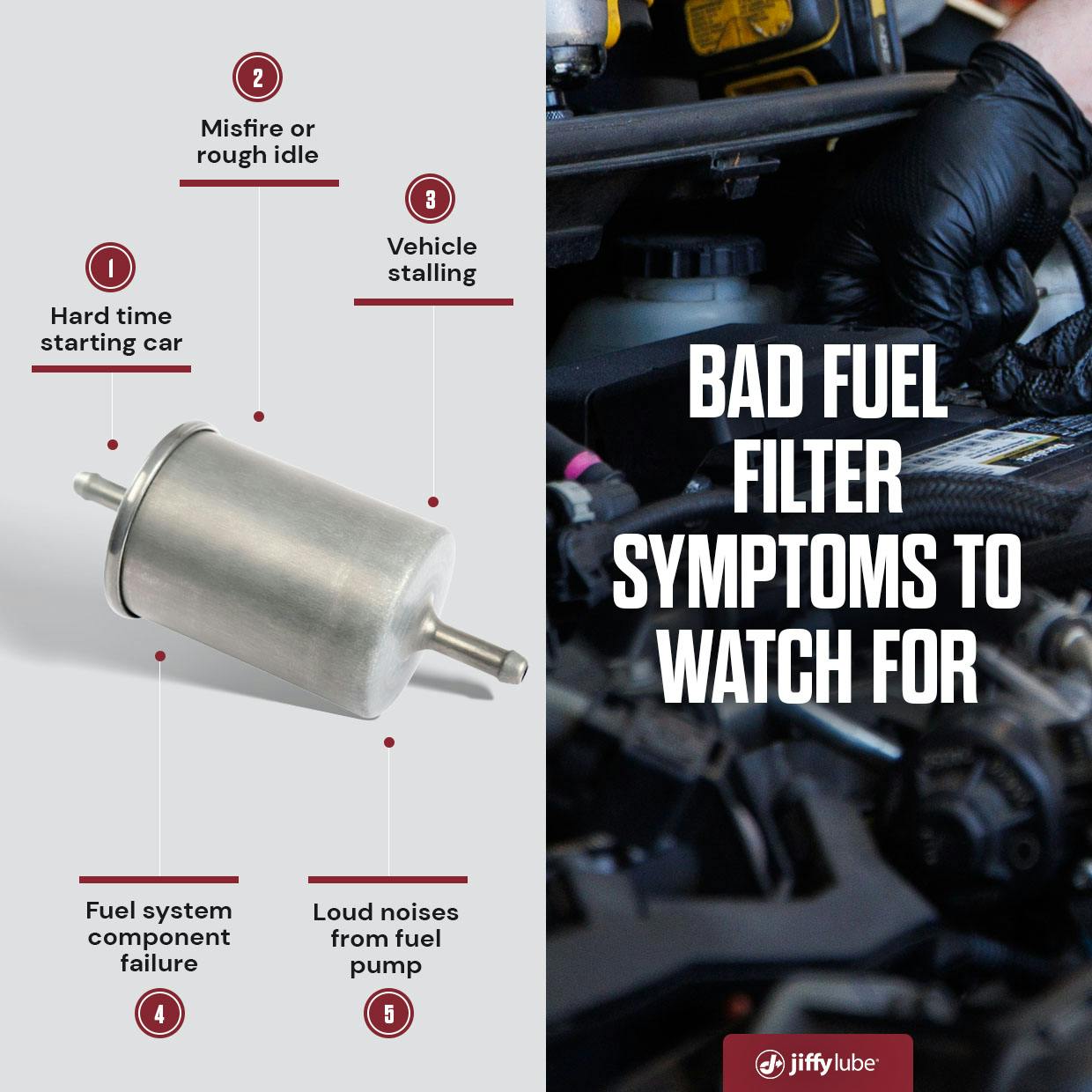
A clogged fuel filter can cause many problems in your vehicle. It stops fuel from flowing smoothly to the engine. This blockage leads to several signs that tell you the filter needs attention. Knowing these symptoms helps keep your car running well and avoids bigger issues.
Engine Performance Issues
The engine may run rough or lose power. It can hesitate or stall during driving. The car might struggle to accelerate. These problems happen because the engine gets less fuel than it needs.
Starting Problems
Starting the car can take longer than usual. Sometimes, the engine won’t start at all. A clogged fuel filter blocks fuel flow to the engine. This makes it hard for the engine to get fuel and start.
Reduced Fuel Efficiency
Your car uses more fuel than normal. You might fill the tank more often. A dirty fuel filter makes the engine work harder. This lowers fuel efficiency and increases fuel costs.
Unusual Engine Noises
The engine may make strange sounds like sputtering or knocking. These noises happen because the fuel supply is irregular. The clogged filter causes the engine to run unevenly and noisily.

Credit: www.reddit.com
Diagnosing Fuel Filter Problems
Diagnosing fuel filter problems is essential to keep your engine running smoothly. A clogged fuel filter can cause poor engine performance and reduce fuel efficiency. Identifying the issue early helps prevent costly repairs and keeps your vehicle reliable.
Visual Inspection
Start by checking the fuel filter for dirt and damage. Look for cracks, rust, or signs of fuel leaks. A dirty or damaged filter usually needs replacement. Also, inspect the fuel lines connected to the filter. Any cracks or leaks there can affect fuel flow.
Fuel Pressure Test
Testing fuel pressure reveals if the filter blocks fuel flow. Use a fuel pressure gauge to measure pressure at the fuel rail. Low pressure indicates a clogged filter or a failing fuel pump. This test helps confirm if the fuel filter is the problem.
Professional Diagnostics
Mechanics use advanced tools to check fuel system health. They scan the car’s computer for error codes related to fuel delivery. Professionals can test fuel flow and pressure precisely. Their expertise ensures accurate diagnosis and correct repair.
Solutions To Fuel Filter Clogging
Fuel filter clogging can cause many engine problems. It reduces fuel flow and affects performance. Understanding how to stop clogging helps keep your vehicle running well. There are clear solutions that prevent dirt and debris buildup in the fuel filter.
Proper care and simple steps can protect the fuel system. These solutions extend the life of your fuel filter. They also improve fuel efficiency and engine health.
Regular Replacement
Change the fuel filter at the recommended time. Old filters trap more dirt and block fuel flow. Follow your vehicle manual for the right schedule. New filters keep the fuel clean and engine safe. Don’t wait for signs of clogging to replace it.
Using Quality Fuel
Choose clean, high-quality fuel from trusted stations. Cheap or contaminated fuel has more particles. These particles cause the filter to clog faster. Good fuel reduces dirt and prevents early filter damage. Always check the fuel source before filling.
Fuel System Cleaning
Clean the fuel system regularly to remove built-up deposits. Use fuel system cleaners or visit a mechanic. This process clears dirt from injectors and filters. It helps fuel flow smoothly and prevents clogging. Keep the entire fuel system in good shape.
Preventive Maintenance Tips
Inspect your fuel system often for leaks and damage. Replace damaged parts immediately to avoid dirt entry. Avoid running the fuel tank too low. Low fuel increases the chance of sucking dirt. Keep the fuel tank clean and sealed tight.

Credit: www.autonationmobileservice.com
Frequently Asked Questions
What Causes A Fuel Filter To Get Clogged?
Fuel filters get clogged due to dirt, rust, and debris buildup. Contaminants from old fuel or dirty tanks accumulate over time. This restricts fuel flow and affects engine performance.
How Often Should Fuel Filters Be Replaced?
Fuel filters typically need replacement every 20,000 to 40,000 miles. However, follow your vehicle’s manual for exact intervals. Regular replacement prevents clogging and maintains fuel efficiency.
What Are Signs Of A Clogged Fuel Filter?
Signs include engine misfires, poor acceleration, stalling, and difficulty starting. Reduced fuel flow causes performance issues. Early detection helps avoid costly repairs.
Can Using Low-quality Fuel Clog The Filter Faster?
Yes, low-quality fuel contains more impurities and sediments. This leads to faster clogging of the fuel filter. Using high-quality fuel prolongs filter life and engine health.
Conclusion
Fuel filters catch dirt and debris from your fuel. Over time, these particles build up and block fuel flow. A clogged filter can cause engine problems and reduce fuel efficiency. Regular checks and timely replacement keep your engine running smoothly.
Clean fuel means better performance and fewer repairs. Stay aware of signs like rough idling or slow acceleration. Taking care of your fuel filter helps your vehicle last longer. Simple maintenance goes a long way. Don’t let a dirty filter slow you down.


