

Have you ever wondered how simple it really is to change your fuel filter? If your car isn’t running as smoothly as it should, a clogged fuel filter might be the culprit.
The good news is, replacing it might be easier than you think. You’ll discover step-by-step how to do it yourself, saving time and money. Keep reading, and you’ll gain the confidence to take control of your car’s health with just a few basic tools.
Ready to find out how easy it can be? Let’s dive in.

Credit: www.wikihow.com
Signs You Need A Fuel Filter Change
Knowing the signs of a failing fuel filter helps avoid engine problems. The fuel filter stops dirt and rust from entering the engine. Over time, it clogs and limits fuel flow. Recognizing early signs saves time and money on repairs. Watch for common symptoms and how they affect engine performance.
Common Symptoms
Hard starting is a top sign of a clogged fuel filter. The engine may crank but fail to start easily. You might notice the engine stalling during driving. Another symptom is a rough idle or uneven engine running. Reduced fuel efficiency and power loss also occur. Strange noises from the fuel pump can signal strain. These signs point to restricted fuel flow needing attention.
Impact On Engine Performance
A dirty fuel filter starves the engine of fuel. This causes poor acceleration and sluggish response. The engine may hesitate or sputter when pressing the gas. Fuel pressure drops, affecting how smoothly the engine runs. Over time, this strain can damage fuel injectors or the pump. Clean fuel flow keeps the engine strong and efficient. Changing the fuel filter restores smooth engine operation and saves costly repairs.
Credit: www.invidiavoices.co.uk
Tools And Materials Needed
Changing a fuel filter requires some basic tools and materials. Having the right items ready makes the job easier and faster. It helps avoid mistakes and keeps you safe. Below is a list of what you need before starting.
Essential Tools
A new fuel filter is the first must-have. Pick the correct one for your vehicle model. Wrenches or socket sets help remove bolts and clamps. Fuel line disconnect tools may be needed for some cars. A screwdriver can loosen hose clamps. A container to catch spilled fuel prevents messes. Clean rags or paper towels help wipe up any fuel drips.
Safety Equipment
Fuel is flammable and dangerous. Safety glasses protect your eyes from splashes. Gloves keep your hands safe from fuel and dirt. Work in a well-ventilated area to avoid inhaling fumes. Have a fire extinguisher nearby just in case. Avoid open flames or sparks near the work area. Proper safety gear prevents accidents and injuries.
Preparing Your Vehicle
Preparing your vehicle is the first step to changing a fuel filter safely. Proper preparation helps avoid spills and accidents. It also makes the job easier and faster. Two important tasks are finding the fuel filter and relieving the fuel system pressure.
These tasks require care and attention. Taking time to prepare will save trouble later. Let’s start with locating the fuel filter.
Locating The Fuel Filter
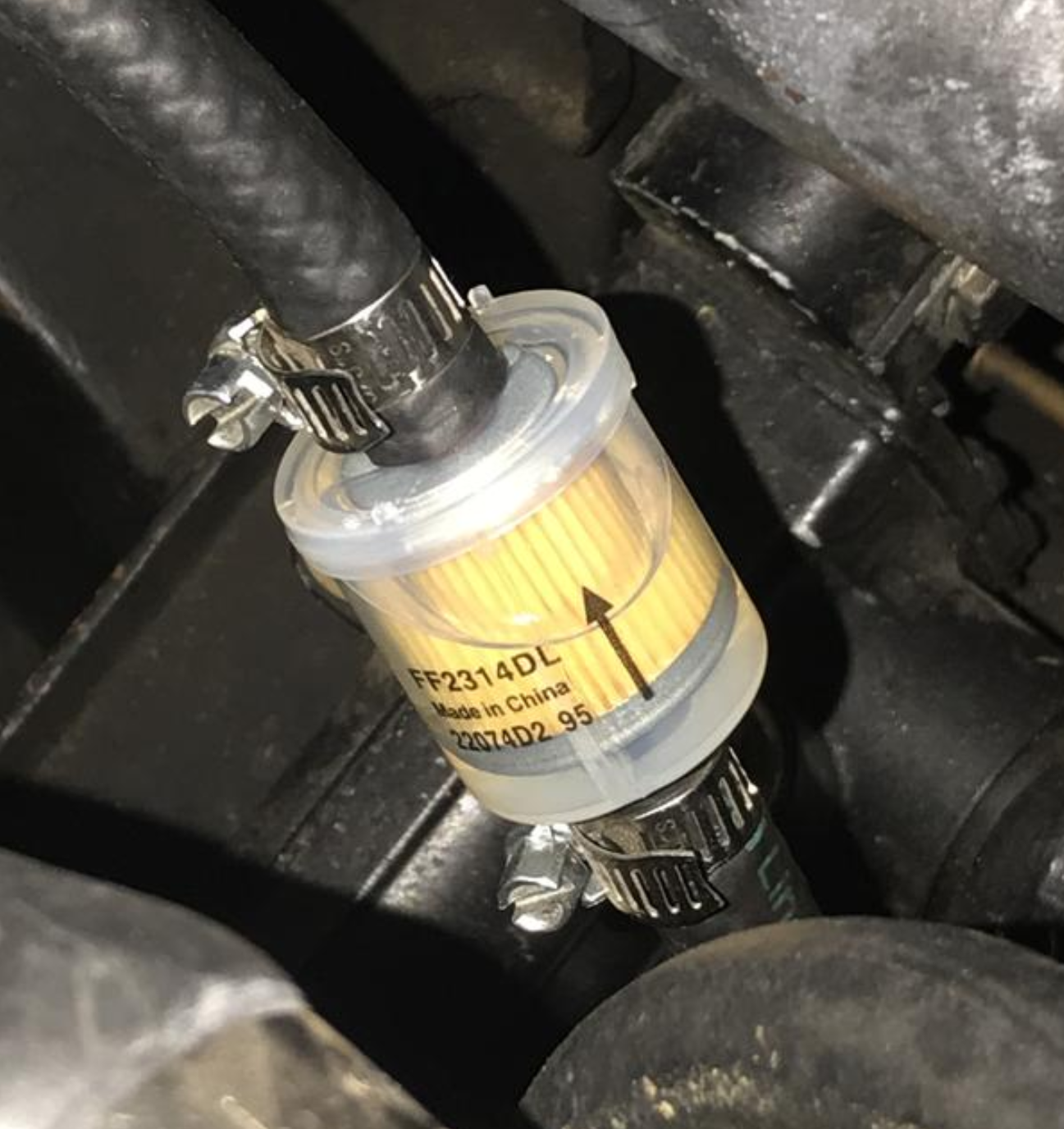
The fuel filter is usually near the fuel tank or engine. It can be under the car or inside the engine bay. Some cars have the filter inside the fuel pump module.
Check your vehicle’s manual to find the exact spot. The fuel filter looks like a small cylinder or canister. It connects to the fuel lines with clips or bolts. Make sure the engine is cool before you start looking.
Relieving Fuel System Pressure
Fuel system pressure must be released before removing the filter. This step stops fuel from spraying out. Locate the fuel pump fuse in the fuse box. Remove the fuse to stop the fuel pump.
Start the engine and let it run until it stops. This uses up fuel in the lines and lowers pressure. Turn off the ignition and disconnect the battery for safety. Now, you can work on the fuel filter safely.
Step-by-step Fuel Filter Replacement
Replacing a fuel filter is a simple task that anyone can do with the right guide. It helps keep your engine clean and running well. This step-by-step guide breaks down the process into easy actions.
Follow these steps carefully to change your fuel filter. The tools needed are basic and often found in a home garage.
Removing The Old Filter
Start by locating the fuel filter under your vehicle or near the engine. Make sure the engine is cool before you begin. Use a wrench to loosen the bolts or clips holding the filter. Be ready for some fuel to spill out. Carefully disconnect the fuel lines from the filter. Take out the old filter and check for dirt or rust.
Installing The New Filter
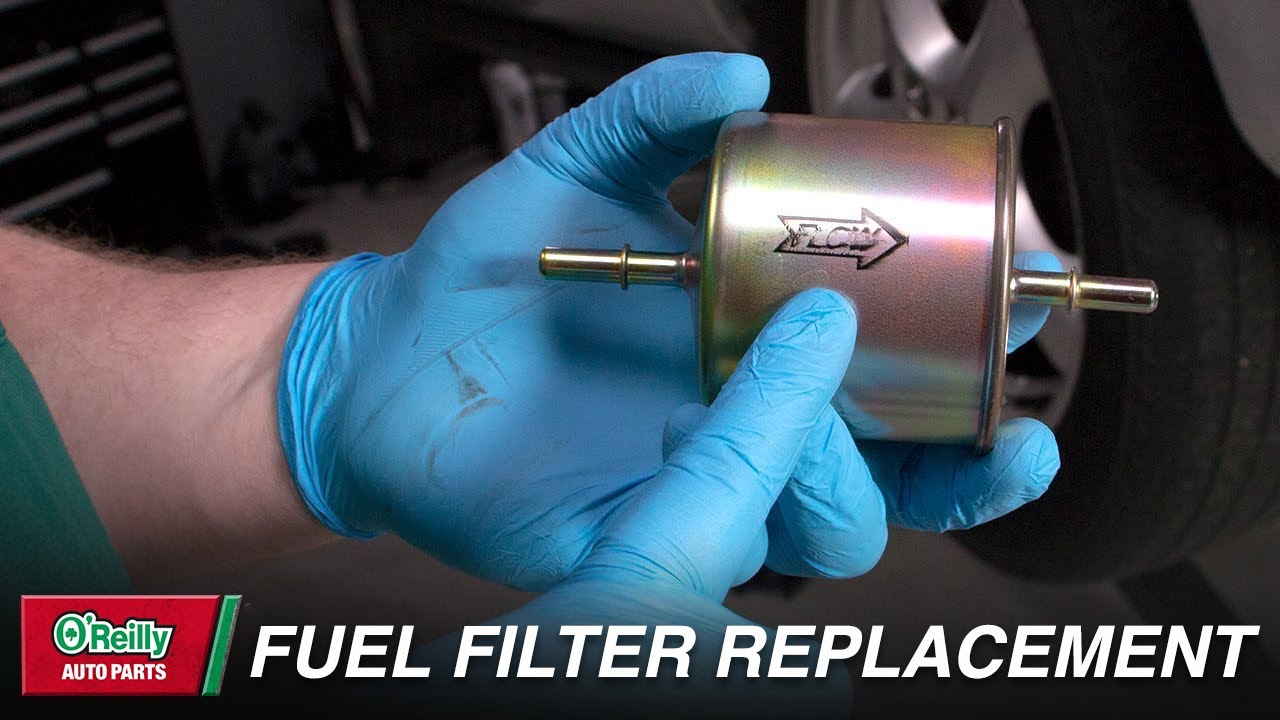
Take the new filter and compare it with the old one to ensure a match. Attach the fuel lines to the new filter in the right direction. Secure the filter with bolts or clips. Double-check all connections to avoid leaks. Turn on the engine and watch for any fuel leaks. The engine should run smoothly after the replacement.
Post-replacement Checks
After changing the fuel filter, some checks are important. These checks help ensure the replacement is done right. They prevent future problems and keep the engine running smoothly. Taking a few minutes for these checks saves time and money later.
Checking For Leaks
Look closely at the new fuel filter and surrounding areas. Check for any wet spots or fuel drips. Fuel leaks can cause engine problems or safety risks. Tighten connections if you find any leaks. Make sure the fuel lines are secure and undamaged.
Testing Engine Performance
Start the engine and listen carefully. The engine should run smoothly without stalling or hesitation. Notice if the engine responds well when you press the gas pedal. Poor performance may mean the filter is clogged or installed wrong. A good test confirms the fuel flows properly to the engine.
Tips For Maintaining Fuel Filter Health
Keeping a fuel filter in good shape helps your engine run smoothly. Dirt and debris can block the filter, causing problems. Simple steps can keep the fuel filter healthy. This saves money and prevents engine troubles.
Recommended Replacement Intervals
Check your vehicle’s manual for fuel filter replacement times. Most cars need a new filter every 20,000 to 40,000 miles. Changing it on time stops clogs and keeps fuel flowing. Don’t wait for signs of trouble. Stick to the schedule for best results.
Preventive Measures
Use clean fuel from trusted sources to avoid dirt. Avoid running your tank very low, as debris gathers at the bottom. Regular vehicle check-ups help spot fuel filter issues early. Clean fuel injectors also reduce stress on the filter. These small habits extend the fuel filter’s life.
Credit: www.youtube.com
Frequently Asked Questions
How Often Should I Change My Fuel Filter?
Most experts recommend changing your fuel filter every 20,000 to 30,000 miles. However, check your vehicle’s manual for specific guidelines.
What Tools Do I Need To Change A Fuel Filter?
You typically need a wrench, screwdrivers, and possibly pliers. Always use the correct size tools for your vehicle’s fuel filter.
Can I Change A Fuel Filter Myself Safely?
Yes, with proper tools and precautions, you can safely change the fuel filter. Always relieve fuel pressure and work in a ventilated area.
How Long Does It Take To Replace A Fuel Filter?
Replacing a fuel filter usually takes 30 to 60 minutes. This depends on your vehicle’s design and your mechanical experience.
Conclusion
Changing a fuel filter is simpler than many expect. Basic tools and a little care make the task doable. It helps keep your engine running smoothly. Regular changes prevent costly repairs later. Take your time and follow safety steps. This small job saves money and hassle.
Anyone can learn with patience and practice. Give your vehicle the care it deserves.


