

Have you ever wondered just how fast NASCAR cars really go? If you’re curious about the speed and power behind these roaring machines, you’re in the right place.
Understanding their top speeds will give you a new appreciation for the skill and bravery of the drivers. Keep reading, and you’ll discover surprising facts that will make you see NASCAR racing in a whole new light. Your next thrilling insight into the world of speed starts here!
Credit: carbuzz.com
Nascar Speed Basics
NASCAR cars are built for speed and endurance on oval tracks. Their design focuses on achieving high speeds while maintaining control. Drivers push these cars to their limits during races. Understanding how fast NASCAR cars go helps fans appreciate the sport better.
Speed varies depending on the track, car setup, and race conditions. This section explains typical race speeds, top speed records, and key factors affecting speed.
Typical Race Speeds
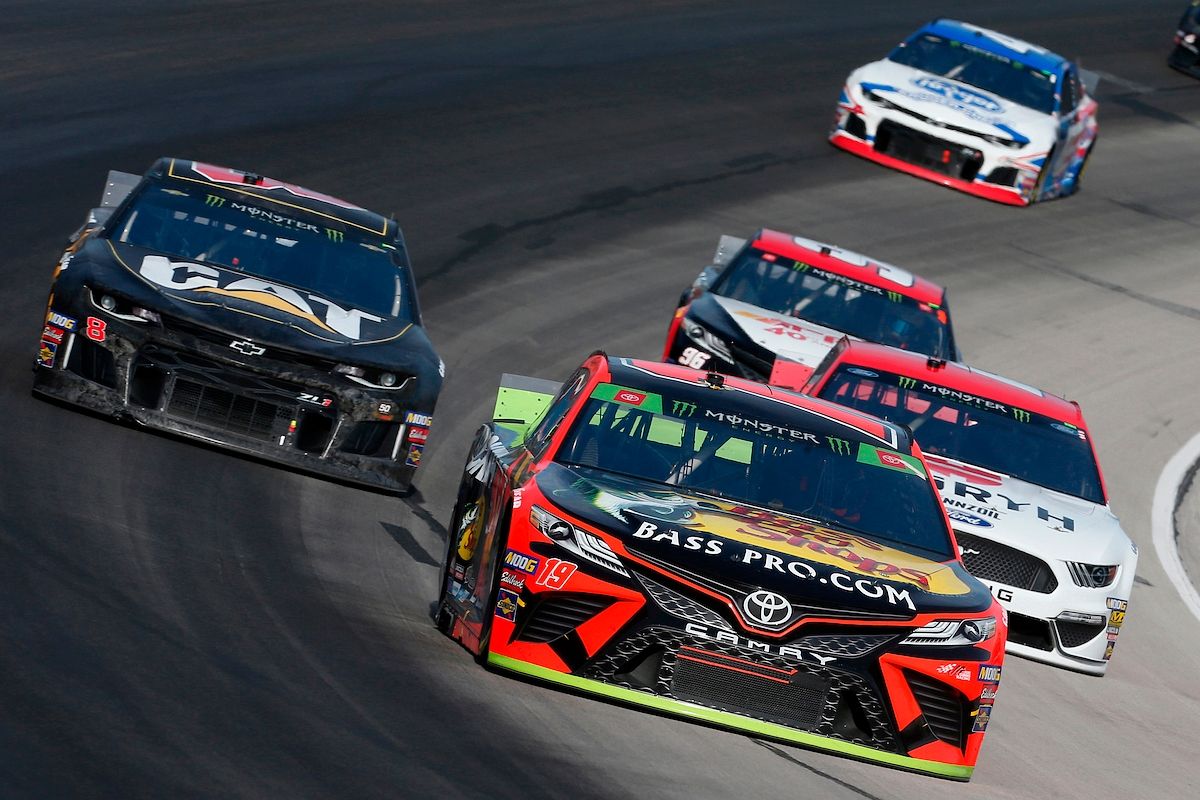
During races, NASCAR cars usually reach speeds of 150 to 200 miles per hour. Speeds depend on the track type. Short tracks see slower speeds, while superspeedways allow faster racing. Drivers must balance speed with safety and control.
Top Speed Records
The fastest NASCAR speed recorded is around 212 miles per hour. This record was set during qualifying laps. Race speeds are often slightly lower due to traffic and race conditions. Speed records show how powerful and fast these cars can be.
Factors Affecting Speed
Many elements influence NASCAR car speed. Aerodynamics plays a big role in reducing drag. Engine power affects acceleration and top speed. Track layout and surface also impact how fast cars can go. Weather conditions like wind and temperature matter too. Drivers’ skills and race strategy help manage speed safely.
Credit: racingnews365.com
Car Design And Speed
Nascar cars reach incredible speeds because of their smart design. Every part works to boost speed and keep the car safe on the track. The design focuses on power, smooth airflow, and strong grip. These factors help Nascar cars race fast and handle sharp turns.
Understanding the car design helps explain how fast these cars go. Below are key parts that make speed possible.
Engine Power
Nascar engines are built to produce huge power. They can generate over 750 horsepower. This power helps cars reach speeds above 200 miles per hour. The engines are V8 types, designed for quick acceleration and strong performance. They use special fuel and parts to keep running at high speed for long races.
Aerodynamics
Aerodynamics shapes how air moves around the car. Nascar cars have smooth bodies to cut air resistance. The front splitter and rear spoiler control airflow to keep the car stable. This design reduces drag and adds downforce. Downforce pushes the car down, improving tire grip in turns. Good aerodynamics means faster speed and better control.
Tire Technology
Tires play a big role in speed and safety. Nascar tires are made from special rubber compounds for high grip. They are wide and have no grooves to maximize contact with the track. Tires must handle heat and wear during long races. Teams change tires often to keep the car fast and steady. Strong tires help drivers keep control at top speeds.
Track Influence On Speed
The type of track greatly affects how fast NASCAR cars can go. Each track has unique features that change the speed and style of racing. Drivers and teams adjust their strategies to fit the track’s shape and conditions. This section explains how different tracks influence NASCAR speeds.
Oval Tracks
Oval tracks are the most common in NASCAR. They have simple, rounded shapes with banked turns. Cars can maintain high speeds because the turns are smooth and wide. Drivers often reach speeds around 180 to 200 mph. The constant turning tests a car’s grip and the driver’s skill in cornering.
Road Courses
Road courses have many turns, both left and right, with varying angles. These tracks slow cars down compared to ovals. Speeds usually range from 120 to 150 mph. Drivers need strong braking skills and precise handling. The technical layout demands careful control, which limits top speed.
Superspeedways
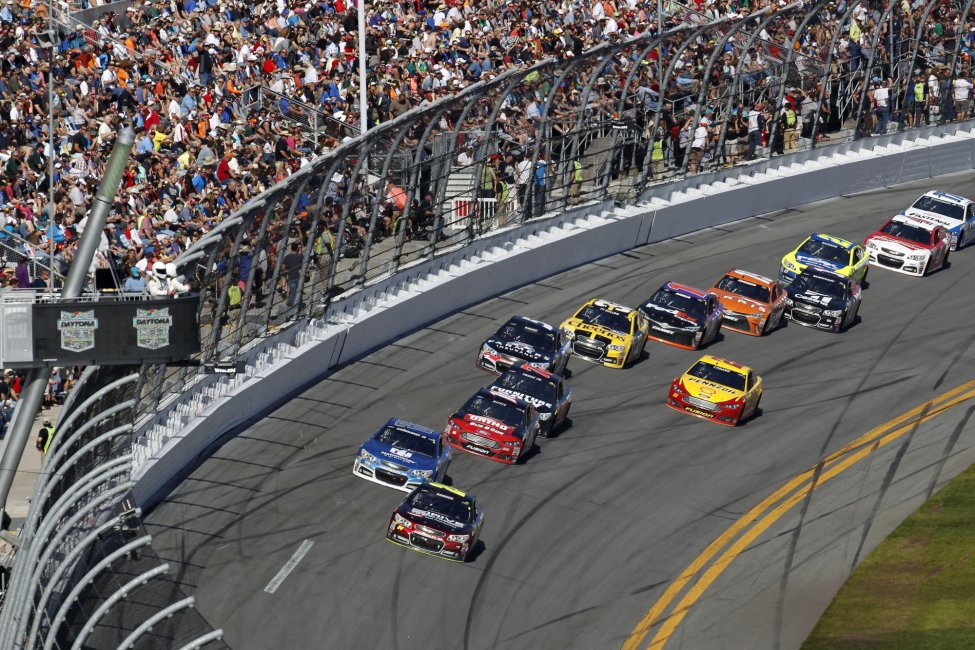
Superspeedways are the fastest tracks in NASCAR. They are very long and have steep banking. Cars can reach speeds over 200 mph here. The long straight sections allow for full acceleration. Drafting, or following closely behind another car, helps drivers gain extra speed on these tracks.
Speed Limits And Safety
Nascar cars reach incredible speeds, but safety rules keep drivers protected. Speed limits on some tracks help control how fast cars go. These limits balance excitement with safety. Speed plays a big role in racing, but safety is the top priority.
Restrictor Plates
Restrictor plates limit engine power. They reduce the air flow to the engine. This lowers the car’s top speed. NASCAR uses them on certain tracks to keep speeds safe. Restrictor plates help prevent crashes at very high speeds.
Safety Regulations
NASCAR has strict safety rules for cars and tracks. Cars have roll cages, fire suits, and helmets. Tracks have barriers and safety crews ready. These rules reduce injury risks during crashes. Safety equipment keeps drivers safer at high speeds.
Impact On Race Strategy
Speed limits change how teams plan their race. Drivers must adjust their passing and timing. Slower speeds can lead to closer races. Teams focus on fuel and tire management too. Strategy becomes key to winning under speed limits.
Comparing Nascar To Other Motorsports
NASCAR cars are fast, but how do they compare to other types of race cars? Different motorsports have different speeds and styles. Each sport uses unique cars designed for specific tracks and rules. Comparing these speeds helps us understand how NASCAR fits in the world of racing.
Formula 1 Speeds
Formula 1 cars are some of the fastest on road circuits. They can reach speeds over 230 mph on straight sections. These cars are lightweight and use advanced aerodynamics. Their design helps them take sharp turns at high speeds. F1 races focus on speed, precision, and technology.
Indycar Speeds
IndyCars race on oval tracks, road courses, and street circuits. Their top speeds on ovals can exceed 230 mph. These cars are built for both speed and endurance. IndyCar races often have long distances and high-speed battles. The cars balance power and stability for different track types.
Drag Racing Speeds
Drag racers are incredibly fast but only for a short distance. Top drag racing cars can hit over 330 mph in just a few seconds. They race in a straight line over a quarter-mile track. Drag racing focuses on explosive speed and quick reactions. The cars use massive engines to reach extreme speeds fast.
Credit: motorsporttickets.com
Drivers Pushing The Limits
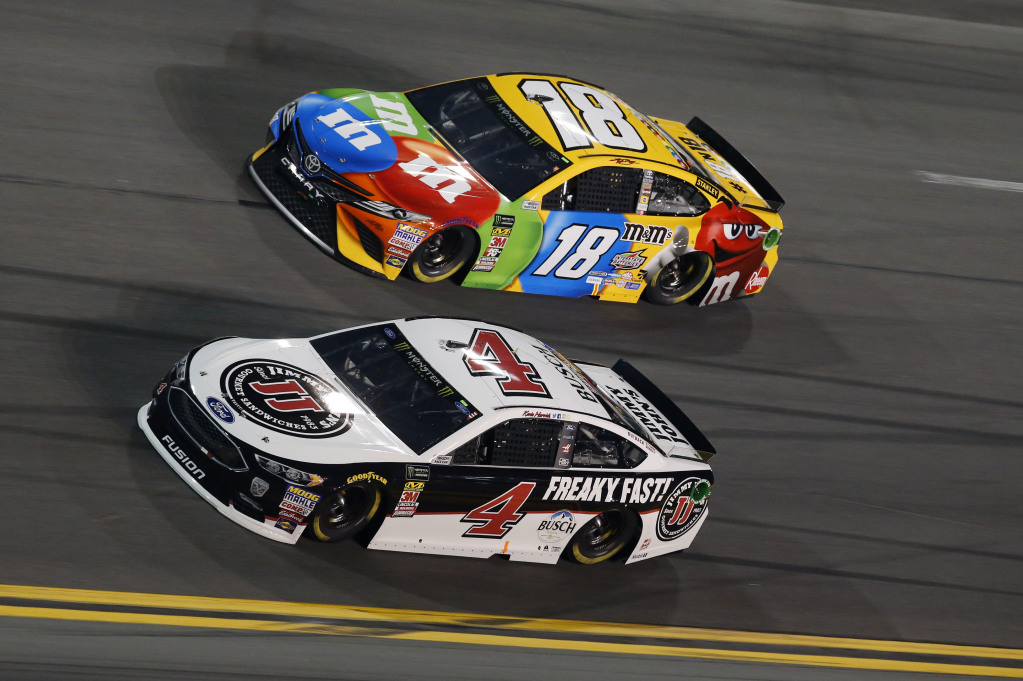
NASCAR drivers push their cars to the edge. They race at incredible speeds on tight tracks. The skill to control such fast vehicles is impressive. Drivers face high risks and must stay sharp. Their focus and courage make the sport thrilling to watch.
Fastest Drivers In Nascar History
Some drivers are known for reaching amazing speeds. Bill Elliott set a record in 1987 with a speed over 212 mph. Rusty Wallace and Mark Martin also hit top speeds near 200 mph. These drivers showed great control at high velocity. Their talent helped them stand out in NASCAR.
Notable Speed Moments
Speed records happen during qualifying laps and races. In 2019, Denny Hamlin reached 212.8 mph during qualifying. Moments like these excite fans and drivers alike. Tracks like Talladega and Daytona allow the highest speeds. The rush of speed is part of NASCAR’s thrill.
Training For High-speed Racing
Drivers train hard to handle fast cars safely. They practice reaction time and car control daily. Physical fitness is vital to endure long races. Mental focus helps drivers make split-second decisions. Training prepares them to push limits while staying safe.
Frequently Asked Questions
How Fast Do Nascar Cars Typically Go?
NASCAR cars usually reach speeds between 180 to 200 mph on oval tracks. The exact speed depends on the track type and conditions. Superspeedways allow cars to hit top speeds near 200 mph, while shorter tracks result in slower speeds.
What Factors Affect Nascar Car Speed?
Track length, car setup, and weather impact NASCAR car speed. Aerodynamics and engine power are key for maximum velocity. Drivers also adjust tactics based on track curves and traffic, influencing overall speed during races.
Are Nascar Speeds Faster Than Other Racing Series?
NASCAR speeds are generally lower than Formula 1 but higher than many stock car series. F1 cars can exceed 230 mph on some tracks, while NASCAR cars focus more on endurance and close competition at slightly lower speeds.
How Does Drafting Influence Nascar Car Speed?
Drafting allows NASCAR cars to reduce air resistance and increase speed. By closely following another car, drivers save fuel and gain momentum. This technique is crucial on superspeedways for maintaining top speeds and executing overtakes.
Conclusion
Nascar cars reach speeds over 200 miles per hour. Drivers need great skill to control them safely. These fast speeds make races exciting and intense. Every race tests the limits of both car and driver. Fans enjoy the thrill of speed and competition.
Understanding how fast these cars go adds to the fun. Speed, skill, and strategy all matter on the track. Nascar remains one of the most thrilling sports to watch.


