

If you own a Mercruiser engine, you know how important it is to keep it running smoothly. One key part that often gets overlooked is the inline fuel filter.
But how often should you change it to avoid costly damage or engine trouble? Knowing the right timing can save you from unexpected breakdowns and keep your boat performing at its best. You’ll discover exactly when and why you need to replace your Mercruiser inline fuel filter, so you can protect your investment and enjoy worry-free time on the water.
Keep reading to find out the simple steps that make a big difference in your engine’s health.

Credit: www.youtube.com
Signs Of A Clogged Fuel Filter
A clogged Mercruiser inline fuel filter can cause serious problems. It blocks the flow of fuel to the engine. This makes the engine work harder and less efficiently. Recognizing the signs early helps you avoid costly repairs. Watch for changes in engine behavior and fuel use. These clues tell you when to replace the filter.
Engine Performance Issues
A clogged fuel filter reduces fuel flow. The engine may sputter or hesitate. It can also lose power during acceleration. Rough idling or stalling happens more often. These symptoms show the engine is not getting enough fuel.
Fuel Efficiency Drop
Your boat may use more fuel than usual. The engine works harder to keep running. This wastes fuel and lowers efficiency. Noticeable drops in miles or hours per gallon signal a clogged filter.
Starting Difficulties
The engine takes longer to start or fails to start. Fuel struggles to reach the engine fast enough. You may hear the starter turn but no ignition. This is a clear sign the filter is blocked.
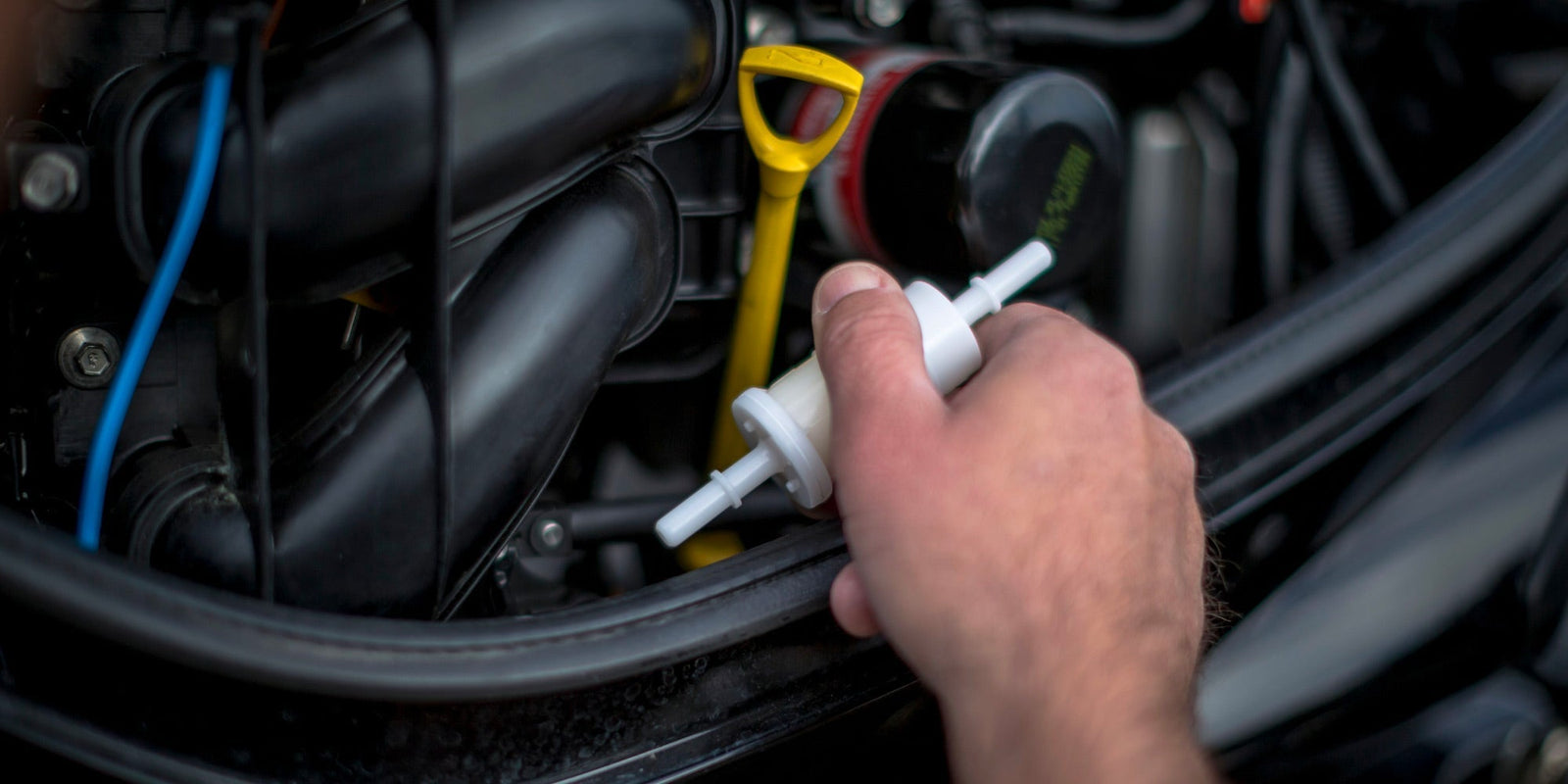
Credit: partsvu.com
Recommended Replacement Intervals
Knowing when to change your Mercruiser inline fuel filter keeps your engine running smoothly. The right replacement interval stops dirt and debris from harming the engine. This section explains how often to replace the filter based on different factors. Following these tips helps avoid engine trouble and costly repairs.
Manufacturer Guidelines
Mercruiser provides clear advice on filter changes. Most manuals suggest replacing the fuel filter every 100 hours of engine use. Some models may need changes sooner. Always check your specific engine manual for exact intervals. Sticking to these guidelines ensures proper engine care.
Impact Of Operating Conditions
Dirty or rough water conditions mean more frequent changes. Dusty or sandy environments can clog the filter faster. Heavy engine use also wears the filter quickly. Change the filter sooner if you notice fuel flow problems. Adjust intervals based on how and where you use your boat.
Seasonal Considerations
Before and after boating season, check the fuel filter. Winter storage can cause fuel to degrade and clog the filter. Replace the filter before storing the boat for months. Also, change it early in the season for fresh fuel flow. Seasonal care protects the engine over time.
Factors Affecting Filter Lifespan
The lifespan of a Mercruiser inline fuel filter depends on several key factors. Knowing these helps you maintain your engine’s performance. Filters keep dirt and debris out of the fuel system. Over time, they get clogged and need changing. Understanding what affects filter life makes maintenance easier.
Fuel Quality
Fuel quality has a big impact on filter life. Dirty or contaminated fuel clogs the filter faster. Low-quality fuel often contains more particles and water. This causes the filter to work harder. Using clean, high-grade fuel helps the filter last longer.
Usage Frequency
How often you use your boat affects the filter’s life. Frequent use means more fuel passes through the filter. This leads to faster clogging. Boats used only occasionally may need filter changes less often. Regular trips demand more frequent checks and replacements.
Environmental Exposure
Where you operate your boat also matters. Harsh environments with dust, salt, or dirt increase filter wear. Saltwater areas can cause corrosion and clogging. Freshwater with less debris may allow longer filter life. Protecting your boat from harsh conditions helps extend filter use.
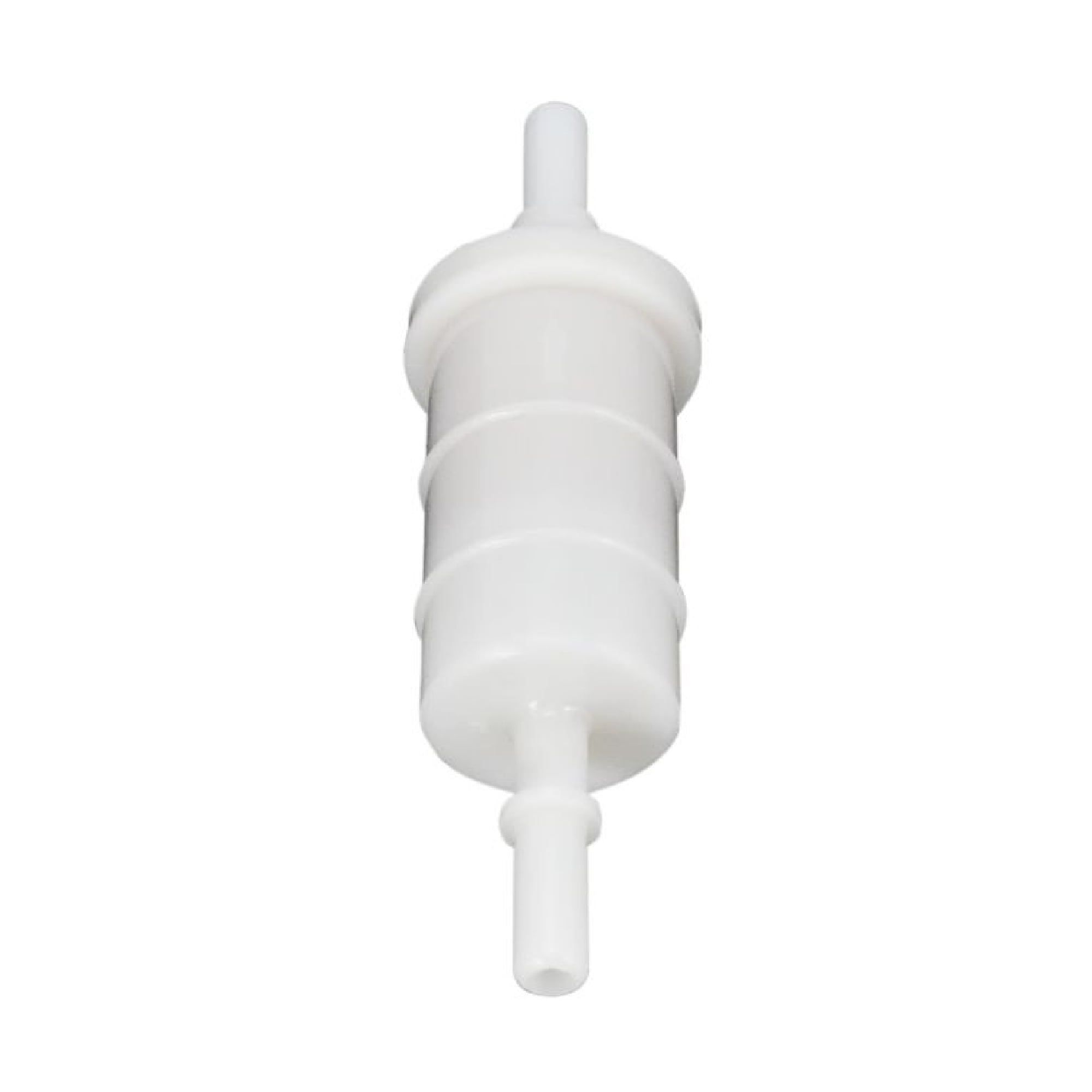
Credit: insektum.com
Step-by-step Replacement Process
Replacing the Mercruiser inline fuel filter is simple and important for engine health. A clean filter keeps fuel flowing well. Follow these steps carefully to change the filter safely and correctly.
Tools Needed
- New Mercruiser inline fuel filter
- Screwdrivers (flathead and Phillips)
- Pliers
- Wrench set
- Clean cloth or rag
- Container to catch fuel
Safety Precautions
Work in a well-ventilated area to avoid fuel fumes. Wear gloves and safety glasses. Turn off the engine and let it cool. Disconnect the battery to prevent sparks. Keep a fire extinguisher nearby.
Removing The Old Filter
Place the container under the filter to catch fuel. Loosen the clamps holding the fuel lines with pliers. Carefully pull the fuel lines off the filter. Use a wrench to remove the filter if needed. Dispose of the old filter properly.
Installing The New Filter
Check the new filter for the correct flow direction arrow. Attach the fuel lines to the new filter securely. Tighten the clamps to prevent leaks. Make sure the filter is firmly mounted in place.
Testing After Replacement
Reconnect the battery. Start the engine and check for leaks. Let the engine run for a few minutes. Watch for smooth running and no fuel drips. Turn off the engine and inspect the filter again.
Maintenance Tips For Fuel System
Maintaining your Mercruiser inline fuel filter is key for engine health. A clean fuel system helps your boat run smoothly and saves money on repairs. Follow these simple tips to keep your fuel system in good shape.
Regular Inspections
Check the fuel filter often for dirt and water. Look for cracks or leaks in the fuel lines. Replace the filter if you see any damage. Regular checks prevent engine problems and keep fuel flow steady.
Using Fuel Additives
Additives clean the fuel and stop buildup inside the filter. They help remove water and prevent rust in the fuel tank. Use additives made for marine engines to improve fuel quality and protect parts.
Storage Best Practices
Drain the fuel system before storing your boat for a long time. Use a fuel stabilizer to keep gas fresh. Store your boat in a dry place to avoid moisture that can harm the fuel filter and engine.
Common Mistakes To Avoid
Changing your Mercruiser inline fuel filter is important for engine health. Many boat owners make common mistakes that reduce filter effectiveness. Avoid these errors to keep your engine running smoothly.
Delaying Replacement
Waiting too long to change the fuel filter causes dirt build-up. This clogs the filter and lowers fuel flow. Your engine may run rough or even stall. Change the filter regularly to prevent damage and poor performance.
Using Incorrect Filters
Not all fuel filters fit every Mercruiser engine. Using the wrong filter can cause leaks or poor filtration. Always check the model and size before buying. Correct filters ensure proper fuel flow and protect the engine.
Neglecting Safety Measures
Fuel is flammable and dangerous. Skipping safety steps during filter replacement risks fire or injury. Always work in a well-ventilated area. Wear gloves and eye protection. Turn off the engine and avoid sparks while working.
Frequently Asked Questions
How Often Should I Change Mercruiser Inline Fuel Filter?
Change the Mercruiser inline fuel filter every 100 hours of use or once per boating season. Regular replacement ensures clean fuel flow and engine efficiency.
What Happens If I Don’t Change The Fuel Filter Timely?
Delaying fuel filter changes can cause clogging, reduced fuel flow, and engine performance issues. It may lead to engine stalling or damage.
Can I Clean The Mercruiser Inline Fuel Filter Instead?
Cleaning is not recommended. Filters trap debris and contaminants that can’t be fully removed. Replace filters for optimal protection and performance.
How Do I Know If My Fuel Filter Needs Changing?
Signs include engine hesitation, rough idling, or difficulty starting. Visual inspection may show dirt accumulation on the filter element.
Conclusion
Changing your Mercruiser inline fuel filter keeps your engine running smooth. Check the filter every 100 hours or once a season. Dirty filters can cause engine problems and lower fuel efficiency. Clean fuel means better boat performance and fewer repairs.
Don’t wait for signs of trouble. Regular filter changes save time and money. Keep your boat ready for the water anytime. Simple steps protect your engine and extend its life. Stay safe and enjoy smooth rides by staying on top of maintenance.


