Have you ever wondered how full your fuel filter should be for your vehicle to run smoothly? Getting this right is more important than you might think.
If your fuel filter isn’t filled properly, it can cause engine problems, reduce fuel efficiency, or even lead to costly repairs. You’ll discover the exact fuel filter level that keeps your engine healthy and your ride trouble-free. Keep reading to learn the simple steps you can take to protect your vehicle and save money in the long run.

Credit: www.redpowermagazine.com
Fuel Filter Basics
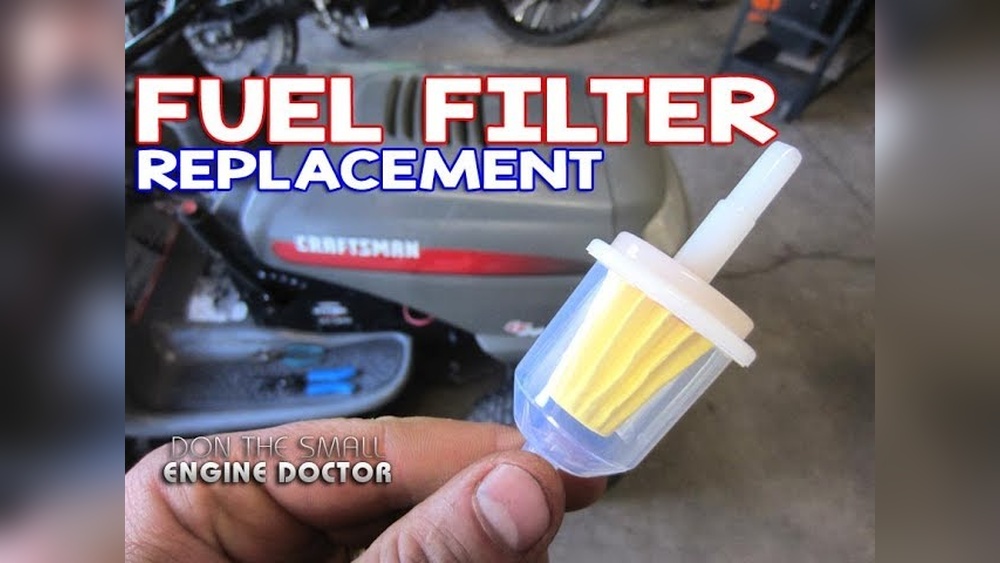
Understanding fuel filter basics helps keep your vehicle running well. The fuel filter cleans dirt and rust from fuel. Clean fuel means the engine works better and lasts longer.
Fuel filters play a small but important role. They stop particles from reaching the engine. This protection prevents damage and keeps fuel flowing smoothly.
Role In Fuel System
The fuel filter traps dirt and debris in the fuel. It stops these particles from entering the engine. Clean fuel helps the engine burn fuel efficiently. This leads to better performance and fewer repairs.
The filter also helps protect fuel injectors and carburetors. These parts need clean fuel to work well. A clogged filter can cause poor engine performance or stalling.
Types Of Fuel Filters
There are several types of fuel filters. The most common are paper, mesh, and charcoal filters. Paper filters trap small dirt particles effectively. Mesh filters use a screen to catch larger debris.
Charcoal filters remove odors and impurities from fuel. Different vehicles may use different filter types. Choosing the right filter ensures the best engine protection.
Credit: www.opelgt.com
Fuel Filter Capacity
Fuel filter capacity refers to the amount of fuel the filter can hold and clean effectively. It plays a key role in keeping the engine safe from dirt and debris. The capacity depends on the design and size of the filter. Understanding this helps in maintaining the filter and the engine’s performance.
Too much or too little fuel in the filter can affect how well it works. Knowing the limits of your fuel filter’s capacity helps avoid problems like clogging or fuel starvation.
Design Limitations
Fuel filters have a set capacity based on their design. The size of the filter and the type of material inside limit how much fuel it can hold. A small filter holds less fuel and dirt. Larger filters can trap more particles but take up more space. Each filter is made for specific engine needs. Overloading a filter beyond its design can cause damage or failure.
Impact Of Fuel Level
The fuel level inside the filter affects its cleaning ability. A filter too full may not trap dirt properly. Fuel must flow through the filter media to remove contaminants. If fuel bypasses the filter media, dirt can reach the engine. On the other hand, a filter too empty can cause air pockets. Air in the fuel line leads to poor engine performance. Keeping the fuel filter at the right level ensures smooth fuel flow and engine safety.
Effects Of Overfilling
Overfilling a fuel filter may seem harmless but it can cause serious problems. The fuel filter is designed to hold a specific amount of fuel. Too much fuel inside can lead to damage and affect engine performance. Understanding these effects helps maintain your vehicle’s health.
Potential Damage
Overfilling puts extra pressure on the filter’s seal. This pressure can cause leaks. Fuel leaks are dangerous and waste fuel. The filter media inside may also get saturated. Saturation reduces its ability to trap dirt and debris. This leads to contaminants entering the engine. Engine parts may wear out faster due to this contamination.
Performance Issues
Excess fuel in the filter can slow fuel flow. Slow fuel flow means less fuel reaches the engine. This causes the engine to run poorly. The vehicle may hesitate during acceleration. Fuel efficiency drops as the engine struggles. Over time, you may notice rough idling and stalling. These issues make driving unsafe and costly.
Effects Of Underfilling
Underfilling a fuel filter can cause several problems. The filter may not work well and harm the engine. It is important to understand what happens when the fuel filter is not filled properly. This helps keep the engine safe and running smoothly.
Fuel Starvation Risks
Fuel filters must be full to allow steady fuel flow. Underfilled filters can cause fuel starvation. This means the engine does not get enough fuel. The engine may stall or run roughly. Fuel starvation lowers engine power and can cause damage over time.
Contaminant Buildup
A fuel filter traps dirt and debris from fuel. When underfilled, the filter cannot hold contaminants well. Dirt may pass through and clog the fuel system. This leads to poor engine performance and costly repairs. Proper filling helps the filter catch dirt effectively.
Maintenance Tips
Maintaining your fuel filter is key to a healthy engine. Proper care stops dirt and debris from clogging your system. It helps your vehicle run smoothly and saves money on repairs. Follow these simple tips to keep your fuel filter in top shape.
When To Replace
Replace your fuel filter every 20,000 to 30,000 miles. Check your owner’s manual for exact intervals. Signs like engine sputtering or poor acceleration mean it’s time to change it. Don’t wait for a complete clog. Regular replacement keeps fuel flowing cleanly.
Proper Installation
Use the right tools to remove and install the filter. Make sure the new filter matches your vehicle model. Install the filter in the correct direction. Tighten clamps securely to avoid leaks. Double-check connections before starting the engine. Proper installation prevents damage and keeps fuel clean.

Credit: www.youtube.com
Optimizing Fuel Filter Performance
Optimizing fuel filter performance is key to keeping your engine healthy. A well-functioning filter stops dirt and debris from reaching the fuel system. This prevents clogs and damage in your engine parts.
Proper fuel filter maintenance helps your vehicle run smoothly. It improves fuel efficiency and reduces emissions. Knowing how full the fuel filter should be is part of good care.
Choosing The Right Filter
Select a fuel filter made for your vehicle model. Filters come in different sizes and types. Using the correct filter ensures proper fuel flow and filtration. Avoid cheap filters that may clog quickly or leak. Quality filters last longer and protect your engine better.
Regular Inspection
Check the fuel filter regularly for dirt and buildup. A dirty filter reduces fuel flow and engine power. Replace the filter as recommended in your vehicle’s manual. Look for signs like rough idling or poor acceleration. Regular inspection keeps the fuel system clean and efficient.
Frequently Asked Questions
How Full Should A Fuel Filter Be Before Replacing?
A fuel filter should not be full; it traps debris. Replace it when clogged or during scheduled maintenance to avoid engine issues.
Can An Overfilled Fuel Filter Cause Engine Problems?
Yes, an overfilled or clogged fuel filter restricts fuel flow. This causes poor engine performance, stalling, and reduced fuel efficiency.
How Often Should I Check Or Replace The Fuel Filter?
Check your fuel filter every 20,000 to 30,000 miles. Replace it as recommended by your vehicle’s manual to maintain fuel system health.
What Happens If The Fuel Filter Is Only Partially Full?
A partially full fuel filter can still function properly. However, monitor it regularly to prevent clogging that reduces fuel flow and damages the engine.
Conclusion
A fuel filter should be filled just right to work well. Too full or too empty can cause problems. Keep the filter clean and check it often. This helps the engine run smoothly and last longer. Small steps like this save money and time.
Trust simple care to protect your vehicle. Fuel filters matter more than many think. Stay aware, and your engine will thank you.