
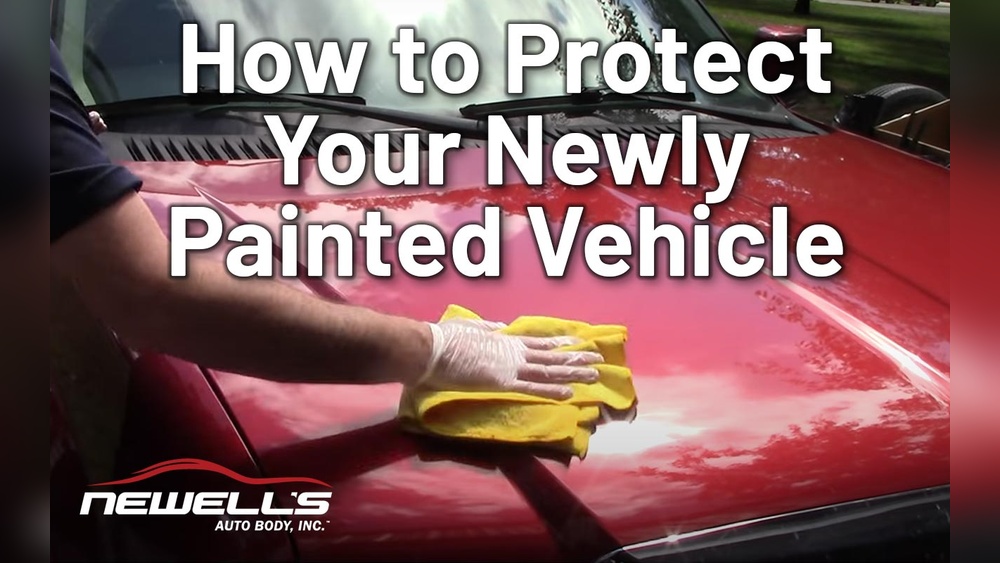
You’ve just given your car a fresh coat of paint, and it looks amazing. Now, you’re probably wondering: how long should you wait before applying wax?
Waxing too soon can damage your new paint, but waiting too long might leave it unprotected. Getting the timing right is key to keeping your car’s finish smooth, shiny, and durable. You’ll discover exactly when and why you should wax after painting, so you can protect your investment and keep your car looking its best.
Keep reading to find out the best timing and tips that will save you time, money, and frustration.
Drying Time After Painting
After painting your car, waiting for the paint to dry fully is very important. Dry paint needs time to harden and cure before applying wax. Waxing too soon can damage the paint or reduce its shine. Understanding the drying time helps protect your car’s finish and keeps it looking great.
Factors Affecting Drying Duration
Several factors change how long paint takes to dry on a car. Temperature plays a big role; warmer weather speeds up drying. Humidity slows the process because moisture stays in the air. Airflow also helps; a well-ventilated area dries paint faster. The thickness of the paint layer matters too. Thicker coats take longer to dry completely.
Types Of Paint And Their Cure Times
Different car paints need different times to dry and cure. Acrylic paint dries quickly but needs more time to cure fully. Urethane paint is common and cures faster than acrylic. Base coat and clear coat systems require separate drying times. The clear coat must harden fully before waxing. Understanding your paint type helps set the right wait time for waxing.
When To Wax After Painting
Knowing the right time to wax your car after painting is important. Waxing too early can harm the paint. Waiting the correct amount of time helps the paint cure fully. This keeps your car looking fresh and shiny for longer.
Ideal Waiting Periods
After painting, wait at least 30 days before waxing. This time allows the paint to harden and cure completely. Some paints may need up to 60 days. Check the paint type and follow the manufacturer’s advice. Avoid rushing the waxing process for best results.
Risks Of Waxing Too Soon
Waxing too soon can trap solvents in the paint. This causes dull spots or uneven shine. It may also lead to peeling or cracking paint. The wax layer can prevent proper curing. This weakens the paint’s durability and look.
Preparing The Surface Before Waxing
Preparing the surface before waxing is essential to get the best results. A clean and smooth surface helps the wax stick properly. It also protects the paint and makes your car shine longer. Taking time to prepare your car can save effort and keep the paint safe.
Cleaning And Decontaminating
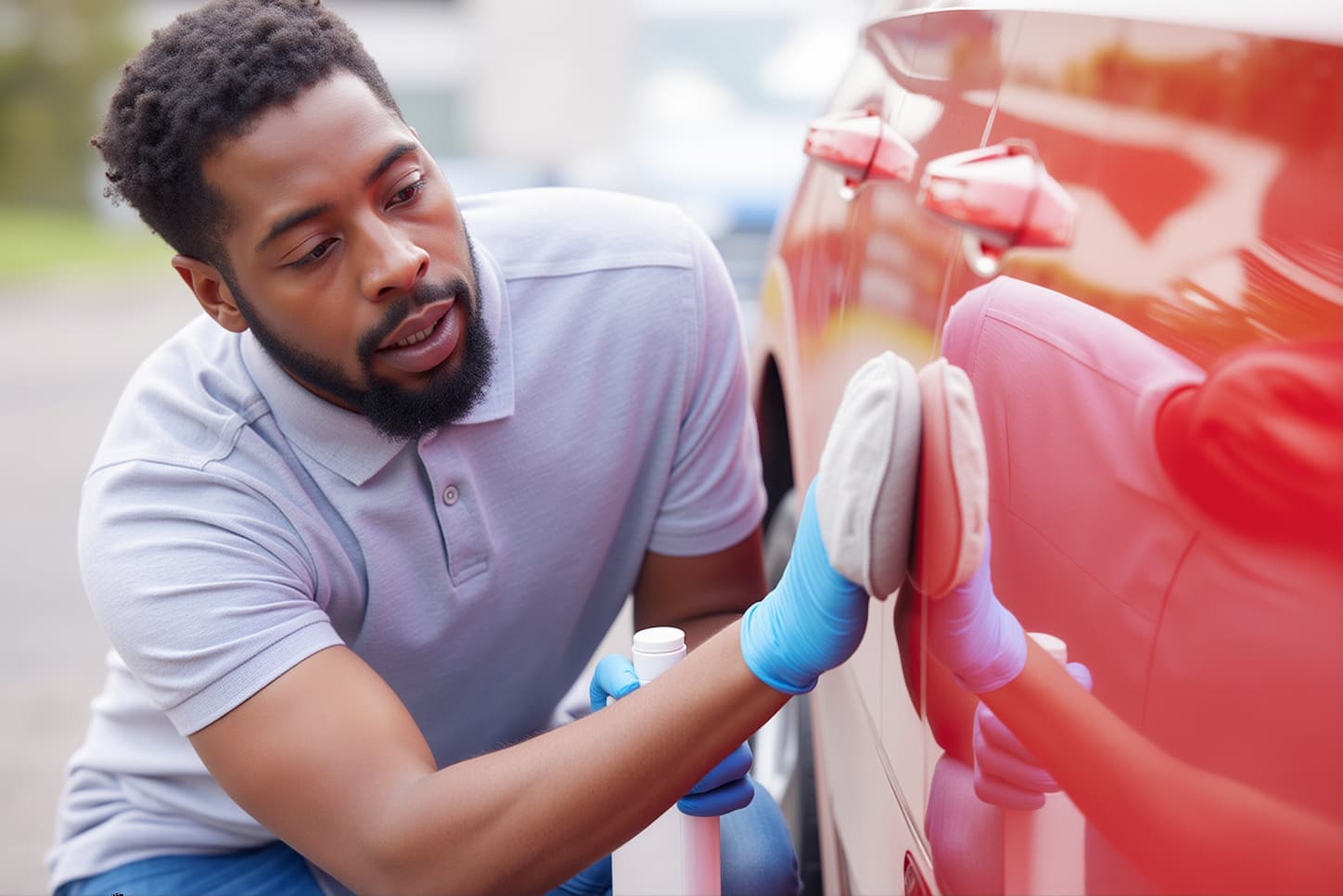
Start by washing the car thoroughly. Use a gentle car shampoo and clean water. Remove dirt, dust, and grime from the paint. Next, use a clay bar to remove tiny contaminants. These are particles stuck to the paint that washing does not remove. Clay bar treatment makes the surface smooth and ready for waxing.
Checking For Paint Hardness
Paint hardness shows if the paint is ready for wax. Fresh paint takes time to harden. You can test it using a paint depth gauge or by touch. If the paint feels soft or sticky, wait longer before waxing. Hard paint protects better and holds wax well. This step helps avoid damage and ensures a strong wax layer.
Credit: www.carstar.com
Types Of Wax Suitable For Fresh Paint
Choosing the right wax for fresh paint is important. It protects the paint and keeps it looking new. Different waxes work in different ways. Some are made from natural ingredients, and others are synthetic. Knowing the types helps you pick the best one for your car.
Natural Vs Synthetic Waxes
Natural waxes come from plants, like carnauba. They give a deep shine and a warm look. These waxes are gentle on fresh paint but may wear off faster.
Synthetic waxes are made in labs. They last longer and protect better against dirt and water. They create a strong layer on the paint, which is good for fresh surfaces. Synthetic waxes also dry faster and are easier to apply.
Sealants And Ceramic Coatings
Sealants are a type of synthetic wax. They form a tough shield over the paint. Sealants last longer than natural waxes and protect well from weather and scratches.
Ceramic coatings are stronger. They bond with the paint at a microscopic level. This gives extra protection and a very shiny look. Ceramic coatings can last for years, making them good for fresh paint that needs long-term care.
Signs Your Paint Is Ready For Wax
Knowing when your car’s paint is ready for wax is key to protecting its new finish. Waxing too soon can ruin the paint and cause damage. You can check your paint’s readiness with simple tests and by thinking about the environment. These signs help you decide the best time to wax your car safely and effectively.
Touch And Visual Tests
Start by gently touching the painted surface. It should feel smooth and dry, not sticky or tacky. Sticky paint means it needs more time to cure. Look closely at the paint. It should have a uniform shine without dull spots or patches. Uneven color or texture means the paint hasn’t settled yet. These simple checks give a good idea if the paint is ready for wax.
Environmental Considerations
Think about the weather and temperature where you painted your car. Paint cures faster in warm, dry conditions. Cold or humid weather slows down the drying process. Avoid waxing right after rain or washing the car, as moisture can affect the wax’s bond. Wait for a few days of dry weather for the best results. These factors impact how soon you can wax your car after painting.
Credit: www.reddit.com
Maintaining Painted Surfaces Post-wax
Maintaining painted surfaces after waxing is key for a long-lasting shine. Proper care keeps your car looking fresh and protects the paint from damage. Regular attention helps the wax do its job well and extends the life of your car’s finish.
Regular Cleaning Tips
Wash your car often to remove dirt and grime. Use a gentle car shampoo and soft cloth or sponge. Avoid harsh soaps that strip wax from the paint. Dry the car with a clean, soft towel to prevent water spots. Keep bird droppings and tree sap off quickly, as they can harm the paint.
Re-waxing Intervals
Wax wears off over time. Reapply every three to four months for best protection. Check your car’s surface by sprinkling water on it. If water stops beading, it’s time to wax again. Follow the wax product instructions for correct application. Regular waxing keeps the paint smooth and shiny.

Credit: www.turtlewax.com
Frequently Asked Questions
How Long Should I Wait After Painting Before Waxing?
Wait at least 30 days after painting before waxing. This allows the paint to fully cure and harden. Waxing too early can damage the fresh paint and affect its finish.
Can I Wax My Car Immediately After Painting?
No, waxing immediately after painting is not recommended. The paint needs time to cure properly. Waxing too soon may cause streaks and damage the paint surface.
Why Is Curing Time Important Before Waxing?
Curing time lets the paint harden and adhere well to the surface. Waxing too early can trap solvents and moisture, leading to paint defects. Proper curing ensures a smooth, durable finish.
What Happens If I Wax Too Soon After Painting?
Waxing too soon can cause paint damage, streaks, or dullness. It may also trap moisture and solvents, weakening the paint. Always wait for the recommended curing period for best results.
Conclusion
Waiting at least 30 days after painting keeps your car safe. Waxing too soon can damage the new paint’s shine. Patience helps the paint fully dry and harden. After waiting, waxing adds a smooth, protective layer. This makes your car look fresh for longer.
Taking care of your paint means better results. Your car stays beautiful and protected with the right timing. So, give your paint time before you wax again.

