

Have you ever wondered how long a tick can survive inside your car? It’s a question many people don’t think about until they find one crawling on their seats or floor mats.
Ticks aren’t just outdoor pests—they can hitch a ride on your clothes, pets, or gear and end up inside your vehicle. Knowing how long these tiny creatures can live in your car is important for keeping you and your loved ones safe from tick bites and the diseases they carry.
Keep reading to discover how ticks survive in your car and what you can do to stop them before they become a bigger problem.

Credit: topelectricsuv.com
Tick Survival Basics
Ticks are small creatures that can survive in many places, including cars. Understanding how long a tick can live in a car starts with knowing their survival basics. Their life cycle and the conditions around them play a big role in how long they stay alive.
Ticks need certain conditions to live. They can survive without food for a while, but they need the right temperature and moisture. These factors affect how long a tick can live inside a vehicle.
Tick Life Cycle
Ticks go through four stages: egg, larva, nymph, and adult. Each stage needs a blood meal to move to the next one. Ticks can live for months to years depending on the stage and environment.
In a car, ticks often enter as adults or nymphs. Without a host, they can survive by hiding in cracks or dark spots. Their life cycle slows down when they do not get a blood meal.
Factors Affecting Survival
Temperature affects tick survival a lot. Extreme heat or cold can kill ticks quickly. Cars can get very hot or cold, making it hard for ticks to live long inside.
Humidity also matters. Ticks need moisture to stay alive. Dry air inside a car can dry out ticks, reducing their survival time.
Ticks can survive longer if the car has shaded, cool, and humid areas. But most cars do not provide these conditions for long.
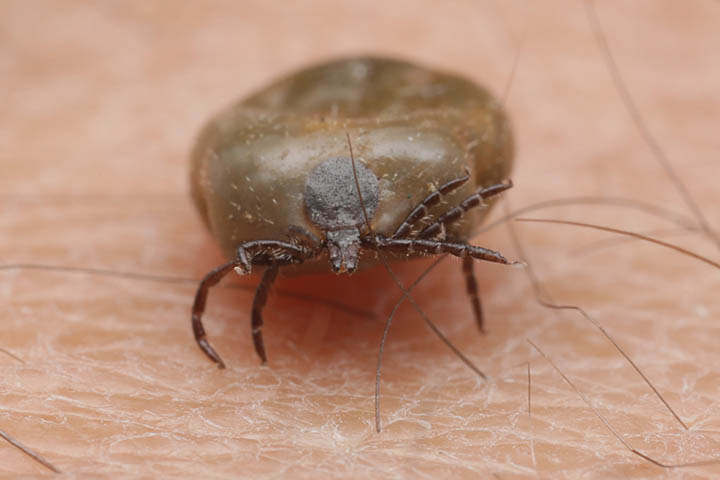
Credit: www.pestworldforkids.org
Ticks In Vehicles
Ticks can sometimes hitch a ride inside vehicles. They do not live naturally in cars but enter by attaching to people, pets, or items brought inside. Once inside, ticks can survive for some time if conditions suit them. Understanding where ticks enter and hide in vehicles helps prevent their spread and bites.
Common Entry Points
Ticks usually enter cars on clothing or pets after outdoor activities. Open windows and doors provide easy access. They can also come in on camping gear, blankets, or backpacks. Once inside, ticks seek warm, dark places to stay safe.
Preferred Hiding Spots
Ticks look for quiet, dark corners inside vehicles. They hide under seats, between seat cushions, and in floor mats. Cracks in the dashboard or door panels are also common spots. These places offer protection and some humidity, helping ticks survive longer.
Survival Duration In Cars
Ticks can survive in cars for varying periods. Their survival depends on car conditions. Understanding these factors helps prevent tick problems inside vehicles.
Impact Of Temperature
Temperature greatly affects tick survival in cars. Warm cars speed up their activity but shorten lifespan. Cold cars slow ticks down and can keep them alive longer. Extreme heat or cold can kill ticks quickly.
Effect Of Humidity
Ticks need moisture to stay alive. Cars with low humidity dry out ticks fast. High humidity inside cars helps ticks survive longer. Dry air inside vehicles reduces tick survival time.
Availability Of Food Sources
Ticks feed on blood from animals or humans. Without hosts in cars, ticks starve. Some ticks can live weeks without food. Lack of a blood meal limits how long they survive inside cars.

Credit: www.ctpublic.org
Health Risks From Car Ticks
Ticks hiding in cars pose real health risks. These tiny pests can latch onto humans or pets, causing serious problems. Their bites often go unnoticed at first, allowing infections to spread. Understanding the health dangers from car ticks helps prevent illness and keeps you safe.
Potential Diseases
Ticks carry bacteria and viruses that cause diseases. Lyme disease is the most common, leading to fever, fatigue, and joint pain. Other illnesses include Rocky Mountain spotted fever and anaplasmosis. Some diseases can cause long-term health issues if untreated. Prompt removal of ticks lowers the chance of infection.
Signs Of Tick Bites
Tick bites can be hard to spot. A small red bump or rash may appear near the bite. Some bites cause itching or mild pain. Watch for flu-like symptoms after a tick bite. Early signs include fever, headache, and muscle aches. Seek medical help if symptoms worsen or a rash spreads.
Prevention And Removal
Ticks can hide and live in cars for weeks. Preventing ticks from staying in your vehicle is very important. Removing ticks quickly stops them from biting or spreading disease.
Simple steps can keep your car safe and tick-free. Regular cleaning and using repellents help a lot. Sometimes, professional help is the best choice.
Effective Cleaning Methods
Clean your car often to remove ticks and eggs. Vacuum seats, floor mats, and carpets well. Pay close attention to cracks and under seats. Wash seat covers and floor mats with hot water. Use a brush to scrub hard areas. Dry everything in sunlight to kill ticks.
Use Of Tick Repellents
Spray tick repellents inside your car. Choose products safe for fabrics and pets. Apply sprays on carpets, seats, and door seals. Reapply repellents regularly for best protection. Some natural oils like cedar or eucalyptus also work. Avoid using strong chemicals that may harm passengers.
Professional Pest Control Options
Call pest control experts if ticks persist in your car. Professionals use special treatments to kill ticks fast. They reach areas you might miss during cleaning. Experts also give advice on keeping ticks away. Regular pest control can prevent tick problems in the future.
Tick Behavior Insights
Ticks are small parasites with strong survival skills. They wait for the right moment to find a host. Understanding tick behavior helps us know how long they can live in unusual places, like cars. Their choices and adaptations make them tough to remove and control.
Ticks do not wander randomly. They use senses to detect animals or humans nearby. Their behavior is guided by survival and feeding needs.
How Ticks Choose Hosts
Ticks sense heat, breath, and body odors from hosts. They climb on grass or fabric and wait. When a host passes, they grab on quickly. They prefer warm-blooded animals, including pets and people. Some species like deer or rodents more than others. They look for places with thin skin to bite easily.
Adaptations For Survival
Ticks can survive long periods without food. They hide in cracks, fabrics, or under seats in cars. Their body can shrink to store energy. They resist dryness by closing their mouthparts tightly. This helps them live weeks or months inside a vehicle. They stay still to save energy and avoid detection. These traits help ticks survive away from natural environments.
Frequently Asked Questions
How Long Can Ticks Survive Inside A Car?
Ticks can survive in a car for up to two weeks. They seek warm, dark places to hide. Without a blood meal, their lifespan shortens significantly.
Can Ticks Lay Eggs Inside Vehicles?
Yes, ticks can lay eggs inside vehicles. If a female tick finds a suitable spot, she can lay hundreds of eggs. This increases the risk of infestation in your car.
What Conditions Help Ticks Live Longer In Cars?
Ticks thrive in warm, humid, and shaded areas inside cars. These conditions mimic their natural habitat. Keeping your car clean reduces their chances of survival.
How Can I Prevent Ticks From Living In My Car?
Regularly vacuum your car and check pets before entering. Use tick repellents and seal windows tightly. These steps reduce tick presence and lower infestation risks.
Conclusion
Ticks can survive in cars for several days to weeks, depending on conditions. They hide in dark, warm spots like seats or floor mats. Regular cleaning and checking your car can help stop ticks from staying inside. Protect yourself and your family by removing ticks quickly.
Staying aware helps prevent tick bites and related illnesses. Keep your car clean and inspect pets after trips. Small steps make a big difference in keeping ticks away.


