

You want your car to look its best, right? A fresh coat of wax can make your vehicle shine like new and protect its paint from damage.
But how long does that shine really last? Understanding how long car wax can protect your ride helps you know when it’s time to reapply and keep your car looking great. You’ll discover the factors that affect wax durability and simple tips to make your wax last longer.
Keep reading to unlock the secrets to a longer-lasting shine for your car.
Credit: rocketcarwash.com
Factors Affecting Wax Longevity
Car wax does not last the same on every vehicle. Several factors affect how long the wax stays on the paint. Understanding these factors helps keep the car shiny for longer. Some factors depend on the wax itself, while others relate to the environment or how the car is used.
Types Of Car Wax
Different waxes have different lifespans. Natural waxes like carnauba give a deep shine but wear off faster. Synthetic waxes last longer and protect better against dirt and water. Some waxes combine both types for balanced protection and shine. Choosing the right wax impacts how long it stays on the car.
Climate And Weather Impact
Sunlight, rain, and temperature affect wax durability. Strong sunlight fades wax quickly and breaks down its protective layer. Rain and snow wash away wax faster. Cold weather can make wax brittle and less effective. Cars in mild climates usually keep wax longer than those in harsh weather.
Car Usage Patterns
How often and where a car is driven changes wax life. Daily driving exposes the car to dust, dirt, and road salt. This wears down wax faster. Cars parked indoors keep wax longer than those outside. Frequent washing and polishing also affect wax duration.
Surface Preparation
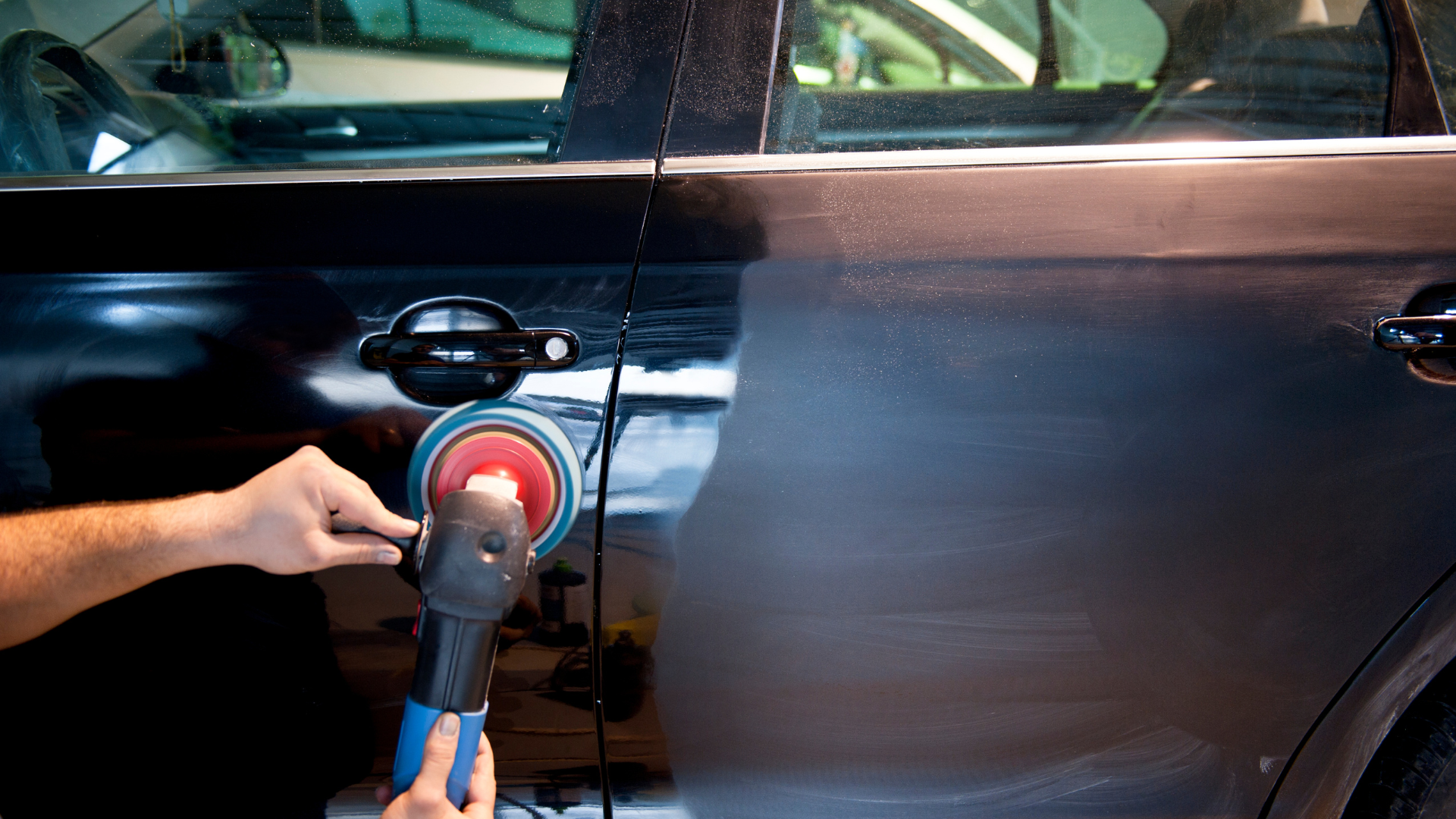
Proper cleaning before waxing is very important. Dirt, grease, and old wax must be removed first. A clean surface helps new wax stick better. Polishing the paint smooths rough spots and improves wax bonding. Good preparation leads to longer-lasting wax protection.
Comparing Wax Types
Choosing the right car wax affects how long it lasts on your vehicle. Different types of wax offer different protection levels. Understanding these types helps you pick the best one for your needs.
Some waxes focus on natural ingredients, while others use synthetic materials. The form of wax—paste, liquid, or spray—also changes application and durability. Newer products like sealants and ceramic coatings add even longer protection.
Natural Vs Synthetic Waxes
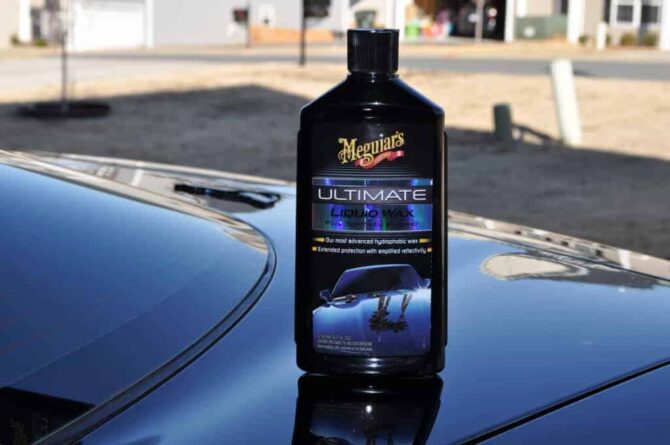
Natural waxes come from carnauba, a plant-based material. They give a deep, glossy shine. Their protection usually lasts 4 to 6 weeks. Synthetic waxes use man-made chemicals. They create a harder layer on the paint. These waxes last longer, often up to 3 months.
Natural wax feels softer and smells better. Synthetic wax is easier to apply and more durable. Both protect from dirt and water but in different ways.
Paste, Liquid, And Spray Forms
Paste wax is thick and takes time to apply. It offers the longest protection of up to 3 months. Liquid wax is easier to spread and dries faster. It lasts around 1 to 2 months. Spray wax is the quickest to use but wears off fast. Expect protection for 2 to 4 weeks.
Your choice depends on how much time you spend waxing. Paste is best for long-lasting shine. Spray is great for quick touch-ups.
Sealants And Ceramic Coatings
Sealants are synthetic products that last longer than regular wax. They protect paint for 4 to 6 months. Ceramic coatings are advanced liquid polymers. They bond with the paint for strong, long-lasting defense. Protection can last over a year.
Sealants and ceramic coatings resist dirt, water, and scratches better. They cost more but reduce how often you wax. Both need proper application to work well.
Signs Wax Needs Reapplication
Knowing when to reapply car wax helps keep your vehicle looking fresh. Wax protects the paint and adds shine. Over time, wax wears off due to weather and washing. Signs show you need to wax again. Watch for changes on your car’s surface.
Water Beading And Sheeting
Wax makes water bead up on your car’s surface. Small round drops form and roll off easily. If water spreads out flat or sticks, wax is fading. This means the protective layer is thin or gone. Reapplying wax restores water resistance and shine.
Dullness And Surface Texture
Wax gives your car a smooth, glossy look. A dull or rough surface means wax has worn off. You might see fewer reflections or a faded color. Running your hand over the paint feels different. This texture change signals it’s time to wax again.
Wax Residue And Contaminants
Old wax can trap dirt and grime on the paint. White or cloudy patches may appear on the surface. These spots show wax breaking down and losing effectiveness. Cleaning and rewaxing removes buildup and protects paint better.
Credit: avalonking.com
Maximizing Wax Protection
Maximizing wax protection extends the life of your car’s shine. Proper care helps the wax stick longer. It also keeps your paint safe from dirt and weather. Small daily habits can make a big difference.
Follow these tips to keep your wax fresh and strong. Your car will look great for many weeks after waxing.
Proper Washing Techniques
Use a gentle car shampoo for washing. Avoid household soaps that can strip wax. Wash in the shade to prevent water spots. Use a soft sponge or microfiber cloth. Rinse thoroughly with clean water to remove all dirt.
Dry with a soft towel to avoid scratches. Regular washing stops dirt from building up on the wax.
Surface Cleaning And Clay Bar Use
Clean the surface before waxing for better results. Use a clay bar to remove tiny particles stuck on paint. This helps the wax bond well with the surface. Work slowly and gently with the clay bar.
Clay bars remove contaminants that washing alone cannot. A smooth surface means longer-lasting wax protection.
Applying Wax Correctly
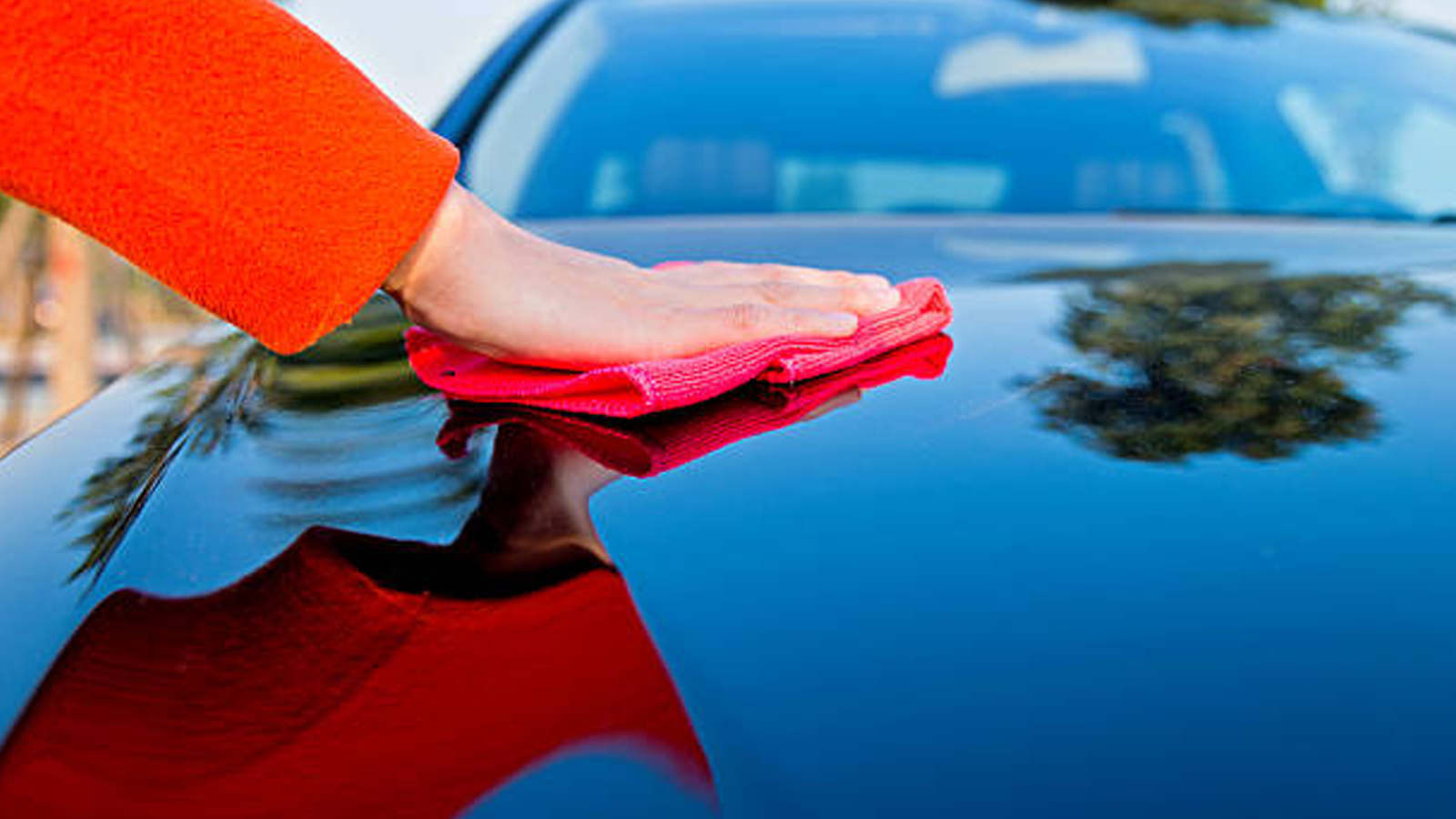
Apply wax in thin, even layers. Use a foam applicator or soft cloth. Work in small sections to avoid streaks. Let the wax dry until it hazes. Then buff gently with a clean microfiber towel.
Proper application ensures even coverage and stronger protection. Too much wax can cause uneven finish and waste product.
Maintaining Wax With Quick Detailers
Use quick detailer sprays between waxings. They remove light dust and fingerprints without harming wax. Spray lightly and wipe with a soft cloth. This keeps the wax layer fresh and shiny.
Quick detailers help maintain the gloss and protection. They reduce the need for frequent full wax jobs.
Wax Durability In Different Conditions
Car wax protects your vehicle’s paint and keeps it shiny. The length of protection depends on many factors. Wax durability changes with the environment and care. Understanding these conditions helps you keep your car looking great longer.
Urban Vs Rural Environments
Urban areas have more pollution and dirt. Dust, smoke, and chemicals in the air can wear down wax faster. Cars in cities may need waxing more often. Rural areas usually have cleaner air but more dust from dirt roads. This dust can scratch the wax. Both places need regular washing to keep wax strong.
Seasonal Effects On Wax
Seasons affect wax durability a lot. Summer heat can melt or soften wax, reducing its life. Winter brings salt and moisture, which can damage wax. Rain and snow wash away protective layers. Applying wax before harsh seasons helps protect your car better. Changing seasons mean more frequent waxing is necessary.
Garage Vs Outdoor Parking
Parking inside a garage protects wax from sun and rain. It slows down wax fading and cracking. Outdoor parking exposes the car to weather and UV rays. This causes wax to break down faster. Shade and cover help, but garage parking is best. Wax lasts longer when the car is sheltered.
Common Mistakes Reducing Wax Life
Car wax protects your paint and makes your car shine. Its life depends on how you apply and care for it. Many people make simple mistakes that shorten wax life. Avoiding these errors keeps your wax effective longer. Here are common mistakes that reduce wax durability.
Skipping Surface Prep
Applying wax on a dirty or rough surface weakens the bond. Dirt, grease, and old wax stop new wax from sticking well. Always wash and dry your car before waxing. Use clay bars or polish to remove stubborn grime. Clean surfaces help wax last longer and protect better.
Using Harsh Cleaning Products
Strong soaps and chemicals strip wax quickly. Some cleaners remove oils that help wax stick. Use mild car shampoos designed to protect wax layers. Avoid household detergents or abrasive cleaners. Gentle products keep wax intact and preserve shine.
Improper Wax Application
Too much or too little wax reduces its life. Thick layers may peel off soon. Thin layers may wear off fast. Follow product instructions and apply even coats. Buff wax properly to seal it well. Proper application ensures longer-lasting protection.
Advanced Protection Alternatives
Car wax offers good shine and protection, but it may not last long. Advanced protection alternatives provide stronger and longer-lasting defense for your car’s paint. These options help keep your vehicle looking new for months or even years. Each alternative has unique benefits and suits different needs.
Ceramic Coatings Benefits
Ceramic coatings form a hard, protective layer on the paint surface. They resist dirt, water, and minor scratches better than wax. This coating lasts from one to five years depending on care. It also makes cleaning easier by repelling contaminants. Ceramic coatings maintain shine and provide deep protection.
Paint Protection Films
Paint protection films (PPF) are clear, thick layers applied over the car’s paint. They protect against chips, scratches, and stains. PPF can last five to ten years with proper maintenance. These films are nearly invisible and do not affect the car’s appearance. They offer strong protection for high-impact areas.
Hybrid Protection Solutions
Hybrid protection combines ceramic coatings and paint protection films. This mix gives the shine and hardness of ceramic with the tough barrier of PPF. Hybrid solutions extend protection duration and improve durability. They suit drivers wanting the best of both worlds. Hybrid options keep cars cleaner and safer longer.
Credit: www.chemicalguys.com
Frequently Asked Questions
How Long Does Car Wax Typically Last?
Car wax usually lasts between 4 to 8 weeks. The duration depends on wax type, weather, and car usage. High-quality synthetic waxes can last longer, while natural waxes fade quicker. Regular washing and avoiding harsh conditions help maintain wax protection.
Can Weather Affect Car Wax Durability?
Yes, weather greatly affects car wax durability. Sun exposure, rain, and snow can break down wax faster. UV rays cause wax to fade, while rain can wash it away. Using a durable wax and parking in shade extends wax life.
How Often Should I Reapply Car Wax?
Reapply car wax every 6 to 8 weeks for optimal protection. Frequent reapplication maintains shine and protects paint from elements. If your car faces harsh conditions, consider waxing more often. Always follow product instructions for best results.
Does Washing Frequency Impact Wax Longevity?
Yes, washing frequency impacts wax longevity. Frequent washing with gentle soap preserves wax. Harsh detergents or automatic car washes can strip wax quicker. Use pH-balanced car shampoo and soft cloths to extend wax life.
Conclusion
Car wax can last from a few weeks to several months. The duration depends on wax type, weather, and how often you wash your car. Regular waxing helps protect your car’s paint and keeps it shiny. Applying wax properly and at the right time makes it last longer.
Keep your car clean to avoid dirt wearing off the wax. Checking the wax condition often helps you know when to reapply. A good wax job keeps your car looking fresh and protected. Simple care extends the life of your car wax easily.


