
Have you ever wondered how long oil can sit in your car before it starts to lose its effectiveness? Understanding this can save you money and protect your engine from damage.
If you’re unsure about when to change your oil or how long it stays good, you’re not alone. You’ll discover the key facts about oil shelf life inside your car, signs to watch for, and tips to keep your engine running smoothly.
Keep reading to make sure you’re giving your car the care it truly needs.
Oil Shelf Life
Oil shelf life is important to keep your car engine healthy. Over time, oil can lose its quality. This affects how well it protects your engine. Knowing how long oil lasts helps you avoid problems. It also saves money by preventing unnecessary oil changes.
Sealed Vs Opened Oil
Sealed oil can last for many years. The seal keeps air and dirt out. This stops the oil from breaking down. Once opened, oil lasts much shorter. Air exposure causes oxidation. Dirt and moisture can enter too. Usually, opened oil stays good for 6 to 12 months.
Types Of Motor Oil
Synthetic oils last longer than conventional oils. They resist heat and chemicals better. Conventional oils degrade faster and need changing sooner. High mileage oils have additives to protect older engines. These additives may affect shelf life slightly. Check the label for specific recommendations.
Storage Conditions
Keep oil in a cool, dry place. Avoid direct sunlight or extreme heat. Temperature changes speed up oil aging. Store bottles upright and tightly closed. Humidity can cause condensation inside the container. This reduces oil quality and shelf life.
Factors Affecting Oil Longevity
Engine oil does not stay fresh forever. Several factors affect how long oil lasts in a car. Understanding these factors helps keep your engine safe and running well. Oil can lose its strength and ability to protect the engine over time. Some conditions make oil go bad faster. Knowing these helps you decide when to change the oil.
Temperature Impact
High temperatures break down oil faster. Hot weather causes oil to lose its thickness. Thin oil cannot protect engine parts well. Cold weather makes oil thicker and harder to flow. Both extremes affect oil’s performance. Keeping the engine at a stable temperature helps oil last longer.
Exposure To Air And Moisture
Oil exposed to air can oxidize and spoil. Air mixes with oil and causes it to age. Moisture from the engine or outside can mix with oil. Water in oil creates sludge and rust inside the engine. This damages engine parts and lowers oil quality.
Contamination Risks
Dust, dirt, and metal particles can enter the oil. These contaminants wear down the engine quickly. Old oil collects more dirt and loses its cleaning power. Contaminated oil leads to engine damage and poor performance. Regular oil changes help avoid contamination problems.
Signs Oil Has Gone Bad
Knowing the signs that oil has gone bad helps protect your car’s engine. Old or bad oil loses its ability to lubricate and clean. This can cause engine damage over time. Checking the oil regularly is a simple way to avoid problems.
Changes In Color And Texture
Fresh oil is usually amber or light brown. Over time, it turns dark brown or black. Thick or sticky oil is a bad sign. It means dirt and particles have built up. Dark, thick oil cannot flow well through the engine.
Unusual Odor
Oil should have a neutral smell. A burnt or sour odor means the oil is old or contaminated. This smell can come from overheating or chemical breakdown. Bad-smelling oil should be changed immediately to protect the engine.
Separation Or Sediment
Look for any separation of liquid layers in the oil. This means the oil is breaking down. Sediment or particles at the bottom show contamination. These solids can clog oil filters and damage engine parts. Clear, uniform oil is best for engine health.

Credit: store.advancedenginetech.com
Effects Of Old Oil On Engine
Old oil in a car engine loses its ability to protect and clean. This causes several problems that affect engine health and performance. Understanding these effects helps keep the engine running smoothly.
Reduced Lubrication
Oil lubricates engine parts to reduce friction and heat. Over time, oil breaks down and loses this ability. Old oil becomes thick and less slippery. This means engine parts rub against each other more. Increased friction can cause parts to wear out faster.
Increased Engine Wear
Dirty oil holds tiny particles and debris from engine use. These particles act like sandpaper inside the engine. Old oil fails to carry away these particles. The engine parts experience more wear and tear. This shortens the engine’s lifespan and lowers performance.
Potential For Engine Damage
Old oil can cause serious engine problems. Without proper lubrication, parts may overheat and seize. Sludge buildup blocks oil flow to critical areas. This causes engine overheating and damage. Severe damage may require costly repairs or engine replacement.
Best Practices For Oil Storage
Storing motor oil correctly keeps it fresh and ready for use. Proper storage stops dirt, moisture, and air from harming the oil. This protects your car’s engine and saves money on oil changes. Follow these best practices to maintain oil quality and extend shelf life.
Choosing Proper Containers
Use containers made for oil storage. Plastic or metal containers with tight lids work best. Avoid open containers that let air inside. Never reuse old containers that held other liquids. Label the containers clearly with the oil type and date.
Ideal Storage Location
Store oil in a cool, dry place. Avoid spots with sunlight or heat. A basement or garage shelf is a good choice. Keep oil away from water or chemicals. Stable temperatures help keep oil fresh longer.
Maintaining Oil Quality
Check oil regularly for changes in color or smell. Dark, thick, or smelly oil may have gone bad. Shake the container before use to mix any separated parts. Always seal the container tightly after use. Proper care keeps oil effective for your car’s engine.

Credit: store.advancedenginetech.com
When To Replace Stored Oil
Knowing when to replace stored oil is important for your car’s health. Oil loses its quality over time. It can get dirty or break down. Using old oil may harm your engine. This section explains how to decide when to change stored oil.
Recommended Timeframes
Most stored motor oil lasts about five years unopened. Once opened, use it within a year. Some synthetic oils last longer than conventional types. Always check the oil container’s label for specific dates. Store oil in a cool, dry place to keep it fresh.
How To Test Oil Quality
Check the oil’s color and smell before use. Fresh oil is clear and smooth. Dark or thick oil means it is old or dirty. A sour or burnt smell also shows bad oil. You can test oil viscosity by rubbing a small amount between fingers. If it feels sticky or grainy, replace it.
Disposal Of Old Oil
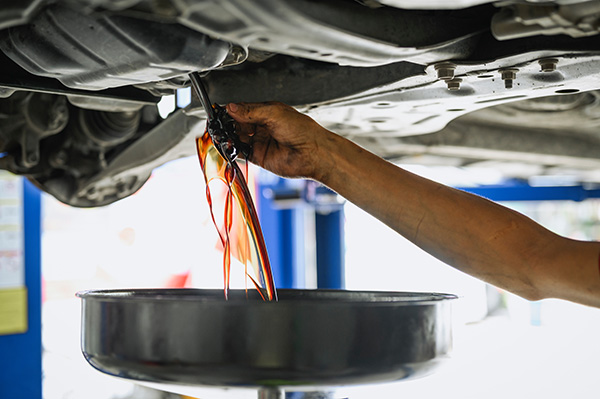
Never pour old oil down drains or on the ground. It pollutes soil and water. Take used oil to a recycling center or auto shop. Many places accept old oil for free. Proper disposal keeps the environment safe and clean.
Credit: chahelauto.com
Frequently Asked Questions
How Long Can Motor Oil Sit Unused In A Car?
Motor oil can sit unused in a car for up to 5 years if sealed properly. Exposure to air or contaminants may reduce its effectiveness.
Does Old Oil In A Car Harm The Engine?
Old oil can degrade and lose lubrication properties, risking engine damage. Regular oil changes prevent buildup and maintain engine health.
Can You Use Oil Past Its Expiration Date In A Car?
Using expired oil is not recommended as it may lose additives and thickness. Always check the oil’s expiration and quality before use.
How To Store Oil In A Car For Longer Periods?
Store oil in a tightly sealed container, away from heat and sunlight. Proper storage prevents contamination and preserves oil quality for years.
Conclusion
Car oil can sit unused for several months if stored properly. Keep oil sealed tightly and stored in a cool, dry place. Old oil loses its quality and may harm your engine. Check the oil’s appearance and smell before use.
Regular oil changes keep your car running smoothly. Proper care saves money and prevents engine problems. Remember, fresh oil helps your car last longer. Simple steps protect your engine and improve performance. Don’t let old oil cause damage or reduce efficiency.
Stay safe and keep your car healthy with good oil habits.


