

Have you ever wondered how long your car’s A/C compressor will keep your ride cool and comfortable? Understanding the lifespan of this crucial component can save you time, money, and unexpected headaches.
Whether you’re dealing with a weak breeze or a complete cooling failure, knowing what affects your compressor’s durability helps you make smarter decisions. Keep reading to discover how long your car’s A/C compressor really lasts and what you can do to extend its life.
Credit: www.rycompressors.com
Car A/c Compressor Basics
The car A/C compressor is a key part of the air conditioning system. It helps cool the air inside your vehicle. Without it, the A/C system cannot work properly.
This section explains the basics of car A/C compressors. You will learn what they do and the common types used in cars.
Role In The A/c System
The compressor pumps refrigerant through the A/C system. It increases the pressure of the refrigerant gas. This process helps turn hot air into cold air.
The compressor also moves the refrigerant to the condenser. The condenser cools the refrigerant before it goes to the evaporator. The evaporator then cools the air you feel inside the car.
Common Types Of Compressors
There are several types of A/C compressors in cars. The most common ones include the scroll, rotary, and piston compressors.
Scroll compressors are quiet and efficient. Rotary compressors are simple and cost-effective. Piston compressors are powerful and durable but can be noisy.
Each type has pros and cons. The choice depends on the car model and A/C system design.

Credit: www.sofi.com
Average Lifespan Of A/c Compressors
The average lifespan of a car’s A/C compressor depends on several factors. This part works hard to keep your car cool. Over time, it faces wear and tear. Knowing how long it usually lasts helps with maintenance and repairs.
Typical Mileage Expectations
A/C compressors generally last between 70,000 and 150,000 miles. This range depends on how often you use the air conditioning. Driving in hot climates can shorten the compressor’s life. Regular maintenance, like checking refrigerant levels, can extend it.
Years Of Service
Most A/C compressors last about 8 to 10 years. Age and usage both affect this lifespan. Cars that run the A/C daily may need a replacement sooner. Proper care can push the compressor’s life beyond a decade.
Factors Affecting Compressor Longevity
The lifespan of a car A/C compressor depends on many factors. These factors affect how long the compressor works well. Understanding them helps you keep your A/C running longer. Below are key elements that impact compressor longevity.
Driving Conditions
Driving in hot weather makes the compressor work harder. Constant stop-and-go traffic adds stress to the A/C system. Long trips on highways usually cause less wear. Rough roads and heavy loads also reduce compressor life.
Maintenance Practices
Regular A/C checks help spot problems early. Changing filters and refrigerant keeps the system clean. Ignoring small leaks can cause major damage. Proper oil levels inside the compressor are crucial. Well-maintained compressors last much longer.
Quality Of Parts
High-quality compressors resist wear better than cheap ones. Using original parts ensures proper fit and function. Low-grade parts can fail quickly and harm other components. Investing in good parts protects the entire A/C system.
Credit: www.aamcoblog.com
Signs Of A Failing Compressor
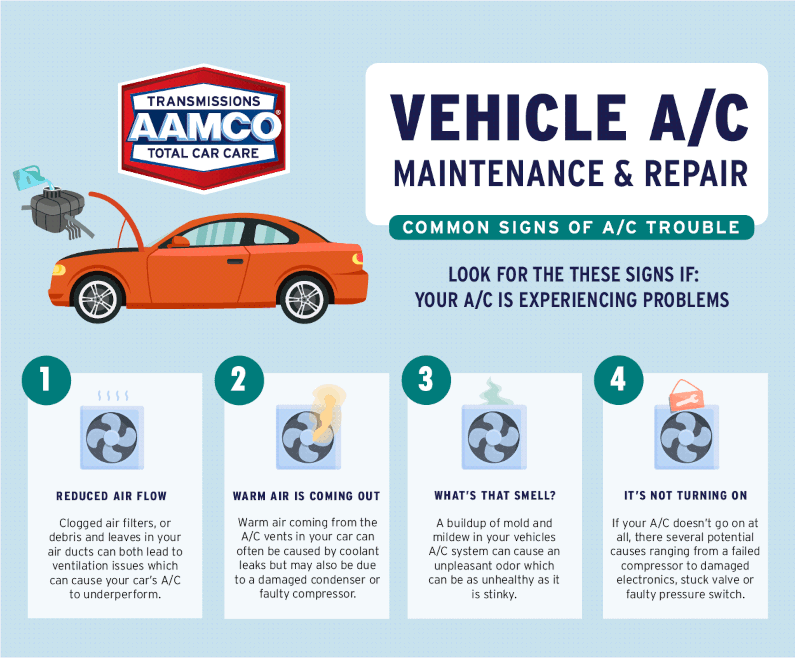
The car A/C compressor plays a key role in keeping your vehicle cool. When it starts to fail, your comfort drops quickly. Knowing the signs helps you act early. Catching problems early can save costly repairs and keep your A/C working well.
Unusual Noises
Strange sounds often mean trouble. Grinding, squealing, or rattling noises from the compressor show wear or damage. These sounds can come from worn bearings or loose parts inside the compressor. Ignoring these noises may lead to complete failure.
Reduced Cooling Performance
Your A/C might blow warm air instead of cold. This often means the compressor is losing power or not working properly. Reduced cooling is a clear sign the compressor struggles to compress refrigerant. This issue lowers the system’s ability to cool your car.
Leaking Refrigerant
Look for oily spots or puddles under your car. These may be refrigerant leaks from the compressor. Leaking refrigerant lowers cooling efficiency and can damage the compressor further. A leak also harms the environment and needs quick repair.
Maintaining Your Car’s A/c Compressor
Maintaining your car’s A/C compressor helps extend its life and keeps your car cool. Proper care prevents costly repairs and ensures smooth operation. Simple steps can protect this vital part from wear and tear.
Regular Inspections
Check your A/C system regularly for any signs of trouble. Look for strange noises or leaks around the compressor. Early detection helps fix small issues before they grow bigger. A quick inspection keeps the compressor healthy and working well.
Proper Refrigerant Levels
Keep refrigerant levels in the right range. Too little refrigerant strains the compressor and causes damage. Too much refrigerant can also harm the system. Regularly check and refill refrigerant to maintain balance. This practice helps the compressor run efficiently and last longer.
Timely Repairs
Fix any A/C problems as soon as they appear. Ignoring issues can lead to compressor failure. Replace worn parts without delay to avoid bigger damage. Quick repairs save money and help your compressor last many years.
When To Replace The Compressor
Knowing when to replace your car’s A/C compressor saves time and money. The compressor is key to cooling your car’s interior. It can wear out after years of use. Signs of trouble include strange noises, weak cooling, or leaks. Ignoring these signs may cause bigger issues. Replacing the compressor at the right time keeps your A/C system working well.
Cost Vs. Benefit Analysis
Replacing an A/C compressor can be costly. Parts and labor add up quickly. Compare the cost of repair to a new system. Consider your car’s age and condition. A new compressor may extend your car’s life. But a very old car might not be worth it. Think about fuel savings from a well-working A/C too. Balance repair cost with overall value.
Choosing The Right Replacement
Choose a compressor that fits your car’s model and year. OEM parts match original equipment best. Aftermarket parts cost less but vary in quality. Check reviews and warranty offers before buying. Proper installation is crucial for performance. Use a trusted mechanic to avoid future problems. The right compressor ensures cool air and long service.
Frequently Asked Questions
How Long Does A Car A/c Compressor Typically Last?
A car A/C compressor usually lasts between 8 to 10 years. Proper maintenance can extend its lifespan. Usage frequency and driving conditions also affect durability.
What Factors Affect The Lifespan Of A/c Compressors?
Factors include driving habits, maintenance frequency, refrigerant levels, and exposure to extreme temperatures. Neglecting these can shorten compressor life. Regular inspections help prevent early failure.
How Can I Tell If My A/c Compressor Is Failing?
Signs include strange noises, weak cooling, and A/C system leaks. Reduced airflow and frequent clutch cycling also indicate compressor issues. Early detection avoids costly repairs.
Does Regular A/c Maintenance Extend Compressor Life?
Yes, regular maintenance like refrigerant recharge and system checks prevent compressor strain. Timely filter replacements improve efficiency. Maintenance ensures smooth operation and longer compressor lifespan.
Conclusion
Car A/C compressors usually last about 8 to 15 years. Regular maintenance helps them work longer and better. Watch for signs like strange noises or weak cooling. Fix problems early to avoid costly repairs. Clean filters and check refrigerant often.
A well-cared compressor keeps your car cool and comfortable. Remember, small efforts save money and stress later. Taking care of your A/C system pays off in the long run. Keep your car’s A/C running smoothly with simple care steps.


