

Thinking about giving your car a fresh new look with a vinyl wrap? You probably wonder, “How long does a vinyl car wrap last?” This is a smart question because knowing the lifespan helps you decide if it’s worth the investment.
You want your car to look great for years without worrying about fading or peeling. You’ll discover the key factors that affect how long your vinyl wrap stays vibrant and what you can do to make it last as long as possible.
Keep reading to find out everything you need to know before wrapping your ride.
Vinyl Car Wrap Lifespan
Vinyl car wraps change a vehicle’s look without paint. They protect the original paint and add style. Many wonder how long these wraps last. The lifespan depends on many things. Proper care helps keep wraps looking new. Understanding the typical durability and factors affecting lifespan is key.
Typical Durability Range
Most vinyl car wraps last between 3 to 7 years. Some high-quality wraps can even last up to 10 years. The lifespan depends on the vinyl type and installation quality. Matte, gloss, and satin finishes have similar durability. Proper maintenance extends the wrap’s life. Without care, wraps may fade or peel sooner.
Factors Affecting Lifespan
Sun exposure breaks down vinyl material over time. UV rays cause fading and cracking. Frequent washing helps but harsh chemicals can damage wraps. Parking in shaded areas protects the wrap from sun damage. Climate plays a role; hot or humid places wear vinyl faster. Poor installation can cause bubbles or peeling. Dirt, dust, and road salt also harm the wrap’s surface.
Types Of Vinyl Wraps
Vinyl car wraps come in different types. Each type has unique features and lifespan. Knowing the type helps you choose the right wrap for your needs.
Cast Vinyl
Cast vinyl is made by casting liquid vinyl onto a casting sheet. It is thin and flexible. This type molds well around curves and corners. It resists shrinking and fading. Cast vinyl lasts longer, often up to 7-10 years. It is ideal for long-term wraps and complex designs.
Calendered Vinyl
Calendered vinyl is thicker and made by pressing vinyl through rollers. It is less flexible than cast vinyl. Calendered vinyl works best on flat surfaces. It is cheaper but does not last as long. The typical lifespan is about 3-5 years. It suits short-term wraps and simple designs.
Environmental Impacts
Environmental factors play a big role in how long a vinyl car wrap lasts. The wrap faces many challenges outdoors. These challenges can weaken the material and reduce its lifespan. Understanding these effects helps you care for your wrap better.
Sun Exposure Effects
Sunlight can cause vinyl to fade over time. Ultraviolet (UV) rays break down the wrap’s color and shine. This leads to dull and cracked surfaces. Darker colors absorb more heat, speeding up damage. Using UV-resistant wraps can slow this process.
Weather Conditions
Rain, snow, and temperature changes affect vinyl wraps. Water can seep under the edges if the wrap is not sealed well. Freezing and thawing cycles may cause the wrap to peel. Hot weather can soften the vinyl, making it stretch or bubble. Consistent weather changes stress the material.
Pollution And Chemicals
Car wraps face dirt, dust, and pollution daily. Acid rain and road salt can eat away at the vinyl. Harsh cleaning chemicals may also harm the wrap’s surface. Regular gentle washing helps remove harmful substances. Avoiding strong chemicals extends the wrap’s life.

Credit: carlikewrap.com
Installation Quality
The quality of installing a vinyl car wrap greatly affects how long it lasts. A good installation ensures the wrap sticks well and stays vibrant. Poor installation can cause bubbles, peeling, or fading much sooner.
Professional Vs Diy
Professionals have tools and skills to apply wraps smoothly. They handle curves and edges carefully. DIY installation might save money but risks mistakes. Even small errors can shorten the wrap’s life.
Surface Preparation
Cleaning the car’s surface is key. Dirt, dust, and grease stop the wrap from sticking properly. Professionals clean and dry the surface thoroughly. Skipping this step can cause bubbles and peeling.
Application Techniques
Proper techniques prevent wrinkles and air pockets. Pros use heat guns and squeegees to fit the wrap tightly. They work slowly to avoid stretching or tearing the film. Poor techniques lead to early damage.
Maintenance Tips
Maintaining your vinyl car wrap is key to keeping it fresh and lasting longer. Proper care helps prevent damage and fading. Small efforts can keep the wrap looking new for years.
Cleaning Methods
Use mild soap and water to clean the wrap. Avoid harsh chemicals that may damage the vinyl. Wash the car gently with a soft cloth or sponge. Rinse thoroughly to remove all soap. Dry with a clean, soft towel to avoid water spots. Clean your wrap regularly to remove dirt and grime.
Protective Measures
Park in shaded areas to reduce sun exposure. UV rays can cause the wrap to fade over time. Avoid parking under trees to prevent sap and bird droppings. Use a car cover if you cannot find shade. Do not use automatic car washes with brushes. Brushes can scratch and peel the vinyl wrap.
Repairing Damage
Small scratches can be fixed with vinyl wrap repair kits. For peeling edges, gently lift and apply heat before pressing it back. Avoid using strong adhesives or tapes as they can cause more damage. If the damage is big, seek professional help. Quick repair helps stop damage from spreading.
Signs Of Wear And Tear
Vinyl car wraps protect your vehicle and give it a fresh look. Over time, wear and tear appear. These signs show the wrap’s condition and how long it might last. Spotting these issues early helps decide if the wrap needs fixing or replacing.
Fading And Discoloration
Sunlight and weather cause fading on vinyl wraps. Colors lose brightness and look dull. White and light shades may turn yellowish. Dark colors can appear washed out. Fading reduces the wrap’s visual appeal and protection.
Peeling And Bubbling
Edges may start peeling after months or years. Air or water trapped under the wrap causes bubbles. Bubbling looks uneven and can grow if ignored. Peeling weakens the wrap’s hold on the car surface. Both issues signal the wrap is aging or poorly applied.
Scratches And Cracks
Vinyl wraps can get scratched by branches or road debris. Small scratches may be less visible on darker wraps. Cracks often appear on corners or curves. Cracks let dirt and moisture inside, damaging the wrap. These signs mean the wrap is losing flexibility and strength.
Extending Wrap Longevity
Vinyl car wraps can last for several years with the right care. Extending the life of your wrap keeps your vehicle looking fresh and new. Simple steps can protect your investment and avoid early wear.
Regular Care Routine
Clean your wrap often using gentle soap and water. Avoid strong chemicals or abrasive brushes that can damage the vinyl. Dry your car with a soft cloth to prevent water spots. Check for dirt or debris that might scratch the surface. Small, frequent cleanings help maintain the wrap’s appearance.
Avoiding Harsh Conditions
Protect your wrap from extreme heat and direct sunlight. Park in shaded areas or use a car cover when possible. Avoid driving on gravel roads to reduce scratches and chips. Stay away from harsh weather like heavy rain or snow. These conditions can cause the wrap to fade or peel faster.
Using Protective Coatings
Apply a clear protective coating designed for vinyl wraps. These coatings add a layer of defense against UV rays and dirt. They also make cleaning easier and reduce fading. Choose products made specifically for vinyl to avoid damage. Reapply coatings as recommended to keep your wrap in top shape.
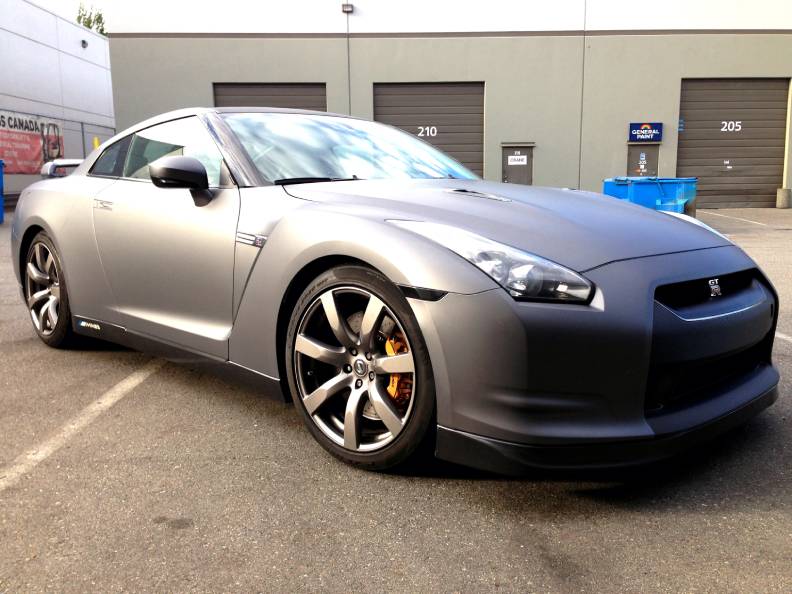
Credit: www.wrapguysamerica.com
Cost Vs Durability
Choosing a vinyl car wrap involves balancing cost and durability. Cheaper wraps save money upfront but may not last long. Higher-quality wraps cost more but offer better protection and longer life. Understanding these options helps you pick the best fit for your budget and needs.
Budget Wrap Options
Budget wraps use thinner vinyl material. They cost less and are good for short-term use. These wraps usually last about 3 to 5 years. Colors may fade faster under strong sunlight. The finish can peel or crack sooner than premium wraps. They suit drivers who want a quick, affordable change.
Premium Wrap Benefits
Premium wraps use thicker, higher-quality vinyl. They can last 5 to 7 years or more with care. These wraps resist fading, peeling, and cracking better. They protect the car’s paint from minor scratches and dirt. Premium wraps often come with better warranties. They fit well for long-term style and protection.
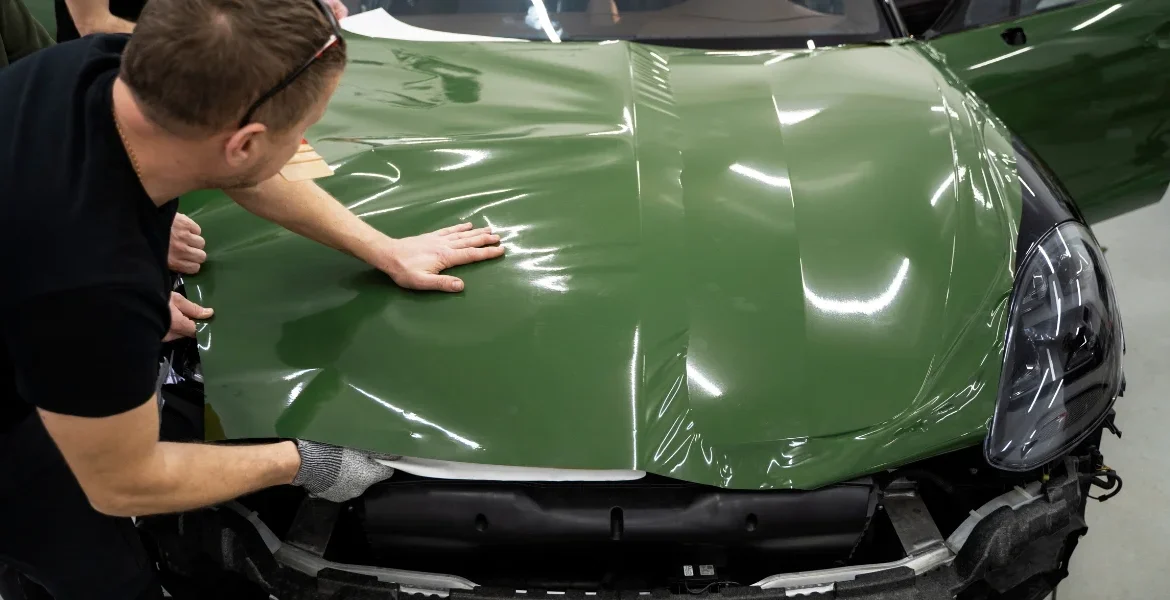
Credit: www.smartautotinting.co.nz
Frequently Asked Questions
How Long Does A Vinyl Car Wrap Typically Last?
A vinyl car wrap usually lasts between 5 to 7 years. Proper maintenance and quality material extend its lifespan. Sun exposure and weather conditions influence durability. Regular cleaning helps maintain its appearance and longevity.
What Factors Affect The Lifespan Of A Vinyl Wrap?
Sun exposure, weather, and quality of the vinyl affect wrap durability. Proper installation and care also extend its life. Harsh conditions and poor maintenance shorten the wrap’s lifespan significantly.
Can A Vinyl Car Wrap Be Removed Easily?
Yes, vinyl wraps can be removed without damaging the paint. Professional removal is recommended to avoid residue or paint damage. Removal time depends on wrap size and adhesive strength.
Does A Vinyl Car Wrap Protect The Vehicle’s Paint?
Vinyl wraps provide a protective layer against minor scratches and UV rays. They help preserve the original paint underneath. However, they don’t protect against heavy impacts or deep scratches.
Conclusion
A vinyl car wrap can last several years with proper care. Sunlight, weather, and washing habits affect its lifespan. Keeping your car in shade helps protect the wrap. Gentle cleaning extends how long it looks new. You can enjoy a fresh look without repainting.
Remember, quality wrap and good installation matter too. Regular checks catch small issues early. This helps your wrap stay strong and bright. Vinyl wraps offer a flexible, affordable way to change your car’s style. Choose wisely and care for it well.


