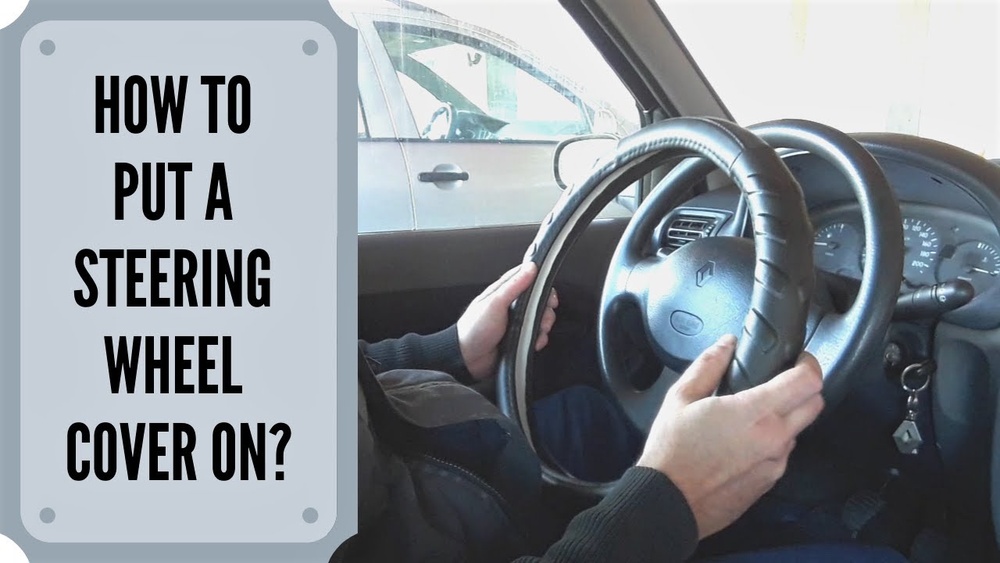
Have you ever wondered how safe your car’s steering wheel really is? You touch it every time you drive, but could it be hiding something dangerous like the Covid-19 virus?
Knowing how long Covid-19 lives on your steering wheel can help you protect yourself and your loved ones. You’ll discover the facts about the virus’s survival time on this common surface—and learn simple steps to keep your car safe and clean.
Keep reading to find out what you need to know to stay healthy every time you get behind the wheel.
Covid-19 Survival On Surfaces
Covid-19 can survive on many surfaces for hours or days. This raises concerns about touching objects like steering wheels. Understanding how long the virus lives on surfaces helps reduce infection risks. The virus’s survival depends on several factors, including the type of surface and the environment.
Factors Affecting Virus Lifespan
Temperature plays a big role in virus survival. Higher temperatures often reduce how long the virus stays active. Humidity also impacts the virus lifespan. Dry air can make the virus last longer, while moist air may shorten it. Sunlight, especially UV rays, can destroy the virus quickly. The amount of virus initially present on a surface affects how long it remains infectious. Cleaning and disinfecting remove or kill the virus, lowering the risk of spread.
Material Impact On Virus Longevity
The virus survives differently on various materials. On smooth surfaces like plastic or metal, it can live up to three days. Porous materials, such as fabric or leather, usually hold the virus for shorter times. Steering wheels, often made of plastic, leather, or rubber, can harbor the virus for hours. Regular cleaning of steering wheels is important to reduce virus presence. Understanding material differences helps in choosing better cleaning methods and keeping surfaces safe.
Steering Wheel As A High-touch Surface
The steering wheel is one of the most touched parts inside a car. Drivers hold it tightly during every trip. This constant contact makes it a key surface for germs and viruses.
Because people touch the steering wheel often, it can carry harmful viruses like Covid-19. The virus can stay on the wheel’s surface for hours or even days, depending on conditions. This increases the chance of catching the virus through hand contact.
Common Contamination Risks
Touching the steering wheel with dirty hands spreads germs easily. Hands may pick up the virus from many sources, such as door handles or phone screens. Each touch can transfer the virus to the wheel.
Sharing cars with others also raises contamination risks. Different people bring different germs inside the vehicle. The steering wheel quickly becomes a hotspot for these germs.
Virus Transfer Frequency
The virus can move from the steering wheel to hands many times a day. Each time someone touches their face after holding the wheel, infection risk grows. Frequent contact means more chances for the virus to spread.
Cleaning the wheel often helps reduce virus transfer. Using disinfectants can kill germs and protect everyone who uses the car.
Duration Of Covid-19 On Steering Wheels
The time Covid-19 virus stays on a steering wheel can vary. It depends on many factors like material and environment.
Understanding this helps in keeping your car safe and clean. It also helps reduce the chance of catching the virus.
Lab Study Findings
Studies show the virus can live on plastic and metal for hours. Steering wheels are often made from these materials.
In labs, Covid-19 stayed active on plastic surfaces up to 3 days. On metal, it lasted around 2 days.
These results show the virus can survive a long time on steering wheels under perfect conditions.
Real-world Conditions Influence
Outside the lab, factors like sunlight and temperature change virus survival. The virus dies faster in sunlight.
Heat and humidity can also reduce how long the virus stays alive. Cold, dry places help it last longer.
Touching and cleaning the steering wheel often lowers the virus risk. Regular wiping is important for safety.

Credit: www.alamy.com
Cleaning And Disinfection Tips
Cleaning and disinfecting your car’s steering wheel is key to stopping the spread of Covid-19. The virus can live on surfaces for hours or even days. Regular cleaning reduces the risk of infection. Use the right products and methods to keep the steering wheel safe.
Effective Cleaning Agents
Choose cleaning agents that kill viruses effectively. Alcohol-based wipes with at least 70% alcohol work well. Disinfectant sprays approved by health authorities also help. Avoid harsh chemicals that can damage the steering wheel’s material. Mild soap and water can clean dirt but do not kill viruses.
Proper Cleaning Techniques
Wear gloves before cleaning the steering wheel. Wipe the entire surface, not just visible spots. Use a clean cloth or disposable wipes. Let the disinfectant sit for the recommended time. Do not rinse off disinfectants too soon. Clean hands after finishing to avoid cross-contamination.
Preventive Measures While Driving
Driving is a daily activity for many people. It is important to take steps to stay safe from Covid-19 while behind the wheel. The steering wheel can hold germs for hours. Taking preventive measures helps reduce the risk of infection.
Hand Hygiene Practices
Clean hands stop the spread of viruses. Wash your hands with soap and water before and after driving. Use hand sanitizer with at least 60% alcohol if soap is not available. Avoid touching your face while driving. Keep a small bottle of sanitizer in the car for easy use.
Use Of Protective Covers
Protective covers create a barrier on the steering wheel. They are easy to clean and replace. Choose covers made from materials that can be wiped with disinfectant. Clean the cover regularly to remove germs. This simple step lowers the chance of virus spread through touch.
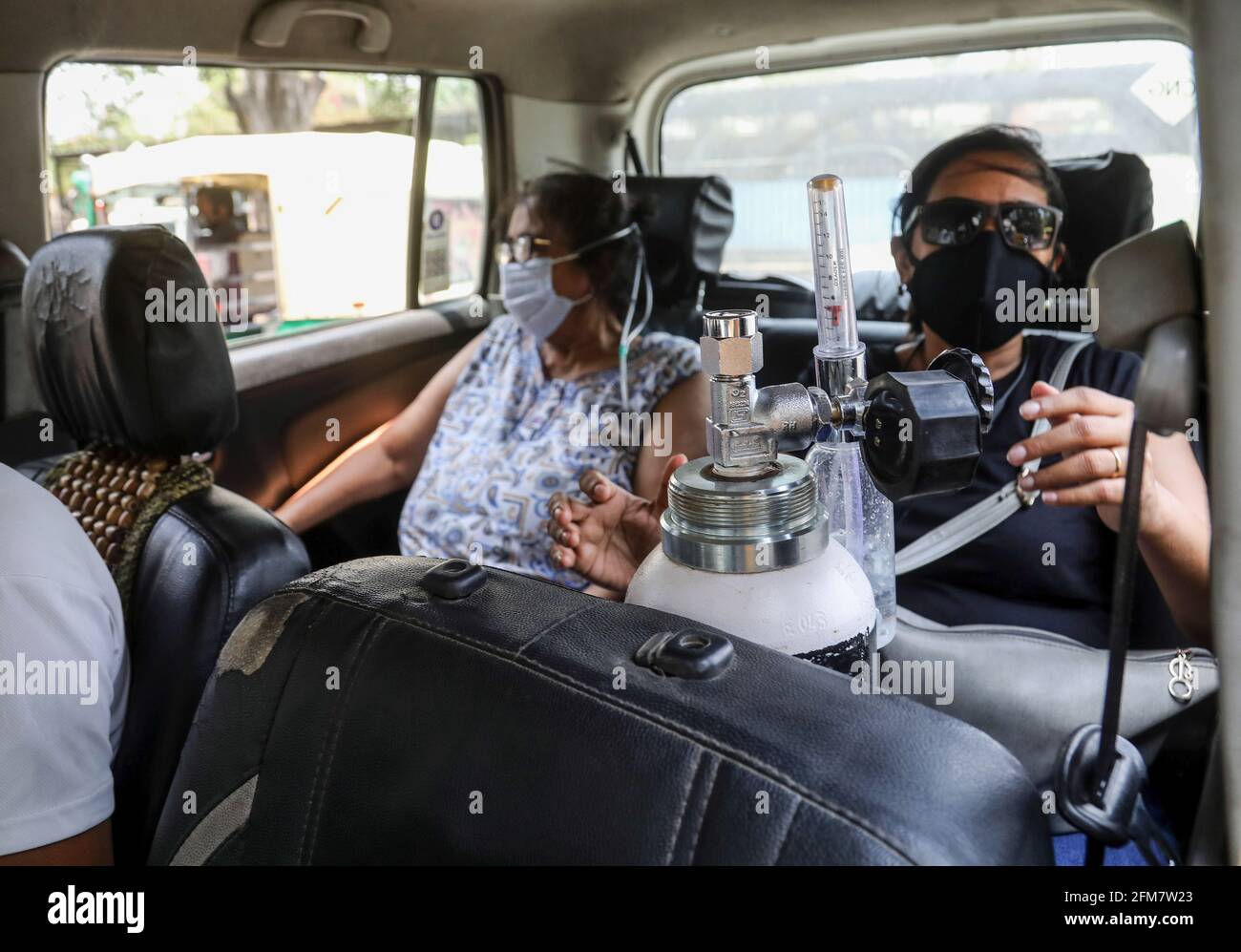
Credit: www.alamy.com
Myths About Covid-19 Transmission In Cars
Many people worry about catching Covid-19 inside cars. Steering wheels often get blamed for spreading the virus. Some stories say the virus can live there for days. Others claim touching the wheel means a high risk of infection. These are myths. Understanding the facts helps keep fear away and safety high.
Common Misconceptions
One myth says the virus stays alive on steering wheels for a very long time. Another says touching the wheel means you will definitely get sick. Some think the virus spreads easily in closed car spaces. Others believe wiping the steering wheel is not needed at all. These ideas cause confusion and worry.
Scientific Clarifications
Studies show the virus can live on surfaces, but for a limited time. The virus loses strength quickly on steering wheels. Infection usually happens from close contact with sick people, not from surfaces. Cleaning the steering wheel with soap or sanitizer reduces any risk. Good ventilation in cars also lowers chances of virus spread.

Credit: www.walmart.com
Frequently Asked Questions
How Long Does Covid-19 Survive On A Steering Wheel?
Covid-19 can live on a steering wheel for up to 72 hours. Survival depends on material, temperature, and humidity. Regular cleaning reduces the virus presence significantly. Using disinfectants with at least 70% alcohol is effective and recommended.
What Factors Affect Covid-19 Lifespan On Steering Wheels?
Virus survival varies with surface type, temperature, and humidity. Smooth, non-porous surfaces like steering wheels allow longer survival. Higher temperatures and sunlight reduce virus viability. Frequent cleaning and disinfecting also limit virus persistence on steering wheels.
How Can I Disinfect My Car Steering Wheel Effectively?
Use disinfectant wipes or sprays containing at least 70% alcohol. Wipe the entire steering wheel surface thoroughly. Allow it to air dry for maximum effect. Avoid harsh chemicals that may damage the steering wheel material.
Is Covid-19 Transmission Through Steering Wheels Common?
Transmission via steering wheels is possible but less common. Risk increases if an infected person touches the wheel then others do. Practicing hand hygiene and regular cleaning reduces this risk significantly. Avoid touching your face after handling the steering wheel.
Conclusion
Covid-19 can live on a steering wheel for hours to days. Clean your steering wheel often to reduce risk. Use disinfectant wipes or soap and water. Avoid touching your face after contact. Stay safe by keeping your car clean. Small actions help protect you and others.
Remember, regular cleaning is a simple but strong defense. Keep these habits to lower chances of catching the virus. Stay aware and take care every time you drive.