
Have you ever wondered how long Covid can survive on your steering wheel? You touch it every day, multiple times, and it’s easy to worry about germs lurking there.
Knowing how long the virus lasts on this common surface can help you protect yourself and your loved ones. You’ll discover clear answers and simple steps to keep your car safe. Keep reading—you’ll learn what really matters to stay healthy while on the road.
Credit: www.legendshonda.com
Virus Survival Time On Surfaces
The virus that causes COVID-19 can survive on different surfaces for varying times. Understanding how long it lasts helps reduce the risk of infection. Steering wheels are touched often and made of materials where the virus can stay active. Knowing virus survival time on these surfaces is important for safety.
Factors Affecting Virus Longevity
Several factors influence how long the virus stays alive on surfaces. Temperature plays a big role. The virus lasts longer in cooler places. Humidity also matters; dry air can shorten its survival. The type of surface changes virus lifespan too. Smooth, non-porous surfaces keep the virus active longer than rough or porous ones. Light exposure, especially sunlight, can kill the virus faster. Cleaning and disinfecting surfaces greatly reduce the virus presence.
Covid Persistence On Plastic And Metal
Steering wheels often have plastic or metal parts. The virus can survive on plastic for up to three days. Metal surfaces like aluminum or stainless steel also allow the virus to live for up to 72 hours. The virus stays active longer on these materials compared to fabric or paper. Regular cleaning of steering wheels with disinfectants helps remove the virus. Frequent hand washing after touching surfaces reduces infection risks too.

Credit: oasismedicalinstitute.com
Steering Wheel Material Impact
The material of a steering wheel plays a key role in how long Covid lasts on its surface. Different materials hold the virus for different times. This affects how often you should clean it. Understanding these differences helps keep your car safer.
Leather Vs Synthetic Covers
Leather steering wheels tend to absorb moisture. This can reduce how long the virus stays alive. Synthetic covers often have a smoother surface. Viruses may survive longer there because of less absorption. Cleaning synthetic covers regularly is very important. Leather needs care too, but it may not hold the virus as long.
Effect Of Temperature And Humidity
Temperature and humidity change how long the virus lasts. High temperatures can kill the virus faster. Low humidity helps the virus stay alive longer. Inside a car, these conditions can vary a lot. A hot day can reduce virus survival on the steering wheel. Cooler, dry days may let it last for hours. Always consider these factors when using and cleaning your car.
Risk Of Transmission From Steering Wheels
Steering wheels can carry germs, including the virus that causes Covid. People touch them often, making these surfaces a possible way to spread the virus. Understanding this risk helps us keep safer during travel.
Contact Frequency And Virus Transfer
Steering wheels are touched many times a day by drivers. This frequent contact can move the virus from hands to the wheel and back. The virus can survive on surfaces for hours. Touching a contaminated steering wheel and then touching your face can cause infection.
Cleaning the steering wheel regularly reduces virus presence. Using hand sanitizer after touching the wheel also lowers risk. Simple habits protect you and others from virus spread.
Real-world Transmission Cases
Reports of Covid spread through steering wheels are rare. Most infections happen through close breathing and talking. Still, virus transfer through surfaces is possible, especially in shared vehicles.
Carpooling or taxis have higher chances of surface transmission. Drivers and passengers should clean hands and steering wheels often. This practice helps stop the virus from moving between people.
Effective Cleaning Methods
Cleaning your steering wheel is important to reduce the risk of Covid-19 spread. The virus can stay on surfaces for hours or days. Proper cleaning removes the virus effectively. Use the right products and methods to keep your car safe.
Recommended Disinfectants
Use disinfectants approved by health authorities. Alcohol-based wipes with at least 70% alcohol work well. Household bleach diluted properly is also effective. Avoid using harsh chemicals that can damage the steering wheel. Always check the label for safety and instructions.
Safe Cleaning Practices For Steering Wheels
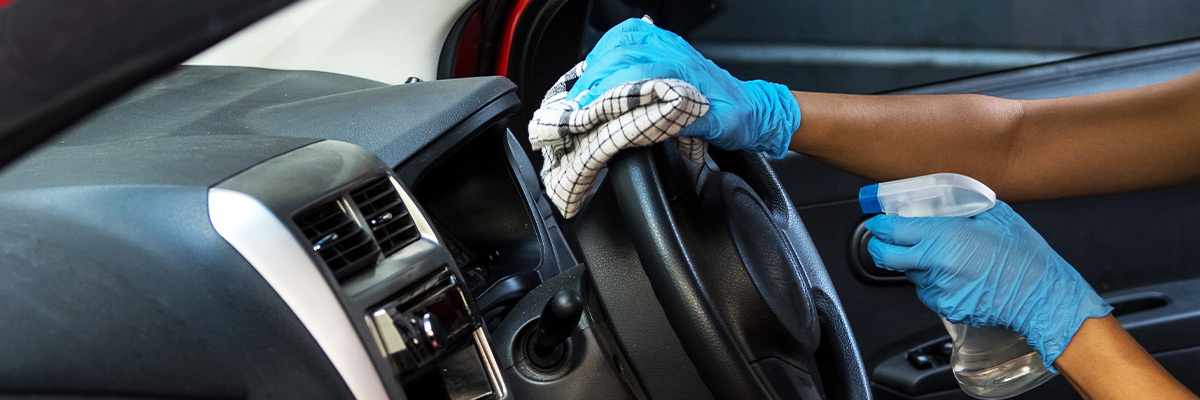
Wear gloves while cleaning to protect your hands. Use a soft cloth or sponge to avoid scratching. Apply disinfectant and let it sit for the recommended time. Wipe the surface gently and allow it to air dry. Clean your hands after finishing the process.
Preventive Measures For Drivers
Drivers spend a lot of time in their cars, touching the steering wheel often. This makes it important to keep the wheel clean and reduce the risk of Covid spreading. Simple steps can protect both the driver and passengers. These steps help stop germs from staying on the steering wheel and other car surfaces.
Hand Hygiene Tips
Wash your hands before and after driving. Use soap and water for at least 20 seconds. If soap is not available, use hand sanitizer with at least 60% alcohol. Avoid touching your face while driving. Clean your hands after refueling or handling money. Keeping your hands clean lowers the chance of spreading the virus.
Use Of Protective Accessories
Consider using a steering wheel cover that is easy to clean. Wipe the cover daily with disinfectant wipes. Gloves can protect your hands but must be changed often. Avoid sharing your car with others during the pandemic. Use disposable covers on gear shifts and door handles. These accessories act as barriers, reducing contact with germs.

Credit: www.northcarolinahealthnews.org
Role Of Ventilation And Airflow
Ventilation and airflow play a key role in reducing the risk of Covid on a steering wheel. Air movement helps clear virus particles from inside a vehicle. Without good airflow, these particles can linger longer on surfaces.
Understanding how air flows inside a car can lower chances of virus spread. Proper ventilation also helps dry out surfaces faster, which reduces virus survival time. Simple steps can improve air circulation and keep drivers safer.
Impact On Virus Spread Inside Vehicles
Airflow affects how virus droplets move inside a car. Poor ventilation traps these droplets, increasing surface contamination. The steering wheel and dashboard can collect virus particles from the air and hands.
Fresh air lowers virus concentration inside the vehicle. It reduces the chance of virus particles settling on surfaces. Cars with closed windows and no air exchange allow viruses to stay longer on the steering wheel.
Best Practices For Air Circulation
Open windows during drives to allow fresh air inside. This helps remove virus particles from the cabin quickly. Using the car’s air conditioning in fresh air mode is safer than recirculation mode.
Turn on fans to boost airflow and dry surfaces. Avoid using only recirculated air as it traps virus particles. Regularly cleaning the steering wheel and other touchpoints adds extra protection.
Frequently Asked Questions
How Long Does Covid Survive On A Steering Wheel?
Covid can survive on a steering wheel for up to 72 hours. The virus lasts shorter on smooth surfaces like plastic or metal. Proper cleaning reduces risk and removes the virus effectively within minutes.
Can Covid Transfer From Steering Wheels To Hands?
Yes, Covid can transfer from steering wheels to hands. Touching a contaminated surface then touching your face increases infection risk. Regular hand washing and using hand sanitizer help prevent transmission.
What Cleaning Method Removes Covid From Steering Wheels?
Using disinfectant wipes with at least 70% alcohol effectively removes Covid. Clean the entire steering wheel surface thoroughly. Allow it to air dry for complete virus elimination.
Does Covid Last Longer On Leather Or Plastic Steering Wheels?
Covid generally lasts longer on plastic than leather due to surface properties. Porous materials like leather absorb moisture, reducing virus survival time. Still, clean all steering wheels regularly for safety.
Conclusion
Covid virus can stay on a steering wheel for hours to days. Cleaning the wheel often helps lower the risk of spread. Use soap and water or disinfectant wipes to clean well. Avoid touching your face after touching the wheel.
Wash your hands regularly to keep safe. Taking these simple steps protects you and others. Stay careful and keep your car clean to reduce germs. Small actions make a big difference in stopping Covid.


