

Have you ever stared at your car’s dull paint and wondered how long it would take to bring back that shiny, flawless look? You’re not alone.
Knowing how long it takes to buff a car can help you plan your day and set the right expectations. Whether you want to do it yourself or hire a professional, understanding the time involved is key to getting the best results without wasting your effort or money.
Keep reading, and you’ll discover exactly what to expect when buffing your car—and why the time it takes matters more than you might think.
Factors Affecting Buffing Time
Buffing a car takes different amounts of time depending on several factors. These factors affect how long the process will last. Understanding them helps set clear expectations for car care.
Car Size And Condition
The size of the car changes the buffing time. Bigger cars need more time to cover all areas. The condition of the paint also matters. Old or damaged paint may require extra work. Scratches and oxidation can slow down the process.
Type Of Paint Finish
Different paint finishes respond differently to buffing. Glossy finishes usually buff faster than matte finishes. Clear coats need gentle handling to avoid damage. Some finishes need special products, which can take more time.
Equipment Used
Using the right tools speeds up buffing. Machines like dual-action polishers save time compared to hand buffing. Quality pads and compounds make the process smoother. Poor equipment can lead to longer buffing times.
Skill Level Of The User
A skilled person buffs faster and better. Experience helps avoid mistakes that waste time. Beginners may take longer and need breaks. Practice improves both speed and results.
Step-by-step Buffing Process
Buffing a car can make its surface shine like new. The process involves several clear steps. Each step is important to get the best result. Understanding these steps helps you know how long buffing takes.
Preparation And Cleaning
Start by washing the car thoroughly. Remove dirt and dust from the surface. Dry the car completely with a soft cloth. Any debris left can cause scratches during buffing. Use clay bars to remove stubborn grime. Clean and dry the area well before moving on.
Choosing The Right Compound
Select a buffing compound based on your car’s paint condition. Light scratches need a mild compound. Deep scratches require a stronger one. Using the correct compound avoids damage. Check product labels for guidance. Proper choice saves time and improves shine.
Applying The Buffer
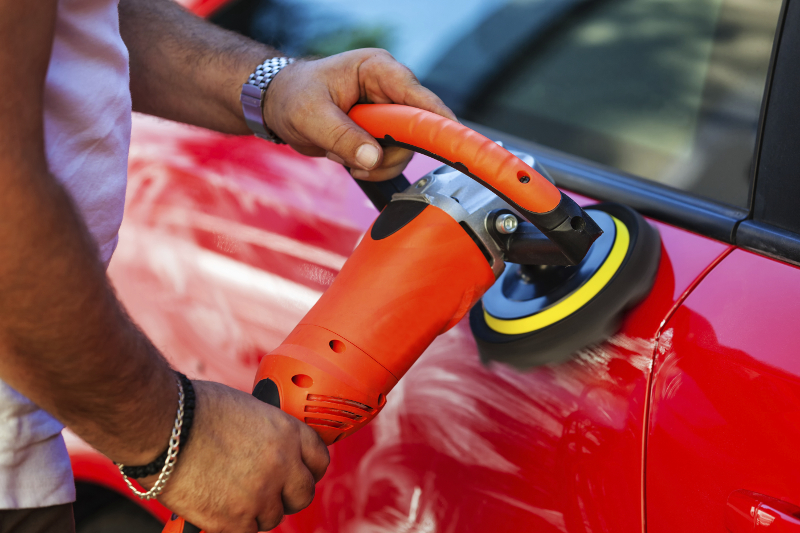
Attach the right pad to the buffer machine. Apply a small amount of compound to the pad. Turn on the buffer at low speed first. Move it slowly in circular motions. Keep the buffer moving to avoid burns. Work on one section at a time. Buffing usually takes 15 to 30 minutes per side.
Finishing Touches
Wipe off any leftover compound with a clean microfiber cloth. Inspect the surface for missed spots or haze. Use a polishing pad if needed for extra shine. Apply wax to protect the paint after buffing. This step enhances shine and protects for weeks. Buffing finishes with a smooth, glossy surface.
Average Time Estimates
Buffing a car restores its shine and removes minor scratches. The time it takes depends on the car size and condition. Understanding average time helps plan your work or service appointment.
Buffing Small Cars
Small cars take less time to buff. Usually, it takes around one to two hours. These cars have less surface area to cover. The process is quicker and easier.
Buffing Sedans And Suvs
Sedans and SUVs are medium-sized vehicles. Buffing them typically takes two to three hours. The larger surface and curves need more attention. Extra care ensures a smooth, even finish.
Buffing Large Vehicles
Large vehicles like trucks or vans require more time. Buffing may take three to five hours or more. The bigger surface area and tough spots slow the process. Patience delivers the best results.

Credit: www.youtube.com
Tips For Faster Buffing
Buffing a car can take time, but some tips help you finish faster. Simple habits make the process smooth. These tips keep the work steady and effective. You get better results in less time.
Using Quality Tools
Good tools save effort and speed up buffing. Use a reliable buffer with adjustable speed settings. Soft, clean pads prevent damage and work faster. Cheap tools slow you down and may ruin the paint.
Working In Sections
Divide the car into small parts for easier control. Buff one section fully before moving on. This stops you from missing spots or going over the same area twice. Small sections help keep focus and speed.
Maintaining Consistent Pressure
Hold the buffer firmly but not too tight. Press evenly to avoid uneven shine or damage. Too much pressure slows you and causes streaks. Steady pressure makes buffing quick and smooth.
Common Mistakes To Avoid
Buffing a car can bring out its shine and remove minor scratches. Yet, mistakes can ruin the effort and damage the paint. Avoiding these common errors ensures a smooth and safe buffing process.
Over-buffing
Buffing too long wears down the clear coat. This thin layer protects the paint underneath. Excessive buffing can cause dull spots and paint damage. Stop as soon as the surface looks smooth and glossy.
Ignoring Surface Preparation
Skipping cleaning or drying leads to poor results. Dirt or dust trapped under the buffer creates scratches. Always wash and dry the car before buffing. A clean surface makes buffing easier and safer.
Using Incorrect Products
Choosing the wrong polish or pad can harm the paint. Some products are too abrasive for certain finishes. Use a polish that matches your car’s paint type. Always test products on a small area first.

Credit: www.fresh-layer.com
Credit: www.carwash.com
Frequently Asked Questions
How Long Does It Take To Buff A Car Completely?
Buffing a car usually takes between 1 to 3 hours. The time depends on the car size and paint condition. Small cars take less time, while heavily scratched surfaces require more care. Professional detailers often complete the process faster with advanced tools.
Can I Buff My Car At Home Easily?
Yes, you can buff your car at home with the right tools. Use a dual-action polisher and quality buffing compounds. Take your time to avoid paint damage. Beginners should practice on small areas first to gain confidence and skill.
How Often Should I Buff My Car For Best Results?
Buff your car every 6 to 12 months to maintain shine and remove minor scratches. Frequent buffing can thin the paint, so avoid overdoing it. Regular washing and waxing help preserve the finish between buffing sessions.
What Factors Affect Buffing Time On A Car?
Buffing time depends on car size, paint condition, and desired finish quality. Deep scratches or oxidation increase the required effort. Using professional-grade tools and compounds speeds up the process. Experience level also influences how quickly buffing is done.
Conclusion
Buffing a car usually takes between one to three hours. The exact time depends on the car’s size and condition. Small scratches and dull paint need less work. Deep scratches or old paint require more time. Doing it yourself may take longer than hiring a professional.
Patience matters for the best results. Regular buffing keeps your car shiny and smooth. Take your time and enjoy the process. Your car will look fresh and well cared for. Simple steps can make a big difference.


