

You want your car’s air conditioning system to work perfectly, especially on hot days. But do you know how long you should vacuum your car AC system to keep it running smoothly?
If you skip this step or don’t do it right, your AC might not cool as well or could even get damaged. You’ll discover the exact vacuuming time that helps remove moisture and air, making your AC more efficient and reliable.
Keep reading, and you’ll learn the simple yet crucial timing that can save you money and keep your car comfortable all year round.
Importance Of Vacuuming Car Ac
Vacuuming the car AC system is a crucial step in maintaining its performance. It helps keep the system clean and working well. Skipping this step can cause problems later. Understanding why vacuuming matters can save time and money on repairs.
Removing Moisture And Contaminants
Vacuuming removes moisture trapped inside the AC system. Moisture can cause rust and damage to parts. It also helps clear out dirt and debris. These contaminants reduce the system’s efficiency and lifespan.
Preventing System Damage
Air and moisture inside the AC system can cause corrosion. Corrosion wears down metal parts and leads to leaks. Vacuuming creates a strong vacuum to pull out these harmful elements. This step protects the system from costly damage.
Enhancing Cooling Efficiency
A clean, dry AC system cools the car better. Removing moisture and dirt allows refrigerant to flow smoothly. This improves the AC’s cooling power and makes it last longer. Vacuuming helps the system work as it should.

Credit: www.youtube.com
Factors Affecting Vacuum Duration
Vacuuming a car AC system is a key step in maintenance and repair. The time needed to vacuum depends on several factors. Understanding these helps you avoid mistakes and ensures the system works well.
Size Of The Ac System
Large AC systems need more time to vacuum. They hold more air and moisture inside. Small systems take less time because they have less space. Knowing the size helps set the right vacuum duration.
Type Of Vacuum Pump Used
Different vacuum pumps work at different speeds. Some pumps remove air faster, reducing vacuum time. Others work slower and need more time to reach the right vacuum level. The pump’s quality and power affect how long you should vacuum.
System Condition And Leak Presence
A system with leaks takes longer to vacuum. Air keeps entering through leaks, making the pump work harder. A clean, leak-free system holds vacuum better and needs less time. Checking for leaks before vacuuming saves effort and time.
Recommended Vacuum Times
Knowing the right vacuum time for your car AC system is key. Proper vacuuming removes moisture and air. This protects the system and helps it work well. Different systems need different vacuum times. Let’s explore the recommended vacuum times for various situations.
Standard Vacuum Duration
Most car AC systems need about 30 to 45 minutes of vacuuming. This time helps remove air and moisture inside the system. It prepares the system for new refrigerant. A steady vacuum pressure below 500 microns is ideal.
Adjustments For Larger Systems
Larger AC systems need longer vacuum times. Systems in bigger vehicles may require 45 to 60 minutes. This ensures all moisture and air are fully removed. Take extra time to check vacuum pressure stays low during the process.
Timing For Systems With Leaks
Systems with leaks need special care. Vacuum time alone cannot fix leaks. First, repair the leaks. Then vacuum for at least 60 minutes. This helps remove air and moisture after the repair. Watch the pressure closely to confirm no leaks remain.
Step-by-step Vacuuming Process
Vacuuming a car AC system is essential to remove air and moisture. This process protects the system and improves cooling performance. Follow these simple steps carefully to vacuum your car AC system correctly.
Preparing The Ac System
Start by turning off the car engine and opening the hood. Locate the low-pressure service port on the AC system. Remove any caps covering the ports. Check hoses and connections for leaks or damage. Use gloves and safety glasses for protection.
Connecting The Vacuum Pump
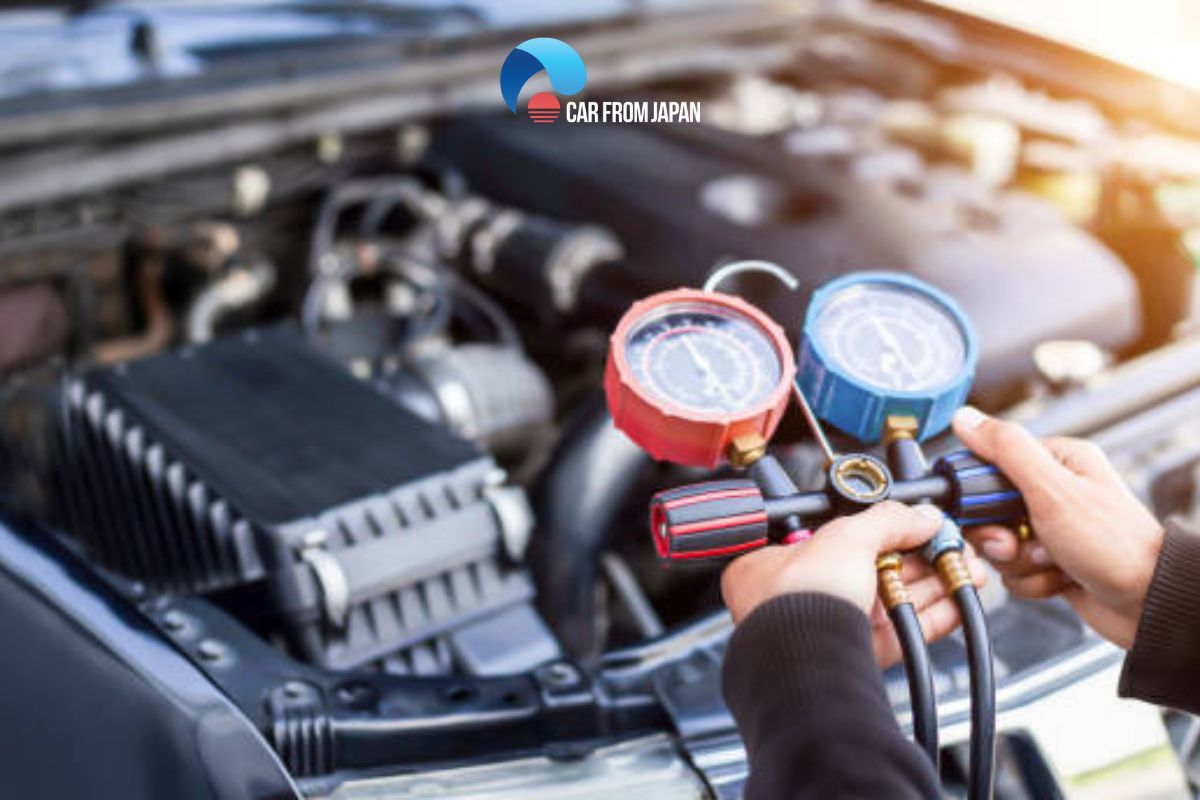
Attach the vacuum pump hose to the low-pressure service port. Make sure the connection is tight and secure. Turn on the vacuum pump to start removing air. Keep the pump steady to avoid disconnections during the process.
Monitoring Vacuum Pressure
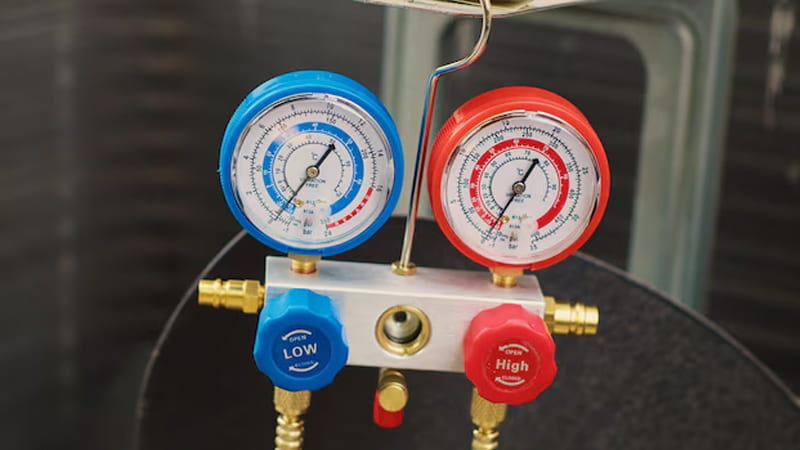
Watch the vacuum gauge closely. The pressure should drop steadily as air is removed. Look for a pressure reading below 500 microns. This low pressure shows that air and moisture have left the system.
Reaching And Maintaining Target Vacuum
Keep the vacuum pump running for 30 to 45 minutes. This time ensures the system is fully evacuated. After this, close the valve and turn off the pump. Watch if the pressure holds steady for 10 minutes. If it rises, the system may have leaks.
Common Mistakes To Avoid
Vacuuming a car AC system requires care and attention. Many people make simple mistakes that reduce the system’s performance. Avoiding these errors helps keep your AC working well and lasting longer.
Insufficient Vacuum Time
Vacuuming too briefly does not remove all air and moisture. Moisture can cause corrosion and blockages inside the system. A proper vacuum time usually lasts 30 to 45 minutes. Rushing this step leads to poor cooling and damage.
Ignoring Leaks Before Vacuuming
Leaks let air and moisture enter the AC system. Vacuuming before fixing leaks wastes time and effort. Always check and repair leaks first. This ensures the vacuum process works correctly and the system stays sealed.
Skipping System Pressure Checks
Pressure checks help find hidden leaks and issues. Skipping these checks can cause vacuum failure or refrigerant loss later. Use a gauge to measure pressure before and after vacuuming. This step keeps your AC system safe and efficient.
Credit: hvacolink.com
Tools To Measure Vacuum Efficiency
Measuring vacuum efficiency is key to maintaining your car’s AC system. It helps find leaks and ensures proper airflow. Different tools give you accurate readings during vacuuming. This section explains three common tools used by mechanics and car owners.
Vacuum Gauges
Vacuum gauges show the pressure inside the AC system. They help track how well the vacuum pump removes air and moisture. A steady low reading means the system is sealed well. Sudden pressure changes can point to leaks or blockages.
Micron Meters
Micron meters measure vacuum in very small units called microns. They give more precise readings than regular vacuum gauges. This helps spot even tiny leaks that might cause problems later. Accurate vacuum levels protect the AC system from damage.
Leak Detectors
Leak detectors help find where air or refrigerant escapes. Some use UV light with dye added to the system. Others sense refrigerant gas in the air. Finding leaks fast saves time and keeps the AC running well.
Tips From Experts
Experts share clear advice on how long to vacuum a car AC system. Their tips help avoid common mistakes and improve system performance. Proper vacuuming removes moisture and air, protecting the AC’s parts. Following expert guidance saves time and prevents damage.
Optimal Vacuum Practices
Run the vacuum pump for at least 30 minutes. This time ensures all moisture and air are removed. Use a good-quality vacuum pump to maintain steady pressure. Check for leaks before starting to avoid wasting effort. Always close valves tightly after vacuuming to keep the system sealed.
Signs Of A Successful Vacuum
The vacuum gauge should hold steady below 500 microns for 10 minutes. This shows no air or moisture is entering the system. Listen for any hissing sounds that may mean leaks. The system should feel cold and dry after vacuuming. A stable vacuum reading confirms readiness for refrigerant charging.
When To Repeat The Vacuum Process
Repeat vacuuming if the gauge rises quickly after shutting the pump. This means there is still air or moisture inside. Always vacuum again after fixing leaks or replacing parts. If the AC system was open to air for long, vacuum twice. Better safe than sorry to keep the system running well.
Credit: carfromjapan.com
Frequently Asked Questions
How Long Should I Vacuum My Car Ac System?
Vacuum your car AC system for at least 30 to 45 minutes. This duration removes moisture and air effectively, ensuring proper system performance and preventing damage.
Why Is Vacuuming The Car Ac System Necessary?
Vacuuming removes moisture, air, and contaminants from the AC system. It improves cooling efficiency and prevents corrosion or compressor failure, extending system lifespan.
Can Vacuuming Too Long Damage The Ac System?
Vacuuming longer than 45 minutes is usually safe but unnecessary. Excessive vacuuming won’t damage the system but wastes time and energy.
When Should I Vacuum My Car Ac System?
Vacuum your car AC system after repairs or refrigerant recharging. It ensures no air or moisture remains inside, optimizing system function.
Conclusion
Vacuuming your car AC system properly helps keep it working well. Usually, 30 to 45 minutes is enough to remove air and moisture. Too short means trapped moisture; too long wastes time. Use a good vacuum pump and watch the gauge closely.
Regular vacuuming extends your AC’s life and improves cooling. Keep it steady and patient. Your car will thank you with cool, fresh air on every drive. Simple steps like this make a big difference in comfort and system health.


