

Have you ever faced the frustrating moment when your car overheats and you need to add coolant? It’s tempting to open the radiator cap right away, but doing so too soon can be dangerous.
Knowing exactly how long to let your car cool before adding coolant can save you from burns and costly repairs. You’ll discover simple, clear steps to keep you safe and get your engine running smoothly again. Keep reading—you’ll learn the crucial timing that every car owner needs to know.

Credit: www.reddit.com
Why Coolant Matters
Coolant is a vital fluid for your car’s engine. It keeps the engine at the right temperature. Without coolant, the engine can get very hot and break down. Understanding why coolant matters helps you take better care of your car. It affects how well your engine runs and prevents serious damage.
Role In Engine Performance
Coolant helps the engine run smoothly by controlling temperature. It stops the engine from getting too hot or too cold. When the engine stays at the right temperature, it works better and lasts longer. Coolant also protects metal parts inside the engine from rust and corrosion.
Preventing Overheating
Engines produce a lot of heat during use. Coolant absorbs this heat and moves it away from the engine. This stops the engine from overheating, which can cause parts to melt or break. Without coolant, the engine could stop working suddenly. Coolant keeps your car safe and running well.
Risks Of Adding Coolant Too Soon
Adding coolant to a hot engine can cause serious problems. Many drivers rush to top up coolant without waiting for the engine to cool. This mistake can lead to injuries and costly repairs. Understanding the risks helps prevent damage and keeps you safe.
Burn Hazards
Engine coolant gets very hot during use. Opening the radiator cap too soon lets out hot steam and liquid. This steam can cause severe burns on your hands and face. Even a small splash of hot coolant can hurt your skin badly. Waiting for the engine to cool lowers this risk. Always use gloves and a cloth if you must open the cap.
Damage To Engine Components
Adding cold coolant to a hot engine causes sudden temperature changes. This rapid cooling can crack the engine block or radiator. Metal parts expand when hot and contract when cold. Quick cooling forces stress on these parts, leading to leaks or breaks. Cooling the engine prevents these costly damages. Proper care keeps the engine running smoothly longer.
Ideal Cooling Timeframes
Knowing the right time to let your car cool before adding coolant is important. Adding coolant to a hot engine can cause burns or damage. The ideal cooling time varies with different factors. Understanding these helps you avoid risks and keep your car safe.
Patience is key. Waiting too little can be dangerous. Waiting too long might waste time. Finding the right balance protects both you and your vehicle.
Factors Influencing Cooling Time
Engine size affects how fast it cools down. Larger engines take longer to cool. The outside temperature also matters. Hot weather slows cooling, while cold weather speeds it up.
How hard the engine worked before stopping is important. Driving fast or uphill heats the engine more. This means it needs extra time to cool. The type of coolant used can affect timing too. Some coolants absorb heat faster than others.
General Waiting Periods
Most experts suggest waiting at least 30 minutes. This gives the engine enough time to cool safely. On a hot day, waiting 45 minutes or more is better. For cold days, 20 to 30 minutes may be enough.
Always check the temperature gauge before opening the radiator cap. If it still shows hot, wait longer. Safety is more important than speed. Use a rag or glove when handling hot parts.
Credit: www.johnsonvolvocarsdurham.com
How To Check Engine Temperature
Knowing how to check your engine temperature helps you decide when to add coolant. It prevents damage and keeps your car running well. Checking temperature is simple and safe with the right steps.
Using The Temperature Gauge
Most cars have a temperature gauge on the dashboard. It shows the engine’s heat level. When you start the car, the needle is low. As the engine warms, the needle moves up. Wait until the needle is in the normal range. This means the engine is warm but not hot. Avoid adding coolant if the needle is in the red zone.
Touch Test Safety Tips
Never touch the radiator cap or engine parts right after driving. They can burn your skin. Wait at least 30 minutes before touching the engine. Use a cloth or glove if you must touch the radiator cap. Always open the cap slowly to release pressure. This keeps you safe from hot steam or liquid.
Steps To Add Coolant Safely
Adding coolant to your car is important to keep the engine running cool. Follow these simple steps to do it safely. Taking time and care helps avoid damage or injury.
Understanding each step makes the process easy. Safety is the top priority when handling the cooling system.
Preparing The Vehicle
Park your car on a flat surface. Turn off the engine and let it cool down completely. Wait at least 30 minutes to avoid burns. Open the hood and find the radiator or coolant reservoir. Wear gloves to protect your hands from hot parts.
Opening The Radiator Cap
Never open the radiator cap when the engine is hot. Hot coolant can spray out and cause burns. Slowly turn the cap counterclockwise to release pressure. Use a cloth to protect your hand. Remove the cap fully only when you are sure it is cool.
Pouring The Coolant
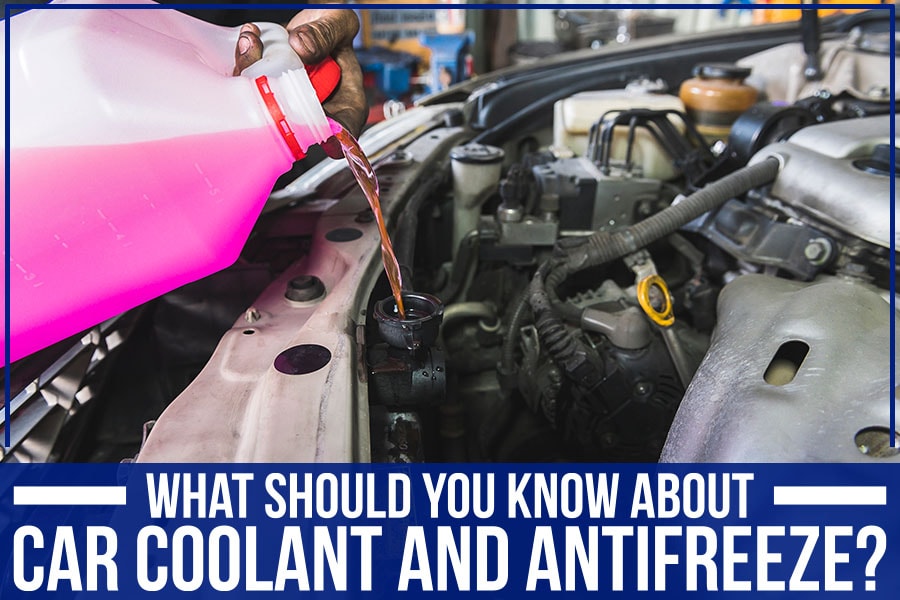
Use a funnel to pour coolant slowly. Fill the radiator or reservoir to the recommended level. Avoid overfilling to prevent leaks. Check the coolant type in your car manual before pouring. Replace the radiator cap securely after filling. Start the engine and check for leaks or low levels.
Common Mistakes To Avoid
Adding coolant to a hot engine needs care. Many car owners make common mistakes that can damage the engine or cause injury. Knowing what to avoid helps keep your car safe and running well. Here are some common errors to watch out for.
Ignoring Warning Signs
Never ignore warning signs like steam or a hot radiator cap. These signs mean the engine is too hot to open safely. Opening the cap too soon can cause hot coolant to spray out. This can burn your skin badly. Wait until the engine cools down completely. Use a cloth to open the cap slowly. Safety first.
Using Wrong Coolant Types
Not all coolants are the same. Using the wrong type can harm your engine’s cooling system. Check your car’s manual for the right coolant type. Mixing different coolants can cause clogs or corrosion. Always buy the coolant made for your car. This keeps the engine cool and prevents damage.
Maintenance Tips For Cooling System
Keeping your car’s cooling system in good shape helps prevent engine damage. Regular care stops overheating and costly repairs. Simple steps ensure your engine runs cool and smooth.
Regular Coolant Checks
Check coolant levels often. Low coolant can cause the engine to overheat. Use a clean container to add coolant only after the car cools. Watch for leaks or dirty coolant. Clean and clear coolant protects your engine well.
Flushing And Replacing Coolant
Flush the cooling system every 2 years or 30,000 miles. Old coolant loses its ability to cool. Flushing removes rust and dirt from the system. Refill with fresh coolant to keep the engine safe. This prevents clogs and keeps your car running longer.

Credit: www.wikihow.com
Frequently Asked Questions
How Long Should You Wait To Add Coolant?
Wait at least 30 minutes for your car to cool down. This prevents burns from hot coolant or engine parts. Always check the temperature gauge before opening the radiator cap.
Can I Add Coolant Immediately After Driving?
No, adding coolant immediately is unsafe. The engine and coolant system remain hot, risking burns and damage. Always allow the engine to cool first.
Why Is Letting The Car Cool Important Before Adding Coolant?
Cooling prevents pressure build-up and hot coolant splashes. It protects you from burns and avoids damaging the cooling system. Safety is key when handling coolant.
What Happens If I Add Coolant To A Hot Engine?
Adding coolant to a hot engine can cause burns and system damage. It may crack the radiator or cause coolant to overflow. Always wait for the engine to cool.
Conclusion
Always wait at least 30 minutes for your car to cool down. Touch the radiator cap carefully to check if it’s safe. Adding coolant too soon can cause burns or damage. Keep your engine cool to avoid costly repairs. Regularly check coolant levels to keep your car running well.
Taking these simple steps helps protect your vehicle and your safety. Remember, patience is key when topping up coolant. Stay safe and maintain your car properly for smooth drives ahead.


