
You just got a brand-new car, and it looks amazing. Naturally, you want to keep that shine and protect your investment.
But here’s the question: how long should you wait before waxing your new car? Waxing too soon or too late can affect the finish and protection. If you’re unsure when to take this important step, you’re not alone. You’ll discover the ideal timing for waxing your new ride, so you can keep it looking fresh and flawless for years to come.
Keep reading—you don’t want to miss these expert tips!
Credit: surfnshine.com
Why Timing Matters
Timing is key when waxing a new car. The right wait time helps protect the paint and keeps your car looking fresh. Waxing too soon or too late can cause issues. Knowing why timing matters helps you care for your car better.
Impact On Paint Protection
New car paint needs time to cure. Waxing too early can trap moisture or chemicals. This weakens the paint’s surface and reduces protection. Waiting allows the paint to harden fully. A well-cured paint holds wax better. This creates a strong shield against dirt and weather.
Effects On Car Appearance
Waxing at the right time keeps your car shiny. Early waxing might cause streaks or uneven spots. The paint looks dull or blotchy if wax is applied too soon. Proper timing ensures a smooth, glossy finish. It enhances the car’s color and depth. Your car looks newer and cleaner longer.
Credit: surfnshine.com
New Car Paint Curing Process
The new car paint curing process is very important for the paint’s strength and shine. When a car gets painted, the paint needs time to harden fully. This hardening is called curing. During this time, the paint becomes strong and resistant to damage. Understanding this process helps you know when it is safe to wax your new car. Waxing too soon can harm the paint or leave spots.
What Is Paint Curing
Paint curing is the process where paint hardens after application. It involves chemical changes inside the paint layers. These changes make the paint tough and durable. Fresh paint feels soft and delicate before curing. Over time, the paint loses softness and becomes solid. Curing also improves the paint’s resistance to water and dirt. It protects the car’s surface from scratches and fading.
Typical Curing Duration
The curing time depends on the type of paint and weather conditions. Most car paints need about 30 to 60 days to cure fully. During this period, the paint is still vulnerable to damage. Waxing before curing finishes can cause uneven shine or stains. Cold or humid weather can slow down the curing. Warm and dry conditions help the paint cure faster. Waiting at least one month before waxing is usually safe.
Recommended Wait Time Before Waxing
Knowing the right time to wax a new car is important. Waxing too soon can harm the paint. Waiting too long might miss the best protection time. The recommended wait time helps keep the car’s finish smooth and shiny.
Different sources suggest different wait times. Understanding these can help you care for your new car properly. Here is what manufacturers and experts say about waxing a new car.
Manufacturer Guidelines
Car makers often advise waiting before waxing. Many suggest a wait of 30 to 90 days. This allows the paint to fully cure. New paint needs time to harden and settle.
Check the owner’s manual for specific advice. Some brands may have unique instructions. Following these guidelines protects the paint and warranty.
Expert Opinions
Car care experts often recommend waiting about 60 days. This time lets the paint finish drying completely. Wax applied too early may trap moisture or chemicals.
After the wait, waxing protects paint from dirt and UV rays. Experts stress gentle washing before waxing. Clean paint helps wax bond better.

Credit: www.reddit.com
Factors Influencing Waxing Time
Knowing the right time to wax your new car depends on several factors. These factors affect how well the wax sticks and protects the paint. Understanding them helps keep your car shiny and safe from damage.
Type Of Paint Finish
Cars have different paint finishes. Some have a clear coat, while others have a single-stage paint. Clear coats need more time to cure before waxing. Waxing too soon can harm the finish or cause uneven shine. Single-stage paints might allow earlier waxing but check the manufacturer’s advice.
Environmental Conditions
Temperature and humidity affect paint drying. Warm, dry weather speeds up curing. Cold or wet weather slows it down. Dust and dirt can stick to fresh paint easily. Choose a dry day with mild temperature for waxing to get the best results.
Previous Treatments
Some new cars come with a factory wax or sealant. This layer protects the paint initially. It can affect how soon you should apply your own wax. If the car has a sealant, wait longer to avoid removing it. If unsure, ask the dealer or a professional detailer.
Signs Your Car Is Ready For Waxing
Knowing when your new car is ready for waxing helps protect its paint properly. Waxing too soon can harm the finish. Waiting too long lets dirt and grime build up. Watch for clear signs that the paint is ready for a wax layer. These signs show the paint has settled and can benefit from waxing.
Visual Indicators
Check your car’s surface for a smooth, even shine. The paint should look dry and settled. Avoid waxing if the surface looks dull or has water spots. Small scratches or swirl marks may appear as the paint cures. Waxing helps hide these imperfections and adds a protective layer.
Touch And Feel Tests
Run your hand gently over the paint. It should feel smooth and not sticky or tacky. Sticky surfaces mean the paint is still curing. A fully cured paint feels slick and firm. Wax will glide on easily and spread evenly when the surface feels right.
Waxing Tips For New Cars
Waxing a new car helps protect its paint and keep it shiny. Knowing how to wax properly makes a big difference. This section shares useful tips for waxing new cars. Follow these simple steps to keep your car looking great.
Choosing The Right Wax
Select wax designed for new car paint. Carnauba wax offers a deep, natural shine. Synthetic wax lasts longer and protects better. Avoid harsh chemicals that can harm fresh paint. Check product labels for safe use on new cars.
Proper Application Techniques
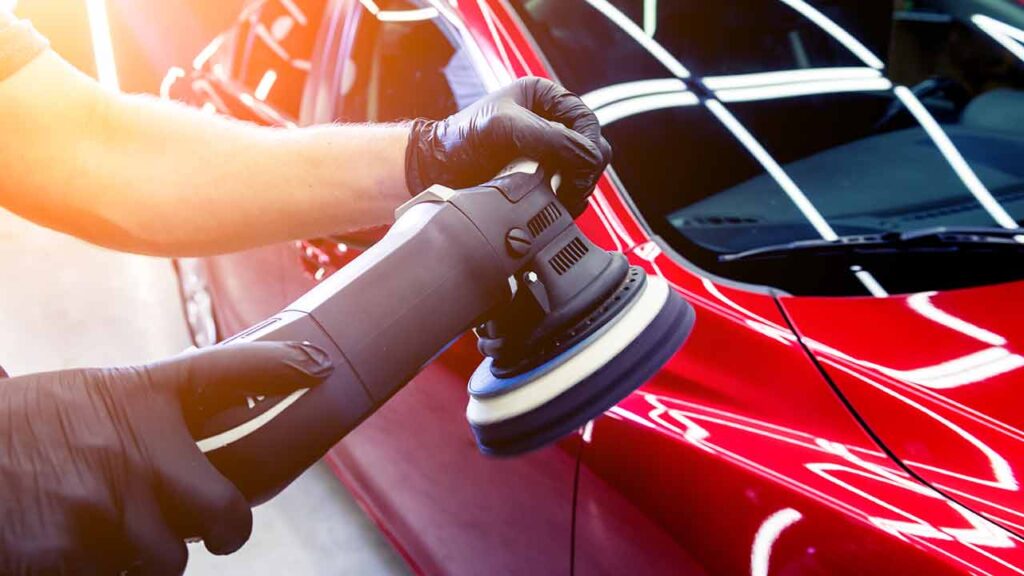
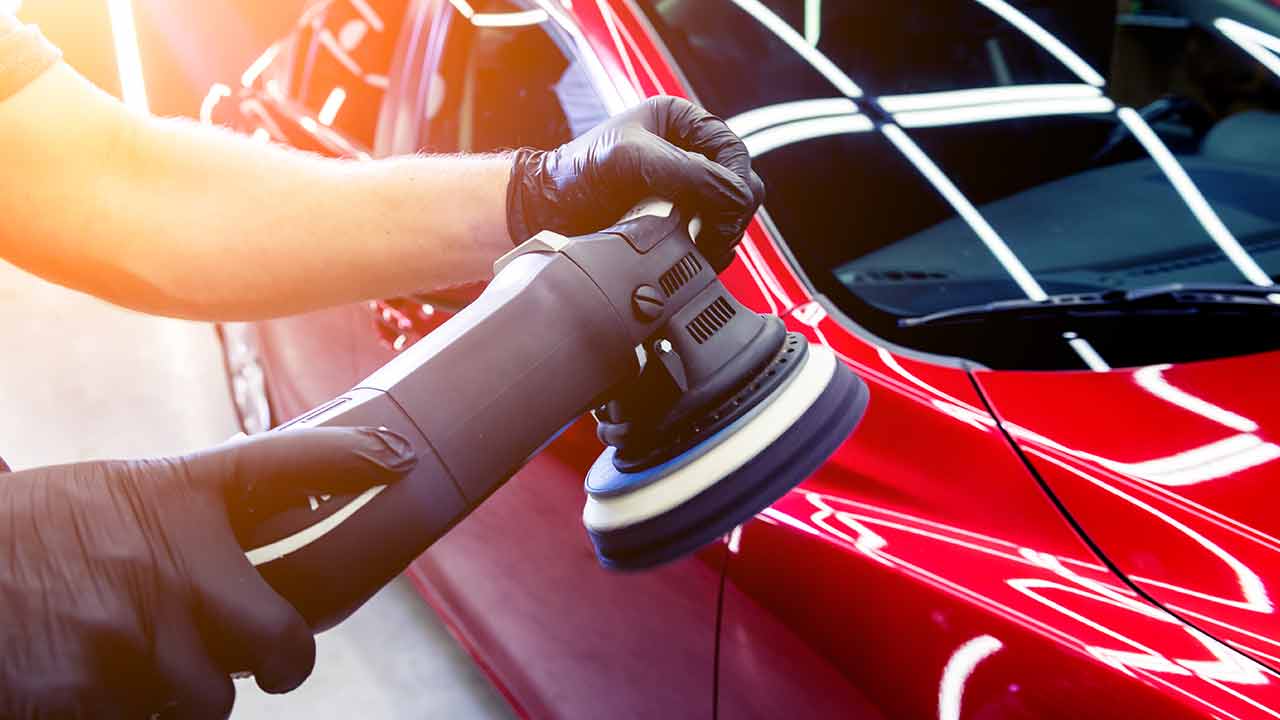
Wash your car thoroughly before waxing. Dry it completely to avoid streaks. Apply wax in small, circular motions. Use a soft cloth or foam applicator pad. Let the wax dry to a haze before buffing it off gently.
Frequency Of Waxing
Wax your new car every three months. This keeps the paint shield strong and shiny. Avoid waxing too soon after buying the car. Wait at least one month for paint to cure fully. Regular waxing protects against sun, dirt, and water damage.
Alternatives To Waxing Early
Waiting to wax a new car can feel like a long task. The paint needs time to cure. But some people want to protect their car’s shine early. There are other options to keep your car’s finish safe. These alternatives can help keep your car looking great without waxing right away.
Using Sealants
Sealants are synthetic products made to protect car paint. They form a strong, clear layer on top of the paint. Sealants last longer than wax and resist water better. They give a shiny look that lasts for months. Applying a sealant can protect your car soon after buying it. Sealants also make washing easier by preventing dirt from sticking.
Ceramic Coatings
Ceramic coatings are a newer option for car protection. They bond with the paint and create a hard shell. This shell guards against scratches, dirt, and UV rays. Ceramic coatings last much longer than wax or sealants. They keep the car looking clean and shiny for a long time. Many choose ceramic coatings for early protection after buying a new car.
Common Mistakes To Avoid
Waxing a new car protects its paint and keeps it shiny. Many car owners want to wax quickly. But rushing can harm the finish. Avoid these common mistakes to keep your new car looking great.
Waxing Too Soon
New cars need time for the paint to fully cure. Waxing too soon can trap chemicals under the wax. This may cause dull spots or damage. Wait at least 30 to 60 days before waxing.
Using Harsh Products
Strong cleaners or abrasive waxes can strip the paint. They may remove protective layers or cause scratches. Use gentle, car-safe products designed for new paint. This keeps the surface smooth and safe.
Ignoring Manufacturer Advice
Car makers provide specific care guidelines. Ignoring these can lead to warranty issues or paint damage. Always read and follow the advice in your car’s manual. It ensures proper care and long-lasting shine.
Frequently Asked Questions
How Long Should You Wait Before Waxing A New Car?
Wait at least 30 days before waxing a new car. This allows the paint to fully cure. Waxing too soon can trap solvents, harming the finish and reducing wax effectiveness.
Why Is Curing Time Important Before Waxing?
Curing time lets paint harden and release solvents. Waxing too early may cause uneven protection and dullness. Proper curing ensures a smooth, durable wax coat for long-lasting shine.
Can Waxing A New Car Too Soon Damage Paint?
Yes, waxing too soon can damage paint by trapping solvents. This may cause swirl marks, dullness, and uneven texture. Waiting ensures the paint surface is stable and ready for waxing.
How Often Should You Wax A New Car?
Wax a new car every 3-4 months for optimal protection. Frequent waxing maintains shine, repels contaminants, and preserves the paint’s integrity over time.
Conclusion
Waiting at least 30 days before waxing your new car protects its paint. This time lets the factory finish cure properly. Waxing too soon can cause damage or poor results. After a month, your car will shine brighter and stay protected longer.
Regular waxing keeps the paint smooth and clean. Patience pays off with a better, lasting finish. Keep your car looking great by following this simple step. Your new car deserves the best care from day one.


