

Have you ever wondered how many amps your 12-volt car battery actually delivers? Understanding this simple but powerful number can save you from unexpected breakdowns and help you make smarter decisions about your vehicle’s electrical needs.
Whether you’re trying to figure out if your battery can handle extra devices or just curious about what’s under your hood, knowing the amps in your car battery is key. Keep reading, and you’ll discover everything you need to know to keep your car running smoothly and avoid costly surprises.
Credit: www.batterytender.com
Basics Of 12 Volt Car Battery
A 12 volt car battery is an important part of any vehicle. It supplies electric power to start the engine. It also powers lights, radio, and other devices in the car. Understanding the basics of this battery helps you know how it works and what to expect from it.
Knowing the battery’s voltage and current capacity is key. This helps in choosing the right battery for your car. It also helps in keeping the battery in good condition for a long time.
Battery Voltage Explained
Voltage is the electric force that moves electrons through a circuit. A 12 volt battery means it produces about 12 volts of electrical pressure. This pressure pushes electric current to start your car and run devices. The voltage stays steady until the battery runs out of charge.
Ampere And Its Role
Amps measure the flow of electric current. It shows how much electric charge moves each second. In car batteries, amps tell you the power the battery can give at one time. Higher amps mean the battery can start the engine faster. It also tells how long the battery can power devices before running out.
Common Battery Types
There are several types of 12 volt car batteries. The most common are lead-acid batteries. They are cheap and reliable. Another type is AGM (Absorbent Glass Mat), which is stronger and lasts longer. Gel batteries are also used, especially in harsh conditions. Each type has different amp ratings and uses.
Amp Ratings In 12v Car Batteries
A 12-volt car battery has different amp ratings that show its strength and performance. These ratings help you understand how well the battery works in starting your car and how long it lasts. Knowing these ratings can guide you to pick the right battery for your vehicle.
Each rating tells a specific story about the battery’s power and endurance. These numbers matter for cold weather starts, backup power, and overall battery life. Let’s explore the main amp ratings used for 12-volt car batteries.
Cold Cranking Amps (cca)
Cold Cranking Amps measure the battery’s ability to start a car in cold temperatures. It shows how many amps the battery can deliver for 30 seconds at 0°F. A higher CCA means the battery is stronger in cold weather. This rating is vital for people in cold climates.
Reserve Capacity (rc)
Reserve Capacity tells how long the battery can run without the engine. It is the time in minutes a battery can supply 25 amps before it drops to 10.5 volts. This rating helps during emergencies or when the alternator fails. A larger RC means more backup power.
Amp Hour (ah) Ratings
Amp Hour shows the battery’s total energy storage. It measures how many amps the battery can provide for one hour. For example, a 48 Ah battery can supply 48 amps for one hour. This rating is important for deep cycle or hybrid car batteries. It indicates how long the battery lasts under steady use.
Factors Influencing Battery Amps
The number of amps a 12-volt car battery can deliver depends on several factors. These factors affect the battery’s performance and how much power it can supply. Understanding these can help you know why a battery may work differently in various conditions.
Some factors change the battery’s ability to hold and deliver current. Others influence how fast the battery drains or how long it lasts. Let’s explore the main factors that influence battery amps.
Battery Age And Condition
Batteries lose capacity as they get older. Over time, chemical reactions inside reduce their ability to hold charge. A worn-out battery delivers fewer amps than a new one. Damage like corrosion or leaks also reduces amps. Keeping the battery clean and maintained helps maintain its strength.
Temperature Effects
Cold weather lowers battery performance significantly. The chemical reactions slow down, reducing amps output. Hot temperatures can increase amps but may shorten battery life. Extreme temperatures cause the battery to work harder. Protecting the battery from harsh temperatures improves its efficiency.
Load And Usage Patterns
The amount of power drawn affects battery amps. High electrical loads, like starting a car or running many devices, require more amps. Frequent use or deep discharges reduce battery capacity over time. Balanced use and avoiding heavy loads when possible extends battery life and amps availability.
Credit: www.lowes.com
Measuring Amps In Car Batteries
Measuring amps in a 12-volt car battery helps understand its current flow. This is important for checking battery health and performance. Knowing how to measure amps can prevent unexpected car breakdowns. It also helps spot electrical issues early. Here are simple ways to measure amps safely and correctly.
Using A Multimeter
A multimeter is a common tool for measuring amps in a car battery. Set the multimeter to the ampere (A) mode. Connect the red probe to the battery’s positive terminal. Connect the black probe to the negative terminal. Read the display to see the current in amps. Be careful not to touch both probes together. This can cause a short circuit.
Clamp Meter Method
A clamp meter measures current without disconnecting the battery. Open the clamp and place it around one battery cable. The meter senses the magnetic field created by the current flow. It shows the amps on the screen. This method is safer and easier for quick checks. It works well for measuring current draw when the car is off.
Interpreting Results
Low amps usually mean the battery is in good condition. High amps can show a problem like a short circuit or bad electrical parts. Check the car’s manual for normal amp values. If the reading is far from normal, inspect the battery or wiring. Regularly measuring amps helps keep the car’s electrical system healthy.
Choosing The Right Battery Amps
Choosing the right battery amps is important for your car’s performance. The battery must supply enough power to start the engine and run accessories. Picking the wrong amps can cause problems. It can lead to weak starts or damage to the electrical system. Understanding how to select the correct amps helps your car run smoothly and safely.
Matching Vehicle Requirements
Every car has a specific amp rating for its battery. This rating matches the engine size and electrical needs. Check the owner’s manual for the recommended amp rating. Using a battery with lower amps may not start the car. Higher amps than needed waste money and add weight. Choose a battery that fits your vehicle’s exact needs.
Upgrading Battery Capacity
Some drivers want to upgrade their battery amps. This is common for cars with extra accessories. More lights, sound systems, or winches need more power. Upgrading to a higher amp battery can support these extras. Make sure the new battery fits your car’s space and connections. Bigger amps mean longer battery life under heavy use.
Safety Considerations
Safety is key when selecting battery amps. A battery with too high amps can overheat. Overheating causes damage or even fires. Too low amps cause the battery to work too hard. This shortens battery life and risks failure. Always use a battery with proper amps for safe operation. Handle and install batteries with care to avoid accidents.
Maintaining Battery Performance
Maintaining the performance of a 12-volt car battery is key to keeping your vehicle running smoothly. A well-maintained battery lasts longer and delivers the power your car needs. Small steps can prevent common battery problems and save you from unexpected breakdowns.
Regular Testing
Check your battery’s voltage regularly. Use a multimeter to see if it holds the right charge. A healthy battery should read around 12.6 volts when fully charged. Testing helps spot weak batteries early. Replace a battery that cannot hold charge well.
Proper Charging Techniques
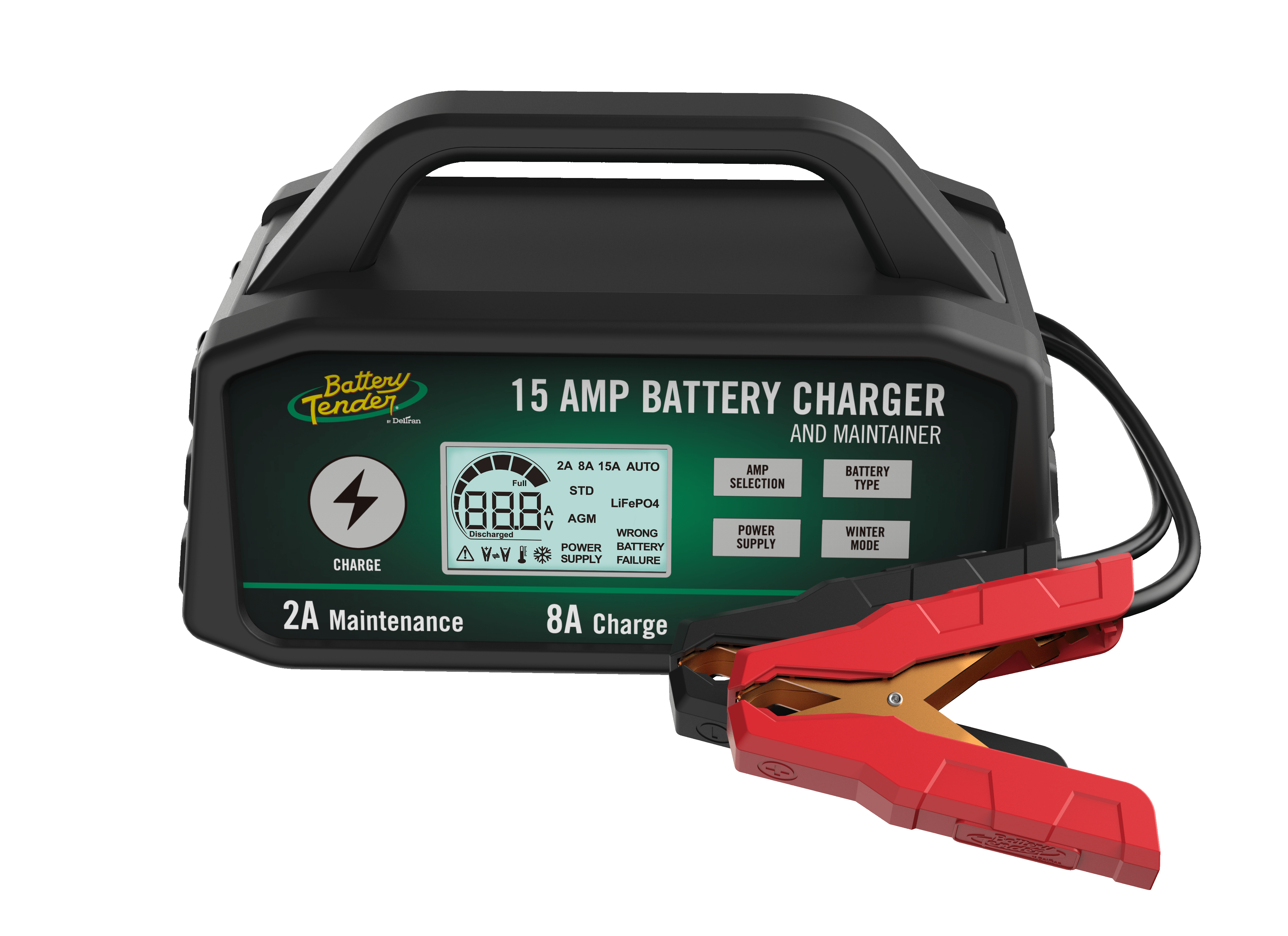
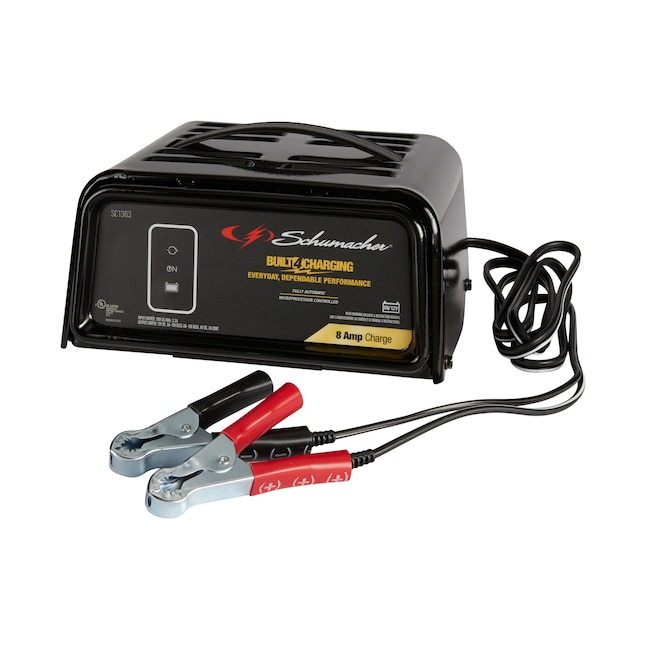
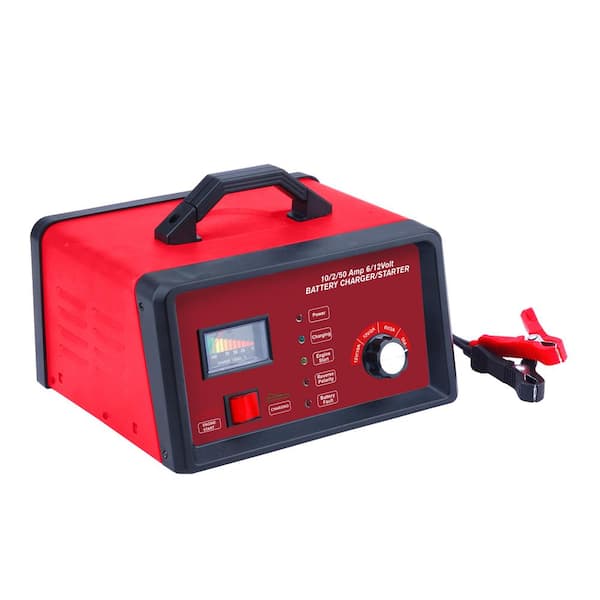
Charge the battery with a suitable charger to avoid damage. Avoid overcharging or undercharging as it reduces battery life. Slow charging is better than fast charging for battery health. Always follow the manufacturer’s charging instructions carefully.
Storage Tips
Store the battery in a cool, dry place when not in use. Avoid extreme temperatures that can harm the battery. Disconnect the battery if the car will sit unused for a long time. Use a trickle charger to keep the battery topped up during storage.
Credit: www.homedepot.com
Frequently Asked Questions
How Many Amps Does A 12-volt Car Battery Provide?
A 12-volt car battery typically provides between 45 to 100 amp-hours. This depends on the battery’s size and type. It delivers high current for short bursts to start the engine. Amp rating varies by manufacturer and battery capacity.
What Determines The Amps In A 12v Car Battery?
The amps depend on the battery’s amp-hour (Ah) rating and cold cranking amps (CCA). Amp-hours measure how long the battery can supply power. CCA indicates the battery’s ability to start the engine in cold temperatures. Both ratings affect overall performance.
Can A 12v Battery Supply Continuous Amps?
Yes, a 12V car battery can supply continuous amps within its rated amp-hour capacity. However, continuous high current drains the battery faster. It is designed for short, high-current bursts like starting the car, not prolonged heavy loads.
What Is The Average Amp Draw From A 12v Car Battery?
The average amp draw varies by vehicle systems but usually ranges from 0. 05 to 0. 5 amps when the car is off. Starting the engine can require 100 to 600 amps briefly. Accessory use increases current draw depending on the load.
Conclusion
A 12-volt car battery usually has around 45 to 75 amps. This depends on the battery’s size and type. Amps show how much power the battery can give at once. Knowing this helps you pick the right battery for your car.
Always check the battery label for exact details. Proper power means your car starts well and runs smoothly. Keep your battery clean and charged for best results. Understanding amps makes car care easier and safer. Simple steps help your battery last longer and work better.


