Have you ever wondered just how many cars are on the roads across the globe right now? The number might surprise you—and understanding it can change the way you see traffic, the environment, and even your daily commute.
You’ll discover the true scale of car ownership worldwide, what it means for our planet, and how it impacts your life every day. Keep reading to uncover facts that will shift your perspective and maybe even inspire new choices for your own driving habits.
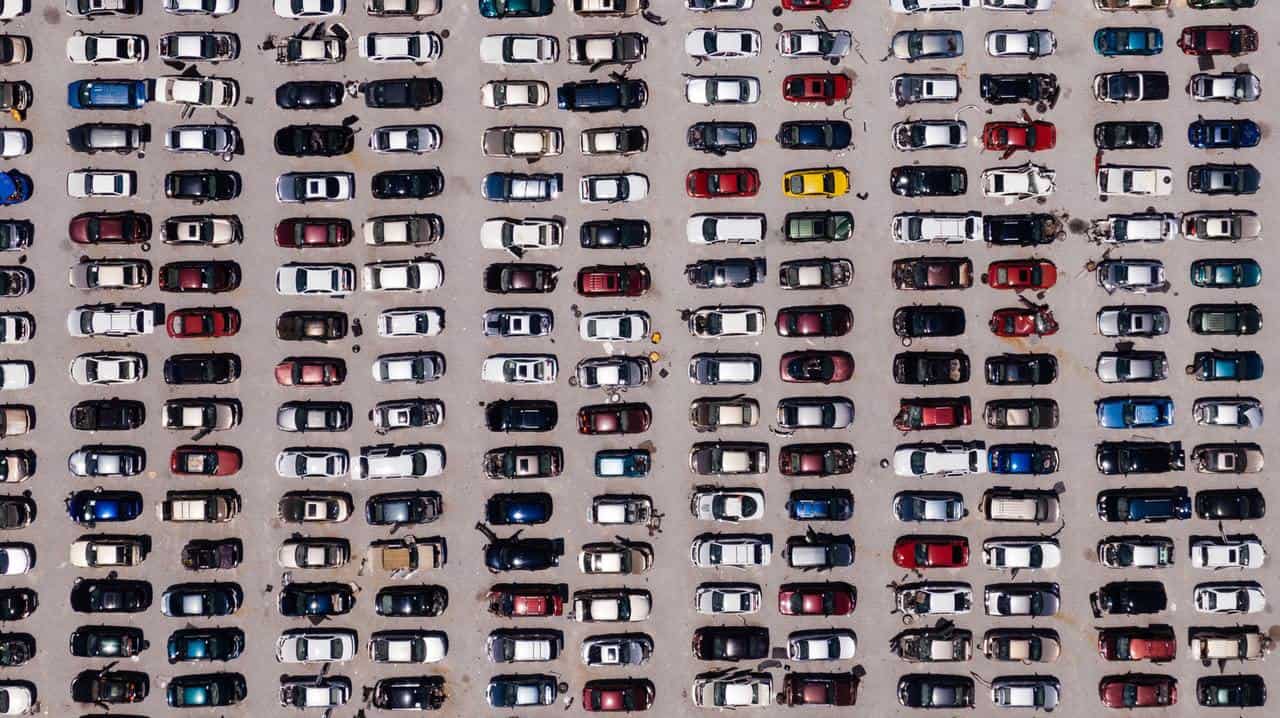
Credit: www.globalcarsbrands.com
Global Car Population
The global car population reflects how many vehicles are on roads worldwide. It shows how cars have become part of daily life. Understanding this number helps us see trends in travel and economy.
Cars influence many parts of life. They affect traffic, pollution, and how cities grow. Knowing where cars are most common helps plan for the future.
Total Number Of Cars Worldwide
There are over 1.4 billion cars in the world today. This number includes passenger cars, trucks, and SUVs. It shows how much people depend on cars for transport. The count grows every year as more people buy cars.
Growth Trends Over The Years
The number of cars has risen quickly in the last decades. Economic growth in many countries boosts car ownership. More people can afford cars than before. Urban areas see the fastest increase in cars on the road.
Cars By Continent
Asia has the highest number of cars, led by China and India. North America follows, with many cars per person. Europe has a dense car population but slower growth. Africa has fewer cars but is growing fast. South America’s car numbers rise as economies improve.
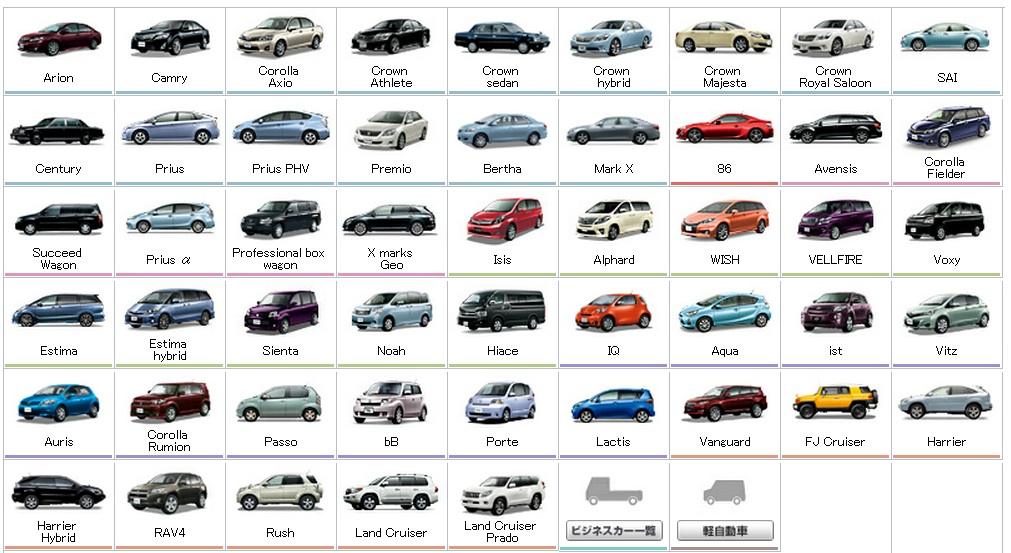
Credit: www.teoalida.com
Top Car Owning Countries
The number of cars around the world continues to grow steadily. Some countries own more cars due to their economy, population, and lifestyle. Understanding which countries have the most cars helps us see global trends. It also shows how car ownership changes by region and culture.
Countries With The Highest Car Ownership
The United States leads with the highest total number of cars. Over 270 million vehicles roam its roads. China follows closely, with a rapidly growing car market reaching over 300 million cars. Japan and Germany also rank high, known for their strong automotive industries. These countries have large populations or strong economies that support many car buyers. India is rising fast, with car numbers increasing yearly as more people can afford vehicles.
Per Capita Car Ownership Rates
Car ownership per person tells a different story. Small countries like Monaco and Liechtenstein have very high car ownership per capita. The United States has about 800 cars per 1,000 people. Countries in Europe like Italy and France have between 500 and 600 cars per 1,000 people. Emerging economies have lower rates, but these numbers are growing fast. Per capita rates reflect wealth, urban planning, and transport options in each country.
Types Of Cars On The Road
Cars come in many shapes and types. Each type serves a different purpose on the road. Understanding these types helps us see how diverse the car world is.
Some cars carry people, while others carry goods. Some run on fuel, others use electricity. Some are new, and some are old but loved.
Passenger Cars Vs Commercial Vehicles
Passenger cars are for personal use. They carry families or single drivers. These cars include sedans, hatchbacks, and SUVs. Commercial vehicles carry goods or passengers for business. Trucks, vans, and buses fall into this category. They are bigger and built to carry heavy loads. The number of commercial vehicles is smaller than passenger cars, but they are important for trade and transport.
Electric And Hybrid Cars
Electric cars run on batteries only. They produce no harmful gases. Hybrid cars use both fuel and electric power. They reduce fuel consumption and pollution. The number of electric and hybrid cars is growing fast. Many countries support these cars to protect the environment. These cars offer a cleaner option for daily travel.
Classic And Vintage Cars
Classic cars are at least 20 years old. Vintage cars are even older, often made before 1930. These cars are rare and kept for fun or collection. They show the history of car design and technology. Classic and vintage cars are often seen in shows and museums. They remind us of the past and how cars have changed.
Environmental Impact
The number of cars in the world affects our planet deeply. Cars release gases that harm the air we breathe. These gases add to climate change and health problems. Understanding this impact helps us think about better choices for the future.
Carbon Emissions From Cars
Cars burn fuel and release carbon dioxide into the air. This gas traps heat in the atmosphere. The more cars on the road, the more carbon dioxide is released. This causes the Earth’s temperature to rise. The result is melting ice and severe weather changes.
Efforts To Reduce Pollution
Many countries set rules to lower car pollution. These rules make cars cleaner and more efficient. Some cities limit car use to reduce air pollution. Public transport and car sharing also help cut emissions. These steps aim to protect health and nature.
Role Of Electric Vehicles
Electric cars run on batteries, not fuel. They do not emit carbon dioxide while driving. This makes them cleaner for the air. More people choose electric vehicles to reduce pollution. They offer a hopeful path toward greener transport.
Future Of Car Ownership
The future of car ownership is changing fast. Many people will not own cars in the usual way. New ideas and technology shape how we use cars. This change affects how many cars are on the roads worldwide.
Cars will be smarter, cleaner, and shared more often. These changes aim to make travel easier and reduce problems like traffic and pollution.
Trends In Car Manufacturing
Car makers focus on electric vehicles now. These cars run on batteries, not gas. They produce less pollution and cost less to run. Factories also use new materials to make cars lighter and stronger. This helps cars use less energy.
Many companies plan to build more electric cars in the next years. This will change the number and types of cars on the roads.
Rise Of Autonomous Vehicles
Self-driving cars are becoming real. These cars use sensors and computers to drive safely. They can reduce accidents caused by human error. Many experts think these cars will be common soon.
Autonomous vehicles may change car ownership. People might rent or share self-driving cars instead of buying them. This shift could lower the total number of cars needed.
Changing Urban Transportation
Cities are changing how people travel. More public transport and bike lanes are being built. This reduces the need for personal cars. Car-sharing and ride-hailing services grow quickly in cities.
These changes mean fewer cars parked on streets. Urban areas will become cleaner and less crowded. The future of car ownership will focus more on access than ownership.
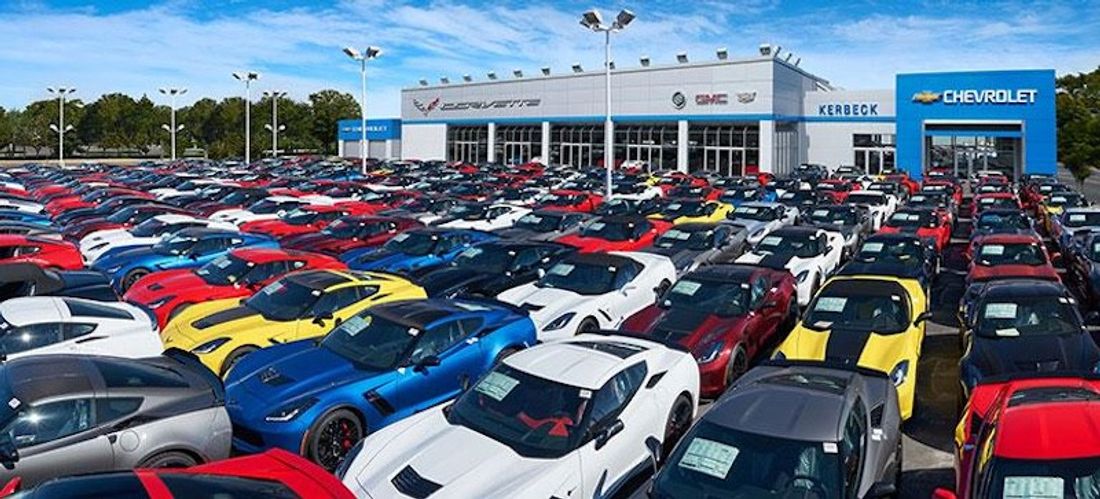
Credit: dearborn.org
Frequently Asked Questions
How Many Cars Are There Worldwide?
There are over 1. 4 billion cars globally as of 2024. This number includes passenger vehicles and light trucks. The total continues to grow yearly due to rising demand in developing countries.
Which Country Has The Most Cars?
The United States has the highest number of cars, with over 280 million vehicles. China follows closely, with rapid growth in car ownership. These two countries dominate global car statistics.
How Fast Is Global Car Ownership Growing?
Global car ownership grows by about 3% annually. Emerging markets contribute most to this increase. Urbanization and rising incomes drive higher vehicle demand worldwide.
What Impacts The Number Of Cars Worldwide?
Economic growth, urbanization, and population size affect car numbers. Government policies on emissions and fuel efficiency also influence vehicle production and ownership trends.
Conclusion
The number of cars worldwide keeps growing every year. More people use cars for work and travel. This rise affects the environment and city traffic. Electric and hybrid cars offer cleaner options. Understanding car numbers helps us plan better roads and policies.
It also shows how transportation changes over time. Cars connect people and places in many ways. Tracking these trends is important for our future. The world of cars is always moving forward.