

Wondering how many clear coats your car really needs? You’re not alone.
Getting the right number of clear coats can make a huge difference in how your car looks and how well it’s protected. Too few, and your paint might fade or chip faster. Too many, and you could waste time and money without extra benefits.
You’ll discover the ideal number of clear coats to keep your car shining and safe for years. Keep reading to find out exactly what works best for your vehicle.
Purpose Of Clear Coats
Clear coats play a vital role in car painting. They protect and improve the car’s look. Without clear coats, paint can fade or get damaged quickly. Understanding their purpose helps you care for your car better. Clear coats add value by preserving the paint’s quality and shine.
Protection From Elements
Clear coats shield the paint from sun rays, rain, and dirt. They stop harmful UV rays from fading colors. Rain and dust do not reach the paint directly. This layer acts as a barrier against weather damage. It keeps the car looking fresh longer.
Enhancing Paint Depth
Clear coats make colors look deeper and richer. The paint appears glossy and smooth. This extra shine gives a polished, clean finish. It makes the car more attractive and eye-catching. The clear layer highlights the paint’s true beauty.
Improving Scratch Resistance
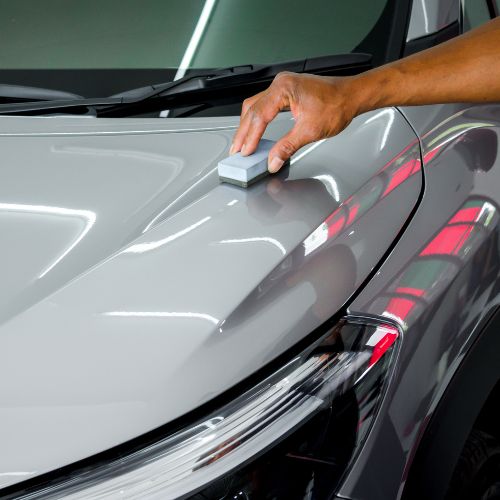
Clear coats add a hard surface to the paint. This layer helps prevent small scratches and chips. It reduces damage from everyday wear and tear. Scratches stay on the clear coat, not the paint. This makes minor fixes easier and protects the base color.
Credit: eaglenationalsupply.com
Types Of Clear Coats
Clear coats protect your car’s paint and give it a shiny finish. Different types of clear coats offer various benefits. Choosing the right one depends on your needs and budget.
Acrylic Urethane
Acrylic urethane clear coats are popular for their ease of use. They dry quickly and provide good protection. This type resists yellowing and fading well. Many DIY car painters prefer acrylic urethane. It also offers a smooth, glossy surface that looks great.
Polyurethane
Polyurethane clear coats are tougher and more durable. They resist scratches and chemical damage better than acrylic urethane. This type keeps the paint looking fresh longer. Professionals often choose polyurethane for high-quality finishes. It requires careful application but gives strong protection.
Conversion Varnish
Conversion varnish clear coats are the most durable option. They resist UV rays, chemicals, and weather damage very well. This type creates a hard, long-lasting finish. It is common in factory car paints. Conversion varnish needs special equipment and skills to apply properly.
Recommended Number Of Clear Coats
Choosing the right number of clear coats on a car matters for its look and protection. Clear coats add shine and guard the paint from damage. Knowing the recommended amount helps keep your car’s finish smooth and long-lasting.
Factory Standards
Most cars leave the factory with two to three clear coats. This range balances shine with protection. Automakers test these layers to ensure the paint lasts under normal use. Factory clear coats provide a smooth, glossy finish.
Aftermarket Application
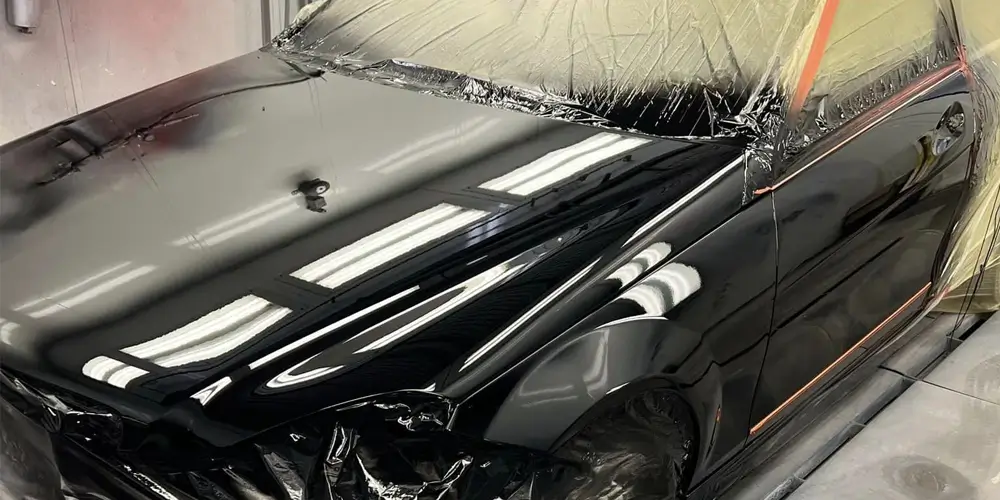
Aftermarket paint jobs often use more clear coats. Three to five layers are common for extra durability. This thicker finish helps protect from scratches and UV rays. Professionals apply each coat carefully to avoid runs and bubbles.
Factors Influencing Coat Count
Several factors affect how many clear coats to apply. Climate matters; sunny areas may need more layers for UV protection. The car’s color also plays a role; darker colors often get extra coats for depth. The type of paint and how the car is used can change the ideal count too.
Applying Clear Coats
Applying clear coats on a car is a key step in protecting the paint and giving it a shiny finish. This process needs care and attention to detail. The right methods help the clear coat stick well and last longer. Each layer adds depth and protection to the car’s surface.
Surface Preparation
Clean the car’s surface thoroughly before applying clear coats. Remove dirt, grease, and old wax for a smooth base. Sand the surface lightly with fine-grit sandpaper to help the clear coat bond. Wipe down with a tack cloth to pick up dust. A clean surface ensures better adhesion and a smooth finish.
Spray Techniques
Hold the spray gun about 6 to 8 inches from the surface. Move the gun in steady, even strokes from side to side. Overlap each pass slightly to avoid streaks or thin spots. Spray light coats first to prevent runs or drips. Let each coat build gradually for a flawless shine.
Drying Times Between Coats
Wait for the clear coat to dry before applying the next layer. Drying time varies by temperature and humidity but usually takes 10 to 15 minutes. Touch the surface gently to check for tackiness. If it feels sticky, wait a little longer. Proper drying avoids peeling and ensures a tough finish.
Common Mistakes To Avoid
Applying clear coats on a car can improve its shine and protection. Yet, mistakes during the process can cause damage or poor results. Knowing what to avoid helps keep your car looking great. Here are common errors that many people make when applying clear coats.
Applying Too Many Coats
More clear coats do not always mean better protection. Too many layers can cause bubbling or cracking. The paint may look thick and uneven. Sticking to the recommended number of coats ensures a smooth finish. Usually, two to three coats are enough for a strong layer.
Insufficient Drying Time
Clear coats need time to dry between layers. Rushing to apply the next coat can trap moisture. This causes cloudiness or peeling later on. Always wait the time suggested on the product label. Patience leads to a clear, hard finish that lasts longer.
Ignoring Environmental Conditions
Temperature and humidity affect how clear coats dry. Too hot or cold weather can cause poor adhesion. Dust and wind can stick to wet paint, ruining the surface. Apply clear coats in a clean, dry, and shaded area. Ideal conditions help the coating cure properly and shine well.
Maintenance For Lasting Shine
Maintaining the clear coat on your car keeps its shine bright and fresh. Proper care helps protect the paint and extends the life of the clear coat. A few simple steps during regular maintenance can make a big difference.
Proper Washing Methods
Use a soft sponge or microfiber cloth for washing. Avoid harsh brushes that can scratch the clear coat. Rinse the car well to remove dirt before washing. Use gentle car shampoo instead of household detergents. Wash in the shade to prevent water spots. Dry with a clean, soft towel to avoid streaks.
Polishing And Waxing
Polish the car to remove minor scratches and dullness. Use a polish designed for clear coats only. Apply wax after polishing to add a protective layer. Wax helps repel water and dirt. Use wax twice a year for best results. Avoid over-polishing, which can thin the clear coat.
Touch-up Tips
Fix small chips or scratches quickly. Use a clear coat touch-up pen for minor repairs. Clean the area before applying touch-up paint. Allow the paint to dry completely. Avoid heavy layers that can peel or crack. Regular touch-ups keep the clear coat strong and shiny.
Signs You Need To Reapply Clear Coat
Clear coat protects your car’s paint and keeps it shiny. Over time, this layer can wear out. Knowing the signs of a failing clear coat helps keep your car looking new. Watch for changes in your car’s surface. These signs tell you when to reapply the clear coat.
Fading And Dullness
The car’s paint loses its shine. Colors look faded or washed out. The surface feels rough, not smooth. Sunlight breaks down the clear coat over time. This damage causes the paint to look dull.
Peeling And Cracking
Clear coat may start to peel or crack. Small flakes or bubbles appear on the paint. These spots expose the base paint underneath. Peeling means the clear coat is no longer protecting your car well.
Water Spots And Stains
Water spots stay even after washing. Stains or marks seem stuck on the surface. Clear coat damage traps dirt and minerals. This effect makes the car look dirty and worn out.

Credit: www.youtube.com
Credit: www.supersybon.com
Frequently Asked Questions
How Many Clear Coats Should I Apply On My Car?
Typically, applying 2 to 3 clear coats is ideal for cars. This ensures proper protection and a glossy finish. More than 3 coats can cause runs or uneven texture. Always follow your paint manufacturer’s guidelines for best results.
Why Is Clear Coat Important For Car Paint?
Clear coat protects the car’s paint from UV rays, scratches, and weather damage. It also enhances the shine and depth of the paint. Without a clear coat, the paint can fade quickly and lose its luster over time.
Can I Apply Too Many Clear Coats On My Car?
Yes, applying too many clear coats can cause drips, runs, and an uneven surface. It may also lead to peeling or cracking. Stick to 2-3 coats for a smooth, durable finish and better paint longevity.
How Long Does It Take For Clear Coat To Dry?
Clear coat usually dries to the touch within 30 minutes to 1 hour. Full curing takes 24 to 48 hours depending on temperature and humidity. Avoid washing or waxing the car until the clear coat is fully cured.
Conclusion
Applying two to three clear coats on your car ensures a strong, shiny finish. Too few layers may not protect well. Too many coats can cause unevenness or peeling. Let each coat dry completely before adding the next. This process keeps your paint safe from damage and wear.
Taking time to apply clear coats properly helps your car look great longer. Simple steps lead to better results every time. Choose quality products and follow instructions carefully for the best finish. Your car deserves the right care to keep its shine.


