Are you wondering how many litres of water it takes to pressure wash your car effectively? Knowing the right amount can save you water, time, and even money.
Whether you want a quick clean or a deep wash, understanding the water usage helps you plan better. You’ll discover simple tips to get your car spotless without wasting water. Keep reading to find out how to make every litre count when pressure washing your car.

Credit: www.amazon.com
Water Use In Car Washing
Water use is a key factor in car washing. Understanding how much water a pressure washer uses helps save water and money. It also helps protect the environment. Different methods and tools use different amounts of water. Let’s explore how much water is used and what affects this usage.
Average Water Consumption
A typical pressure washer uses about 6 to 15 litres of water per minute. Most car washes last 10 to 15 minutes. This means a car wash can use between 60 and 225 litres of water. Using a pressure washer uses less water than a garden hose, which can use over 300 litres for one wash. This makes pressure washing more efficient for cleaning cars.
Factors Affecting Water Usage
The water amount depends on the pressure washer’s flow rate. Higher flow rates use more water. The washing time also matters. Longer washes use more water. Using the right nozzle can reduce water use. Some nozzles spray water more efficiently. The car’s dirt level affects water use too. A very dirty car may need more water to clean properly. Using water-saving techniques helps reduce total water consumption.
Credit: www.amazon.com
Pressure Washing Basics
Pressure washing is a popular way to clean cars quickly and effectively. It uses water under high pressure to remove dirt, grime, and other debris. Understanding the basics helps you use the right amount of water and pressure for the best results.
How Pressure Washers Work
Pressure washers push water at very high speeds. This strong water flow breaks up dirt and washes it away. A motor or engine powers the pump that forces water through a small nozzle. The nozzle controls the water’s pressure and spray pattern. Different nozzles provide different cleaning effects.
Water pressure is measured in PSI (pounds per square inch). Higher PSI means stronger water force. For cars, moderate pressure is best to avoid damage. The water flow rate is measured in litres per minute (L/min). This rate affects how much water you use during washing.
Benefits Of Pressure Washing
Pressure washing saves time compared to hand washing. It reaches hard spots easily, cleaning better. Using less water than a garden hose, it is eco-friendly. Dirt and grime removal is thorough without harsh scrubbing. It helps keep the car’s paint in good condition. Regular pressure washing can protect your car’s value by preventing buildup and damage.
Water Efficiency Tips
Saving water while pressure washing your car is important. It helps reduce waste and lowers your water bill. Using less water does not mean less cleaning power. You can wash your car well and still be water-efficient.
Choosing The Right Pressure Washer
Select a pressure washer with good water efficiency. Look for one that uses less water but has strong pressure. Electric models often use less water than gas-powered ones. A smaller, efficient machine can clean just as well.
Optimal Water Pressure Settings
Use the right pressure level for washing your car. Too high pressure wastes water and can damage paint. Medium pressure cleans dirt well without extra water use. Adjust settings to balance power and water saving.
Using Nozzles And Attachments
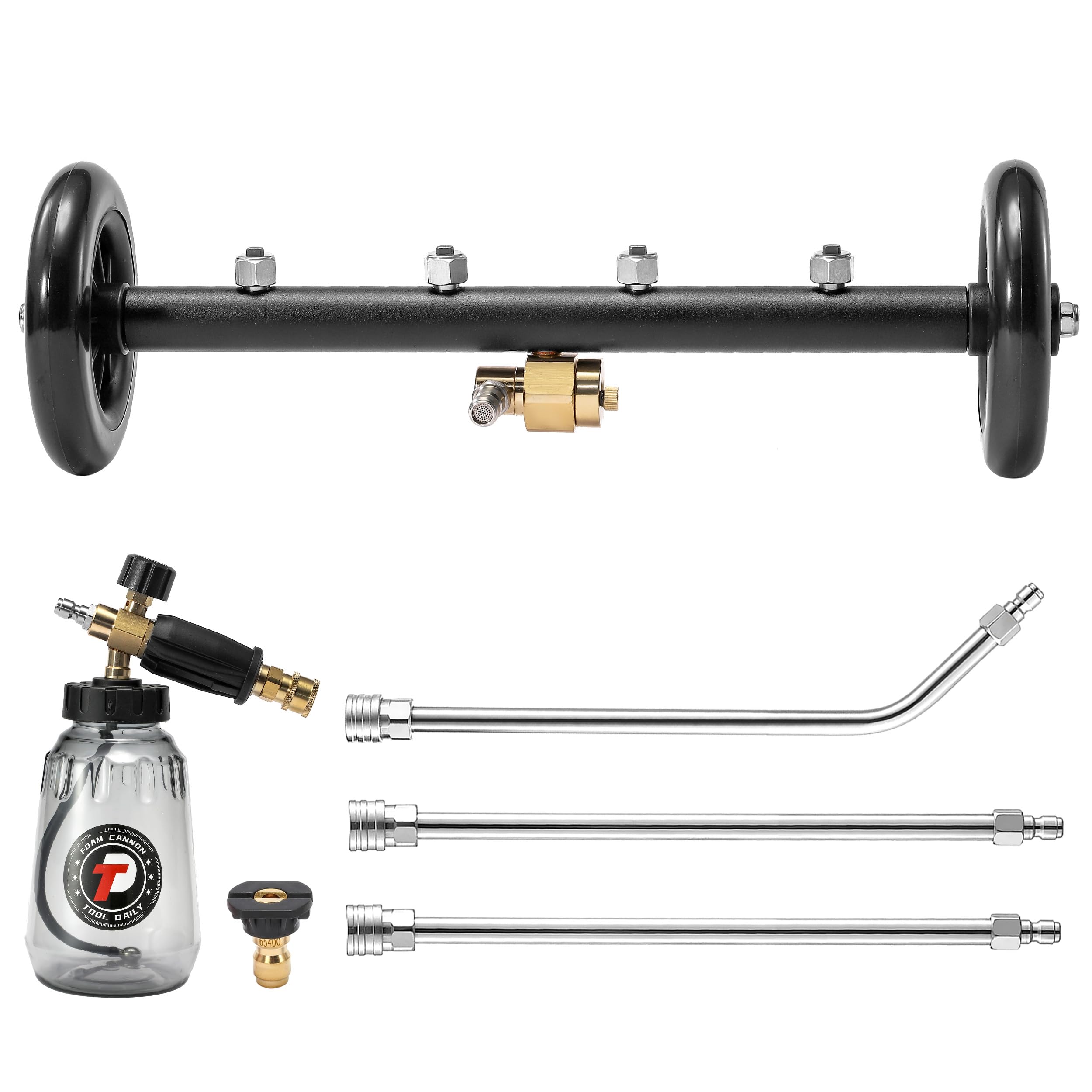
Nozzles control the spray size and water flow. A nozzle with a narrow spray uses less water but cleans better. Attachments like foam cannons help cover the car quickly. They reduce the time and water needed for washing.
Estimating Water Needs
Estimating the amount of water needed for pressure washing a car helps plan the task better. It saves water and avoids unnecessary waste. Knowing the right litres to use makes the cleaning efficient and eco-friendly. You get a clean car without using too much water.
Water needs depend on the car size and how dirty it is. Different pressure washers use varying amounts of water. Understanding these factors helps estimate water use correctly. This section explains how to calculate litres per wash and compares it to traditional washing methods.
Calculating Litres Per Wash
Pressure washers use water at a rate called flow rate. It is measured in litres per minute (L/min). Most pressure washers for cars use between 6 to 10 L/min. Washing a car takes about 10 to 15 minutes. Multiply flow rate by time to get total litres used.
For example, a washer with 8 L/min used for 12 minutes uses about 96 litres. This is a rough estimate. Dirt level and washing style can change water use. Spray patterns and pressure settings also affect litres used. Checking your pressure washer’s manual gives exact flow rate.
Comparing To Traditional Methods
Traditional car washing with a hose uses more water. A hose can flow 15 to 30 L/min. Washing a car with a hose may take 20 minutes or more. This means 300 to 600 litres of water used. Pressure washing uses less water and cleans faster.
Using a bucket and sponge is more water-saving than a hose. But it can be slow and tiring. Pressure washing balances water saving and cleaning power. It makes car washing quicker and uses half or less water than hoses.
Saving Water While Pressure Washing
Saving water while pressure washing is very important. Washing a car uses many litres of water. Wasting water can harm the environment. Using smart methods helps save water and keeps your car clean. These tips reduce water use without losing cleaning power.
Small changes make a big difference. Follow simple steps to use less water. This helps protect nature and lowers your water bill.
Pre-rinsing And Soaking Techniques
Pre-rinsing removes loose dirt before full washing. Use a low-pressure spray for this step. It needs less water than a full wash. Soak the car with water and detergent. Let the soap work on grime. This softens dirt and makes washing easier. Avoid using high pressure at this stage. It saves water and prevents damage.
Using Detergents Wisely
Choose detergents made for pressure washers. They help clean faster and use less water. Apply soap carefully on dirty spots. Concentrate on areas with heavy dirt. Let the detergent sit for a few minutes. It breaks down grease and grime. Then rinse with less water. Using soap well reduces overall water use.
Recycling And Collecting Water
Collect water used during washing. Use buckets or special containers. Reuse this water for pre-rinsing or soaking. Recycling water cuts down total water needed. Some pressure washers have water recycling systems. These save water by filtering and reusing it. Even simple collection methods help save litres of water.
Environmental Impact
Pressure washing a car uses water and energy. It affects the environment more than many realize. Understanding its impact helps us choose better methods.
Using the right amount of water reduces waste. It also protects nature and keeps our surroundings clean.
Water Conservation Benefits
Pressure washing uses less water than traditional methods. It sprays water in a focused stream. This reduces the total water needed to clean a car.
Saving water helps during dry seasons and droughts. It lowers water bills and preserves this vital resource. Small changes in washing habits add up over time.
Reducing Runoff Pollution
Runoff from washing can carry dirt and chemicals into drains. These pollutants harm rivers, lakes, and oceans. Using less water means less dirty runoff.
Pressure washers use detergents efficiently, reducing chemical use. Controlled water flow keeps harmful substances from spreading. Protecting water sources supports healthy ecosystems.
Tools And Accessories
Choosing the right tools and accessories can save water and improve cleaning. Using efficient tools helps wash your car with less water. These tools also make the process faster and easier.
Water-efficient Nozzles
Water-efficient nozzles control the water flow during washing. They reduce water use without losing pressure. Different nozzle types offer various spray patterns. A narrow spray cleans tough dirt. A wider spray covers more surface gently. Using the right nozzle saves litres of water per wash.
Pressure Washer Models For Conservation
Some pressure washers use less water but keep high power. Models with adjustable pressure help control water use. Electric pressure washers often use less water than gas models. Choosing a model designed for conservation reduces water waste. These washers balance water volume and pressure well.

Credit: www.walmart.com
Frequently Asked Questions
How Many Litres Does A Car Pressure Wash Use?
A typical car pressure wash uses about 15 to 30 litres of water. The exact amount depends on the pressure washer’s flow rate and washing time.
What Affects Water Usage In Pressure Washing A Car?
Water usage varies with pressure washer PSI, nozzle size, and washing duration. Efficient washers use less water while still cleaning effectively.
Can I Reduce Water Consumption When Pressure Washing?
Yes, use a pressure washer with adjustable settings. Shorten washing time and use proper nozzles to minimize water waste and save litres.
Is Pressure Washing A Car More Water-efficient Than Hand Washing?
Pressure washing often uses less water than hand washing. It cleans faster and applies water more precisely, reducing overall water consumption.
Conclusion
Knowing how many litres to pressure wash a car saves time and water. Most cars need about 40 to 60 litres for a full wash. This depends on the pressure washer and how dirty the car is. Using the right amount helps clean well without wasting water.
It also keeps your car safe from damage. Remember to check your pressure washer’s flow rate before starting. A good wash does not need too much water. Save water. Clean smart. Your car will thank you.