
Have you ever wondered when a new car stops being new and starts being used? It’s a question many car buyers ask but few get a clear answer to.
Understanding how many miles make a new car used can save you money and help you make smarter decisions. You’ll discover the simple truth behind those numbers and learn what really matters when it comes to a car’s mileage. Keep reading, because what you don’t know might cost you more than you think.
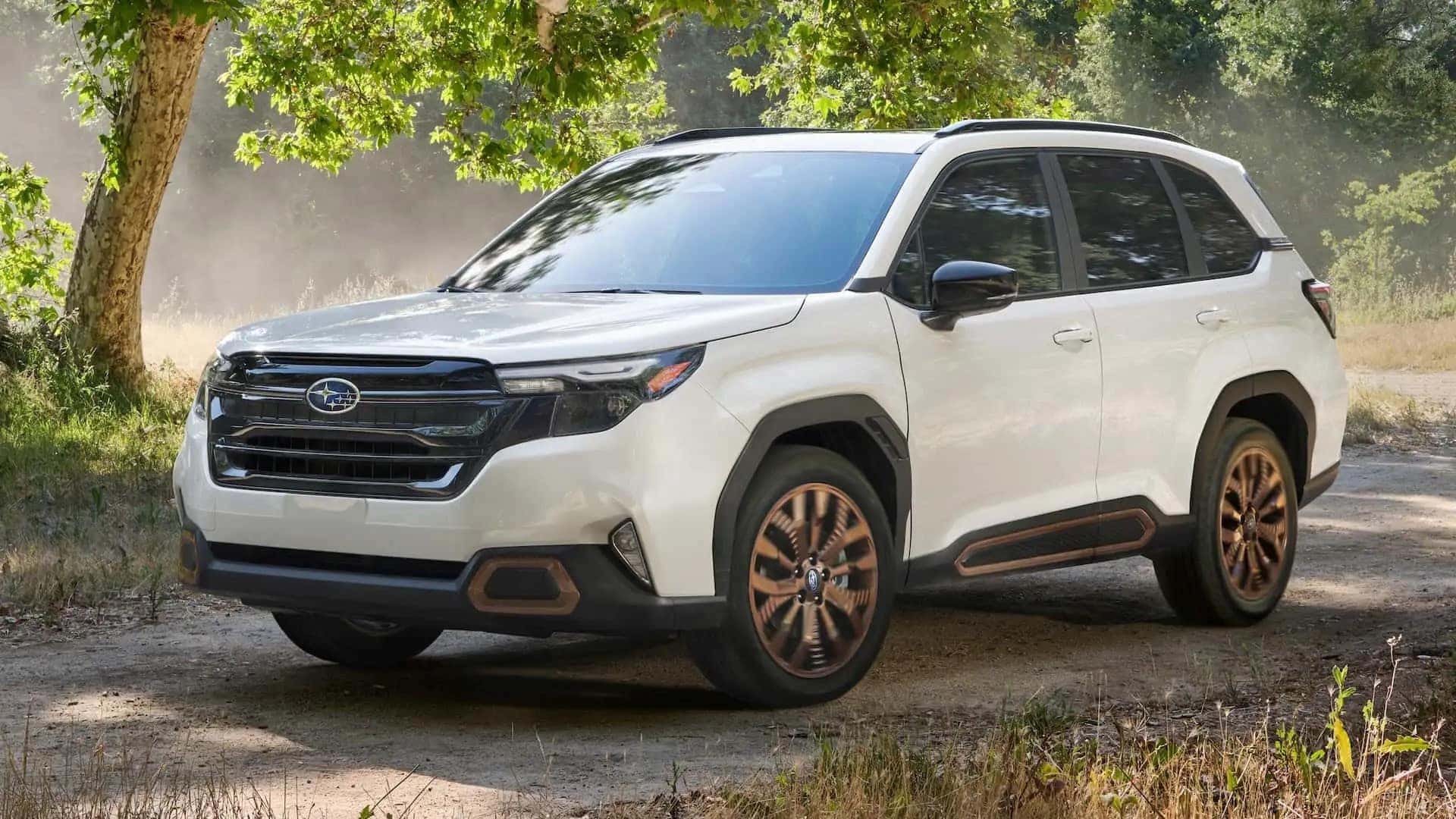
Credit: www.saffordbrownsubarumanassas.com
Mileage Thresholds For New Vs Used Cars
Mileage plays a key role in defining if a car is new or used. Knowing the mileage thresholds helps buyers understand a vehicle’s condition. Different groups have different ideas about when a car moves from new to used. These ideas depend on industry rules and manufacturer advice.
Industry Standards
Most car dealers say a new car has less than 100 miles on the odometer. This number covers test drives and moving the car around the lot. Once a car passes this mileage, it is often called used. Some experts set the limit even lower, around 50 miles. The exact number can vary by region or dealer. Still, under 100 miles is a common rule to call a car new.
Manufacturer Guidelines
Car makers have their own rules about mileage and new cars. Many brands say a vehicle with less than 100 miles remains new. They include miles from quality checks and transport. If the miles go over that, the car may lose its new car status. Manufacturer warranties often start from the first use, not the sale date. This means mileage is key for warranty coverage too.

Credit: www.reddit.com
Impact Of Mileage On Car Value
Mileage is a key factor in determining a car’s value. It shows how much the car has been driven. The more miles on a car, the lower its value usually is. Buyers often check mileage to judge the car’s condition and lifespan. Understanding mileage impact helps sellers and buyers make smart decisions.
Depreciation Rates
Cars lose value quickly in the first few years. High mileage speeds up this loss. A car with 10,000 miles looks newer than one with 50,000 miles. Depreciation happens because parts wear out over time. Lower mileage means less wear and longer life. Dealers often price cars based on mileage brackets.
Resale Considerations
High mileage cars sell for less money. Buyers worry about future repairs and costs. Cars with low mileage attract more interest. Resale value depends on mileage and car condition. Keeping mileage low protects the car’s value. Sellers should highlight mileage to improve offers.
Factors Influencing When A Car Becomes Used
The question of when a new car becomes used depends on several factors. These elements affect the car’s mileage and condition before it reaches the buyer. Understanding these can help you decide if a car is truly new or already considered used.
Test Drive Miles
Dealers often let customers test drive new cars. These test drives add miles to the car’s odometer. Usually, a few miles from test drives do not make a car used. But if the miles are high, the car might be closer to used status.
Dealer Deliveries
New cars travel from factories to dealerships by truck or driver. This delivery process adds miles. Sometimes the delivery miles can be several hundred. These miles count as soon as the car moves, affecting its new or used status.
Loaner And Demo Vehicles
Some new cars serve as loaners or demo models at dealerships. They get driven by customers or staff for short trips. These cars can have hundreds or thousands of miles. Though technically new, they are often sold as used due to mileage.
Expert Opinions On Mileage Limits
Experts have different views on how many miles turn a new car into a used one. Mileage is a key factor, but opinions vary. This section shares insights from automotive analysts and car dealers. Understanding their views helps buyers make smart choices.
Automotive Analysts
Analysts say a car usually becomes used after 100 miles. They note test drives and delivery trips add small miles. These miles do not change the car’s status much. Once a car hits 500 miles, most analysts agree it is clearly used. They believe mileage affects the car’s value and warranty. Some say even 200 miles can matter for luxury brands. Overall, they focus on mileage as a main sign of use.
Dealer Perspectives
Dealers see mileage from a sales viewpoint. Many say cars with less than 50 miles stay new. They explain some dealers add miles during inspections or transport. Dealers often mark cars as used after 100 miles. They watch mileage closely because buyers ask about it. Dealers also consider the car’s condition along with miles. Their experience shows mileage impacts pricing and buyer interest.
Legal And Warranty Implications
Understanding the legal and warranty implications is important when deciding if a car is new or used. The number of miles on a car can affect its status. This status impacts warranty coverage and legal definitions. Knowing these details helps buyers make smart choices.
New Car Warranty Coverage
New car warranties often cover repairs for a set time or mileage. Usually, the clock starts when the car is first sold. High mileage may reduce warranty benefits. Some warranties become void if the car passes certain mileage limits. Checking warranty terms is key before buying.
State Regulations
Each state has rules about when a car is legally used. Some states set mileage limits to define a car as new. Others focus on the car’s registration or sale date. These rules affect taxes, fees, and legal protections. Buyers should check local laws to understand car status.
Tips For Buyers On Mileage And Car Condition
Buying a used car requires more than just checking the mileage. Mileage affects the car’s value and condition, but it is not the only factor. Understanding the true state of the vehicle helps buyers avoid costly repairs later. Here are some key tips to consider when evaluating mileage and car condition.
Evaluating Mileage Vs Usage
Mileage alone does not show how well the car was used. A car with high miles may still be in good shape if properly maintained. Low mileage cars can have hidden problems if they sat unused for a long time. Consider the type of driving, such as city or highway miles. Highway miles usually cause less wear and tear. Ask about regular servicing and repairs to gauge how the car was cared for.
Inspecting Vehicle History
Vehicle history reports provide important details beyond mileage. These reports show accidents, title status, and service records. Check for any major repairs or damage. Confirm the mileage matches the service records to avoid odometer fraud. Look for patterns in maintenance to see if the car was regularly checked. A clean history report increases confidence in the car’s condition.

Credit: www.myraceautos.com
Frequently Asked Questions
How Many Miles Classify A New Car As Used?
A car is generally considered used once it exceeds 100 miles. This includes test drives and transport mileage. However, dealerships may vary slightly in their definitions.
Does Mileage Alone Determine If A Car Is Used?
No, mileage is a key factor but not the only one. Vehicle age, condition, and ownership history also matter in defining a car as used.
Can A Car With Low Miles Still Be Classified Used?
Yes, even with low miles, if a car has been previously owned or registered, it is classified as used regardless of mileage.
Why Do Dealerships Sell New Cars With Miles On Them?
Dealerships often test drive or transport cars, adding miles. These cars remain new but have slight mileage from handling and preparation.
Conclusion
A car becomes used after it drives a certain number of miles. Usually, this range is between 1 and 12,000 miles. Beyond that, the vehicle loses its “new” status. Mileage affects the car’s value and condition. Keep in mind that factors like age and maintenance also matter.
Knowing this helps you make smarter buying choices. Choose wisely and enjoy your ride.

