

Are you thinking about buying a second hand car but unsure how many miles are too many? Knowing the right mileage can save you from costly repairs and disappointments down the road.
You want a car that runs smoothly, lasts long, and fits your budget. But how do you decide what’s a good number of miles for a used car? Keep reading, and you’ll discover simple tips to help you make a smart choice and feel confident in your next car purchase.

Credit: www.youtube.com
Mileage And Car Value
Mileage plays a big role in deciding a second hand car’s value. It shows how much the car has been used. Buyers often check mileage first because it hints at the car’s condition and lifespan. Lower mileage usually means less wear and tear. Higher mileage could mean the car needs more repairs soon.
Knowing the impact of mileage helps buyers and sellers set fair prices. Cars with similar models and years can have very different values based on miles driven. Understanding this can save money and avoid surprises later.
How Mileage Affects Price
Cars with low mileage usually cost more. They look newer and last longer. Buyers feel safer paying extra for less used cars. High mileage lowers the price. It suggests the car has been driven a lot and may have more problems. Each mile adds to the car’s wear. This reduces its value steadily.
Price drops faster after certain mileage points. For example, a car with 50,000 miles costs more than one with 100,000 miles. The difference can be thousands of dollars. Sellers should price cars carefully based on miles driven.
Depreciation Patterns
Car value drops fastest in the first few years. This is normal depreciation. Mileage speeds up this drop. A car with high miles loses value quicker than one with fewer miles. After about 100,000 miles, depreciation slows down. At this point, the car is already much cheaper.
Some cars hold value better due to brand and condition. But mileage remains a key factor. Knowing depreciation helps buyers choose the best time to buy or sell. It also helps avoid overpaying for high-mileage cars.
Ideal Mileage Range
Choosing the right mileage for a second hand car is very important. It affects the car’s price, condition, and how long it will last. The ideal mileage range helps buyers find cars that offer good value and reliability. This range balances wear and tear with car age, giving a better chance of trouble-free use.
Low Vs High Mileage Pros And Cons
Low mileage cars often look newer and may have fewer problems. They can cost more because they seem more reliable. But very low mileage might mean the car was not used much. This can cause issues like dried seals or rust in some parts.
High mileage cars usually cost less. They show more wear and might need repairs soon. Still, some high mileage cars are well maintained and can run well for many more miles. The key is to check service records and how the car was driven.
Mileage Sweet Spot For Reliability
The best mileage range for a used car is usually between 30,000 and 70,000 miles. Cars in this range have been used enough to avoid problems from sitting unused. They also still have many miles left to drive with proper care.
Cars with this mileage tend to have a good balance of price and reliability. They often come with some remaining warranty or lower repair costs. Buying within this range reduces risk and increases satisfaction with the car.
Car Age And Usage
Car age and usage play a big role in the mileage of a second-hand car. Older cars often have higher mileage because they have been driven longer. How a car was used also affects its total miles. Understanding these factors helps buyers make smarter choices.
Impact Of Car Age On Mileage
Older cars usually show more miles on the odometer. This happens because they have been on the road for many years. A 10-year-old car might have double the miles of a 5-year-old car. But this is not always true. Some older cars have low mileage if they were used less.
Age can also affect a car’s condition. Parts wear out over time, even if the miles are low. Regular maintenance can slow down this wear. Buyers should check both the age and the mileage to get a full picture.
Types Of Driving And Their Effects
Different driving styles cause different mileage results. City driving tends to add more miles fast. This is due to stop-and-go traffic and short trips. Highway driving adds miles steadily but is easier on the car. Long trips on highways usually cause less wear.
Rough roads and heavy loads can increase mileage wear too. A car used mostly for short trips or rough roads may show high mileage damage. Knowing how the car was driven helps predict its future reliability.
Maintenance History Importance
Knowing the maintenance history of a second hand car is very important. It tells you how well the car was cared for by its previous owner. This history helps predict future problems and costs. A well-maintained car usually lasts longer and runs better.
Why Service Records Matter
Service records show all the repairs and checks done on the car. They prove the car got regular oil changes and part replacements. Without these records, you risk buying a car with hidden problems. Records also help confirm the car’s mileage is real. This can save you money and trouble later.
Signs Of Good Upkeep
Look for clear, complete service records with dates and details. Regular tire rotations, brake checks, and fluid changes are good signs. A car with good upkeep often drives smoothly and feels reliable. Clean engine and no warning lights also show good care. These signs make the car a safer and better buy.
Common Mileage Myths
Mileage on a second hand car often causes confusion. Many buyers worry too much about the numbers they see on the odometer. Some believe high mileage always means trouble. Others think low mileage guarantees a perfect car. These ideas are common but not always true. Understanding the real facts helps to make better choices.
Debunking Overused Car Concerns
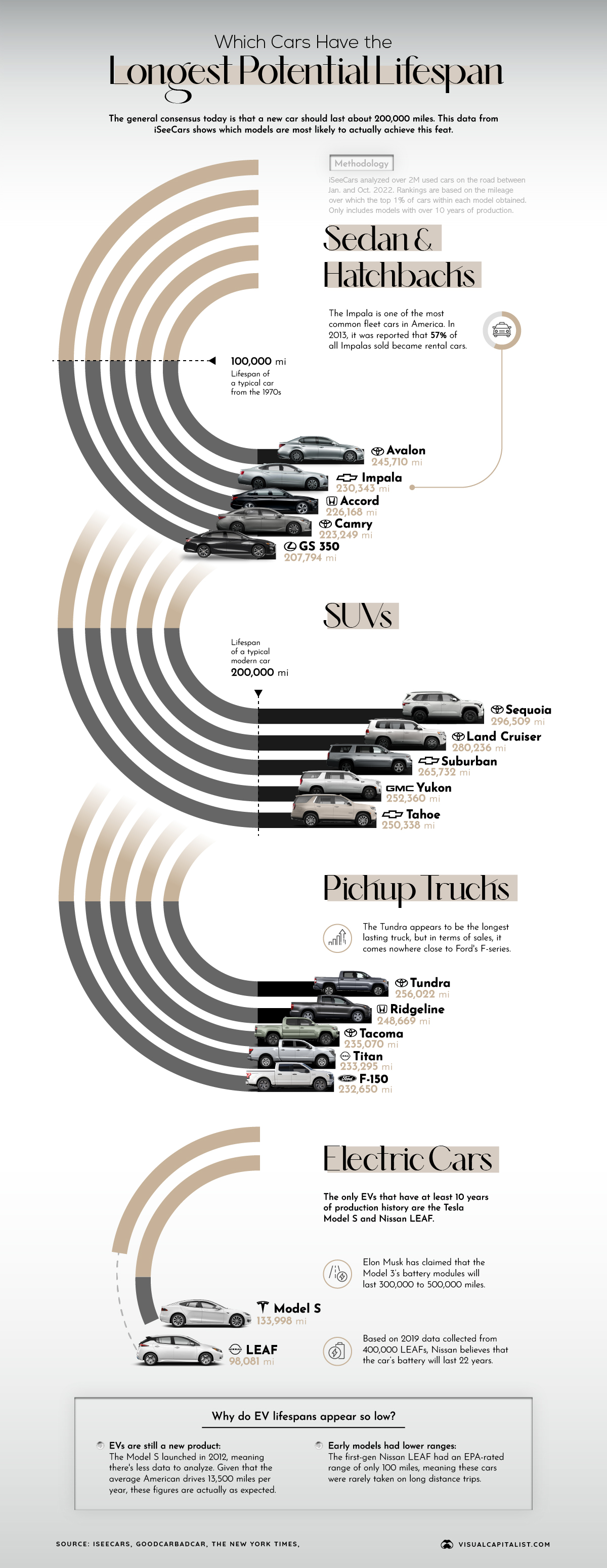
High mileage does not always mean a car is bad. Cars today are built to last much longer. Regular maintenance is more important than miles alone. A well-kept car with high mileage can run smoothly for years. Low mileage cars can also have problems if not cared for. Age, service history, and how the car was used matter more than just the number of miles.
When High Mileage Is Acceptable
High mileage cars can be a good buy in many cases. Diesel engines and some brands handle many miles well. Long highway drives cause less wear than short city trips. A car with 150,000 miles mostly on highways might be better than one with 80,000 in stop-and-go traffic. Checking service records and doing a test drive gives a clearer picture of the car’s condition.

Credit: www.goautocity.com
Tips For Buying High Mileage Cars
Buying a high mileage car can save money but needs care. These cars have more wear and tear. Knowing what to check helps avoid costly mistakes. Follow these tips to find a reliable used car with many miles.
Inspection Checklist
Start with a full inspection. Check the engine for leaks or strange sounds. Look at the tires for uneven wear. Test all lights and signals. Examine the brakes for strong stopping power. Look under the car for rust or damage. Check the interior for wear on seats and controls. Take the car for a test drive to feel how it runs. Listen for noises or shaking. Check the car’s service history for regular maintenance.
Negotiating Price Based On Mileage
High mileage lowers a car’s value. Use the mileage to ask for a better price. Compare prices of similar cars with fewer miles. Point out any needed repairs or worn parts. Show how mileage affects the car’s future costs. Be ready to walk away if the price is too high. A fair price should reflect the car’s condition and miles.
Mileage Vs Other Buying Factors
Mileage often stands out as a key factor when buying a second hand car. It shows how much the car has been driven. But mileage is not the only thing to consider. Other factors can affect the car’s value and reliability. Understanding how mileage compares to these other factors helps make a smarter choice.
Balancing Mileage With Condition
A car with low mileage can still have problems. The car’s condition matters a lot. Check for rust, dents, and worn parts. The engine and brakes should work well. A well-maintained car with higher miles can be better than a low-mileage car in poor shape. Look beyond the numbers. Physical condition tells a clear story.
Considering Vehicle History And Make
Vehicle history impacts the car’s worth. Accidents, repairs, and service records show how the car was treated. A clean history means fewer risks. The car’s make also plays a role. Some brands last longer and hold value better. Research the brand’s reputation for durability. Combine history and make with mileage for a full picture.
Credit: www.morprintpack.com
Frequently Asked Questions
How Many Miles Is Ideal For A Second Hand Car?
An ideal second hand car usually has under 60,000 to 80,000 miles. Lower mileage means less wear and longer life. Always consider maintenance history alongside mileage for the best value.
Does Higher Mileage Mean A Bad Used Car?
Not always. High mileage cars can be reliable if well maintained. Check service records and overall condition before judging based solely on miles.
What Mileage Reduces A Car’s Resale Value Most?
Cars with over 100,000 miles typically see a significant drop in resale value. Buyers prefer vehicles with lower miles due to expected longevity and fewer repairs.
How Does Mileage Affect Second Hand Car Price?
Lower mileage generally increases a used car’s price. Buyers pay more for cars that promise longer use and fewer immediate repairs.
Conclusion
Choosing a second-hand car depends on miles and condition. Lower miles often mean less wear and tear. Check the car’s history and maintenance records carefully. A well-kept car with higher miles can still be reliable. Trust your eyes and take the car for a test drive.
Remember, miles are important but not the only factor. Make a smart choice for your needs and budget. This way, you get value and peace of mind.


