Are you wondering how many PSI your pressure washer needs to keep your car spotless without causing damage? Choosing the right pressure is key to cleaning effectively while protecting your vehicle’s paint and finish.
Too much pressure can harm your car, while too little might leave dirt behind. You’ll discover the perfect PSI range to make your car shine like new, save time, and avoid costly mistakes. Keep reading to find out exactly what pressure washer settings work best for your car and how to get that showroom shine every time.

Credit: www.caranddriver.com
Choosing The Right Psi
Choosing the right PSI for your pressure washer is important for cleaning your car well. Too much pressure can damage the paint, while too little may not clean properly. Understanding PSI helps you pick the best washer for your vehicle and cleaning needs.
What Psi Means For Car Cleaning
PSI stands for pounds per square inch. It measures how much water pressure comes out of the washer. Higher PSI means stronger water force. This force removes dirt, grime, and mud from your car’s surface. But too high PSI can chip paint or harm delicate parts.
Ideal Psi Range For Different Vehicles
Small cars and sedans usually need 1200 to 1900 PSI. SUVs and trucks can handle 1900 to 2300 PSI. For motorcycles or classic cars, lower PSI under 1200 is safer. Use the right PSI to clean without causing damage.
Balancing Power And Safety
Choose a pressure washer that balances cleaning power and safety. Use a nozzle with a wide spray angle to reduce force. Keep the nozzle far from the car surface. Test pressure on a small area first. This protects your paint and parts.

Credit: www.youtube.com
Types Of Pressure Washers
Choosing the right pressure washer for cars means knowing different types. Pressure washers vary by power source, mobility, and nozzle design. Each type has benefits and suits different cleaning needs. Understanding these types helps pick the best washer for car care.
Electric Vs Gas Pressure Washers
Electric pressure washers are quiet and light. They use less power and need less maintenance. These washers suit small to medium car cleaning tasks. Gas pressure washers are strong and mobile. They provide higher pressure and more cleaning power. Gas models work well for tough, large jobs but can be noisy and heavier.
Portable Vs Stationary Models
Portable pressure washers are easy to move around. They fit small spaces and car washing on the go. Stationary models stay in one place and often have higher pressure. They work best in garages or fixed washing areas. Portability offers convenience, while stationary models offer power and stability.
Nozzle Types And Their Effects
Nozzles control water spray shape and pressure. A 0-degree nozzle gives a strong, narrow spray. It cleans tough dirt but can damage paint. A 15-degree nozzle offers a wider spray for strong cleaning. The 25-degree nozzle is gentler and safe for car surfaces. The 40-degree nozzle creates a wide, soft spray for light cleaning. Some washers include soap nozzles for applying detergent.
Factors Affecting Psi Needs
Choosing the right PSI for a pressure washer depends on several key factors. These factors help protect your car’s surface while cleaning it effectively. Understanding these will guide you to the best pressure washer for your needs.
Vehicle Surface Material
Different car surfaces need different pressure levels. Soft materials like plastic or vinyl need lower PSI to avoid damage. Hard surfaces like metal or glass can handle higher PSI safely. Always check the material before selecting pressure.
Dirt And Grime Levels
Light dirt requires less pressure to clean. Heavy mud or stubborn grime needs higher PSI for removal. Using too much pressure on light dirt can harm paint. Adjust PSI based on how dirty the car is.
Water Flow Rate And Temperature
Water flow rate affects how well dirt is washed away. Higher flow moves dirt faster, sometimes needing less pressure. Warm water helps dissolve grease and grime better. Combine proper flow and temperature for effective cleaning.
Using Psi Safely On Cars
Using PSI safely on cars requires care and attention. The right pressure cleans well without harm. Too much pressure can damage paint and surfaces. Proper technique keeps your car looking fresh and shiny.
Avoiding Paint Damage
High PSI can chip or peel car paint. Use lower pressure settings for painted areas. Start with the lowest pressure and increase slowly. Test on a small spot first. Avoid spraying the same spot for too long.
Proper Distance And Angle
Keep the nozzle at least 12 inches from the car. Hold it at a 45-degree angle. This reduces direct force on the paint. Moving the spray constantly prevents damage. Never spray straight at sensitive parts like mirrors or windows.
Pre-washing Tips
Remove loose dirt with a soft brush or cloth first. This stops dirt from scratching during pressure washing. Rinse the car with water before using the pressure washer. Use soap designed for cars to protect the paint. Pre-washing helps the pressure washer work better and safer.
Enhancing Cleaning With Accessories
Pressure washers work best with the right accessories. They help clean cars faster and better. Accessories reach tricky spots and protect the paint. Using tools made for pressure washers improves your car wash experience.
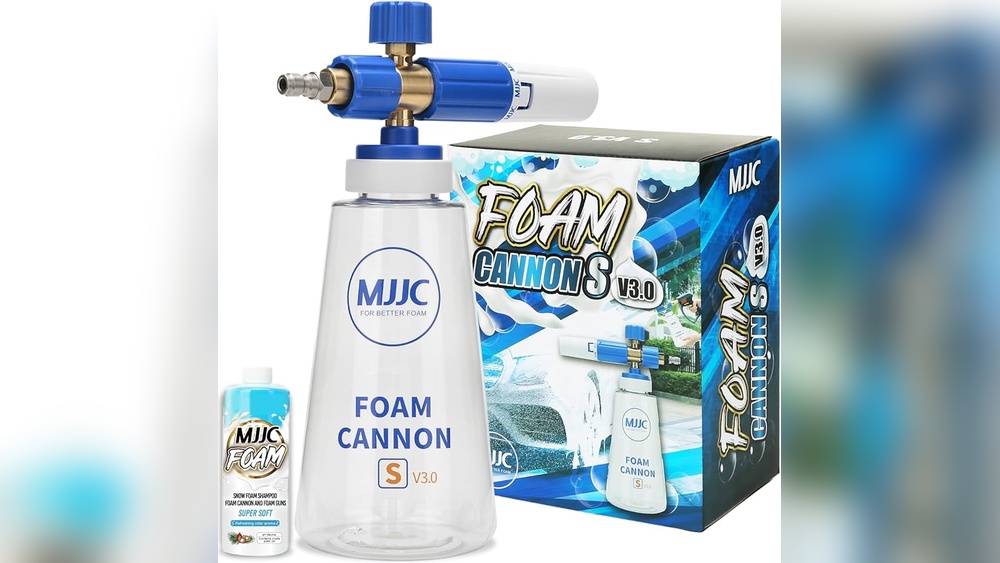
Foam Cannons And Soap Applicators
Foam cannons spray thick soap foam on your car. The foam loosens dirt and grime easily. Soap applicators help spread cleaning liquids evenly. They save time and reduce scrubbing. These tools make washing gentle and effective.
Surface Cleaners
Surface cleaners cover wide areas with water jets. They remove dirt from flat surfaces like car hoods. These attachments prevent streaks and scratches. Using surface cleaners speeds up the cleaning process. They give smooth and uniform results.
Brush Attachments
Brush attachments scrub stubborn dirt and bugs off cars. Soft bristles protect the paint while cleaning well. Brushes reach tight spaces like wheel rims and grills. They enhance the power of your pressure washer. Using brushes keeps your car spotless without damage.
Maintenance For Pressure Washers
Proper maintenance keeps your pressure washer working well for years. It helps avoid costly repairs and saves time. Regular care ensures strong pressure and clean results every time you wash your car.
Cleaning And Storage
After each use, rinse the pressure washer with clean water. Remove dirt and soap from nozzles and hoses. Store it in a dry, cool place to avoid rust and damage. Keep all parts dry before storing to prevent mold and corrosion.
Regular Inspections
Check hoses for cracks or leaks often. Inspect the spray gun and nozzles for blockages. Look for loose screws or damaged parts. Tighten or replace parts as needed to keep the machine safe and efficient.
Troubleshooting Common Issues
Low pressure might mean a clogged nozzle or dirty filter. Strange noises can signal loose parts or worn-out pumps. If the washer won’t start, check the power source and oil level. Fix small problems quickly to avoid bigger damage later.

Credit: www.ryobitools.com
Frequently Asked Questions
What Psi Pressure Washer Is Safe For Cars?
A PSI between 1200 and 1900 is safe for washing cars. This range effectively removes dirt without damaging paint or decals. Higher PSI may strip paint or cause dents. Always use a wide spray nozzle for even pressure distribution.
Can High Psi Damage My Car’s Paint?
Yes, high PSI above 2000 can damage car paint. It may strip wax, chip paint, or cause scratches. Use moderate PSI and maintain a safe distance to protect your car’s finish during washing.
Is 1500 Psi Enough To Clean A Car?
Yes, 1500 PSI effectively cleans dirt and grime on cars. It provides sufficient pressure without risking paint damage. Pair with proper detergent for best results.
What Psi Is Best For Removing Tough Car Stains?
A PSI around 1900 is ideal for tough stains on cars. It balances cleaning power and surface safety. Avoid pressures above 2000 PSI to prevent paint damage.
Conclusion
Choosing the right PSI for your car keeps it clean and safe. Too much pressure can harm paint and parts. A pressure washer with 1200 to 1900 PSI works well for most cars. Always test on a small area first.
Use the right nozzle for gentle cleaning. Regular washing helps maintain your car’s look. Keep your car shining without causing damage. Simple care goes a long way. Now, you know how to pick the best pressure washer PSI for your car.