If you want to get your greasy car looking spotless again, knowing the right pressure to use is key. Too little pressure won’t clean off the grime, and too much could damage your paint.
So, how many PSI do you need to pressure wash a greasy car effectively and safely? Keep reading, because getting this just right will save you time, protect your vehicle, and leave your car shining like new. You’re about to discover the perfect balance for a powerful, yet gentle clean.

Credit: www.hotsyab.com
Choosing The Right Psi
Choosing the right PSI for pressure washing a greasy car is very important. PSI stands for pounds per square inch. It shows how strong the water spray is. Too low PSI may not clean the grease well. Too high PSI may damage the car’s paint.
Finding the right balance helps clean the car safely and effectively. Let’s explore how to pick the best PSI for greasy cars.
Low Vs High Psi
Low PSI means less water pressure. It is gentle on the car’s surface. But low PSI may struggle to remove thick grease and dirt.
High PSI uses strong water force. It cleans grease faster and better. But high PSI can harm the paint or leave marks.
Choosing between low and high PSI depends on the grease amount and car condition.
Recommended Psi For Greasy Cars
Experts suggest using 1200 to 1900 PSI for greasy cars. This range cleans well without hurting the paint.
Below 1200 PSI may need more scrubbing. Above 1900 PSI risks paint damage. Use this guideline for safe and effective cleaning.
Balancing Power And Safety
Start with lower PSI and test on a small spot. Increase pressure slowly if grease stays.
Keep the nozzle at least 12 inches from the surface. This prevents paint damage.
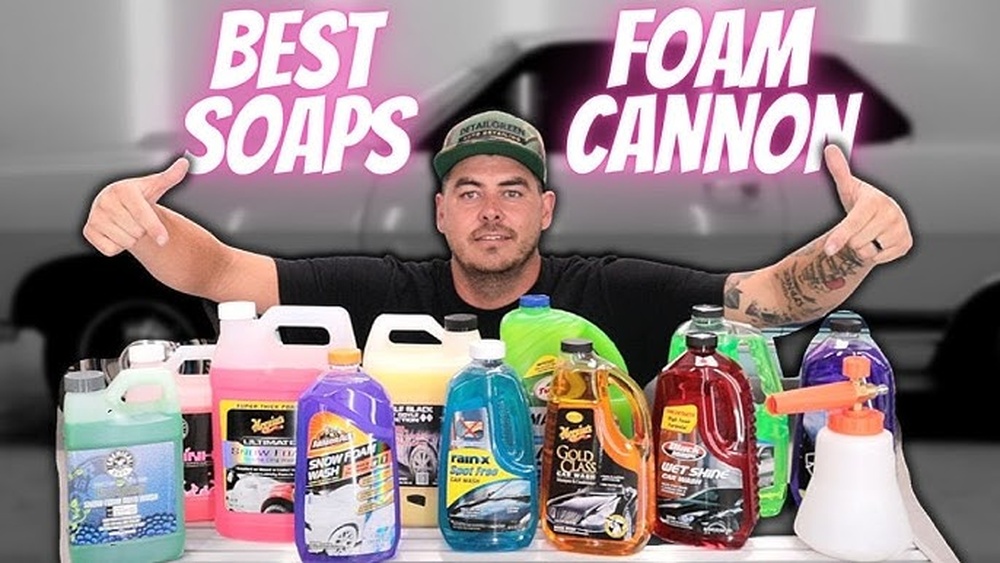
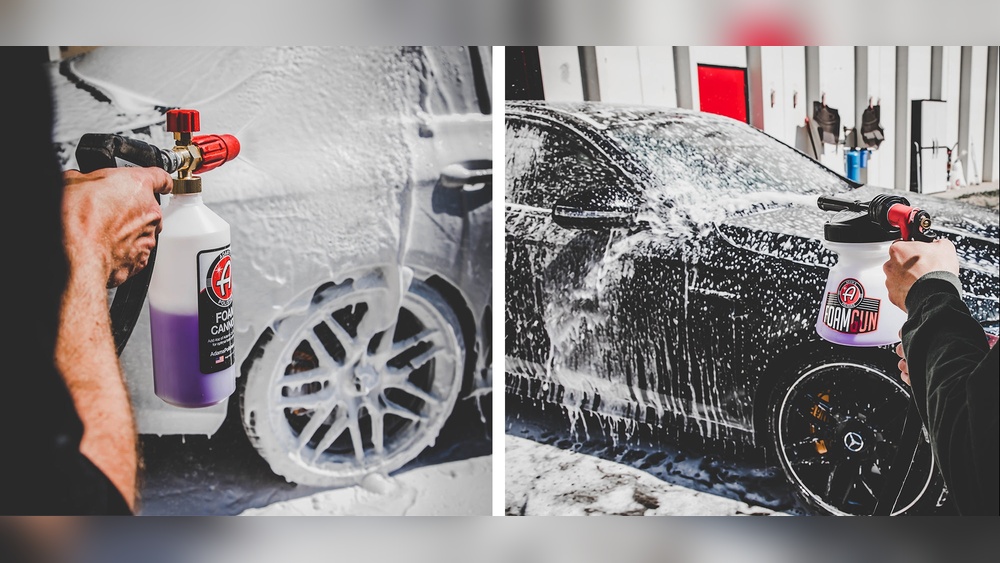
Use soap or degreaser with pressure washing. It reduces the need for very high PSI.

Credit: www.ebay.com
Types Of Pressure Washers
Choosing the right pressure washer is important for cleaning a greasy car effectively. Different types of pressure washers offer different power levels and features. Understanding these types helps you pick the right one for your cleaning needs.
Each type varies in pressure output, ease of use, and suitability for greasy surfaces. This guide explains the main types of pressure washers used for car cleaning.
Electric Pressure Washers
Electric pressure washers are lightweight and easy to use. They usually have lower pressure, around 1300 to 1900 PSI. These washers work well for light grease and dirt. They are quiet and need less maintenance. Ideal for small jobs and regular car washing.
Gas Pressure Washers
Gas pressure washers deliver higher pressure, from 2000 to 3000 PSI. They handle tough grease and heavy dirt better. These machines are powerful but heavier and louder. They need more maintenance and fuel. Great for deep cleaning and large vehicles.
Professional Grade Options
Professional grade pressure washers offer 3000 PSI and above. Made for heavy-duty cleaning tasks. Perfect for removing stubborn grease and grime quickly. Usually have strong motors and durable parts. Best for frequent use or commercial cleaning jobs.
Prepping Your Car
Preparing your car before pressure washing is important. It helps protect your car and get the best clean. A greasy car needs extra care to avoid damage and remove tough dirt. Follow these steps to prepare your car properly.
Removing Loose Dirt
Start by brushing off loose dirt and dust. Use a soft brush or cloth. This stops dirt from scratching the paint during washing. Remove leaves and debris from wheels and undercarriage. This makes pressure washing more effective and safer.
Protecting Sensitive Areas
Cover areas that can get damaged by water or pressure. Use plastic wrap or tape for parts like mirrors, door seals, and lights. Avoid spraying directly on electrical parts or air vents. Protecting these areas prevents costly repairs later.
Selecting Cleaning Agents
Choose the right cleaning products for grease and grime. Use car-safe detergents that break down oil without harming paint. Avoid harsh chemicals that can fade or damage the car’s surface. Test the cleaner on a small spot before full use.
Techniques For Effective Washing
Cleaning a greasy car needs smart techniques. Using the right pressure alone is not enough. You need to know how to use your tools well. These steps help get the best results without damage.
Optimal Nozzle Choices
Pick the right nozzle for greasy areas. A 25-degree nozzle works well for most car surfaces. It sprays water wide enough to cover large areas. For tough grease spots, a 15-degree nozzle adds more pressure. Avoid very narrow nozzles as they can harm the paint.
Maintaining Proper Distance
Keep the pressure washer nozzle at least 12 inches from the car. Closer sprays risk damaging the paint or trim. Too far, and the spray loses power. Hold the nozzle steady and move it slowly across the surface. This keeps the spray even and cleans better.
Using Multiple Passes
Clean greasy spots with several light passes. One strong blast can miss some grease or cause damage. Start with a low-pressure pass to loosen dirt. Then use a medium-pressure pass to wash it away. Repeat as needed until the car looks clean.
Handling Stubborn Grease
Grease on a car can be tough to remove. It sticks to surfaces and resists water alone. Pressure washing helps, but some grease needs extra care. Using the right methods breaks down grease safely and effectively. This section explains how to handle stubborn grease on your car.
Degreasers And Detergents
Choose a degreaser made for cars. It loosens oil and dirt without harm. Apply the product evenly on greasy spots. Let it sit for a few minutes. The chemicals start breaking down the grease. Avoid harsh chemicals that can damage paint.
Soaking And Agitation Tips
Let the degreaser soak well before washing. This softens the grease for easier removal. Use a soft brush or sponge to scrub gently. Agitation helps lift grease from surfaces. Don’t scrub too hard to avoid scratches. Rinse with water to wash away loosened grime.
Repeat Washing Methods
Stubborn grease may need more than one wash. Repeat the degreaser application and scrubbing steps. Each time, grease breaks down more. Use the pressure washer at 2000 to 3000 PSI for best results. Avoid too high pressure to protect the car’s paint. Patience pays off with cleaner results.
Safety Tips
Pressure washing a greasy car needs care and attention. Safety is key to avoid harm to the car, yourself, and the environment. Follow these simple tips to keep everything safe during cleaning.
Avoiding Paint Damage
Use the right pressure to clean without hurting the paint. Too high pressure can strip paint or cause scratches. Keep the nozzle at least 12 inches away from the car’s surface. Test a small hidden spot first. Use a wide spray pattern to spread the force. Avoid staying too long on one spot.
Protecting Yourself
Wear safety gear like goggles and gloves. High-pressure water can cause injury if it hits skin or eyes. Keep your feet steady to avoid slipping. Do not point the spray at people or pets. Work in a well-ventilated area to avoid breathing in chemicals or fumes.
Environmental Considerations
Use eco-friendly soaps and cleaners to protect nature. Avoid washing near storm drains to stop pollution. Collect runoff water if possible to prevent grease from entering water systems. Dispose of oily waste safely. Respect local rules about water use and waste disposal.
Maintenance After Washing
After pressure washing a greasy car, proper maintenance helps keep it clean and shiny. Cleaning removes dirt, but care after washing protects the paint and finish. Follow simple steps to maintain your car’s look and extend its life.
Drying Techniques
Dry the car quickly to avoid water spots. Use a soft microfiber towel or chamois cloth. Gently wipe the surface without pressing hard. Avoid air drying as it leaves marks. Drying also stops rust from forming on metal parts.
Applying Protective Coatings
Apply a protective coating after drying the car. Use car wax or sealant to shield the paint. These products block dirt and grease from sticking. They also help maintain the shine longer. Follow product instructions for best results.
Regular Cleaning Schedule
Keep a regular cleaning schedule for the car. Wash every two weeks to prevent grease buildup. Regular cleaning makes each wash easier and faster. It protects the car’s surface and keeps it looking new. Consistency is key to good car care.

Credit: www.youtube.com
Frequently Asked Questions
How Many Psi To Pressure Wash A Greasy Car?
Use a pressure washer between 1200 and 1900 PSI for greasy cars. This range effectively removes grease without damaging paint or surfaces. Always start with lower pressure and increase if necessary.
Can Too Much Psi Damage My Car’s Paint?
Yes, excessive PSI can strip paint or cause chips. Stay below 2000 PSI for car washing to protect your vehicle’s finish and avoid costly repairs.
What Nozzle Type Works Best For Greasy Cars?
A 25-degree nozzle is ideal for greasy cars. It provides a balanced spray that cleans effectively without causing damage.
Should I Use Detergent With Pressure Washing Greasy Cars?
Yes, use a car-safe degreasing detergent. It helps break down grease and improves cleaning efficiency when combined with the right PSI setting.
Conclusion
Pressure washing a greasy car needs the right psi for best results. Too low, and grease stays on the surface. Too high, and you risk damaging the paint. A pressure between 1200 and 1900 psi works well for most cars.
Always test a small area first to avoid harm. Use soap designed for grease to boost cleaning power. Remember, gentle but firm pressure cleans without damage. Clean your car safely, and it will shine longer.