
Wondering how many quarts of oil your car needs? Getting this right is crucial to keep your engine running smoothly and avoid costly repairs.
But with so many different vehicles and oil types, it can be confusing. Don’t worry—you’re in the right place. You’ll discover exactly how to find the right oil amount for your car, why it matters, and tips to make oil changes easier.
Keep reading to become confident in caring for your car’s engine like a pro.
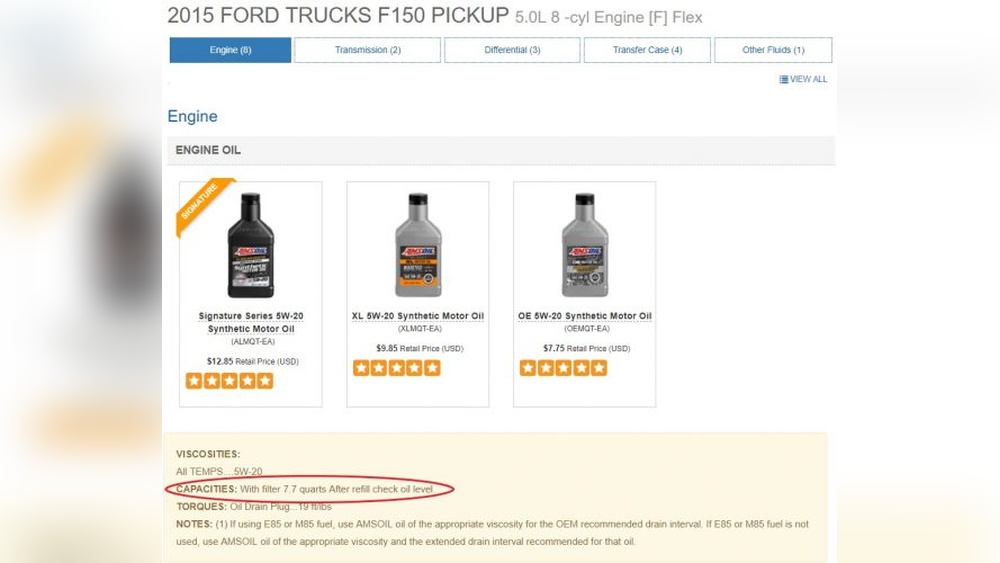
Credit: www.autozone.com
Oil Capacity Basics
Knowing your car’s oil capacity is important for proper maintenance. Oil keeps the engine parts moving smoothly. It also helps to cool and clean the engine. Using the right amount of oil protects your car from damage.
Oil capacity varies from car to car. It depends on the engine size and type. Understanding the basics helps you fill the correct amount. This prevents overfilling or running low on oil. Both can harm your engine.
What Determines Oil Capacity
The size of the engine is the main factor. Bigger engines need more oil. The number of cylinders also affects oil needs. More cylinders mean more oil is required.
Some engines have special designs that use more oil. Turbocharged or high-performance engines often need extra oil. The oil filter size can change the amount too. Filters hold some oil, raising the total needed.
Types Of Engine Oils
There are different types of engine oils to choose from. Conventional oil is the most common and affordable. Synthetic oil lasts longer and works better in extreme temperatures.
Synthetic blend oil mixes conventional and synthetic oils. High-mileage oil is for cars with many miles. Each oil type has a different viscosity. Viscosity means how thick or thin the oil is.
Choosing the right oil type helps your engine run well. Always check your owner’s manual for the recommended oil type and capacity.
Finding Your Car’s Oil Capacity
Finding your car’s oil capacity is key to keeping the engine healthy. Using the right amount of oil helps the engine run smoothly. Too little oil can cause damage. Too much oil can lead to leaks or smoke. Finding the correct oil capacity is simple. It only takes a few steps.
Checking The Owner’s Manual
The owner’s manual is the best place to start. It has exact details about your car model. Look for the section on engine oil or maintenance. The manual usually lists the oil capacity in quarts or liters. It also shows the right oil type for your car. Keep the manual handy for future reference.
Using Online Resources
Online tools can help find oil capacity quickly. Many car brand websites offer free guides. Enter your car’s make, model, and year to get details. Auto forums and websites also share helpful info. Always check multiple sources to confirm the number. Use trustworthy sites to avoid mistakes.
Consulting A Mechanic
A mechanic knows cars inside and out. They can tell you the exact oil amount your car needs. Mechanics can also suggest the best oil type. This advice helps keep your engine in top shape. Visit a mechanic if you feel unsure about oil capacity. Their experience ensures your car stays safe and reliable.
Common Oil Capacities By Vehicle Type
Car engines need the right amount of oil to run smoothly. Oil helps parts move without damage. Different vehicles need different amounts of oil. Knowing your vehicle’s oil capacity helps avoid mistakes during oil changes.
Here are common oil capacities based on vehicle types. This guide helps understand how much oil your vehicle might need.
Sedans And Compact Cars
Most sedans and compact cars use between 4 and 5 quarts of oil. Smaller engines need less oil. These vehicles often have four-cylinder engines. Some may require slightly more oil, up to 6 quarts. Always check your owner’s manual for exact numbers.
Suvs And Trucks
SUVs and trucks usually have bigger engines. They need more oil than smaller cars. Typical oil capacity ranges from 5 to 8 quarts. Larger trucks with V8 engines may need even more oil. Using the correct amount keeps your engine safe and healthy.
Motorcycles And Small Engines
Motorcycles and small engines use much less oil. Most motorcycles need about 2 to 3 quarts. Small engines, like lawn mowers, use even less. Often, only 1 quart or less is required. Checking the manual is important to avoid overfilling.

Credit: carfromjapan.com
How To Measure And Add Oil
Knowing how to measure and add oil to your car is important for its health. Proper oil levels keep the engine running smoothly. Too little or too much oil can cause problems. This section explains the tools you need and the steps to check and add oil safely.
Tools Needed
- Clean rag or paper towel
- Car owner’s manual
- Engine oil that matches your car’s specification
- Funnel
- Gloves (optional)
Step-by-step Process
First, park your car on level ground and turn off the engine. Wait a few minutes for the oil to settle.
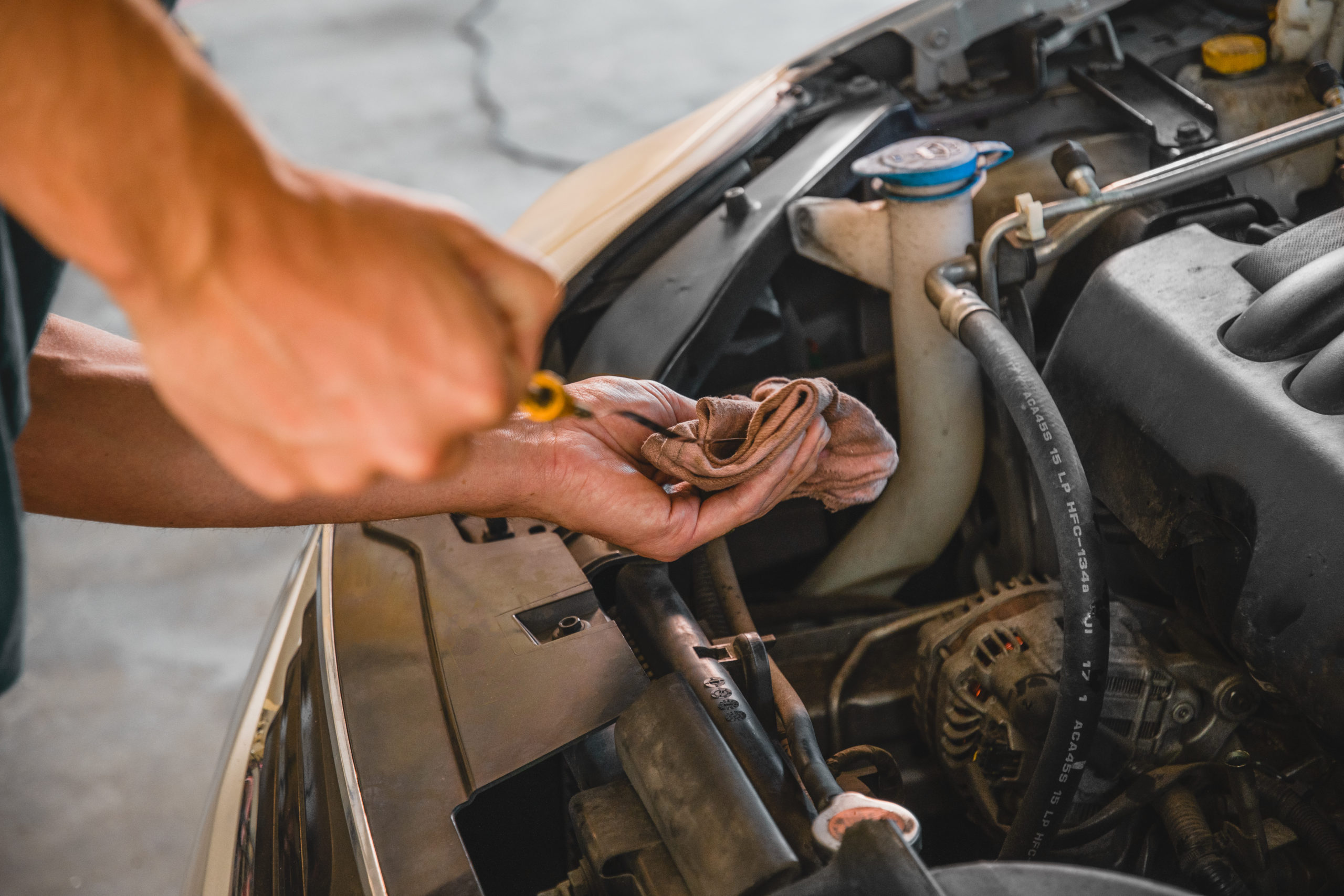
Open the hood and find the dipstick. Pull it out and wipe it clean with the rag.
Insert the dipstick fully back into its tube, then pull it out again. Check the oil level on the dipstick. It should be between the low and high marks.
If the oil level is low, place the funnel into the oil filler hole. Slowly pour in a small amount of oil.
Wait a minute, then check the oil level again with the dipstick. Repeat adding oil and checking until the level is correct.
Avoiding Overfill And Underfill
Adding too much oil can cause engine damage. It may create pressure and leaks.
Too little oil can cause engine parts to wear out quickly. The engine may overheat.
Always add oil slowly and check the level often. Use the dipstick as your guide.
Signs Of Incorrect Oil Levels
Knowing the signs of incorrect oil levels helps protect your car’s engine. Oil keeps engine parts moving smoothly. Too much or too little oil causes problems. Watch for these common signs to avoid damage.
Dashboard Warning Lights
Your dashboard shows warning lights if oil is low or high. The oil pressure light or check engine light may turn on. Don’t ignore these signals. Stop the car and check oil level quickly.
Engine Performance Issues
Low or high oil affects engine performance. The engine might sound louder or run rough. You could notice poor acceleration or stalling. These issues often mean oil level is wrong. Check oil and fix the level fast.
Oil Leaks And Smells
Oil leaks under the car show possible overfill or damage. A burning oil smell inside or outside means oil may be too high. Both signs mean oil needs checking. Fix leaks and adjust oil to the right amount.
Oil Change Tips
Changing your car’s oil is key to keeping the engine healthy. Knowing how to do it right saves money and prevents damage. Follow these simple oil change tips to maintain your vehicle properly.
When To Change Oil
Check your car’s manual for oil change intervals. Most cars need an oil change every 3,000 to 7,500 miles. Old or dirty oil can harm engine parts. Watch for dark or thick oil on the dipstick. Change oil sooner if you drive in tough conditions. Regular oil changes keep your engine running smoothly.
Choosing The Right Oil Filter
Select an oil filter that fits your car’s make and model. A good filter traps dirt and debris well. Cheap filters may leak or break down fast. Changing the oil filter with every oil change is important. This keeps the new oil clean and extends engine life.
Disposing Of Used Oil
Used oil is harmful to the environment. Never pour it down drains or on the ground. Store used oil in a clean container with a tight lid. Take it to a recycling center or auto shop that accepts used oil. Proper disposal helps protect water and soil from pollution.

Credit: shop.advanceautoparts.com
Frequently Asked Questions
How Do I Find My Car’s Oil Capacity?
Check your car’s owner’s manual for oil capacity details. Alternatively, visit the manufacturer’s website or consult a trusted mechanic. Knowing the exact oil capacity helps avoid overfilling or underfilling, ensuring optimal engine performance and longevity.
Can Oil Capacity Vary Between Car Models?
Yes, oil capacity varies based on engine size and design. Smaller engines may need around 4 quarts, while larger ones can require 6 or more. Always verify your specific car model’s requirements for accurate oil maintenance.
What Happens If I Add Too Much Oil?
Overfilling oil can cause increased pressure, leading to leaks or engine damage. Excess oil may also reduce engine efficiency and cause foaming. Always fill oil to the recommended level for safe and smooth engine operation.
How Often Should I Check My Car’s Oil Level?
Check your oil level at least once a month or before long trips. Regular checks prevent engine damage and maintain performance. Use the dipstick when the engine is cool and on a level surface for accurate readings.
Conclusion
Knowing your car’s oil capacity helps keep the engine healthy. Always check the owner’s manual for the exact number of quarts. Using the right amount of oil protects your car from damage. Too little or too much oil can cause problems.
Regular oil changes keep your car running smoothly. Take a few minutes to measure correctly. It saves money and avoids costly repairs. Keep your engine happy and your drives safe. Simple steps make a big difference in car care.


