
Have you ever wondered how often you should wax your car to keep it looking brand new? You might think it’s just about shining your vehicle, but waxing does much more than that.
It protects your car’s paint, keeps dirt and grime at bay, and even helps maintain its value over time. But wax too little, and your car’s finish may suffer. Wax too much, and you could be wasting time and money.
Finding the right balance is key—and that’s exactly what you’ll discover here. Stick with me, and you’ll learn the perfect waxing schedule tailored just for your car’s needs.
Benefits Of Car Waxing
Waxing your car offers many important benefits. It helps keep your vehicle looking nice and protects it from damage. Regular waxing creates a strong layer over the paint. This layer shields your car from dirt, water, and sunlight. It also makes cleaning easier and improves the car’s overall appearance.
Protection Against Elements
Car wax acts like a shield against weather elements. It blocks harmful UV rays from the sun. This stops the paint from fading and cracking. Wax also repels water during rain or snow. Water slides off quickly, preventing water spots and damage. Dust and dirt stick less to a waxed surface. This keeps your car cleaner for longer.
Enhancing Paint Shine
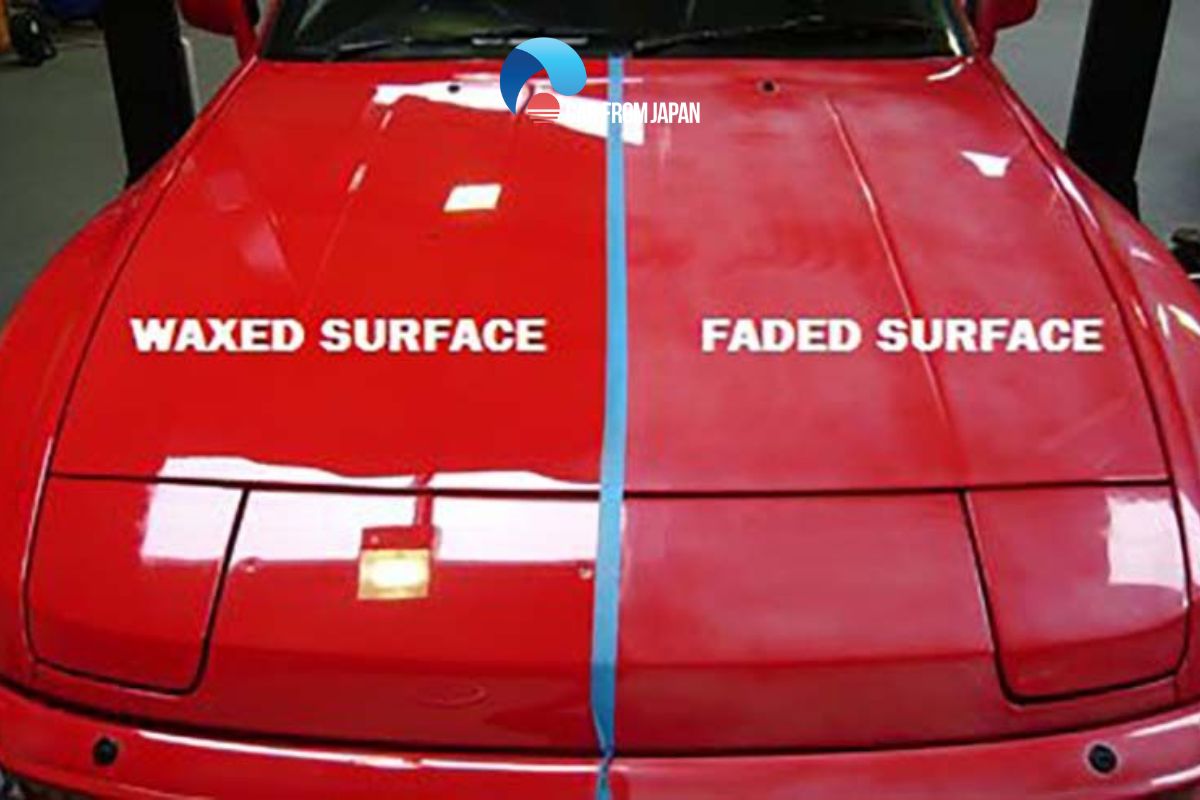
Wax adds a shiny finish to your car’s paint. It fills tiny scratches and smooths the surface. This makes the paint look smooth and glossy. A fresh wax coat restores the original color and brightness. It gives your vehicle a fresh and well-maintained look. Shiny paint also helps your car stand out on the road.
Preventing Rust And Corrosion
Wax forms a barrier that protects metal parts. It stops moisture from reaching the metal. This prevents rust and corrosion from forming. Rust can cause serious damage and weaken the car’s body. Regular waxing helps keep rust away for longer. It extends the life of your vehicle’s paint and metal.
Credit: carfromjapan.com
Factors Affecting Wax Frequency
How often to wax your car depends on several key factors. These affect how quickly wax wears off. Knowing them helps keep your car shiny and protected. Some cars need waxing more often than others. Understanding these factors saves time and money.
Climate And Weather Conditions
Hot sun can break down wax fast. Rain and snow wash away wax layers. Salt on roads can cause damage to paint. Cars in harsh climates need waxing more often. Mild climates allow longer wax protection. Check your local weather for best waxing times.
Type Of Wax Used
Different waxes last different lengths of time. Synthetic wax usually lasts longer than natural wax. Paste wax gives a deep shine but may wear off quicker. Liquid wax is easy to apply but may need more frequent use. Choose wax based on your needs and budget.
Car Usage And Storage
Cars driven daily face more dirt and grime. This causes wax to wear off faster. Storing a car in a garage protects wax from weather. Outdoor parking exposes wax to sun and rain. Less use means wax lasts longer. Consider your car’s use and storage habits.
Recommended Waxing Schedule
Waxing your car protects its paint and keeps it shiny. Knowing how often to wax is key for good care. The right schedule depends on many factors. This guide helps you find the best waxing routine.
Waxing at the right time saves effort and keeps your car safe from damage.
Standard Waxing Intervals
Most cars benefit from waxing every three months. This means four times a year. This schedule gives good protection against dirt and UV rays. Regular waxing also makes washing easier. Some waxes last longer, allowing for less frequent application.
Adjusting Frequency For Different Climates
Hot and sunny climates need more frequent waxing. Sunlight can fade and dry out paint quickly. Cold or rainy areas may require waxing less often. Salt and moisture can still harm the car, so waxing every four months is good. Adjust waxing based on local weather conditions and your car’s exposure.
Waxing For New Vs. Older Cars
New cars have fresh paint that needs protection. Wax them every three months to keep paint bright. Older cars might have wear or scratches. Waxing every two to three months helps protect and hide minor damage. Regular waxing improves the look and extends paint life for all cars.
Signs Your Car Needs Waxing
Knowing the signs your car needs waxing helps keep its paint healthy. Wax protects your car from dirt, sun, and water damage. Without wax, paint can lose shine and become vulnerable. Watch for these signs to know when it’s time to wax again.
Dull Or Faded Paint
When your car’s paint looks dull or faded, wax might be worn off. Wax adds shine and depth to the color. If the paint looks flat or lifeless, it means the protective layer is gone. Waxing restores brightness and guards against fading.
Water Beading Reduction
Wax makes water form small beads on the car’s surface. These beads roll off easily, taking dirt with them. If water spreads out and sticks to the paint, wax has lost its power. This is a clear sign to reapply wax soon.
Surface Contaminants
Dust, bugs, and tree sap can stick harder without wax. Wax creates a smooth barrier that helps clean these off quickly. If you notice dirt clinging or stains that won’t wash away, your car needs waxing. Wax protects and makes cleaning easier.
Diy Waxing Tips
Waxing your car at home saves money and keeps your paint shiny. It is a simple task with the right tools and steps. Knowing how to choose wax and apply it properly helps get the best results. Avoiding common mistakes protects your car’s finish.
Choosing The Right Wax
Pick wax based on your car’s paint type and condition. Paste wax lasts longer but takes more effort. Liquid wax is easier to apply and good for quick jobs. Synthetic wax offers strong protection and shines well. Read labels to match wax with your car’s color and needs.
Proper Application Techniques
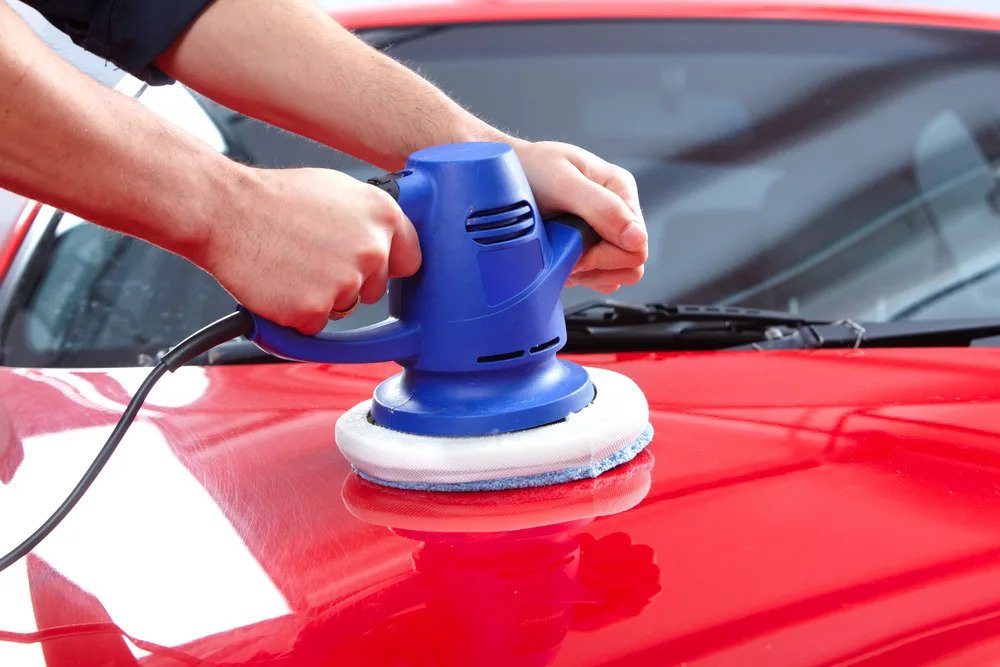
Start with a clean, dry car surface. Work in small sections for even coverage. Use a soft applicator pad to spread wax in circular motions. Let wax dry to a haze before buffing it off. Use a clean microfiber cloth to remove residue gently. Avoid direct sunlight during waxing to prevent streaks.
Common Mistakes To Avoid
Do not wax over dirt or grime; it can scratch paint. Avoid using too much wax at once; less is more. Skipping the drying step leads to uneven shine. Using rough cloths can damage the paint surface. Waxing in hot weather causes quick drying and streaks. Take time and be gentle to protect your car.
Credit: ethoscarcare.com
Professional Waxing Options
Professional waxing options provide a high-quality finish for your car’s paint. Experts use special tools and products that protect your vehicle better than home methods. This makes professional waxing a smart choice for many car owners.
Benefits Of Professional Services
Professionals apply wax evenly and thoroughly. They remove dirt and old wax before applying new layers. This results in a smooth, shiny surface that lasts longer. Experts also protect your car from UV rays and harsh weather. Your paint stays healthier and looks newer.
Cost Considerations
Professional waxing costs more than DIY methods. Prices vary depending on the car size and location. Some shops offer packages with multiple waxings per year. Think of the cost as an investment in your car’s appearance and value. It often saves money on future paint repairs.
Frequency Recommendations
Experts suggest waxing your car every three to four months. This schedule keeps the protective layer strong. If you live in harsh climates, wax more often. Regular professional waxing extends paint life and keeps your car shining. It also makes cleaning easier and faster.
Alternatives To Traditional Wax
Traditional wax is popular for protecting car paint. Yet, some drivers want options that last longer or need less work. Alternatives to wax can offer strong protection and shine with fewer applications. These choices suit different car care needs and lifestyles.
Sealants And Coatings
Sealants are synthetic products designed to protect paint. They form a hard layer that resists dirt and water. Sealants usually last longer than wax, often up to six months.
Coatings, like ceramic coatings, create a very tough shield. They bond with the paint and can last for years. Coatings offer strong protection against scratches and UV rays.
Comparing Durability And Protection
Wax protects for about one to three months. Sealants extend this to six months or more. Coatings provide the longest protection, often lasting years.
Wax gives a warm, natural shine. Sealants shine well but may look less rich than wax. Coatings offer a glossy, glass-like finish.
Each type protects against dirt, water, and sun damage. Coatings are best for tough conditions. Sealants suit moderate use. Wax is good for regular, easy care.
When To Choose Alternatives
Choose sealants if you want longer protection with simple care. They suit busy people or those who wash cars often.
Pick coatings for the best long-term defense. Ideal for new cars or special finishes.
Wax works well if you like the classic look and enjoy detailing your car. It is best for short-term shine and protection.

Credit: auto.howstuffworks.com
Frequently Asked Questions
How Often Should I Wax My Car Yearly?
Most experts recommend waxing your car 3 to 4 times a year. This keeps the paint protected and shiny. Frequency depends on climate, usage, and garage storage.
Does Waxing Protect My Car’s Paint?
Yes, waxing forms a protective layer over the paint. It guards against UV rays, dirt, and minor scratches. Regular waxing maintains the car’s appearance and value.
Can I Wax My Car Too Often?
Waxing too frequently is unnecessary and may cause buildup. Sticking to 3-4 times yearly is ideal. Over-waxing doesn’t improve protection and wastes time and product.
What Is The Best Season To Wax A Car?
Spring and fall are best for waxing. These seasons protect your car from harsh summer sun and winter salt. Waxing in moderate weather ensures better adhesion.
Conclusion
Waxing your car about three to four times a year works well for most people. It keeps the paint shiny and protects it from dirt and sun damage. Regular waxing saves money on paint repairs later. You can wax more often if you live in harsh weather.
Just remember, a clean car takes wax better. Keep your car looking great with simple care. A little effort goes a long way. Your car will thank you with a nice shine.


