

Have you ever wondered how many volts you actually need to start your car? It’s a question that matters more than you might think.
If your engine won’t turn over or your battery feels weak, knowing the right voltage can save you time, money, and frustration. You’ll discover exactly what voltage your car needs to fire up smoothly and how to check if your battery is up to the task.
Keep reading—you’re just a few volts away from understanding what it takes to get your car going every time.
Car Battery Basics
A car battery is the heart of your vehicle’s electrical system. It provides the power needed to start the engine. Without a good battery, your car won’t start. Understanding the basics of car batteries helps you choose the right one and maintain it well.
Voltage And Capacity
Most car batteries have a voltage of 12 volts. This voltage is enough to start the engine and power the car’s electrical parts. Capacity is measured in ampere-hours (Ah). It shows how much charge the battery can hold. A higher capacity means the battery lasts longer before needing a recharge.
Types Of Car Batteries
There are different types of car batteries. The most common is the lead-acid battery. It is affordable and reliable. Another type is the AGM (Absorbent Glass Mat) battery. It handles vibrations better and lasts longer. Some cars use lithium-ion batteries, but these are rare and costly.
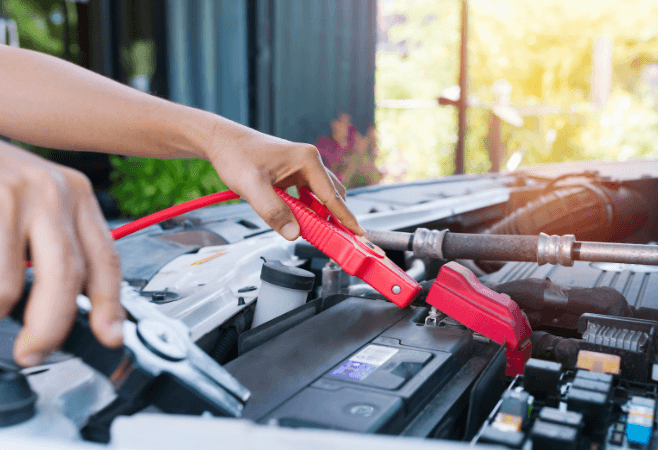
Credit: www.chapelhilltire.com
Minimum Voltage To Start A Car
Starting a car requires a certain amount of electrical power. This power is measured in volts. Knowing the minimum voltage needed to start a car helps prevent battery problems. It also ensures your car starts smoothly every time. Let’s explore what voltage level is necessary to get your engine running.
Standard Voltage Requirements
Most cars use a 12-volt battery system. To start the engine, the battery voltage should be at least 9.6 volts. This voltage level provides enough power to turn the starter motor. If the voltage drops below 9.6 volts, the engine may not start. A fully charged battery usually measures around 12.6 volts. During startup, the voltage can drop briefly, but it should not fall too low.
Impact Of Battery Age And Condition
Old or weak batteries often cannot hold full voltage. Their voltage may drop quickly when starting the car. Corrosion on battery terminals can reduce the voltage flow. Low voltage leads to slow or failed engine starts. Regular battery checks help maintain proper voltage. Replacing worn-out batteries ensures consistent starting power.
Factors Affecting Starting Voltage
Starting a car needs the right voltage to power the engine. This voltage depends on several factors. Understanding these factors helps maintain your car’s battery and avoid starting problems. Let’s explore the key factors that affect starting voltage.
Cold Weather Effects
Cold weather lowers battery power. At low temperatures, the battery’s chemical reactions slow down. This reduces the available voltage. The engine oil also thickens, making the engine harder to turn. More voltage is needed to start the car in cold weather than in warm weather.
Engine Size And Type
Bigger engines need more power to start. They have larger cylinders and more moving parts. Diesel engines require higher voltage than gasoline engines. This is because diesel engines compress air more, needing extra power for ignition. Small engines use less voltage and start easier.
Electrical System Load
Many electrical devices drain battery voltage. Headlights, radio, and air conditioning add to the load. High electrical load lowers the voltage available for starting. Turning off extra devices before starting the car helps save voltage. The battery must supply enough voltage for both starting and accessories.
Measuring Battery Voltage
Measuring the voltage of a car battery is a simple way to check its health. It helps to know if the battery has enough power to start the car. A good battery voltage shows the battery is charged and ready to work. Low voltage may mean the battery needs charging or replacement.
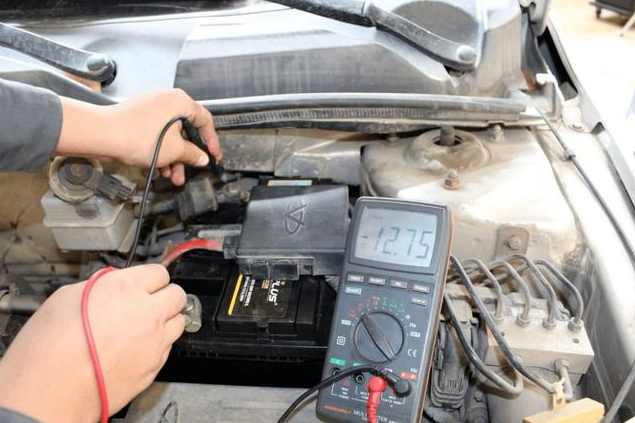
Testing battery voltage takes just a few minutes. You need a tool called a multimeter. This tool shows the exact voltage of the battery. Knowing how to use a multimeter and read its results is key. It helps you understand if the battery can start your car or not.
Using A Multimeter
First, set the multimeter to measure DC voltage. Look for the symbol “V” with a straight line. Connect the red probe to the battery’s positive terminal. Connect the black probe to the negative terminal. The multimeter screen will show the battery voltage. Make sure to hold the probes steady for an accurate reading.
Interpreting Voltage Readings
A fully charged battery should show about 12.6 volts or more. Readings between 12.4 and 12.6 volts mean the battery is moderately charged. Below 12.4 volts, the battery may be weak. If the voltage is under 12 volts, the battery likely cannot start the car. Voltage above 13 volts means the battery is charging, usually with the engine running.
Troubleshooting Starting Issues
Starting issues can be frustrating and confusing. Understanding the role of voltage in starting your car helps diagnose problems fast. Most cars need about 12 volts to start, but the battery must deliver enough power instantly. Low voltage causes slow or no starts, leaving you stranded.
Knowing how to spot low voltage symptoms and when to replace the battery saves time and money. Troubleshooting these issues ensures your car starts smoothly every time.
Low Voltage Symptoms
Slow engine crank is a common sign of low voltage. The engine turns slowly or struggles to start. You might hear clicking sounds when you turn the key. Dimming dashboard lights or headlights during start also indicate low voltage. Electronics may behave oddly or reset on their own. These symptoms point to a weak battery or poor electrical connections.
When To Replace The Battery
Replace the battery if it fails to hold a charge. Frequent jump-starts mean the battery is weak. Corrosion on battery terminals can sometimes be cleaned, but severe corrosion means replacement is better. If the battery is more than three to five years old, it might need replacement soon. Testing with a voltmeter shows if voltage drops below 12 volts when the car is off.
Credit: www.lokithorshop.com
Maintaining Optimal Battery Voltage
Maintaining the right battery voltage is key to starting your car smoothly every time. A healthy battery keeps your vehicle reliable and avoids unexpected breakdowns. Low voltage can cause slow starts or no start at all. Keeping your battery charged and checked helps prevent these issues.
Charging Tips
Use a good quality charger to keep the battery voltage steady. Charge the battery slowly to avoid damage. Avoid overcharging, which can reduce battery life. Disconnect the charger once the battery reaches full voltage. Regular charging helps maintain the battery’s power for starting the car.
Regular Battery Checks
Check the battery voltage often with a voltmeter. A fully charged battery should show about 12.6 volts or more. Inspect battery terminals for corrosion or loose connections. Clean terminals to ensure good contact. Replace the battery if voltage stays low after charging.

Credit: www.lokithorshop.com
Frequently Asked Questions
How Many Volts Are Needed To Start A Car Engine?
Most cars require a 12-volt battery to start the engine. This voltage provides enough power for the starter motor and ignition system. Some electric and hybrid vehicles may use different voltages, but 12 volts is standard for most gasoline and diesel cars.
Can A 6-volt Battery Start A Modern Car?
A 6-volt battery is generally insufficient for starting modern cars. Modern engines and electronics demand higher voltage and current. Using a 6-volt battery may lead to slow cranking or failure to start the engine.
What Happens If Car Battery Voltage Is Too Low?
Low battery voltage can cause slow engine cranking and prevent the car from starting. It also affects electrical components and may damage the battery. Maintaining the correct voltage is essential for reliable vehicle operation.
Is A 24-volt System Better For Starting Cars?
A 24-volt system provides more power and faster engine cranking but is uncommon in standard cars. It is mostly used in heavy-duty vehicles or military applications. Most consumer cars rely on 12-volt systems for starting.
Conclusion
Starting a car usually needs about 12 volts from the battery. This voltage helps the engine turn over and start. If the voltage is too low, the car may not start. Keeping your battery charged ensures reliable starts every time.
Simple checks can save you from unexpected problems. Knowing the right voltage helps you understand your car better. Always use the correct tools to test the battery voltage. A healthy battery means a smoother start and less stress.


