

Are you thinking about wrapping your car but wondering how much vinyl you actually need? Getting the right amount is key to a smooth, flawless wrap without wasting money or running short.
Whether you’re a beginner or looking to save on your next project, knowing how many yards of vinyl to buy can save you time and stress. You’ll discover the simple way to calculate the perfect vinyl yardage for your car, so you can get started with confidence and achieve that sleek, professional look you want.
Keep reading to find out exactly what you need!
Credit: weprintwraps.com
Calculating Vinyl Needed
Calculating the amount of vinyl needed to wrap a car is a crucial step. It helps avoid buying too little or too much material. Accurate calculation saves money and reduces waste. Understanding how to measure and plan is key to a successful wrap project.
Measuring Car Dimensions
Start by measuring the car’s length, width, and height. Use a tape measure to get exact numbers. Measure from bumper to bumper and side to side. Don’t forget the roof and doors. Note down all measurements carefully for reference.
Accounting For Overlaps And Errors
Vinyl wraps need some extra material for overlaps. Overlapping helps avoid gaps and ensures full coverage. Add at least 10-15% more vinyl than your measurements. This extra amount also covers mistakes or cutting errors. Better to have a little more than not enough.
Considering Car Shape And Size
Cars with curves or unusual shapes require more vinyl. Complex designs need extra material for stretching and fitting. Larger vehicles like trucks or SUVs need more vinyl than small cars. Always check the car’s unique features before buying vinyl.
Vinyl Roll Sizes Explained
Understanding vinyl roll sizes is key to wrapping a car properly. Rolls come in different widths and lengths. Choosing the right size helps avoid waste and saves money. Knowing the sizes also makes the job easier and faster.
Standard Vinyl Widths
Vinyl rolls usually come in widths of 24, 48, and 60 inches. Narrower rolls suit smaller parts of a car. Wider rolls cover large areas like doors or the roof. Most car wraps use 48 or 60-inch widths for better coverage.
Length Options Available
Rolls are sold by the yard in lengths from 10 to 100 yards. Shorter rolls work for small projects or touch-ups. Longer rolls are best for full car wraps or multiple vehicles. Picking the right length avoids extra seams on the car.
Choosing The Right Roll Size
Measure your car’s surface to estimate the needed vinyl. Add extra yards for mistakes and overlap. Match the roll width to the car parts you wrap. Larger rolls cover more area but cost more upfront. Balance size and budget for the best fit.
Factors Affecting Vinyl Usage
Estimating the right amount of vinyl to wrap a car depends on many factors. These factors can change the total vinyl needed. Understanding them helps avoid buying too much or too little. Consider the design, car shape, and tools used. Each affects the vinyl usage differently.
Complex Designs And Patterns
Detailed designs use more vinyl than plain colors. Patterns need careful alignment, causing extra waste. Wrapping curves or sharp edges with patterns requires more material. Bigger designs or repeats also increase vinyl needs. Plan designs carefully to manage vinyl consumption.
Surface Texture And Contours
Cars with smooth surfaces use less vinyl. Rough or textured surfaces demand more vinyl to cover gaps. Curved or uneven shapes need extra vinyl for stretching and fitting. Complex shapes create more waste due to trimming. Check the car’s surface before buying vinyl.
Tools And Techniques Impact
The tools and methods used affect vinyl usage. Skilled installers use less vinyl by reducing errors. Poor tools cause more mistakes and waste. Heat guns, squeegees, and knives improve fitting accuracy. Choose the right tools to save vinyl and time.
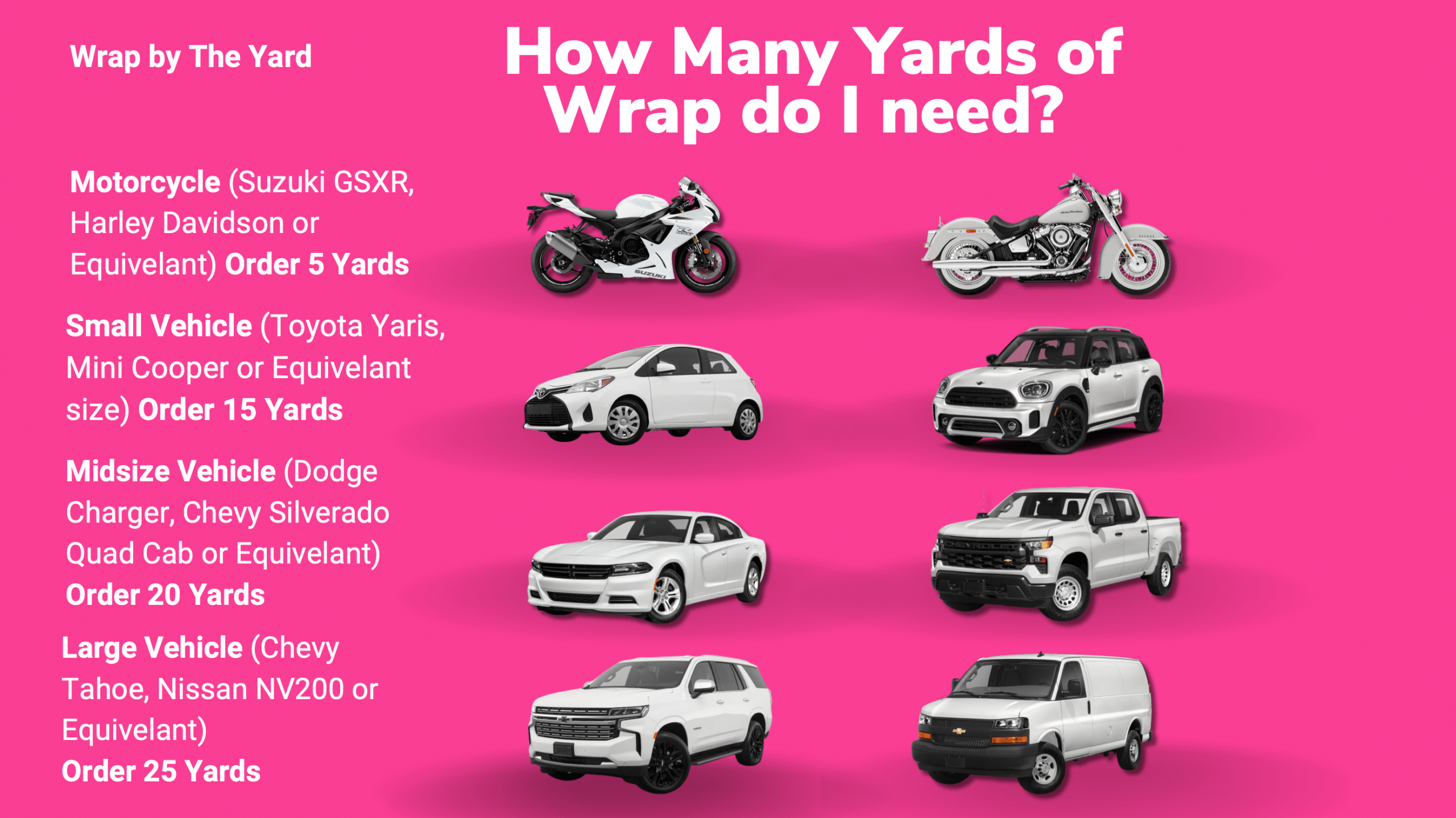
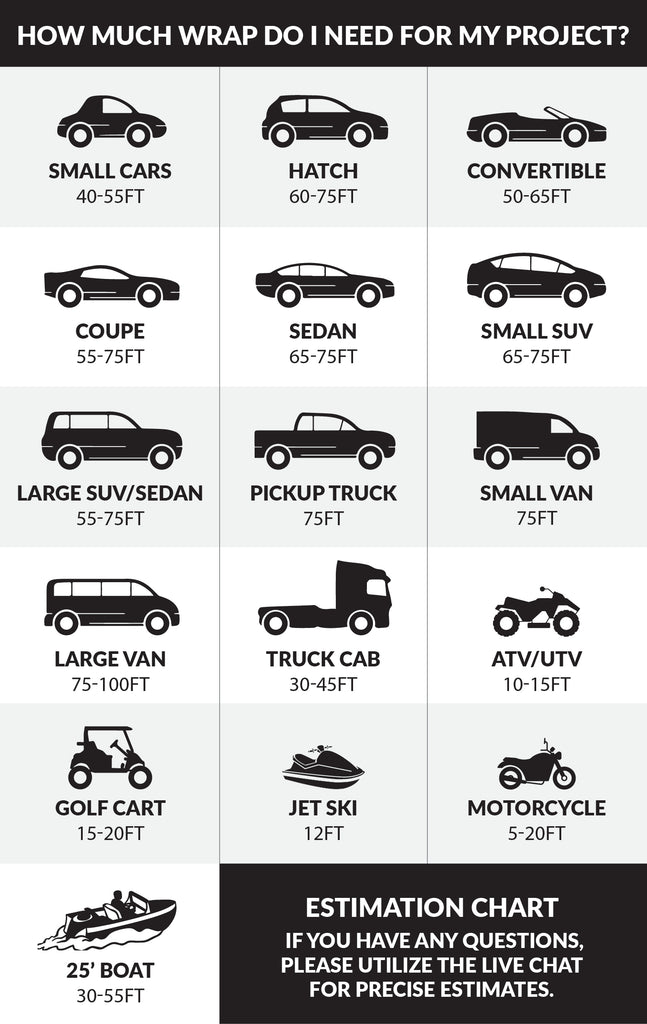
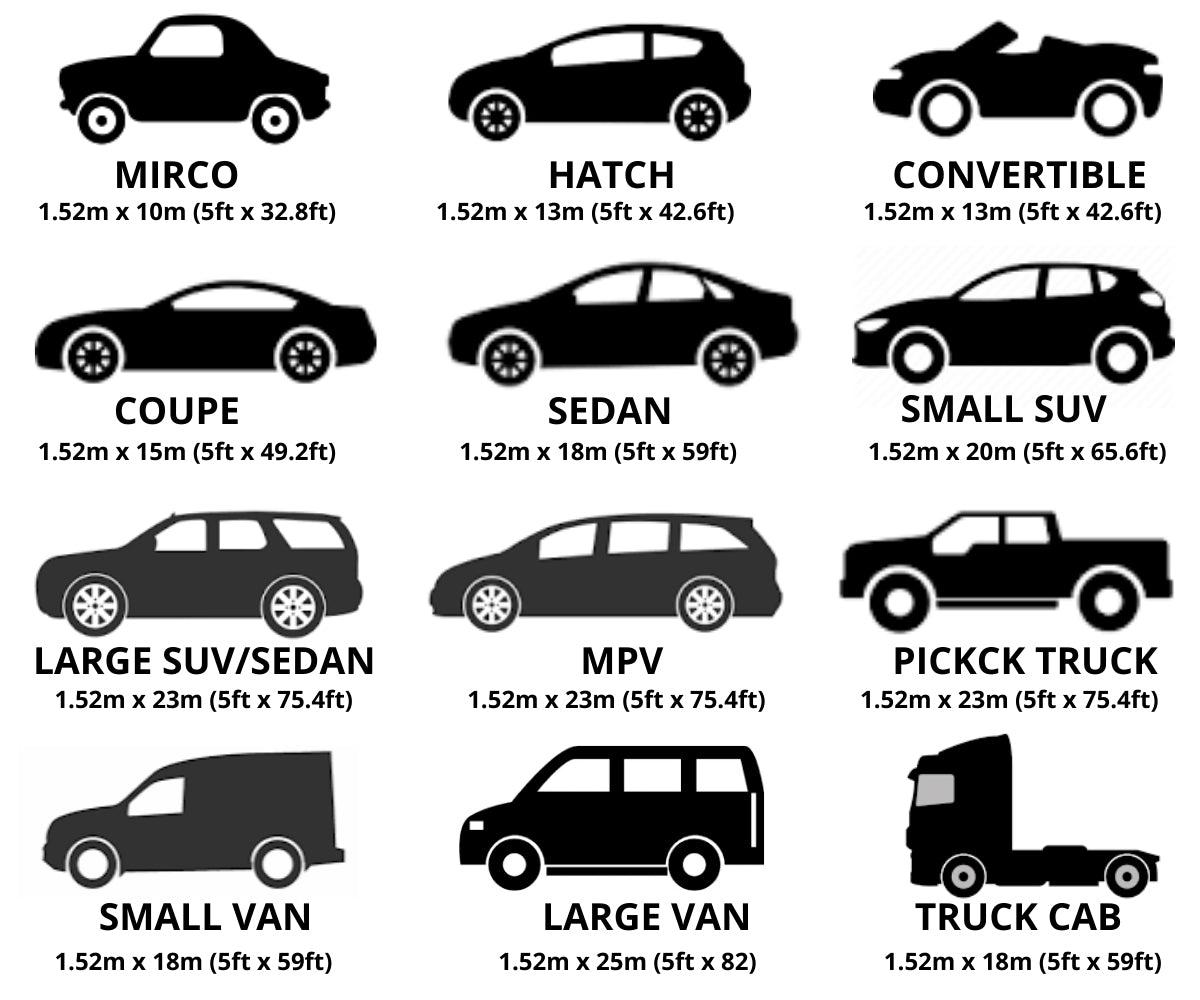
Estimating Yardage By Vehicle Type
Estimating the amount of vinyl needed to wrap a car depends heavily on the vehicle type. Different cars have different sizes and shapes. These factors affect how much vinyl is necessary. Understanding yardage by vehicle type helps buyers plan better. It also helps avoid buying too little or too much vinyl.
Sedans And Compact Cars
Sedans and compact cars are smaller in size. Typically, they need about 18 to 24 yards of vinyl. These cars have less surface area to cover. Curves and details can raise vinyl use slightly. Plan for some extra vinyl to cover mistakes or trims.
Suvs And Trucks
SUVs and trucks are larger and bulkier. They usually require between 30 and 40 yards of vinyl. The bigger surface area means more material is necessary. Some trucks have complex shapes that use more vinyl. Leave extra yardage for full coverage and adjustments.
Vans And Larger Vehicles
Vans and larger vehicles need the most vinyl. Expect to use 40 to 60 yards or more. These vehicles have large flat and curved surfaces. Extra vinyl helps cover doors, bumpers, and mirrors. Always measure carefully to avoid running short.
Tips For Efficient Vinyl Use
Using vinyl efficiently saves money and reduces waste. Careful planning and handling help stretch your materials further. Follow these tips to make your car wrap project smooth and cost-effective.
Planning Wrap Layout
Start by measuring your car carefully. Note all curves, doors, and trims. Sketch a layout showing how vinyl pieces will fit. Arrange large pieces first to reduce seams. Plan cuts to avoid small leftover scraps. Good planning saves time and material.
Minimizing Waste
Cut vinyl straight and slow to avoid mistakes. Use sharp tools for clean edges. Save leftover pieces for smaller parts or future repairs. Avoid overlapping vinyl layers, which add bulk. Work patiently to prevent tears or bubbles.
Storage And Handling
Store vinyl rolls in a cool, dry place. Keep them away from direct sunlight. Roll vinyl back tightly after use to avoid creases. Handle with clean hands or gloves to prevent dirt. Proper care keeps vinyl smooth and ready to use.
Credit: metrorestyling.com
Cost Implications Of Vinyl Yardage
Understanding the cost implications of vinyl yardage is important for car wrapping projects. The amount of vinyl needed directly affects the final price. Knowing how pricing works helps plan your budget smartly. Vinyl costs vary by quality, brand, and size. You can avoid unexpected expenses by estimating yardage correctly.
Price Per Yard Overview
Vinyl wrap prices usually range from $10 to $50 per yard. Lower prices often mean thinner vinyl or less durability. Higher prices offer better colors, finishes, and longer lifespan. Specialty vinyl, like carbon fiber or chrome, costs more. Prices also depend on the seller and region.
Budgeting For Full Wraps
A full car wrap typically requires 20 to 30 yards of vinyl. This amount covers all sides, roof, and small extra parts. Budgeting includes vinyl cost, labor, and tools. Labor can cost as much as the vinyl itself. Always add a 10-15% buffer for mistakes or extra cuts.
Balancing Quality And Cost
Cheap vinyl may save money upfront but can peel or fade quickly. High-quality vinyl lasts longer and looks better. Choose vinyl that fits your budget and needs. Consider how long you want the wrap to last. Spending a bit more can reduce long-term costs.
Credit: carlikewrap.com
Frequently Asked Questions
How Many Yards Of Vinyl Wrap For A Full Car?
Typically, 18 to 24 yards of vinyl wrap cover a full car. The amount varies by vehicle size and wrap complexity.
Does Car Size Affect Vinyl Wrap Yardage Needed?
Yes, larger cars need more vinyl wrap. Compact cars require less, while SUVs and trucks need extra material.
Can I Use Less Vinyl For Partial Car Wraps?
Yes, partial wraps use less vinyl. The yardage depends on the specific sections you want to cover.
How To Estimate Vinyl Wrap For Custom Car Designs?
Measure your car’s surface area accurately. Add extra yards for design alignment, mistakes, and trimming during installation.
Conclusion
Wrapping a car with vinyl needs the right amount of material. Usually, three to four yards cover most cars well. Bigger vehicles need more vinyl to wrap fully. Always add extra for mistakes or tricky spots. Measure your car carefully before buying vinyl rolls.
This helps avoid running out or wasting vinyl. Proper planning makes the wrapping process smoother and faster. Now, you know how many yards of vinyl to get. Ready to give your car a fresh new look?


