

Are your rear brakes making strange noises or feeling less responsive? You might be wondering, “How much are rear brakes and rotors going to cost me?”
Knowing the answer can save you from unexpected expenses and help you make smart decisions for your car’s safety. You’ll discover clear, straightforward information about the costs involved, what affects the price, and how to get the best value for your money.
Keep reading to protect your ride and your wallet!
Rear Brake Components
The rear brakes are vital for safe driving. They help slow down and stop the car. Rear brake parts work together to make this happen. Understanding these parts can help you know about repair costs. The main parts include brake pads, rotors, calipers, and hardware.
Each part has a specific job. Brake pads press against the rotors to stop the wheels. Rotors are the discs that the pads clamp on. Calipers hold the pads and push them onto the rotors. Hardware keeps everything in place and working well.
Brake Pads
Brake pads wear out over time. They need regular checks and replacement. Rear brake pads usually cost less than front pads. Prices depend on the car model and pad quality. Replacing pads improves braking safety and performance.
Brake Rotors
Rotors can warp or get thin with use. Worn rotors cause vibrations and reduce braking power. Rear rotors cost vary by size and material. Some rotors can be resurfaced, saving money. New rotors ensure smooth and safe stopping.
Calipers And Hardware
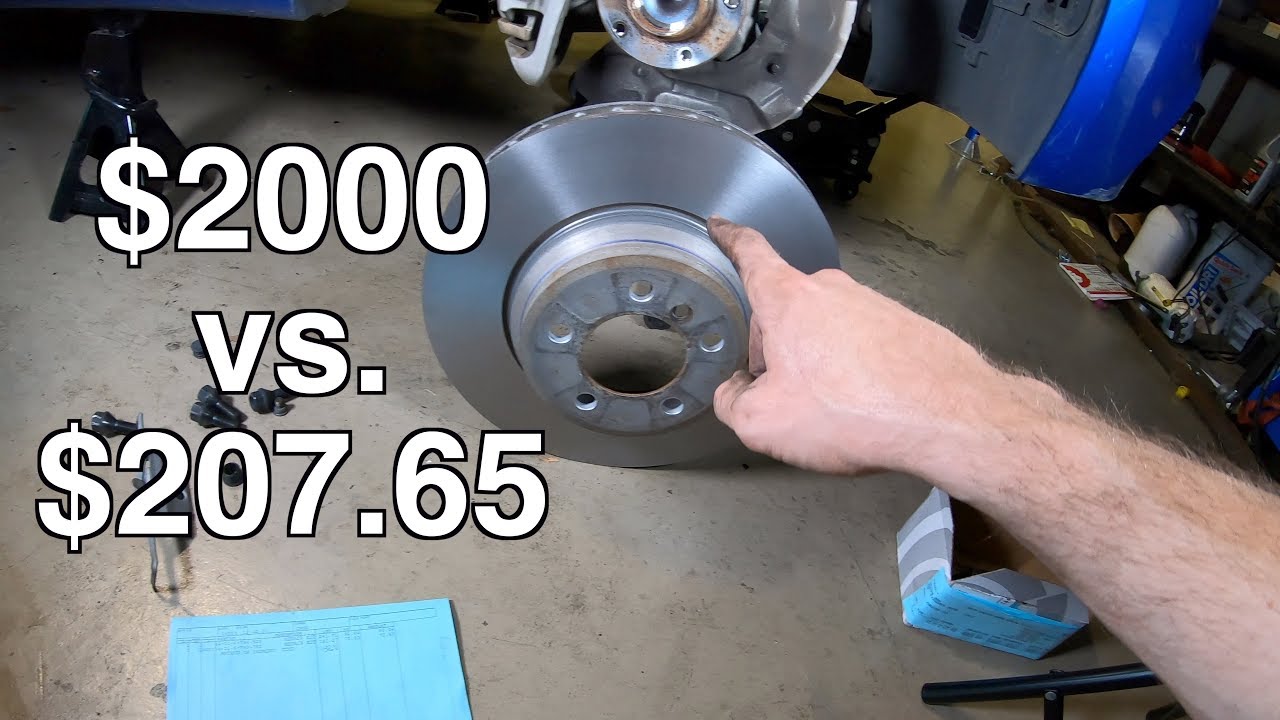
Calipers squeeze the brake pads onto rotors. They can stick or leak over time. Caliper replacement or repair adds to brake costs. Hardware includes clips and springs. Good hardware keeps brakes aligned and working properly.
Credit: www.youtube.com
Factors Influencing Cost
The cost of rear brakes and rotors can vary widely. Several factors affect how much you will pay. Knowing these helps you plan your budget better. These factors include the type of car, parts quality, labor costs, and your location.
Vehicle Make And Model
Different cars need different brake parts. Luxury and sports cars usually have more expensive parts. Common cars often have cheaper brake components. Some models need special tools or more time. This can increase the total cost.
Quality And Brand Of Parts
Brake parts come in many qualities. OEM parts match the original car parts exactly. They tend to cost more but last longer. Aftermarket parts are cheaper but vary in quality. Choosing a trusted brand can save money over time.
Labor Charges
Labor fees depend on the shop and mechanic skill. Some repairs take more time and skill. Complex brake systems increase labor costs. Dealerships usually charge more than independent shops. Getting a clear estimate helps avoid surprises.
Geographical Location
Where you live affects brake service prices. Big cities often have higher labor rates. Rural areas might offer lower prices. Local competition also influences costs. Prices can differ by hundreds of dollars between regions.
Average Cost Breakdown
Understanding the average cost breakdown for rear brakes and rotors helps plan your car maintenance budget. Knowing the typical prices for each service can avoid surprises at the repair shop. Costs vary by vehicle type, parts quality, and labor rates. Here is a clear look at common expenses for rear brake services.
Brake Pads Replacement
Replacing rear brake pads usually costs between $100 and $200. The price depends on the brake pad material and brand. Labor charges for pad replacement range from $50 to $100. Brake pads wear out faster than rotors and need changing more often. Regular replacement keeps your braking system safe and effective.
Rotor Replacement
Rear rotor replacement costs are higher, typically between $150 and $300. Rotors are metal discs that brake pads press against to stop the car. High-quality rotors cost more but last longer. Labor fees for rotor replacement add $80 to $150. Rotors wear slower but must be replaced if damaged or too thin.
Complete Rear Brake Service
A full rear brake service combines both pad and rotor replacement. Expect to pay between $250 and $450 for this service. It includes parts, labor, and sometimes brake fluid. Getting a complete service ensures all rear brake parts work together well. This option provides better safety and longer brake life.

Credit: www.youtube.com
Diy Vs Professional Service
Deciding between doing your rear brakes and rotors yourself or hiring a professional affects cost, safety, and time. Both choices have pros and cons. Understanding these can help you make the right decision for your car and budget.
Cost Savings
Doing the job yourself saves money on labor fees. Parts like rear brakes and rotors usually cost the same whether you do it or not. Labor charges can double or triple the total cost at a shop. With DIY, you only pay for parts and tools. This can cut the bill by half or more.
Risks And Challenges
Brake work requires care and precision. Mistakes can cause poor braking or accidents. Professionals have experience and know the right steps. DIYers might face issues like stuck bolts or incorrect installation. These challenges can lead to extra costs or danger. Safety must be a top priority.
Tools Required
Special tools make brake replacement easier. You need a jack, lug wrench, C-clamp, and brake cleaner. Some jobs require a torque wrench or brake caliper tool. Professionals have all these tools ready. DIYers may need to buy or borrow them. Proper tools help avoid damage and speed up the work.
Signs You Need Rear Brake Service
Rear brakes and rotors wear out over time. Knowing the signs helps keep your car safe. Early detection prevents costly repairs and accidents. Watch for these key signals that rear brake service is needed.
Squeaking Or Grinding Noises
Squeaking sounds often mean brake pads are worn. The pads have a small metal indicator that makes noise. Grinding noises show the pads are gone. Metal rubbing on metal can damage rotors. Stop driving and check brakes immediately.
Reduced Braking Performance
The car takes longer to stop. Brake pedal feels soft or sinks to the floor. You must press harder to slow down. This can mean worn brake pads or low brake fluid. Reduced braking is a serious safety risk.
Vibrations Or Pulsations
Shaking or pulsing in the brake pedal or steering wheel can occur. This often means warped rotors. Uneven rotor surfaces cause the brake system to vibrate. It reduces braking control and comfort. Have a mechanic inspect your brakes soon.
Tips To Extend Brake Life
Extending the life of your rear brakes and rotors saves money and keeps driving safe. Simple habits and care make a big difference. Learn these easy tips to protect your brake system and avoid frequent replacements.
Driving Habits
Drive smoothly to reduce brake wear. Avoid sudden stops and hard braking. Slow down early before traffic lights or stops. Use engine braking by downshifting on hills. These habits reduce heat and stress on brakes. Less heat means longer-lasting brake pads and rotors.
Regular Maintenance
Check brakes often for wear or noise. Replace brake fluid as recommended in your manual. Clean brakes to remove dust and dirt buildup. Inspect rotors for warping or grooves. Timely maintenance catches problems before they get worse. Good care prevents costly repairs and extends brake life.
Quality Part Selection
Choose brake pads and rotors from trusted brands. Quality parts last longer and perform better. Avoid cheap, low-quality replacements that wear fast. Match parts to your car’s make and model. Proper parts keep braking smooth and safe. Investing in quality saves money over time.

Credit: www.ryannissan.com
Frequently Asked Questions
How Much Do Rear Brake Pads Cost?
Rear brake pads typically cost between $30 and $80. Prices vary by vehicle make and quality of pads. Labor fees can increase the total cost if installed professionally.
What Is The Average Price For Rear Rotors?
Rear rotors usually range from $40 to $100 each. Costs depend on rotor type and vehicle model. Higher-performance rotors may cost more due to advanced materials.
Are Rear Brake And Rotor Replacements Expensive?
Replacing rear brakes and rotors can cost $150 to $300. Price varies by parts quality and labor charges. Regular maintenance reduces costly repairs later.
How Long Do Rear Brakes And Rotors Last?
Rear brakes and rotors generally last 30,000 to 70,000 miles. Driving habits and conditions affect longevity. Regular inspections help maintain optimal brake performance.
Conclusion
Rear brakes and rotors cost depends on the car and parts quality. Choosing good parts helps keep you safe on the road. Regular checks can prevent big repair bills later. Don’t wait for brake problems to get worse. Knowing the price range helps you plan your budget.
Ask a mechanic for advice to find the best option. Keep your brakes in good shape for smooth driving. Safe brakes mean peace of mind every time you drive.


