

Are you curious about how much auction cars actually sell for? Whether you’re thinking about buying your next vehicle at an auction or just want to know what to expect, understanding the price range can save you time and money.
Auction cars can be real bargains, but the final cost depends on many factors you need to know. You’ll discover what influences auction car prices and how to spot a great deal. Keep reading, and you’ll gain the confidence to make smart choices when the hammer falls.
Auction Car Price Range
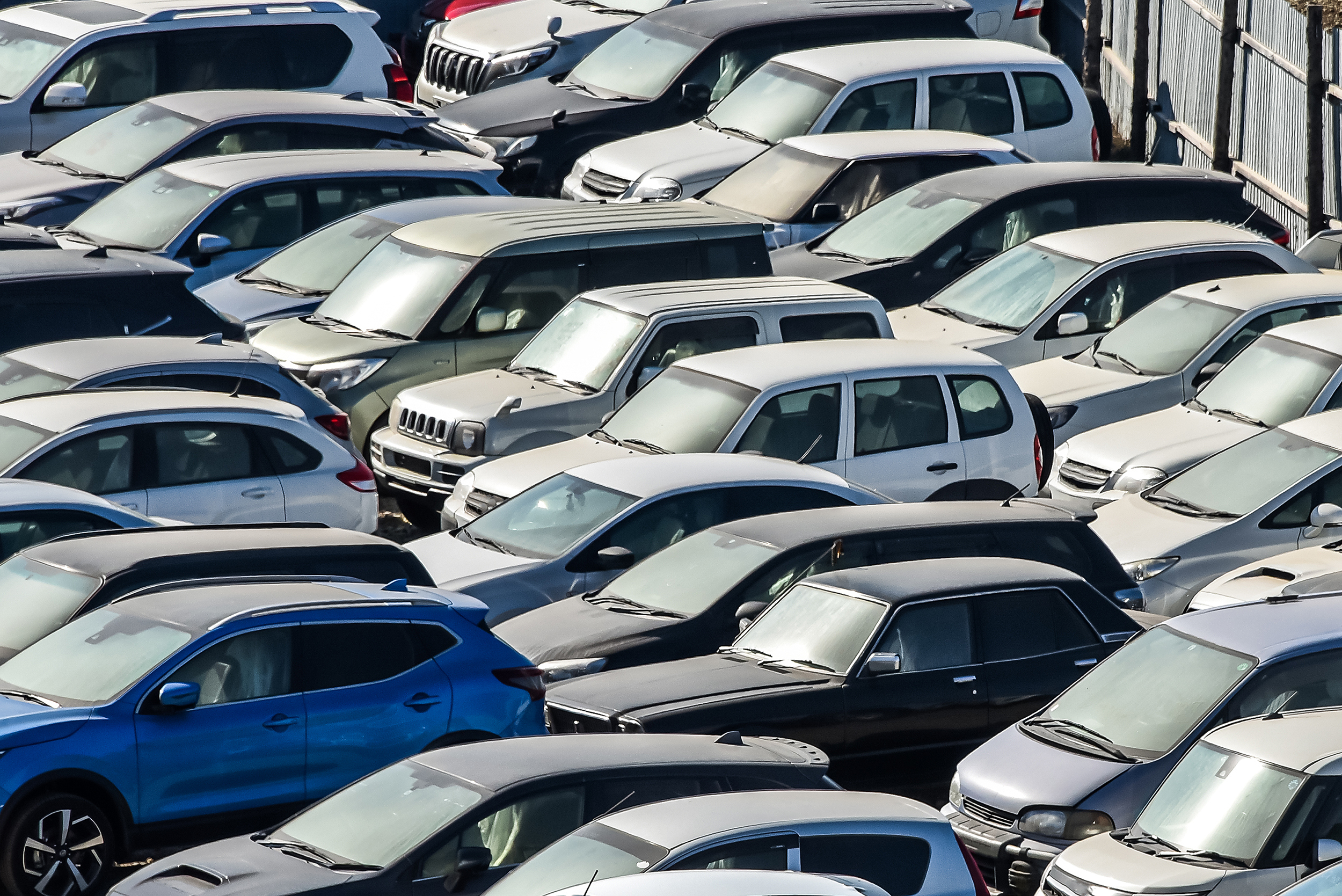
The price range for auction cars varies widely. It depends on many elements like car type, condition, and demand. Some cars start at very low bids, while others reach high prices fast. Understanding typical starting bids and factors that affect final prices helps buyers set realistic budgets. Popular car models often bring higher bids due to their value and reputation.
Typical Starting Bids
Starting bids for auction cars can be as low as a few hundred dollars. Many vehicles begin under $1,000, especially older or damaged ones. Clean, well-maintained cars usually start around $3,000 to $5,000. Luxury or rare models may have higher starting prices. These bids give a basic idea of each car’s minimum worth.
Factors Affecting Final Prices
Car condition plays a big role in the final auction price. Cars with low mileage or recent maintenance often sell for more. Brand reputation and model popularity also raise prices. Timing matters too; weekend auctions tend to have more bidders. Location influences costs, with urban auctions drawing higher bids.
Popular Car Models At Auctions
Sedan models like Toyota Camry and Honda Accord are common and sell well. Pickup trucks such as Ford F-150 attract many buyers. SUVs like Jeep Grand Cherokee hold strong auction prices. Classic cars and sports cars can reach high bids if rare. Popular models often get competitive offers at auctions.
Credit: www.dakil.com
Key Auction Types
Understanding different auction types helps you know how much auction cars sell for. Auctions vary by who can join and how they happen. These key types affect prices and buying experience.
Each type has unique rules and buyers. Knowing them helps find the best deals on auction cars.
Public Vs Dealer Auctions
Public auctions allow anyone to bid. They often have cars from repossessions or trade-ins. Prices can be lower because many buyers compete.
Dealer auctions are for licensed car dealers only. They get cars at wholesale prices. These auctions usually have newer or better-condition cars.
Public auctions offer variety. Dealer auctions focus on volume and faster sales. Each suits different buyers and budgets.
Online Vs In-person Auctions
Online auctions happen on websites. Bidders join from anywhere using a computer or phone. These auctions run fast and often last a few days.
In-person auctions happen at a physical location. Bidders raise paddles to bid live. This setting offers a clear view of the car before bidding.
Online auctions are convenient but less personal. In-person auctions give more control and inspection chances. Both affect final car prices differently.
Evaluating Auction Cars
Evaluating auction cars is key to making smart buying choices. The price depends on several important factors. Buyers must look closely at the vehicle’s condition, history, and repair costs. These details help decide if the car is worth the bid.
Understanding these points lowers risks and makes the auction experience better. It also helps find cars that offer good value for money. Careful evaluation saves time and money in the long run.
Inspecting Vehicle Condition
Check the car’s exterior for dents, scratches, and rust. Look at tires, lights, and windows for damage. The interior should be clean and free of tears or stains. Test doors, seats, and controls to ensure they work well.
Listen for strange noises when the engine runs. Check under the car for leaks or rust. A well-kept vehicle usually has a higher value at auction.
Checking Vehicle History
Review the car’s history report for accidents and repairs. Confirm the mileage matches the condition. Look for records of past owners and service dates. A clean history report increases trust in the car’s quality.
Beware of cars with unclear or missing documents. These may hide serious problems or legal issues.
Estimating Repair Costs
List needed repairs based on the car’s condition and history. Get price estimates for parts and labor. Include costs for tires, brakes, and engine work. Compare repair costs to the auction price to see if the car is affordable.
High repair costs can make a cheap car expensive overall. Factor in time and effort needed for repairs too.
Bidding Strategies
Bidding on auction cars can be exciting and challenging. Success depends on using smart bidding strategies. These strategies help you stay within budget and increase your chances of winning the car you want. Below are key tips to guide your bidding process effectively.
Setting A Budget
Decide your maximum bid before the auction starts. This keeps your spending in check. Avoid raising your limit during bidding. Stick to your budget to prevent overspending. Remember, auction prices can rise quickly. Plan for extra costs like taxes and fees.
Timing Your Bids
Watch the auction closely to find the best time to bid. Early bids show interest but can raise the price. Late bids, also called sniping, can win at a lower cost. Wait until the last moments to place your bid. This reduces competition and surprises others.
Avoiding Common Pitfalls
Don’t get caught in a bidding war that exceeds your budget. Avoid bidding on cars without checking their condition. Read the auction terms carefully before bidding. Be aware of hidden costs like repair or shipping fees. Stay calm and don’t let emotions control your bids.
Maximizing Car Value
Maximizing the value of a car bought at auction takes some smart moves. Knowing how to handle extra costs and care for the car can save money. You can also make a profit by selling the car later. Each step helps you get the most out of your purchase.
Negotiating Fees And Taxes
Always check the fees before bidding. Auction houses may charge buyer’s fees. These fees add to the final price. Taxes can increase costs too. Knowing these helps you plan your budget. Sometimes, fees are negotiable. Ask about discounts or lower rates. Clear information prevents surprises later.
Post-auction Maintenance Tips
After buying, inspect the car carefully. Fix small problems early. Change the oil and check fluids. Replace worn tires and brakes. Clean the car inside and out. Regular maintenance keeps the car running well. It also protects its value over time. A well-kept car attracts more buyers.
Reselling For Profit
Set a fair price based on market value. Highlight the car’s best features in ads. Show proof of maintenance and repairs. Use clear photos to attract buyers. Respond quickly to questions and offers. Timing sales during demand peaks helps. A good sale can earn you more money.

Credit: kdfoundation.org
Legal And Financial Tips
Buying cars at auctions can save money but also brings legal and financial risks. Understanding the rules helps avoid problems. This section covers key tips on legal terms, payment, and title transfers.
Understanding Auction Terms
Auctions use special words. Know their meaning. “Reserve price” is the lowest seller accepts. “As-is” means no warranty. Bidders take full responsibility for the car’s condition. Study the auction rules carefully before bidding.
Payment Methods And Financing
Payments usually happen right after winning a bid. Most auctions accept cash, credit cards, or bank checks. Some allow financing but with strict conditions. Plan your payment method ahead. Missing payment deadlines can cause losing the car or extra fees.
Title Transfer Process
After purchase, the car’s title must change to your name. The auction house often helps with paperwork. Check local laws for specific steps. Keep all documents safe until the transfer completes. Without a clear title, you cannot legally own or register the car.
Credit: www.arloren.com
Frequently Asked Questions
How Much Do Auction Cars Typically Sell For?
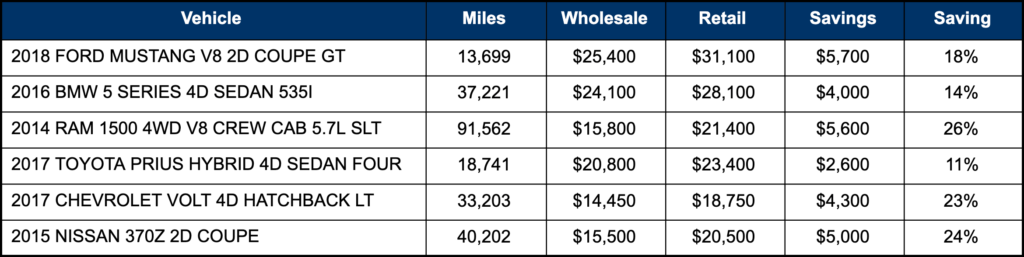
Auction cars generally sell between 20% to 50% less than retail prices. Prices vary based on car condition, model, and demand. Popular models and well-maintained vehicles fetch higher bids. Buyers can find great deals but should research market values beforehand.
What Factors Influence Auction Car Prices?
Key factors include vehicle condition, mileage, year, and brand reputation. Market demand and auction location also affect prices. Cars with clear titles and no damage sell for more. Repairable or salvage vehicles usually attract lower bids.
Are Auction Cars Cheaper Than Dealership Cars?
Yes, auction cars are usually cheaper than dealership prices. Dealers add overhead costs and profit margins. Auctions offer direct sales, reducing extra fees. However, buyers may face additional repair or inspection costs.
Can I Predict How Much An Auction Car Will Go For?
Predicting exact prices is difficult due to market fluctuations. Research similar car sales and check recent auction results. Consider vehicle condition and demand trends. Setting a budget helps avoid overbidding during auctions.
Conclusion
Auction car prices vary widely based on many factors. Condition, make, model, and mileage all affect the final cost. Some cars sell for just a few hundred dollars. Others can go for thousands or more. Knowing what to expect helps you prepare better.
Research and watch auctions often to find trends. Buying at auction can save money but needs care. Keep your budget clear and inspect cars closely. Auctions offer chances to get good deals. Just stay patient and informed to succeed.

