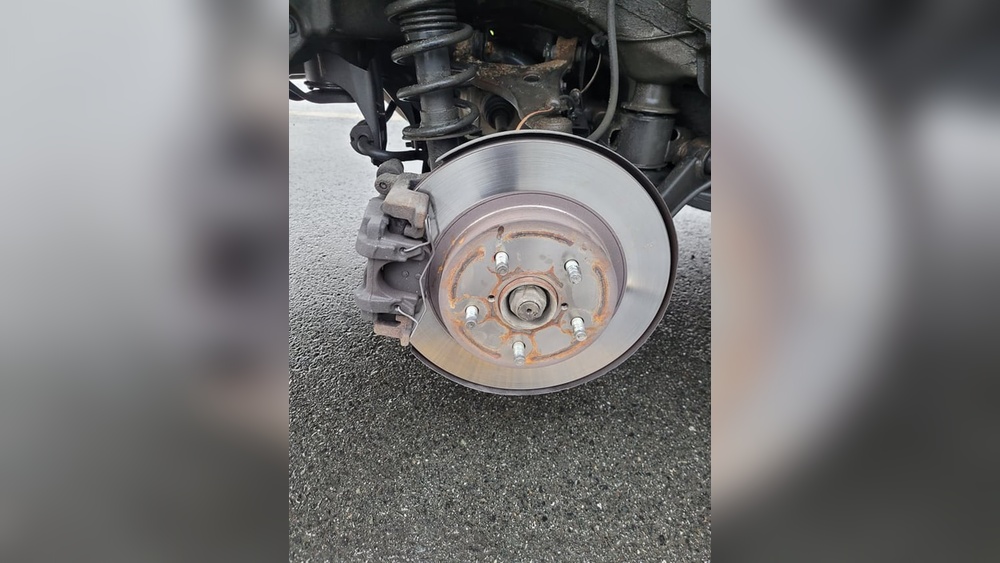
Have you ever wondered how much your car’s brake rotors actually weigh? Knowing this can help you understand your vehicle better, whether you’re planning upgrades, repairs, or just curious about how your brakes work.
Brake rotors might seem like simple parts, but their weight affects your car’s performance and safety. You’ll discover the typical weights of brake rotors, why those numbers matter to you, and how this knowledge can make a real difference when working on your vehicle.
Keep reading to unlock the facts that every driver should know.

Credit: www.heeltoeauto.com
Brake Rotor Basics
Brake rotors are key parts of a vehicle’s braking system. They help stop the car by working with the brake pads. Knowing the basics about brake rotors helps understand their weight and function. This section explains what brake rotors are and the materials used to make them.
What Are Brake Rotors
Brake rotors are round metal discs. They attach to the wheels and spin with them. When the driver presses the brake pedal, brake pads press against the rotors. This contact slows down the wheels and stops the vehicle. Rotors must be strong to handle heat and pressure during braking.
Materials Used In Rotors
Most brake rotors are made of cast iron. Cast iron is heavy but good at absorbing heat. Some rotors use steel or carbon composites for better performance. Lighter materials reduce the rotor weight but cost more. The choice of material affects how much the rotor weighs and how it works.
Factors Affecting Rotor Weight
Brake rotors come in different weights. Several factors affect how heavy a rotor is. Knowing these factors helps understand rotor performance and vehicle handling.
Size And Diameter
Rotor size directly impacts its weight. Larger rotors have more metal and weigh more. Diameter affects how much surface area the rotor covers. Bigger diameters require thicker brakes for strength.
Thickness And Design
Thicker rotors weigh more than thinner ones. The design also plays a role. Some rotors have drilled holes or slots to reduce weight. Solid rotors usually weigh more than ventilated ones.
Material Composition
Rotors are made from different materials. Cast iron is common and heavier. Some use lighter metals like aluminum or composites. Material choice affects durability and weight balance.
Average Weight Ranges
Brake rotors come in many sizes and weights. Their weight depends on the vehicle type and rotor design. Understanding these weight ranges helps in choosing the right rotors. It also affects the vehicle’s performance and handling.
Let’s explore the average weight ranges for different vehicle categories.
Passenger Cars
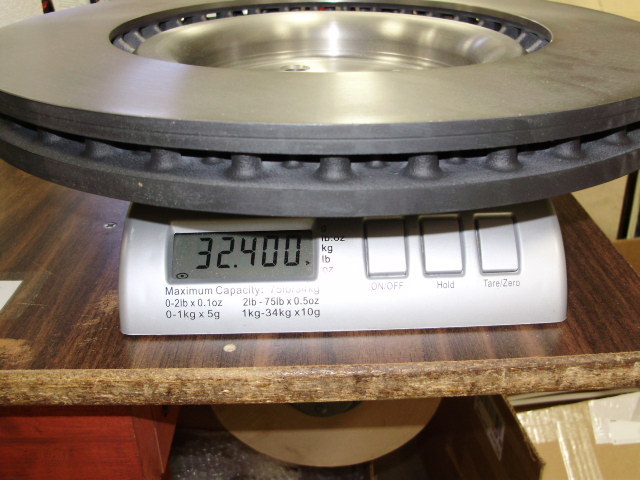
Passenger car rotors usually weigh between 10 and 20 pounds. Smaller cars have lighter rotors closer to 10 pounds. Larger sedans might have rotors weighing up to 20 pounds. These rotors balance strength and weight for everyday driving.
Suvs And Trucks
SUV and truck rotors are heavier. They range from 20 to 40 pounds or more. These vehicles need bigger rotors for better braking power. Their weight supports the extra load and rougher driving conditions.
High-performance Vehicles
High-performance car rotors vary widely in weight. They often weigh between 15 and 30 pounds. Some use lightweight materials like carbon or aluminum. These materials reduce weight and improve braking speed.
Impact Of Rotor Weight On Performance
The weight of brake rotors plays a key role in how a vehicle performs. It affects braking, heat control, and even fuel use. Understanding these impacts helps choose the right rotors for your car.
Rotors that are too heavy or too light can cause problems. Balancing weight with function is important for safe and smooth driving.
Braking Efficiency
Heavier rotors add more mass to the wheel system. This extra mass can slow down stopping times. Lighter rotors reduce the effort needed to stop. They allow brakes to respond faster. This improves overall braking efficiency and control.
Heat Dissipation
Rotors get hot from friction during braking. Heavier rotors hold more heat before getting too hot. This helps prevent brake fade on long drives. Lighter rotors cool down quicker but may overheat faster. Proper heat management keeps brakes working well and safe.
Fuel Economy
Rotors add to the vehicle’s total weight. Heavier rotors increase rolling mass and fuel use. Lighter rotors reduce weight, easing engine effort. This can lead to better fuel economy and lower emissions. Weight savings in rotors help save fuel over time.
Choosing The Right Rotor Weight
Choosing the right brake rotor weight is important for your vehicle’s safety and performance. The weight affects braking power and how the vehicle handles heat. Picking the correct rotor weight helps maintain balance between stopping ability and smooth driving. Consider your vehicle type, driving style, and rotor options. This guide will help you decide the best rotor weight for your needs.
Matching Vehicle Specifications
Brake rotors must match your vehicle’s make and model. Each car has specific rotor size and weight requirements. Using the wrong weight can cause poor braking or damage. Check your owner’s manual for the exact rotor specs. Follow the manufacturer’s recommendations to ensure safety and performance.
Driving Conditions And Needs
Your driving habits affect which rotor weight suits you. Heavy vehicles or towing need stronger, heavier rotors. Light cars or city driving may use lighter rotors for better fuel efficiency. Frequent stop-and-go traffic heats brakes more. Choose rotors that handle your typical driving conditions well.
Aftermarket Options
Aftermarket rotors offer many weight choices. Some are lighter to reduce unsprung weight and improve handling. Others are heavier for added strength and heat resistance. Quality varies, so pick trusted brands. Make sure aftermarket rotors fit your vehicle’s specs. Consider your driving style and needs before choosing.
Credit: fulltiltboogieracing.com
Tips For Handling And Installing Rotors
Handling and installing brake rotors requires care and attention. These parts are heavy and delicate. Proper steps help avoid damage and ensure safety. Follow simple tips to make the process easier and safer.
Safety Precautions
Always wear gloves to protect your hands. Brake rotors can have sharp edges. Use safety glasses to guard your eyes from dust and debris. Work on a flat, stable surface to prevent accidents. Keep the area clean and free of clutter. Avoid rushing to reduce mistakes and injuries.
Tools Required
Gather all tools before starting. You will need a jack and jack stands to lift the vehicle. A lug wrench helps remove wheel bolts. Use a socket set and ratchet for rotor bolts. A wire brush cleans the hub surface. A torque wrench ensures bolts tighten to the right level.
Installation Best Practices
Clean the new rotor with brake cleaner before installing. Remove rust or oil to improve brake performance. Check the hub for dirt and clean it well. Align the rotor properly on the hub. Tighten bolts in a star pattern to secure the rotor evenly. Use the torque wrench to match factory specifications. Reinstall the wheel and lower the vehicle carefully. Test brakes gently after installation to ensure safety.
Credit: rinascltabike.com
Frequently Asked Questions
How Much Does A Typical Brake Rotor Weigh?
A typical brake rotor weighs between 10 to 20 pounds. The weight varies based on size and material used. Larger vehicles usually have heavier rotors for better braking performance.
Do Brake Rotor Weights Vary By Vehicle Type?
Yes, brake rotor weights vary by vehicle type. Passenger cars have lighter rotors, while trucks and SUVs use heavier ones. This difference supports the vehicle’s size and braking needs.
How Does Brake Rotor Weight Affect Vehicle Performance?
Heavier brake rotors improve heat dissipation and durability. However, they can increase unsprung weight, affecting handling and fuel efficiency. Lighter rotors enhance agility but may wear faster.
Can Lightweight Brake Rotors Improve Fuel Efficiency?
Lightweight brake rotors reduce unsprung weight, aiding fuel efficiency. They also improve acceleration and handling. However, they must balance durability and heat resistance.
Conclusion
Brake rotors usually weigh between 10 and 30 pounds each. The exact weight depends on the vehicle type and rotor size. Heavier rotors help with better heat control during braking. Lighter rotors can improve fuel efficiency and handling. Knowing rotor weight helps when replacing or upgrading parts.
Always choose rotors that fit your vehicle’s needs. This ensures safety and good performance on the road. Understanding rotor weight makes car maintenance easier and smarter.